



Reviewed by: Y. Garcia
The promise of carrying your driver's license digitally has been around for years, but Apple's latest iOS 26.1 update might finally deliver on that vision in a meaningful way.
The Digital ID feature in Apple Wallet represents more than just another tech convenience—it could fundamentally change how we think about identity verification in our increasingly connected world.
While digital identification isn't entirely new territory, Apple's approach with iOS 26.1 appears to focus on seamless integration within their existing ecosystem. The timing couldn't be better, as more states and organizations are exploring digital identity solutions, and users are becoming more comfortable with storing sensitive information on their devices.
But here's the key question: will this feature actually deliver the convenience it promises, or will it face the same adoption hurdles that have plagued digital ID initiatives in the past?
Why digital ID integration matters now
The landscape for digital identification has shifted dramatically over the past few years. Security concerns that once made people hesitant about storing official documents digitally have been addressed through advanced encryption and biometric authentication methods.
Apple's approach leverages the security infrastructure already built into iOS devices, including Face ID, Touch ID, and the Secure Enclave. This means your digital ID isn't just a photo stored in an app—it's protected by the same technology that secures your financial information and personal data.
Think about it this way: when was the last time you worried about the security of Apple Pay? That same level of protection is what we're looking at for digital IDs. The Secure Enclave creates a hardware-based fortress around your most sensitive information, making it significantly more secure than that worn plastic card in your wallet that can be easily copied or stolen.
The real advantage comes from integration. Rather than requiring a separate app or complex setup process, the Digital ID feature works within the familiar Apple Wallet interface that users already trust for payments and boarding passes. You know that double-click gesture you use for Apple Pay? Imagine using the same intuitive action to verify your identity anywhere you need it.
What's particularly compelling about this timing is that we're seeing a convergence of factors. Consumer comfort with digital wallets has reached a tipping point, businesses are actively seeking contactless solutions, and government agencies are finally warming up to digital verification methods. Apple isn't just launching into a vacuum here—they're riding a wave of readiness that didn't exist even two years ago.
PRO TIP: Even before you start using Digital ID in iOS 26.1, spend a few minutes getting familiar with the current Apple Wallet interface if you haven't already. The more comfortable you are with the existing system, the smoother your transition to digital ID will be.
What this means for everyday interactions
The practical applications extend far beyond simply showing your ID at airport security. Consider the scenarios where you currently need to present identification: age verification at stores, hotel check-in, access to secure buildings, or even voting.
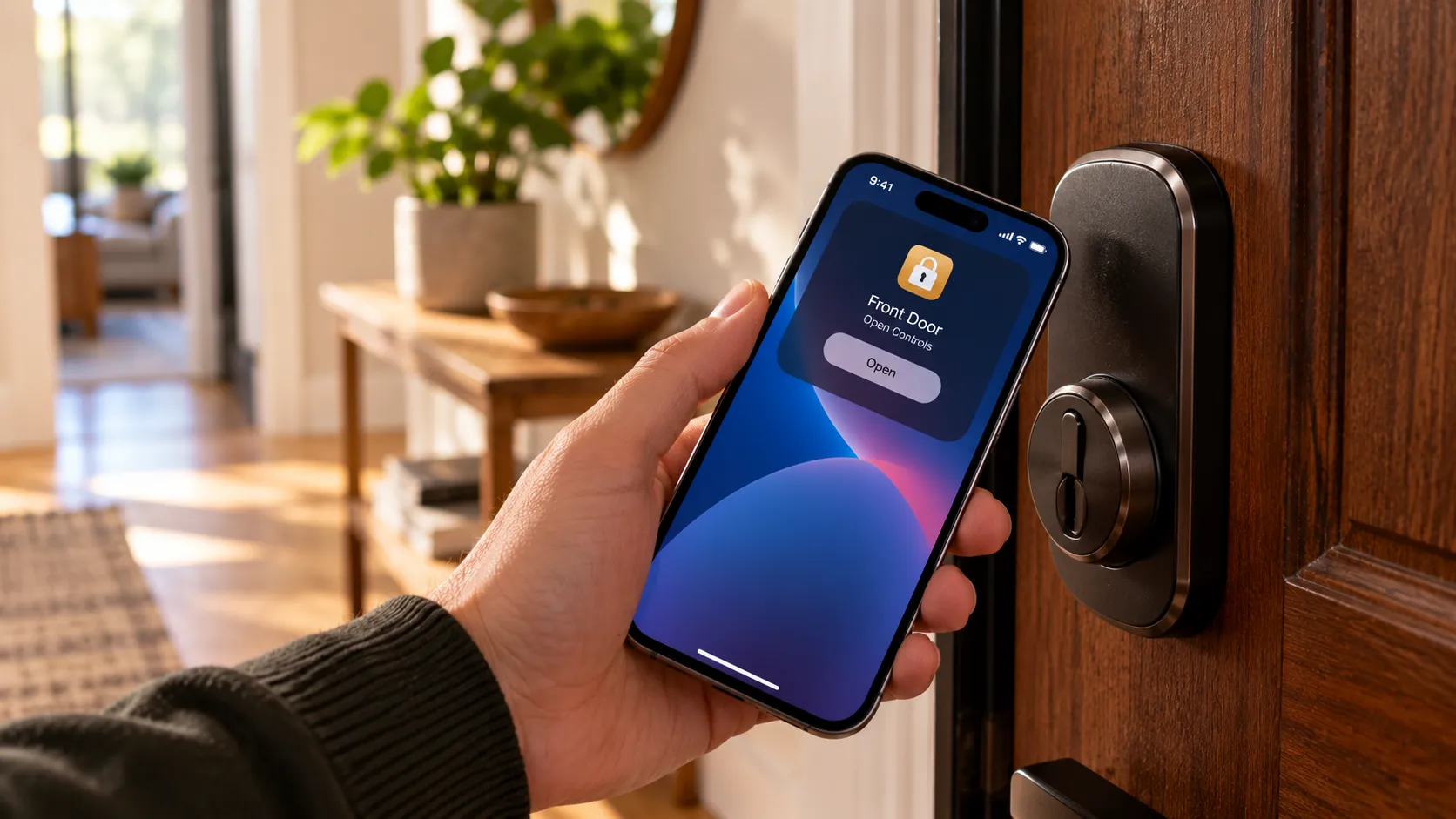
Digital ID could streamline these interactions significantly. Instead of fumbling for your physical wallet, you could simply hold your iPhone near a compatible reader. The verification happens instantly, and you're on your way.
But let's break down what this actually looks like in practice. Picture yourself at a grocery store buying wine. Instead of digging through your wallet while holding up the checkout line, you just double-tap your phone's side button, authenticate with Face ID, and hold it near the reader. The cashier gets instant age verification without ever handling your physical ID or seeing your home address. That's not just convenience—that's privacy protection.
The hotel check-in scenario is even more interesting. Imagine walking up to a kiosk, tapping your phone, and having your identity verified instantly while simultaneously accessing your reservation details. No more standing in line to hand over your driver's license and credit card to a desk clerk who then has to manually input everything into their system.
But the real game-changer might be in situations where physical ID presentation is impractical or inconvenient. Online age verification, remote check-ins, or contactless transactions could all benefit from secure digital identity confirmation. We're talking about eliminating those awkward moments where you have to hold up your driver's license to your webcam for some sketchy age verification system that probably stores your image in who-knows-where.
The voting applications are particularly intriguing, though these would obviously require extensive regulatory approval and testing before implementation. The potential for streamlined voter verification while maintaining ballot secrecy could address some real pain points in our electoral process, but we're likely years away from seeing this become a reality.
The broader ecosystem implications
Apple's Digital ID feature doesn't exist in isolation—it's part of a larger strategy to make the iPhone the central hub for all your important documents and credentials. We've already seen this with payment cards, boarding passes, and event tickets.
This creates a powerful network effect. The more essential functions your iPhone can handle, the more indispensable it becomes. It's a classic Apple move: take something that works adequately and reimagine it within their ecosystem to work exceptionally well.
Here's what's really happening: Apple is positioning the iPhone as your universal key to modern life. Your payment method, your transportation tickets, your building access, your identity verification—it's all converging into a single device that you already carry everywhere. This isn't just about replacing your wallet; it's about fundamentally changing how you interact with the world around you.
The ripple effects could influence everything from how businesses handle customer verification to how government services are delivered. When a significant portion of the population carries secure, verifiable digital ID, it opens up possibilities for more efficient and user-friendly services across the board.
Think about the implications for businesses. Instead of training employees on how to spot fake IDs or dealing with the liability of handling customer identification documents, they could potentially rely on Apple's verification system. The business gets instant, reliable confirmation, the customer gets privacy protection, and everyone saves time.
For government services, this could be transformative in the long term. Imagine potentially renewing your vehicle registration by simply verifying your identity through your phone instead of making a trip to the DMV. Or accessing social services without having to repeatedly prove who you are at multiple touchpoints throughout the process.
The network effects here could be massive. As more organizations accept digital ID, the value proposition for users increases exponentially. And as more users adopt digital ID, organizations have stronger incentives to support it. Apple has the user base and the ecosystem integration to potentially trigger this virtuous cycle in a way that previous digital ID initiatives couldn't achieve.
PRO TIP: Keep an eye on your state's official DMV or transportation website for announcements about digital ID pilots. Being an early adopter often means smoother onboarding and fewer technical hiccups.
Where do we go from here?
The success of Apple's Digital ID feature will ultimately depend on adoption—both by users and by the organizations that need to verify identities. Early implementation will likely focus on partnerships with airlines, retailers, and government agencies that are already tech-forward.
The technology appears ready based on Apple's existing infrastructure, and Apple's track record with similar features suggests they've thought through the user experience carefully. The question isn't whether digital ID will work technically, but whether it can overcome the institutional inertia that has slowed similar initiatives in the past.
Let's be realistic about the challenges ahead. Government agencies move slowly, and for good reason, when it comes to identity verification. Retailers need to invest in new hardware and train staff on new procedures. Users need to trust that their most sensitive information is secure in digital form.
But Apple has some significant advantages in overcoming these hurdles. They've already proven they can drive adoption of new payment technologies—remember how quickly Apple Pay went from novelty to necessity? They have relationships with major retailers and service providers. Most importantly, they have users who are already comfortable with the Apple Wallet interface.
The rollout will probably be gradual and strategic. Expect to see partnerships with major airport hubs first, followed by large retail chains that already have contactless payment infrastructure. Government adoption will vary by state, with tech-friendly jurisdictions likely leading the way.
What's particularly encouraging is that this isn't Apple trying to create a market from scratch. The demand for better identity verification solutions already exists. The infrastructure for contactless interactions is already in place. The security technology is already proven. Apple is essentially connecting dots that are already on the map.
Bottom line: iOS 26.1's Digital ID feature represents Apple's most serious attempt yet to digitize one of the last physical items most of us carry daily. If they can execute this as smoothly as they've handled digital payments, we might finally be looking at the beginning of the end for physical wallets.
The real test won't be whether the technology works—it will be whether Apple can navigate the complex web of regulations, partnerships, and user behavior changes needed to make digital ID truly ubiquitous. Based on their track record with similar challenges, that's a bet worth taking seriously.





Comments
Be the first, drop a comment!