



Apple's latest iOS 26.2 update marks a significant milestone in the evolution of Apple's ecosystem, bringing together features that users have been requesting for years. What's particularly exciting about this release is how it demonstrates Apple's commitment to AI-powered solutions that actually solve real problems rather than just adding flashy tech for the sake of it.
The update introduces automatic chapter generation for podcast episodes, according to TidBits, which is honestly something that should have existed years ago. Now you can finally navigate within episodes to find specific segments without endless scrubbing. Beyond podcasts, PC Mag reports that iOS 26.2 is rolling out to iPhone 11 or 2nd-generation iPhone SE and later users, bringing substantial improvements across the board.
One particularly satisfying fix addresses a long-standing Apple Music frustration where pre-release albums weren't immediately playable at their release time, as noted by TidBits. If you've ever stayed up until midnight for a new album drop only to find it wasn't actually available yet, you'll appreciate this fix.
What makes the new Podcast AI features so compelling?
Here's where things get genuinely interesting. The standout feature in iOS 26.2 is the AI-driven podcast enhancement system that addresses legitimate user pain points rather than just showcasing Apple's AI capabilities. Machine learning models trained on millions of hours of podcast data now power automatic chapter generation. This isn't just basic audio analysis—the system can intelligently break down lengthy episodes into digestible segments without any manual intervention from creators.
The time savings are substantial. Some content creators are already seeing up to 72% time savings compared to traditional manual chapter marking. That's not just a minor convenience improvement; it's the kind of efficiency gain that could fundamentally change how podcast creators approach their workflow, freeing them up to focus on content creation rather than post-production tedium.
But the AI capabilities go well beyond simple chapter creation. The updated Podcasts app can now detect mentions of other podcasts within episodes. This means when a host mentions another show, listeners can view and follow those shows directly from the transcript or player interface. It's the kind of interconnected ecosystem that makes podcast discovery feel more natural and less like hunting through endless lists.
What makes this particularly impressive is how the system seemingly understands context and relationships between shows. The technology leverages sophisticated natural language processing backed by advanced AI models, enabling it to distinguish between casual mentions and genuine recommendations, creating a smarter discovery experience that benefits both creators and listeners.
How does the new Liquid Glass design transform your iPhone experience?
Apple's Liquid Glass aesthetic represents more than just another design refresh—it's a shift in how users can personalize their iPhone experience. The Lock Screen now features a precision slider that lets you adjust clock transparency across a full 100-point scale, as detailed by Apple Gadget Hacks. This level of granular control represents a 67% increase in personalization options compared to the previous version.
What's particularly noteworthy is how this design philosophy extends throughout the system. The Liquid Glass material can be configured as either Clear or Tinted based on user preference, giving you flexibility in how your interface feels and looks throughout the day.
The Liquid Glass treatment doesn't stop at the Lock Screen. It appears in other system apps as well, with the Measure app receiving translucent controls and floating elements. Users now have unprecedented control over the visual hierarchy of their Lock Screen time display.
Beyond aesthetics, this approach addresses a practical need for users who want their device to adapt to different environments and usage scenarios. Whether you're in bright sunlight where higher contrast helps readability, or in a dimly lit room where subtlety is preferred, the transparency controls let you create an interface that works for your specific situation while maintaining your personal style preferences.
What productivity improvements actually matter?
Finally, the Reminders app gets the alarm functionality that users have been requesting for years. Tasks can now be marked as 'Urgent' to trigger full alarm functionality, though you need to toggle the Urgent option to create these alarms.
Here's what makes this feature particularly useful: this AI-powered system can break through Focus modes and bypass standard notifications to ensure critical tasks get noticed. No more missing important deadlines because your reminder got buried under a dozen other notifications.
The integration goes deeper with Live Activity support. Snoozing a reminder shows a countdown on the Lock Screen with options to complete or reschedule the reminder directly from that interface. This creates a more cohesive productivity experience where your reminders don't disappear into the notification void.
The productivity theme extends to creative workflows as well. The Freeform app now supports tables, allowing users to organize text, images, documents, and drawings in a structured grid format. For anyone using Freeform for project planning or collaborative brainstorming, this bridges the gap between creative freedom and organizational structure, letting you maintain the visual thinking approach while adding the framework needed for actionable outcomes.
How do the enhanced security features protect your data?
Apple has significantly strengthened AirDrop security with new verification systems that address real-world security concerns. PC Mag details that additional verification when using AirDrop with unknown contacts creates more secure file sharing. The system now includes an option to generate AirDrop codes on the device to complete transfers, with these codes remaining active for 30 days before automatically deactivating.
This addresses a legitimate security concern where AirDrop could potentially be exploited in crowded spaces like airports or conferences. Now you have granular control over who can send you files and when, without completely disabling AirDrop's convenience for legitimate sharing scenarios.
Beyond AirDrop improvements, the update addresses critical security vulnerabilities that have real-world implications. All updates include fixes for WebKit vulnerabilities that have been exploited in sophisticated attacks against specific targeted individuals on earlier iOS versions. These attacks represent the type of advanced persistent threats typically associated with nation-state actors or sophisticated cybercriminal organizations targeting high-value individuals.
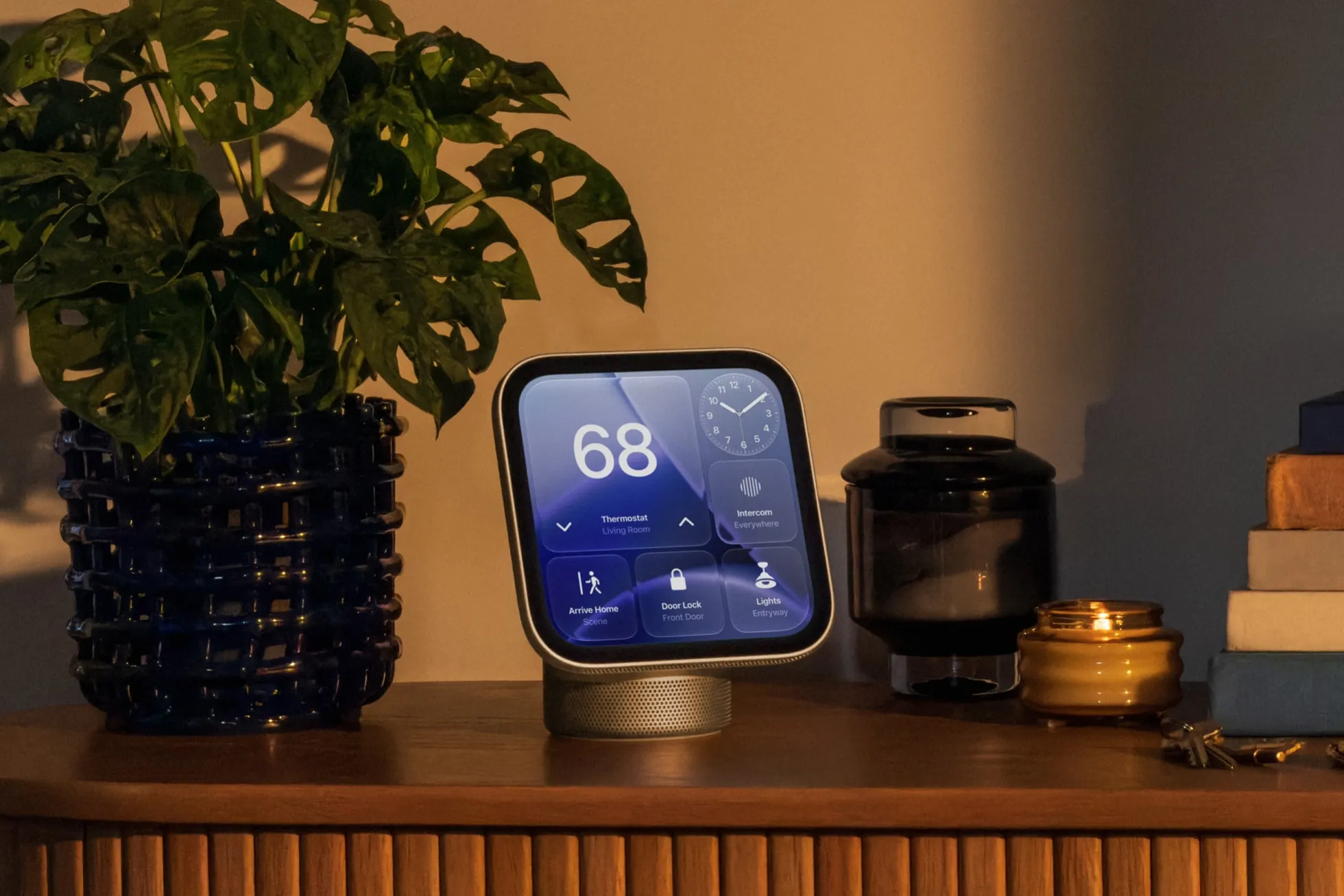
The security enhancements extend to HomeKit as well, where users can now use the same setup code to enroll multiple accessories sold in multipacks. This streamlines the setup process while maintaining security protocols. Additionally, iOS 26.2 resolves the 'juice jacking' protection bug that affected earlier versions—a particularly important fix for frequent travelers who regularly use public charging stations.
What does this mean for the future of Apple's ecosystem?
iOS 26.2 represents more than incremental improvements—it signals Apple's strategic direction toward AI-driven user experiences that prioritize practical utility over flashy demonstrations. The automatic chapter generation in Podcasts and enhanced Apple Music integration show how AI can solve genuine user problems without compromising the privacy-focused approach that sets Apple apart from competitors.
Performance improvements are tangible as well. Some reports reveal that power consumption has been reduced while addressing persistent bugs like App Library loading delays and CarPlay connectivity issues. These kinds of under-the-hood improvements might not generate headlines, but they directly impact daily usability and demonstrate Apple's commitment to refining the fundamentals alongside introducing new features.
Looking ahead, the implications become even more interesting. Financial Content Markets reports that Apple is reportedly finalizing a deal to license a custom 1.2 trillion-parameter version of Google's Gemini AI model, with iOS 26.4 in Spring 2026 expected to fully materialize this collaboration. This strategic partnership could address Siri's historical challenges in complex conversational understanding, according to the same source, potentially bringing the kind of sophisticated AI interactions we see in the podcast features to voice assistant capabilities.
Reports say the update also includes regional variations that show Apple's increasing willingness to adapt to local market demands while maintaining ecosystem coherence. Japanese users might gain the ability to replace Siri with third-party assistants like Google Gemini or Amazon Alexa, demonstrating Apple's pragmatic approach to balancing global consistency with regional preferences. This flexibility positions Apple to compete more effectively in markets where local solutions have stronger adoption while preserving the integrated experience that defines the Apple ecosystem.
Bottom line: iOS 26.2 feels like Apple hitting its stride with AI integration. Rather than forcing AI features into every possible corner of the OS, they've focused on areas where machine learning genuinely improves the user experience. The podcast enhancements, security improvements, and interface refinements all address real user needs while laying the groundwork for more significant AI integration in future releases. It's the kind of thoughtful, iterative improvement that makes existing devices feel genuinely better rather than just different.




Comments
Be the first, drop a comment!