



You've probably heard about Apple and the EU butting heads over tech regulations, but the iOS 26.3 beta is revealing some fascinating details about how this digital chess match is actually playing out. What makes this beta particularly significant isn't just another policy announcement—we're seeing Apple's actual technical implementation strategy for balancing regulatory compliance with ecosystem protection, specifically through notification forwarding capabilities that represent a much broader shift in iOS functionality.
The Digital Markets Act has been forcing Apple's hand on a bunch of features, and honestly, the company's response strategy is pretty interesting when you break it down. Rather than completely opening the floodgates, Apple seems to be threading a very careful needle between regulatory compliance and protecting what it sees as core user experience elements. We've already seen numerous DMA-related delays affecting features like iPhone Mirroring and Apple Intelligence, but this latest beta suggests Apple is moving from delays to actual implementation—though it's revealing a sophisticated compromise strategy that's both technically impressive and strategically calculated.
The company has been opening up previously exclusive features like cellular calling and messaging to third-party developers, but the notification changes in iOS 26.3 beta represent something fundamentally different. This isn't just about adding API access—it's about Apple creating an entirely new paradigm for how third-party devices can integrate with iOS while maintaining privacy boundaries that the company argues are essential for user protection.
What's emerging is a clear pattern: Apple is interpreting DMA requirements through a privacy-first lens, using data protection concerns to justify implementation choices that happen to preserve significant competitive advantages. The notification forwarding framework exemplifies this approach perfectly.
How Apple is rewriting Wi-Fi sharing rules
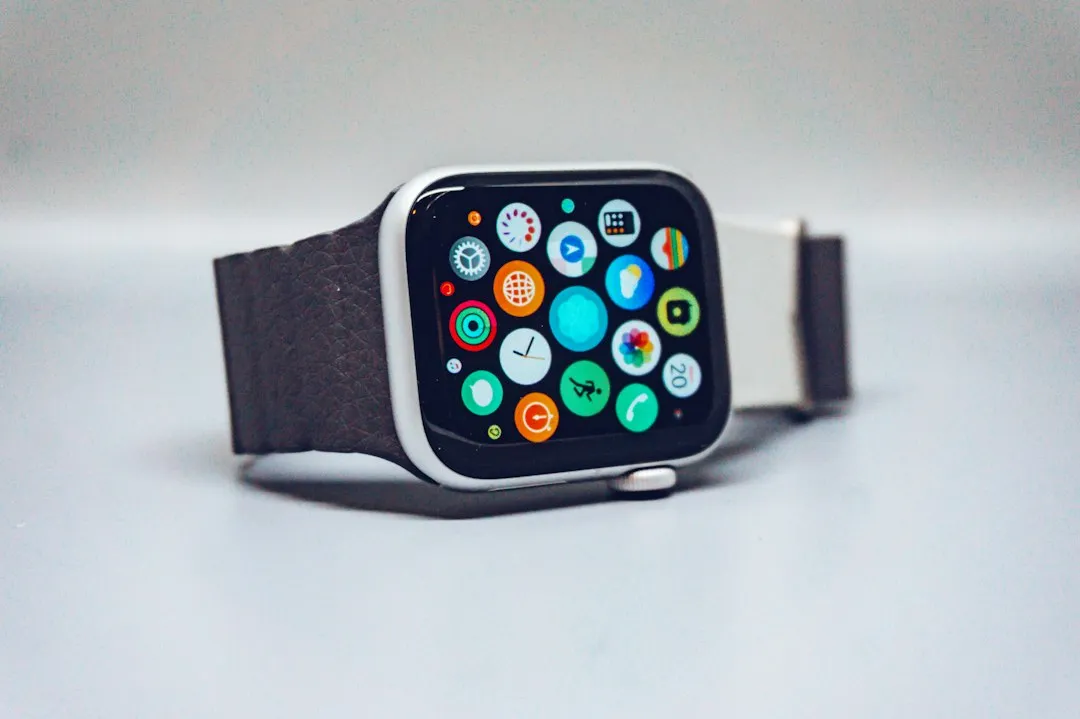
Here's where things get really interesting from a technical standpoint, and where we see Apple's compliance strategy most clearly. Currently, when you pair a new Apple Watch with an iPhone, the entire list of saved networks transfers automatically. It's one of those seamless experiences that Apple users have come to expect—your watch just works with all the Wi-Fi networks your phone knows about, including networks from your childhood home, previous jobs, friends' houses, and coffee shops you visited years ago.
But starting with iOS 26.2, that changes dramatically for EU users. New Apple Watches will no longer receive the complete history of saved Wi-Fi networks during setup. Instead, they'll only connect to networks saved after the pairing process happens. This isn't Apple being difficult for the sake of it—the EU's mandate requires Apple to provide third-party devices with the same level of Wi-Fi network access that Apple Watch enjoys.
Apple's solution reveals the company's strategic thinking about data privacy as a competitive moat. Rather than expose years of Wi-Fi network history—which could include network names like "Smith_Family_5G" or "AcmeCorp_Guest" that reveal personal information about where users have lived and worked—Apple decided to limit everyone to future networks only. This creates what I'd call a "privacy compliance firewall" where historical data remains protected while new data sharing meets regulatory requirements.
What's fascinating about Apple's implementation is the two-tier system it creates. Existing Apple Watches will retain their previously synced networks, so if you already have your watch set up, you won't lose functionality. But new watches get the limited version. It's Apple's way of minimizing user disruption while technically checking the DMA compliance box—a grandfathering approach that protects existing users while applying new restrictions going forward.
This strategy shows how Apple is thinking about compliance not as a binary choice, but as an engineering problem with multiple possible solutions that can preserve user experience while meeting regulatory requirements.
The new Wi-Fi Infrastructure framework emerges
Apple isn't just cutting functionality and calling it a day, though. The company is creating an entirely new Wi-Fi Infrastructure framework in iOS 26.2, and here's what makes this technically impressive—it's available exclusively to EU-based apps and developers, requiring Apple to maintain geographically-specific iOS functionality for the first time. This framework enables secure sharing of Wi-Fi credentials between devices and connected accessories, essentially giving third-party manufacturers access to tools that were previously Apple-only.
The technical implementation here represents a significant undertaking that goes far beyond simple API creation. Apple had to build something that balances DMA compliance with user privacy and security concerns, while also ensuring it exists only in the EU and nowhere else. That's not a simple engineering challenge—you're essentially maintaining two different versions of iOS functionality based on geographic location, requiring new infrastructure for feature flags, developer verification, and regional API distribution.
The framework focuses on what I'd call "forward-looking sharing" rather than historical data access. Apple's compliance strategy restricts sharing of Wi-Fi network history while allowing sharing of future networks. So if you connect to a new coffee shop's Wi-Fi after setting up your third-party smartwatch, that device could potentially access those credentials through the proper APIs. But it won't get access to the network from your childhood home that you connected to five years ago.
PRO TIP: For developers building EU-specific accessories, this framework requires proper Apple Developer credentials registered in the EU region—Apple isn't making this available to just anyone, maintaining some control over which companies can access these sensitive capabilities.
This approach demonstrates how Apple is interpreting DMA requirements in ways that provide the requested functionality while maintaining privacy boundaries that happen to protect the company's competitive position. It's compliance through controlled openness rather than wholesale data exposure.
What notification forwarding means for third-party devices
The notification forwarding capabilities in iOS 26.3 beta are part of a much broader set of changes the EU has mandated, and they represent perhaps the most significant competitive threat to Apple's ecosystem integration. The European Commission has specifically ordered Apple to provide third-party smartwatches with full access to the iOS notification system, including background execution privileges that essentially mirror what the Apple Watch can do.
These requirements go way beyond simple message forwarding, though. Device manufacturers will gain access to system features supporting proximity auto-pairing and automatic audio switching, features that were previously exclusive to AirPods. The EU has made it clear that all interoperability features must be provided free of charge for any type of connected device—essentially forcing Apple to give away technological advantages that took years to develop.
The implementation timeline Apple is working with reveals the regulatory pressure the company faces. Third-party notification support should enter beta by the end of this year and full rollout in 2026. Plus, Apple has to ensure that relevant frameworks and APIs arrive simultaneously with Apple platform features—no more delaying third-party access while Apple gets a head start with new capabilities.
What's particularly striking about this requirement is how it fundamentally changes the competitive landscape for wearables and audio devices. If a Samsung Galaxy Watch can receive notifications with the same priority and background execution privileges as an Apple Watch, plus get automatic pairing and audio switching capabilities, that removes some of the most significant technical barriers that have kept users locked into Apple's ecosystem.
The notification forwarding framework in iOS 26.3 beta suggests Apple is implementing these changes through secure, encrypted channels that maintain user privacy while providing third-party devices with equivalent functionality. But the long-term implications for Apple's wearable market share in Europe could be substantial—we're essentially seeing the EU force Apple to compete more on hardware quality and user experience rather than exclusive software integration.
The broader implications for Apple's ecosystem strategy
These changes represent more than just technical adjustments—they're signaling a fundamental shift in how Apple approaches ecosystem integration in regulated markets, with implications that extend far beyond Europe. The company has already introduced APIs allowing third-party apps to handle cellular calls and SMS/RCS messages, but only for EU users with proper developer credentials, creating a precedent for region-specific iOS functionality that could reshape how Apple develops features globally.
Apple's strategy appears focused on what I'd call "minimal viable compliance" rather than enthusiastic adoption of the EU's vision. Critics argue that Apple's approach represents a form of non-compliance with the DMA, since it limits functionality in the EU rather than truly opening up access. The company has consistently expressed concerns about being forced to expose potentially sensitive user data to outside developers.
This tension reflects a deeper philosophical divide about data sharing and user protection. Apple argues it's protecting users from companies that might abuse access to personal data for tracking and advertising purposes—and with social media ad giant Meta being a leading requester of app interoperability capabilities, Apple's privacy concerns aren't entirely unfounded.
The notification forwarding capabilities in iOS 26.3 beta suggest that most Apple Watch users in the EU likely won't notice the changes day-to-day. Apple's modifications focus more on compliance architecture than user experience degradation. But the strategic implications are significant: Apple is essentially being forced to open up the technical foundations of its ecosystem advantage, potentially accelerating competition in markets where it has historically dominated through integration rather than just hardware quality.
Looking ahead, this creates an interesting natural experiment. EU users will experience iOS with broader third-party integration capabilities, while users in other regions maintain the traditional closed ecosystem approach. The comparative user satisfaction and security outcomes could influence both regulatory decisions in other markets and Apple's global strategy decisions.
What this means for the future of iOS integration
The iOS 26.3 beta gives us our first concrete look at how Apple plans to navigate an increasingly regulated landscape while trying to preserve the seamless integration that has long defined its products. With penalties for DMA non-compliance reaching up to 10% of global annual turnover—potentially billions in fines—Apple faces substantial financial pressure to find workable solutions that satisfy regulators without completely dismantling its competitive advantages.
The notification forwarding framework represents just the beginning of broader changes coming to iOS in regulated markets. The EU expects Apple to create alternatives for AirDrop and AirPlay by the end of 2026, complete with comprehensive documentation and developer support channels to help third-party companies build competing services. These requirements will force Apple to essentially teach competitors how to replicate its most valuable ecosystem features.
PRO TIP: For Apple users in the EU, these changes could actually improve device compatibility and reduce vendor lock-in, making it easier to mix and match devices from different manufacturers while maintaining full functionality.
These developments signal what might be a new era for Apple's traditionally closed ecosystem, where regulatory compliance increasingly shapes feature development and user experience design. The company is learning to think about integration in ways it never had to before—not just as a user experience challenge, but as a regulatory compliance puzzle with significant financial stakes.
The question isn't whether Apple will comply—the financial penalties make that choice pretty clear—but how creatively the company can interpret requirements while maintaining its competitive edge. The iOS 26.3 beta provides our first real glimpse into this balancing act, showing Apple finding ways to technically meet regulatory requirements while preserving as much of its ecosystem advantage as possible.
Apple's experience navigating EU requirements is becoming a template for how it might handle similar regulatory pressure in other major markets. The company's sophisticated approach to compliance—using privacy concerns to justify implementation choices that happen to preserve competitive advantages—could influence how other tech giants respond to increasing regulatory scrutiny worldwide. Whether this approach satisfies EU regulators long-term remains to be seen, but it's definitely more sophisticated than simply opening everything up or fighting regulations outright.








Comments
Be the first, drop a comment!