



Apple's latest iOS 26.3 beta has arrived, and it's stirring up conversations across the tech world for reasons that go well beyond typical software updates. The first developer beta was quietly launched in mid-December according to 9to5Mac, followed by a public beta release shortly after as reported by MacRumors.
What makes this update particularly noteworthy isn't just its new features, but the regulatory pressures driving its development. The European Union's Digital Markets Act has compelled Apple to introduce significant interoperability changes according to WebProNews, fundamentally shifting how iPhones interact with non-Apple devices and services. This beta represents a fascinating glimpse into Apple's future—one where the traditionally closed ecosystem begins opening its doors, albeit reluctantly.
While iOS 26.3 may be a lighter update compared to previous releases—partly due to its development occurring during the holiday period as noted by MacRumors—the changes it introduces could fundamentally alter how we think about mobile ecosystems. These regulatory-driven modifications demonstrate how external pressure can force even the most significant shifts in Apple's approach to ecosystem integration.
Breaking down barriers: what iOS 26.3 brings to the table
Here's what you need to know about the standout features in this release. Apple has introduced a streamlined "Transfer to Android" system that makes switching platforms significantly easier according to 9to5Mac. This collaborative effort between Apple and Google allows users to simply place their iPhone next to an Android device to initiate data transfer as detailed by MacRumors.
The transfer process eliminates traditional friction points that have historically made platform switching cumbersome. Users can move photos, messages, notes, apps, passwords, phone numbers, and more without downloading separate apps according to MacRumors. However, certain data types—including health information, Bluetooth-paired devices, and protected items like locked notes—won't make the transition, reflecting ongoing security and privacy considerations.
Perhaps most significantly, this represents true bidirectional compatibility. Apple has implemented similar functionality for transferring data from Android to iPhone according to MacRumors, marking a departure from the historically one-way nature of Apple's ecosystem approach.
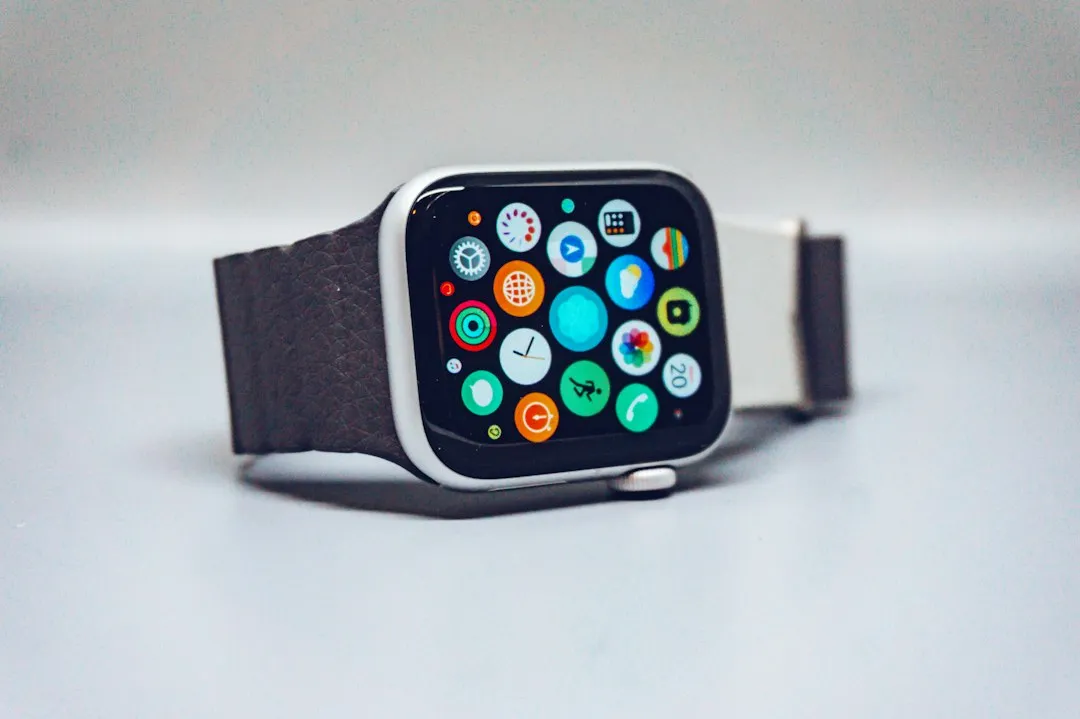
The update also introduces "Notification Forwarding" capabilities for third-party wearables, though with important operational constraints as reported by 9to5Mac. This functionality allows iPhone notifications to reach non-Apple smartwatches, but operates under a single-device limitation—enabling notification forwarding to a third-party wearable means your Apple Watch loses notification access according to WebProNews.
Additionally, the update brings AirPods-style fast pairing to third-party earbuds, extending Apple's signature proximity-based connection experience beyond its own hardware as noted by TechRadar. This development could level the playing field for audio manufacturers who have long struggled to match the seamless pairing experience that makes AirPods so appealing.
The EU factor: regulatory compliance driving innovation
The regulatory context behind these changes reveals a more complex story than typical product evolution. These modifications stem directly from the EU's Digital Markets Act requirements rather than voluntary Apple initiatives according to WebProNews. The European Commission has been explicit about attributing these developments to its regulatory framework, emphasizing that the DMA is designed to foster a more dynamic market environment according to the same source.
This regulatory influence explains the geographic limitations accompanying many features. The notification forwarding and enhanced third-party device support are restricted to European Union users as noted by TechRadar, creating a fragmented user experience where regulatory jurisdiction determines feature availability.
The DMA, passed in November 2022, represents a fundamental challenge to how big tech companies maintain closed ecosystems according to TechRadar. EU officials have praised these changes as "another step towards a more interconnected digital ecosystem to the benefit of all EU citizens" as reported by the same source, while the Commission has celebrated Apple's embrace of interoperability as creating opportunities for "new innovative products and services" according to WebProNews.
Beyond the headlines: smaller improvements that matter
While interoperability features capture headlines, iOS 26.3 includes interface refinements that enhance daily user experience. Apple has reorganized the wallpaper selection interface, separating Weather and Astronomy wallpapers into distinct categories according to 9to5Mac. The Weather section now showcases three pre-designed wallpapers featuring different fonts and weather widgets as detailed by MacRumors, providing users with clearer customization guidance and better Lock Screen organization.
Behind the interface improvements, more substantial technical changes are taking shape. The update enables third-party devices to leverage iPhone's proximity sensors for quick connections according to WebProNews, with developers already testing capabilities for TVs and smart home devices as reported by the same source. Apple has also streamlined default app selection processes according to WebProNews, though the full implications of these changes remain unclear.
The notification forwarding feature operates through a new AccessoryNotifications public framework, which isn't yet documented on Apple's Developer portal since no iOS 26.3 SDK has been released according to 9to5Mac. This technical detail suggests Apple is still refining how third-party developers will integrate with these new capabilities, indicating the complexity of implementing true cross-platform compatibility within traditionally closed systems.
Timeline and testing: what comes next
Bottom line: iOS 26.3 represents a lighter update compared to previous releases, with its development timeline shaped by the holiday period as noted by MacRumors. The next beta iteration isn't expected until early 2026 according to 9to5Mac, making the current public beta likely the last before the holiday break.
Apple is targeting a late January release for the final version as reported by multiple sources including 9to5Mac, though the extended development timeline reflects broader challenges in implementing regulatory compliance features. Testing these interoperability capabilities will require considerable time, with functionality potentially rolling out throughout 2026 as noted by TechRadar.
For users eager to test these features, public beta participation requires only a simple signup on Apple's beta site according to MacRumors. However, the true test will come as manufacturers begin integrating with Apple's new frameworks and as real-world usage reveals how well these regulatory-driven changes work in practice.
Looking ahead, iOS 26.4 is expected to introduce a significantly upgraded version of Siri according to 9to5Mac, making iOS 26.3 potentially the final minor update before that major AI enhancement as noted by MacWorld.
What this means for the Apple ecosystem's future
iOS 26.3 marks a pivotal moment for Apple's ecosystem philosophy. While these changes stem from regulatory compliance rather than strategic vision, they signal a fundamental shift toward greater openness that could reshape mobile computing. The collaborative development of cross-platform transfer tools with Google as reported by 9to5Mac demonstrates how regulatory pressure can transform even the most competitive industry relationships.
For European users, this update unlocks previously impossible device combinations and workflows. The ability to use third-party smartwatches with full notification support or seamlessly pair non-Apple earbuds represents genuine expansion of user choice as detailed by TechRadar. These changes will create opportunities for manufacturers to compete on equal footing with Apple's own accessories, potentially spurring innovation across the broader ecosystem.
The implications extend beyond individual features. Apple's implementation of these regulatory requirements—with their inherent limitations and geographic restrictions—suggests a future where regulatory jurisdiction increasingly determines technological capability. While Apple maintains constraints like single-device notification forwarding according to MacRumors, the overall trajectory points toward increased flexibility and interoperability that could fundamentally reshape how we think about mobile ecosystems entirely.
The key takeaway is that iOS 26.3 represents more than a routine software update—it's a preview of how external regulatory forces are reshaping one of technology's most influential closed ecosystems. These changes will create markets for new innovative products and services according to EU statements reported by WebProNews, fundamentally altering the competitive landscape in ways that extend far beyond Apple's traditional boundaries.







Comments
Be the first, drop a comment!