



When Apple released the iOS 26.3 beta on December 15, 2025, it wasn't just another routine update packed with bug fixes and minor tweaks. The European Union is taking a victory lap, claiming credit for the latest iOS 26.3 features that enhance interoperability between Apple devices and third-party accessories. But is this really innovation through regulation, or just the latest chapter in an ongoing power struggle between Brussels and Cupertino? Let's break down what's actually happening here and what it means for users on both sides of the Atlantic.
The European Commission recently celebrated the interoperability improvements Apple is introducing in iOS 26.3, crediting the Digital Markets Act with creating new opportunities for European users and developers. Apple released the first iOS 26.3 beta this week, bringing significant changes focused on interoperability between iPhone and Android devices, as well as enhanced support for third-party smartwatches. The DMA mandates that Apple must provide third-party accessories with the same capabilities and access to device features that Apple's own products receive.
What's actually changing in iOS 26.3?
Here's what you need to know about the concrete changes coming to your iPhone. In iOS 26.3, EU wearable device manufacturers can now test proximity pairing and improved notifications, bringing third-party devices closer to the seamless experience Apple users expect from their ecosystem. This represents a fundamental shift in how non-Apple accessories can interact with iOS devices—one that could reshape the entire wearable market.
The pairing process is getting a major overhaul. Third-party earbuds will be able to pair with iOS devices using an AirPods-like process by simply bringing the accessory close to an iPhone or iPad for one-tap pairing. If you've ever experienced the magic of AirPods automatically connecting when you open the case, you'll understand why this is significant—it's that same effortless experience, but now available to Samsung Galaxy Buds, Sony headphones, and other manufacturers who have long struggled to match Apple's ecosystem integration.
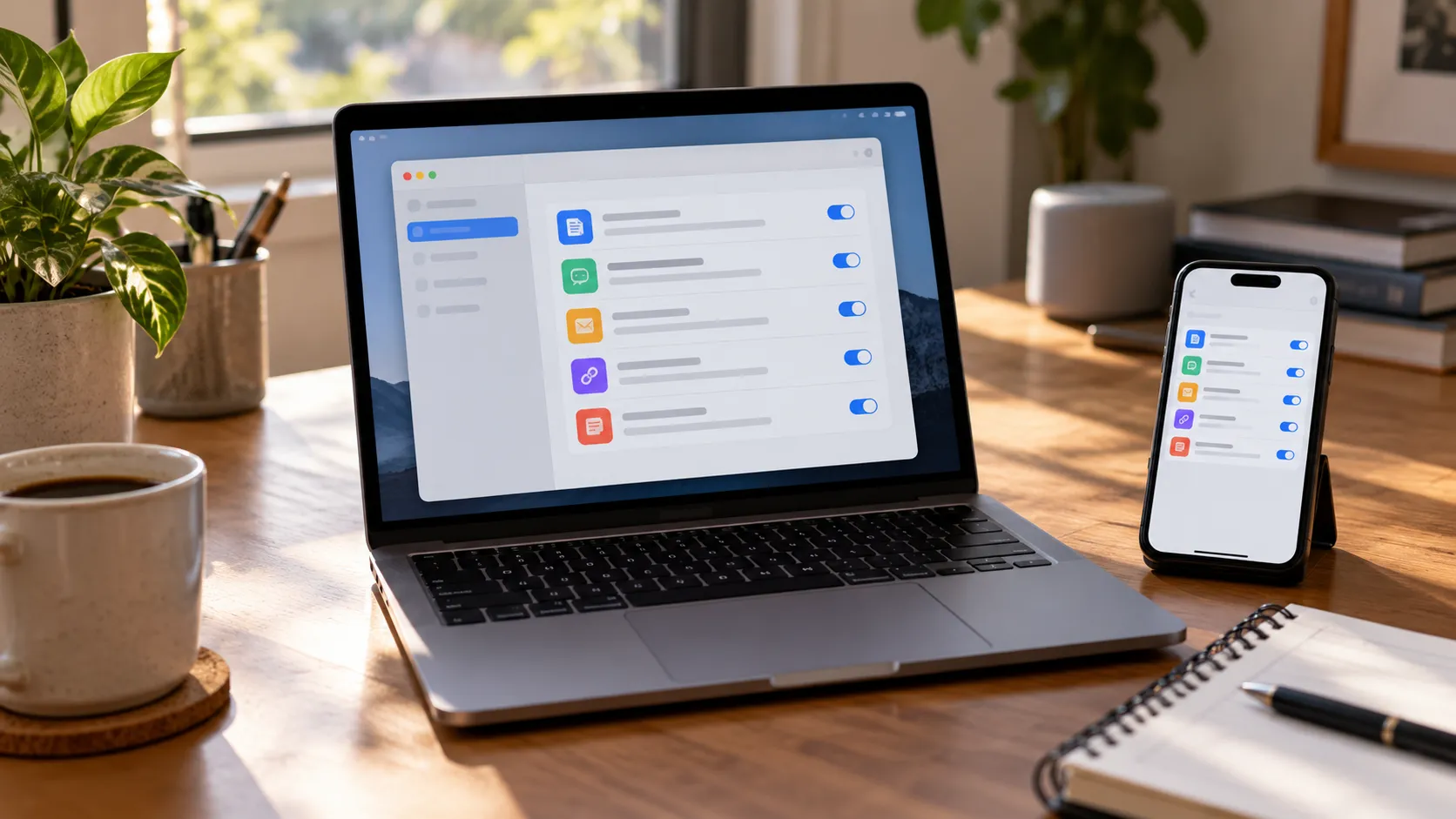
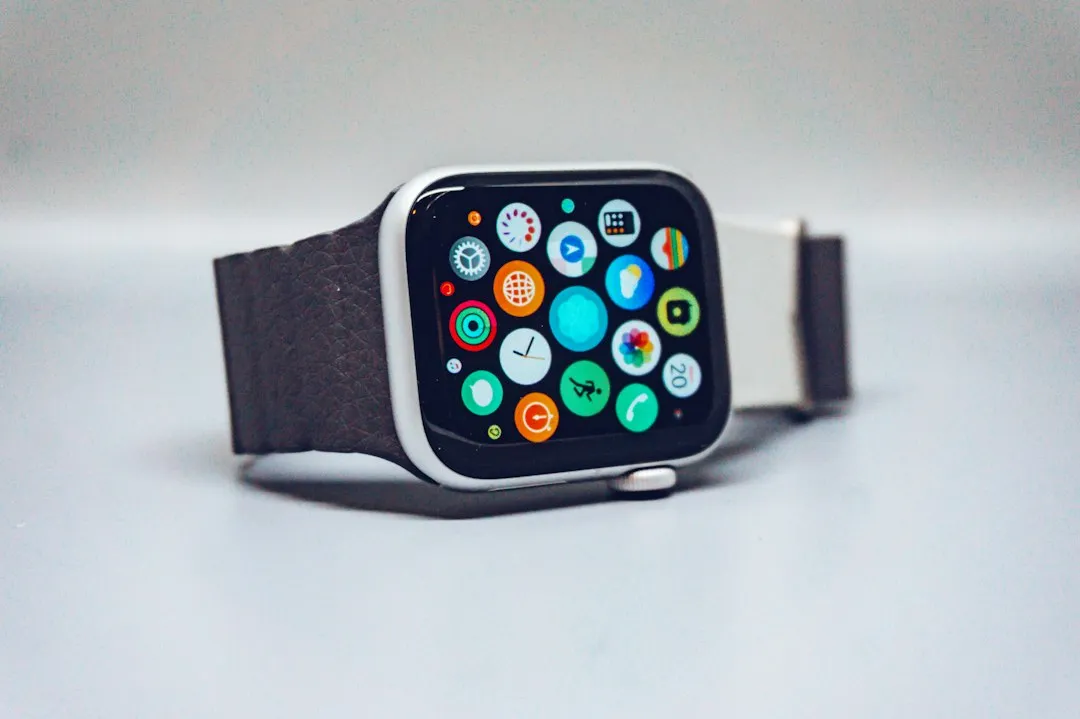
The notification forwarding system represents perhaps the biggest shift in Apple's traditionally closed ecosystem. Third-party accessories like smartwatches will now receive notifications from the iPhone, allowing users to view and react to incoming notifications—functionality that was previously limited to the Apple Watch. Imagine being able to see your text messages, email alerts, and app notifications on your Garmin watch or Fitbit, just like you would on an Apple Watch.
However, there's a strategic limitation Apple has built into this system: notifications can only be forwarded to one device at a time, meaning enabling this feature for a third-party device will disable notifications to your Apple Watch. It's an either-or proposition that seems carefully designed to encourage users to stick with Apple's own ecosystem rather than truly embracing cross-platform compatibility.
The update also introduces a comprehensive "Transfer to Android" system, built in cooperation with Google and third-party partners to simplify switching to Android. This system transfers phone numbers to new devices and makes switching platforms significantly easier than it's ever been. The process handles contact migration, photo transfers, and basic app data movement, though Apple maintains strategic boundaries by noting that sensitive information like Health data and locked notes won't transfer as part of this process.
The EU's regulatory victory dance
The European Commission isn't shy about taking credit for these changes, and they have compelling reasons to celebrate. According to EU officials, iOS 26.3 represents another step towards a more interconnected digital ecosystem for all EU citizens. This isn't mere regulatory rhetoric—these changes represent concrete improvements that directly benefit consumers who want the freedom to mix and match devices from different manufacturers without sacrificing functionality.
What makes this particularly interesting is the collaborative engineering effort behind the scenes. The Commission has been vocal about how both the iPhone-Android switching improvements and third-party device integration are direct results of the DMA, which requires designated services to ensure effective data portability. These solutions emerged from extensive engineering work and collaboration between Apple and Google, along with intensive discussions with the Commission over the past two years.
While the European Commission takes credit for this collaboration, here's what's particularly significant: these features will be available worldwide, not just in the European Union. This global rollout suggests that once Apple builds these capabilities to satisfy EU requirements, it makes business sense to deploy them everywhere rather than maintain separate, more restrictive versions of iOS for different markets.
The broader context is crucial to understand. The DMA represents the most ambitious regulatory framework designed by the EU to rebalance forces in digital markets marked by strong network effects and ecosystem economies. Once designated as gatekeepers, companies like Apple are subject to structural obligations designed to prevent self-preferencing practices and ensure interoperability and data portability. In practical terms, the EU is saying that if you're big enough to control an entire ecosystem, you can't use that control to unfairly shut out competitors.
Apple's perspective: security versus openness
Apple hasn't been quietly accepting these changes, and their resistance reveals an important tension between openness and security that goes to the heart of modern tech ecosystem design. The company argues that obligations to open iOS amplify fraud risks and compromise operational security, threatening the technical integrity of its ecosystem. This conflict illustrates a broader regulatory dilemma about promoting competition without destabilizing ecosystems whose efficiency derives from tight integration and standardization.
The company has already made some controversial decisions that demonstrate just how seriously they take these security concerns. Rather than comply with all EU requirements, Apple disabled Wi-Fi synchronization between iPhone and Apple Watch in Europe, choosing to remove functionality entirely rather than open it to third-party accessories. Starting with iOS 26.2, new Apple Watches in the EU won't automatically sync Wi-Fi networks from paired iPhones during setup.
This wasn't a rash decision. Apple's privacy concerns become particularly evident when you understand their approach to Wi-Fi sharing. The company emphasizes that Wi-Fi sharing between iPhone and Apple Watch is completely private, with Apple having no access to Wi-Fi names or passwords. The entire process is handled device-to-device using encrypted communication that even Apple can't intercept.
The problem, from Apple's perspective, is that there's no mechanism to ensure third parties keep Wi-Fi data private, leading Apple to opt for this restrictive approach in the EU. Think about what this data reveals: your Wi-Fi networks create a detailed map of where you've been—your home, your office, your favorite coffee shop, your doctor's office, your friend's house. That's incredibly sensitive location data, and Apple would rather disable a convenient feature entirely than risk that information falling into the wrong hands through third-party accessories that might not protect it as rigorously.
The cost of compliance for users
While the EU celebrates these changes as victories for competition, the reality for users reveals a more complex tradeoff than the victory headlines suggest. Several features have been delayed in the EU while Apple worked to make them DMA-compliant, creating a two-tiered experience where European users sometimes get Apple features months after the rest of the world—a frustrating irony for a region supposedly gaining more technological freedom.
The delays aren't trivial. iPhone Mirroring, which debuted over a year ago with iOS 18, remains unavailable in the EU due to compliance complexities. Apple Intelligence was delayed until iOS 18.4 in the EU while being available to most of the world in 18.1. These delays aren't arbitrary—they represent the real time and engineering effort required to rebuild features in ways that satisfy regulatory requirements while maintaining Apple's security standards.
The notification forwarding feature itself perfectly illustrates this complexity. The Notification Forwarding UI appears in iOS 26.3 builds worldwide, but the feature is currently enabled only EU users, highlighting that Apple is adding this feature primarily to relieve regulatory pressure rather than as a natural evolution of their platform strategy. The feature is built on a new AccessoryNotifications framework that isn't yet documented on Apple's Developer portal, suggesting it was developed specifically for compliance rather than as part of a broader, well-integrated platform vision.
PRO TIP: If you're an EU user considering whether to enable notification forwarding for a third-party device, carefully evaluate which device you use more frequently throughout the day. Remember that you'll lose Apple Watch notifications entirely—there's no way to have both working simultaneously, so choose based on your actual usage patterns rather than the novelty of the new feature.
Where do we go from here?
The relationship between the EU and major tech companies continues to evolve, marked by growing tensions over competition, digital security, and platform responsibility. This extends far beyond Apple—it's fundamentally about how we balance innovation, competition, and user protection in an increasingly connected world where platform decisions affect billions of users globally.
The Commission has been remarkably specific in their requirements, demonstrating a sophisticated understanding of technical implementation. They've detailed measures for iOS notifications, background execution, and automatic audio switching for third-party devices. These measures must be effective, proportionate, and made available with technical assistance, creating a framework that goes far beyond simple access requirements to address the practical realities of ecosystem integration.
The timeline ahead is ambitious. Developers can currently test third-party TVs, smartwatches, and headphones with the new iOS 26.3 features, with full availability expected in Europe by 2026. Meanwhile, the Commission has opened proceedings to specify additional measures for Apple's compliance with interoperability obligations, with measures subject to review in two years.
What makes this particularly fascinating is how this regulatory approach might influence the broader tech industry beyond Europe's borders. Other companies are watching closely to see whether forced interoperability leads to genuinely better user experiences or creates new security vulnerabilities and user confusion. The success or failure of the EU's approach with Apple will likely determine how other governments worldwide approach tech regulation, potentially setting precedents that reshape global technology development patterns.
Bottom line: While the EU positions these changes as innovation wins, the reality is more nuanced than either regulators or critics admit. European users are gaining enhanced interoperability and platform choice, but at the cost of delayed feature rollouts and potentially compromised privacy protections in some areas. The question isn't simply whether regulation can drive technological change—iOS 26.3 definitively proves it can—but whether the complex tradeoffs involved actually serve users' best interests in the long term.
As this unprecedented regulatory experiment continues, users worldwide will be watching to see whether forced openness truly leads to better technology experiences or simply creates new complications in an already complex digital landscape. The answer will likely determine not just how other governments approach tech regulation in the years ahead, but how the fundamental relationship between platform control and user benefit evolves in our increasingly connected world. iOS 26.3 isn't just a software update—it's a crucial test case that could reshape the future of digital competition policy globally.





Comments
Be the first, drop a comment!