



Reviewed by: Y. Garcia
Apple's code leaks are giving us an unprecedented peek behind the curtain, and what we're seeing for iOS 26.4 and iOS 27 is nothing short of fascinating. Recent discoveries from unreleased iOS 26 builds have revealed a treasure trove of upcoming features, spanning everything from long-awaited Siri upgrades to enhanced AirTag functionality. The leaked information points to Apple's ambitious roadmap extending into iOS 27, with major AI enhancements and ecosystem improvements on the horizon. Most intriguingly, internal code suggests the revamped Siri is targeted for spring 2026, and reporting says it will use Apple Intelligence with a custom Google Gemini model for some capabilities, marking a pivotal moment in Apple's intelligence strategy.
After covering Apple's software evolution for years, I can tell you that these leaks reveal more than just feature lists—they show a company finally ready to deliver on promises that have been years in the making.
What's coming in iOS 26.4: The spring 2026 milestone
Spring 2026 is shaping up to be a major turning point for Apple's ecosystem, and honestly, I think this could be the most significant iOS update we've seen in years. The company is targeting iOS 26.4 for a spring 2026 release, with compatible iPhone models potentially receiving updates around March or April.
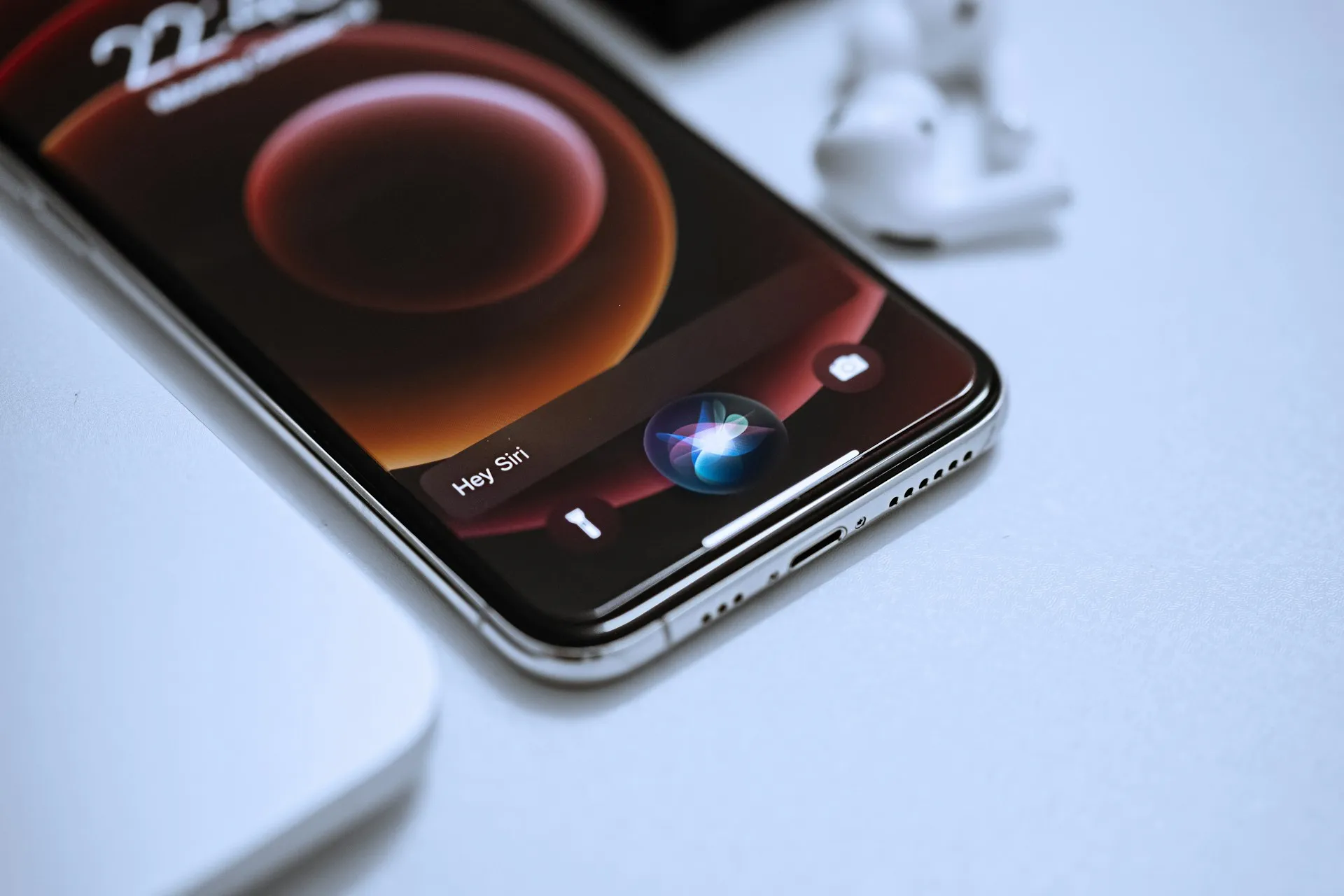
The centerpiece of this update will be Siri's long-awaited AI transformation, adding more personalized capabilities such as personal context and deeper app integration. Now, I've been testing Siri for years, encountering countless frustrating moments where I'd ask a follow-up question only to have Siri respond with "I don't know what you're referring to." Imagine asking about your upcoming trip to Japan, then following up with "What's the weather like there?" and actually getting a relevant response. This contextual awareness addresses one of Siri's most fundamental limitations and could finally make conversational AI feel natural on Apple devices.
Beyond Siri, iOS 26.4 is bringing some practical improvements that'll make daily usage smoother. The update will introduce enhanced security measures for Apple Account and iCloud access, ensuring device integrity before login. This means Apple is tightening the security screws even further—a move that's both necessary and welcome in today's threat landscape where account takeovers and device spoofing attacks are increasingly sophisticated.
PRO TIP: One of the most useful additions will be how third-party app credit cards will integrate seamlessly with iCloud Keychain. If you've ever struggled with managing payment methods across different apps—manually entering card details for each new subscription service or shopping app—this streamlined payment management across the ecosystem is going to eliminate those tedious moments entirely.
iOS 27: Where Apple Intelligence truly takes flight
Looking ahead to iOS 27, Apple's vision becomes even more ambitious. The update will emphasize quality improvements and underlying performance enhancements, with engineers systematically eliminating bloat and fixing bugs throughout the operating system. This approach reminds me of macOS Snow Leopard—remember that? Sometimes the best updates are the ones that make everything you already do work better rather than cramming in flashy new features. What makes this strategy particularly smart for Apple right now is that it creates a stable foundation for the AI features they're building on top, ensuring that enhanced intelligence doesn't come at the cost of basic reliability.
However, the real excitement lies in the AI developments. The leak specifically points to iOS 27 work on improved photo collections in Photos and under-the-hood improvements to the AirPods pairing process. The Siri redesign is particularly intriguing—early reports suggest it might become more animated, possibly similar to the Mac Finder logo animation. It's a small detail, but visual polish matters when you're interacting with an assistant dozens of times a day, and it signals Apple's confidence in Siri's improved capabilities.
The Photos app will receive enhanced collections powered by new intelligence features, while Freeform will finally gain folder organization capabilities. That Freeform update might seem minor, but if you've ever tried to find a specific board among dozens of them, you'll understand why this is long overdue.
Perhaps most significantly, Apple is developing support for foldable iPhone interfaces, preparing for hardware that could debut alongside the software. Rumors suggest the foldable iPhone will feature a 5.5-inch display when folded and a 7.8-inch display when opened—and iOS 27 will be ready for it. This suggests Apple's timeline is more aggressive than many anticipated, with the company confident enough in their foldable technology to build software support well in advance.
Hardware integration and ecosystem expansion
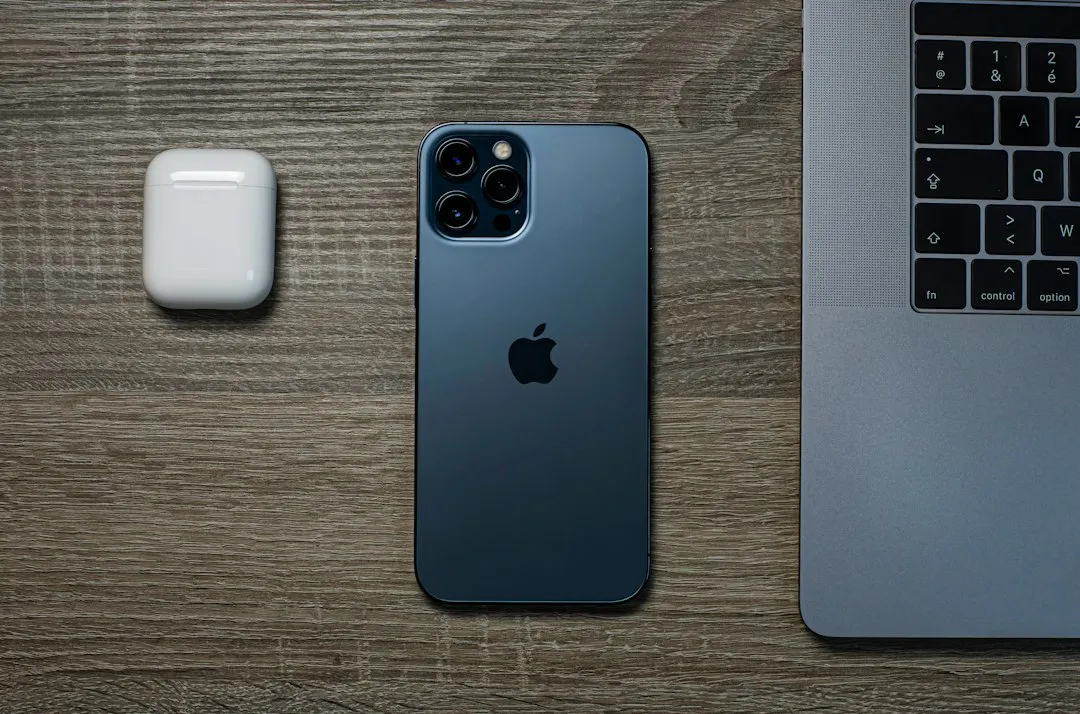
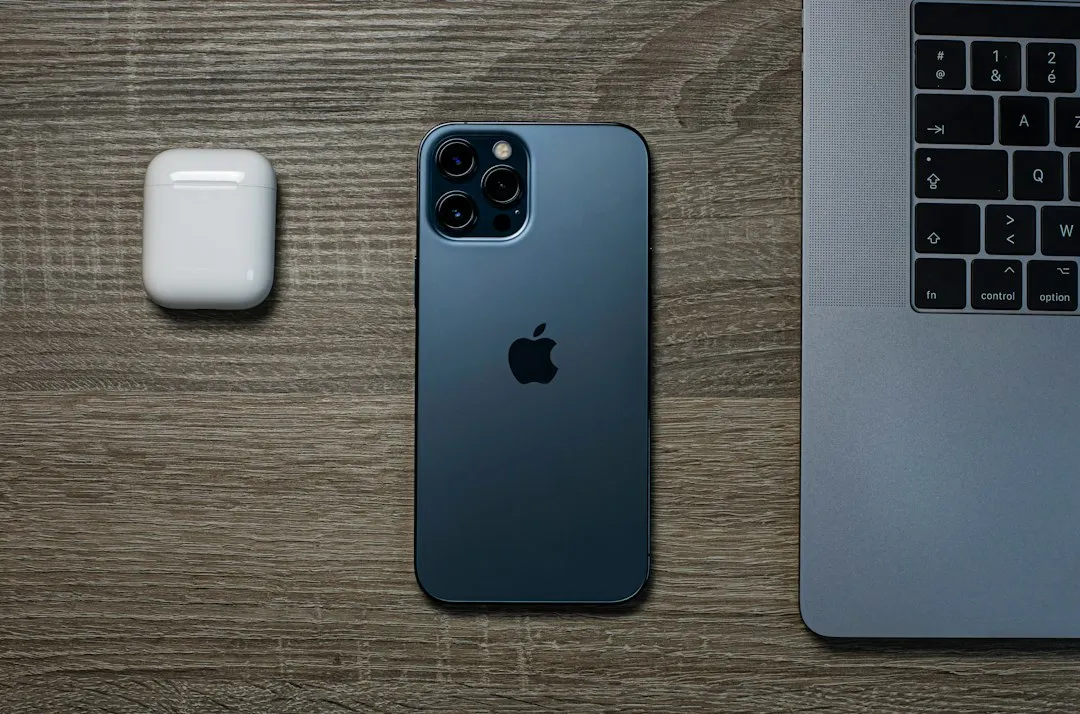
The leaked code reveals Apple's broader hardware strategy coming to fruition, and it's clear they're thinking about the entire ecosystem, not just software updates. AirTag 2 functionality is deeply integrated into the upcoming updates, while AirPods will benefit from a completely new pairing system. If you've ever struggled with AirPods that won't pair properly—showing up as connected but refusing to play audio, or constantly switching between devices unexpectedly—this redesigned pairing system can't come soon enough.
The Find My network is getting smarter too, with precise outdoor location features potentially exclusive to AirPods Pro 3. This suggests Apple is creating feature tiers across their hardware lineup—premium features for premium products. It's a strategy that makes business sense and drives upgrade cycles, though it might frustrate users who feel their perfectly functional older devices are being artificially limited.
Apple's Studio Display is receiving three significant upgrades, though specific details remain under wraps. Based on user feedback since launch, these upgrades likely address the original display's limitations around webcam quality, audio performance, or connectivity options—areas where Apple's initial execution didn't quite match their premium positioning.
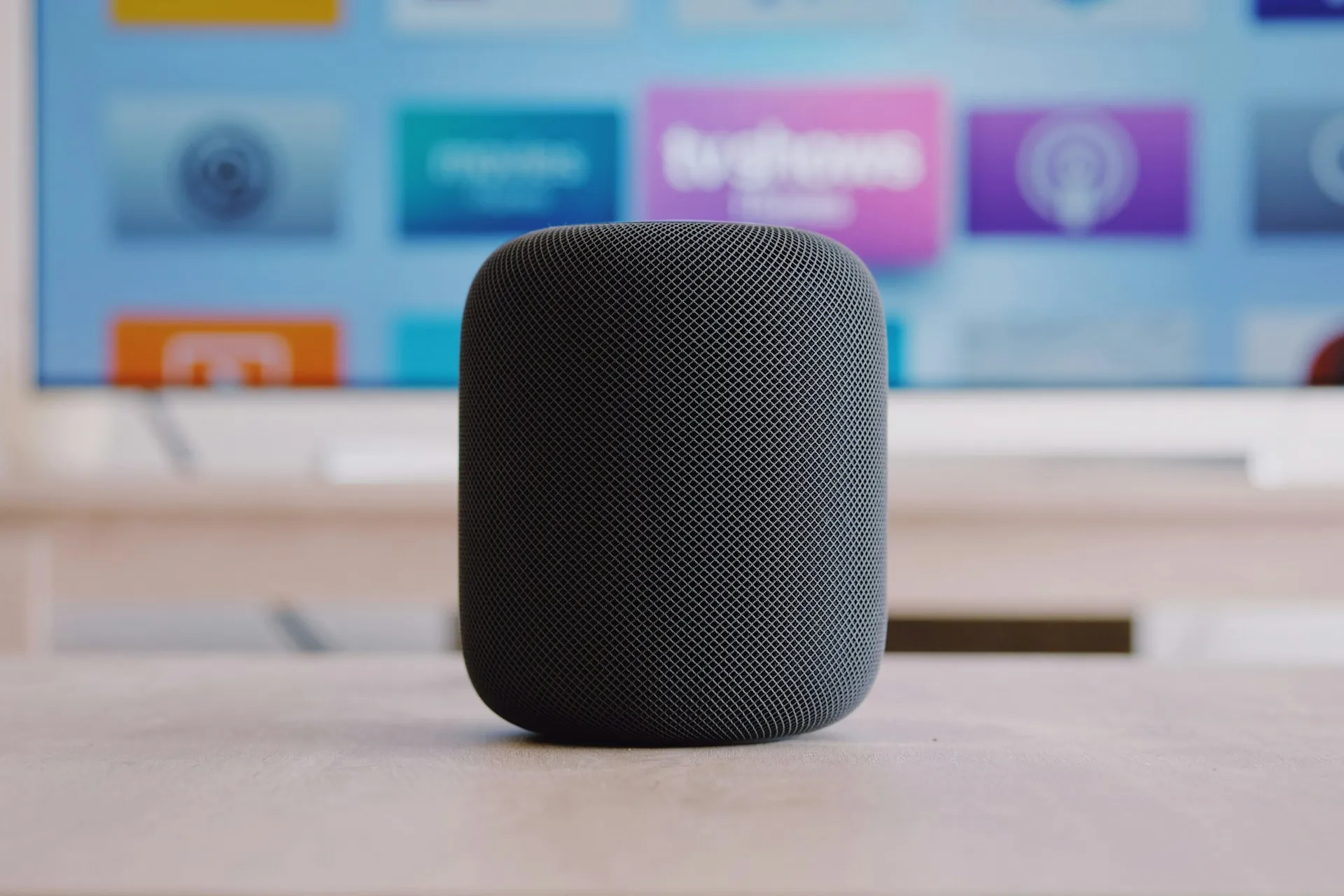
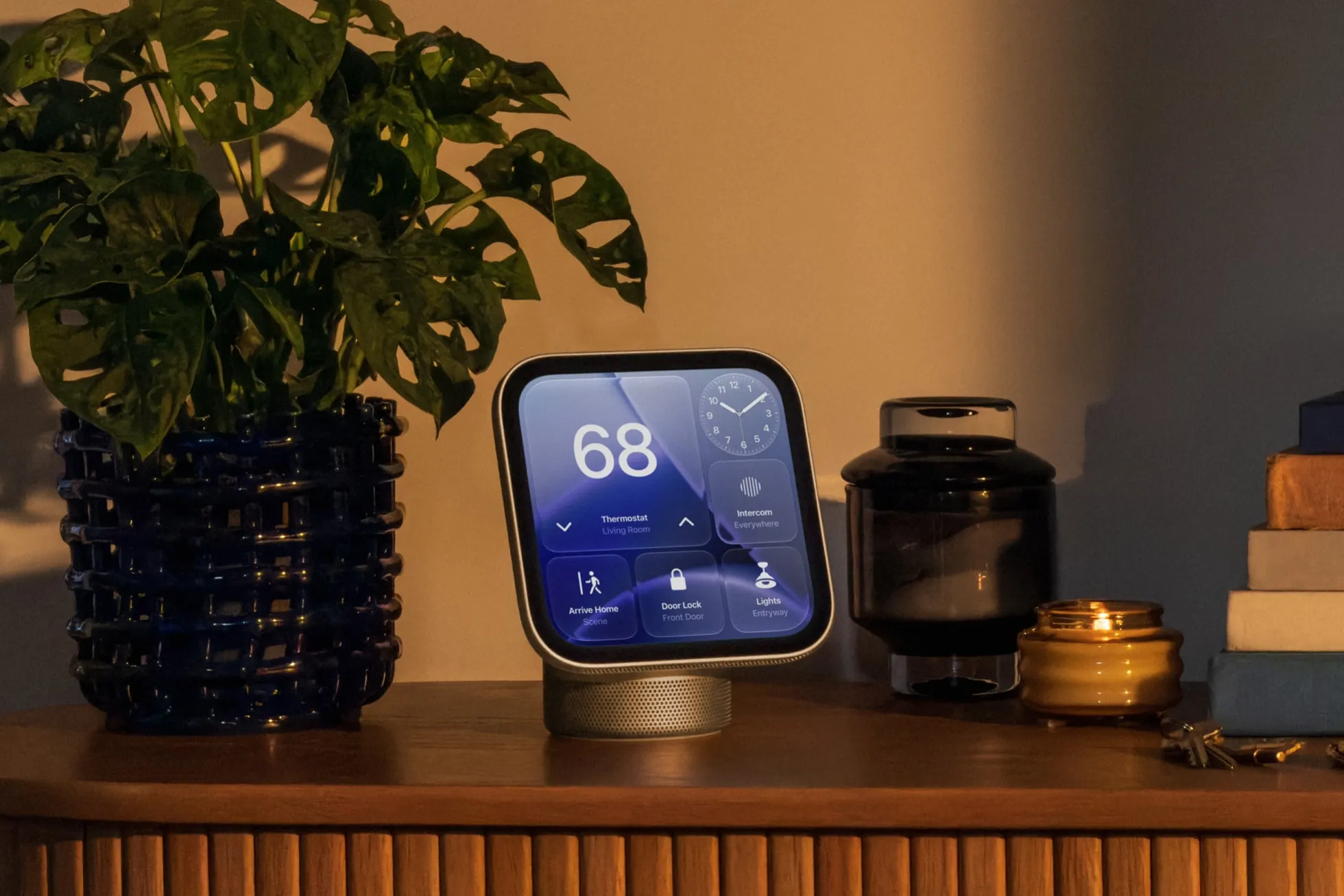
Most notably, the AI-powered Siri will extend beyond iPhones to smart home devices, starting with the new HomePod. This creates a more cohesive intelligent home experience, which is exactly what Apple's home strategy has been missing. Imagine having the same contextually aware Siri across all your devices—that's the kind of ecosystem integration Apple does best, and it could finally give them a competitive edge against Google's Assistant-powered home products.
Health and wellness take center stage
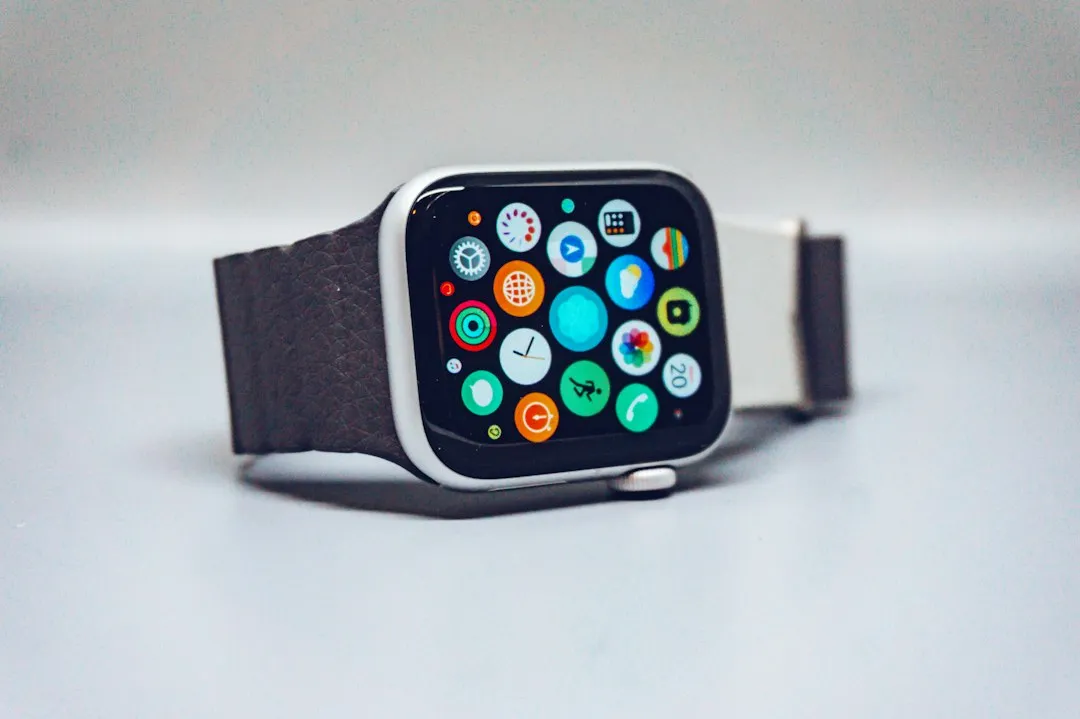
Apple's health ambitions are becoming clearer through these leaks, and it's evident they're positioning health as a major differentiator for their platform. iOS 28 will introduce enhanced sleep tracking metrics, including detailed time-in-bed analysis for Apple Watch users. This level of granular sleep data could be incredibly valuable for understanding sleep patterns beyond just basic duration—analyzing sleep quality, consistency, and how different factors affect your rest.
Even more significantly, the Health app is finally coming to Mac with macOS 28, creating cross-platform health data accessibility. As someone who's always wished I could view my health data on a larger screen for better analysis—especially for tracking long-term trends or sharing information with healthcare providers—this feels like a natural evolution that's been years in the making.
The current Health app is receiving a complete redesign with simplified metric logging and new category layouts. If you've ever found the Health app's interface confusing—trying to figure out where to log specific metrics or struggling to navigate between different health categories—this redesign could make it actually useful for everyday health tracking rather than just a data repository.
Apple is also developing a paid Health+ service that could offer personalized nutrition planning and medical suggestions, potentially launching with iOS 27. This represents Apple's most comprehensive approach to health technology yet, spanning hardware, software, and services. The subscription model makes sense from both a business and technical perspective—personalized health insights require significant backend processing power, AI model training, and access to medical expertise that justify ongoing service fees rather than one-time purchases.
The bigger picture: Apple's AI strategy unfolds
What makes these leaks particularly compelling is how they reveal Apple's methodical approach to artificial intelligence. The company is focusing on privacy-first AI implementation, with most processing happening on-device or through secure Private Cloud Compute. This isn't just marketing speak—Apple's commitment to processing data locally wherever possible sets them apart from competitors who rely heavily on cloud-based AI, and it addresses the growing concern about AI systems constantly transmitting personal data to remote servers for analysis.
Interestingly, Apple has partnered with Google to power Siri's advanced capabilities, leveraging Google's impressive Gemini 3 model while maintaining Apple's privacy standards. The key differentiator here is that Apple processes Google's AI through their Private Cloud Compute infrastructure, with reporting indicating the Gemini model would run on Apple's Private Cloud Compute servers, rather than sending requests to Google's infrastructure.
The rollout timeline is strategic too: iOS 27 will be previewed at WWDC in June 2026 before launching in September alongside new iPhone models. This gives developers months to prepare their apps for the new AI capabilities and ecosystem integrations, while also allowing Apple to refine features based on developer and beta user feedback.
Bottom line: These revelations suggest Apple isn't just catching up in the AI race—they're positioning themselves to lead with a distinctly Apple approach that prioritizes user privacy and seamless ecosystem integration over flashy but potentially invasive features. What sets Apple apart here is their focus on AI that enhances existing workflows rather than replacing them, creating intelligence that feels genuinely helpful rather than intrusive. The leaked code points to a company that's finally ready to deliver on the AI promises they've been making for years, and honestly, that's pretty exciting to see.







Comments
Be the first, drop a comment!