



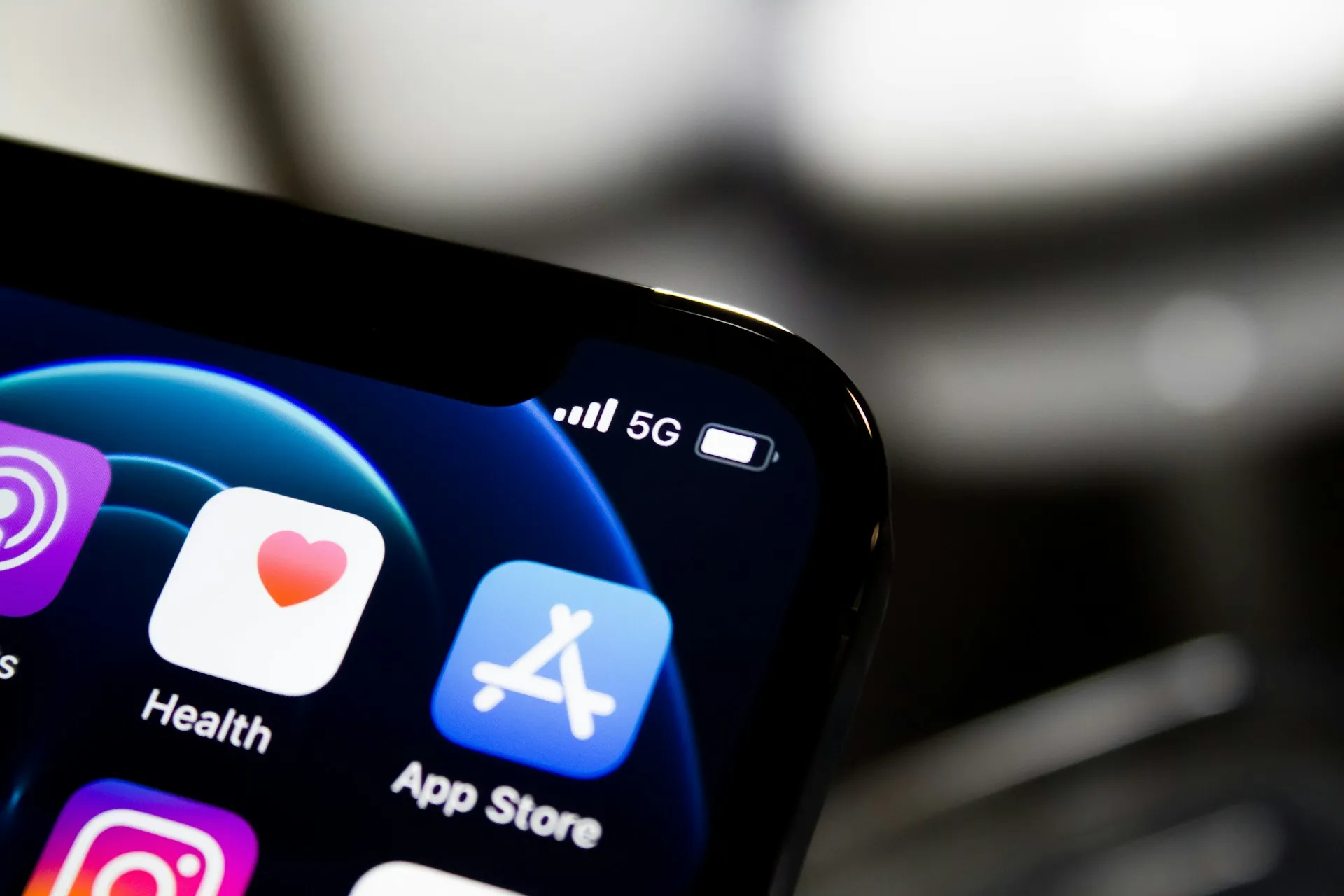
iOS 26.5 appears to add a new "App Installation" setting for Brazilian iPhone users, visible today under Settings > Apps, designed to let them select a preferred app marketplace outside the App Store. Current reports show it listing only the App Store. The infrastructure for iOS 26.5 alternative app marketplaces in Brazil is in place; the actual alternatives are not.
This is a compliance milestone, not a product launch. The setting exists because Brazil's competition authority, CADE, signed a legally binding settlement with Apple in December 2025, requiring the company to open iOS to alternative app distribution and third-party payment options. Noncompliance can trigger fines totaling up to BRL 150 million, according to CADE.
What iOS 26.5 alternative app marketplaces in Brazil actually add today
The new "App Installation" entry sits in Settings > Apps alongside existing controls for default browsers, email clients, and contactless payment apps. The placement is deliberate. When alternatives eventually appear, Brazilian users will pick a preferred marketplace the same way they already pick a default browser.
Two weeks ago, the iOS 26.5 release candidate showed Brazil listed in Apple's system code alongside the EU and Japan as a region where alternative distribution is supported at the system level. Even then, installing anything from outside the App Store was impossible. The full iOS 26.5 release confirms the setting is live on Brazilian devices, but Apple has not said when any alternative marketplace will actually appear as a choice.
One distinction worth making: the settlement does not require Apple to allow direct web-based app installation. The agreement mandates support for alternative app marketplaces, meaning vetted third-party stores operating within Apple's framework. Truth on the Market's analysis of the settlement is explicit on this point. Headlines using "sideloading" are using the term loosely.
Why the setting exists: the CADE settlement
The case traces back to 2022, when MercadoLibre, Latin America's leading e-commerce and marketplace platform, filed a complaint accusing Apple of abusing its control over iOS app distribution and payments in Brazil and Mexico.
The settlement date has been reported inconsistently across sources. CADE's own official announcement states the agreement was signed on December 23, while Truth on the Market and the International Center for Law & Economics place it on December 29. The formal CADE announcement gives December 23 as the signing date; the later date may reflect when the agreement became effective or was published. Either way, Apple had 105 days to implement the required changes, which by either date puts the implementation deadline in early-to-mid April 2026, roughly five to six weeks before the iOS 26.5 release.
The agreement, formally a Termo de Compromisso de Cessação, carries three primary obligations, binding for three years. Apple must permit alternative app marketplaces on iOS. Developers must be allowed to integrate third-party payment processors directly into their apps. And the anti-steering restrictions that had prevented developers from directing users toward external purchase options must come down. Notably, developers are required to display alternative payment methods side-by-side with Apple's own option, per CADE's announcement. That last requirement has direct, visible consequences for how apps will look to Brazilian users once it takes effect.
CADE suspended the investigation when the agreement was signed and will close it once Apple completes implementation. Total noncompliance triggers fines of up to BRL 150 million and reopens the case.
Apple's public posture on all this is worth noting as a reported fact, not editorial commentary. In a statement, the company said the CADE-mandated changes "will open new privacy and security risks to users" but that it has worked to maintain safeguards, including protections for younger users. That framing tracks closely with Apple's language when the EU's Digital Markets Act forced a similar opening.
What Apple keeps: fees, notarization, and the shape of the opening
The settlement opens distribution and payment choices. It does not eliminate Apple's review layer on what software can run, and it preserves several revenue streams.
Standard App Store commissions can still reach 30% for many developers, broken down as 25% for distribution and 5% for Apple's in-app purchase system, according to Truth on the Market. For apps distributed through approved alternative marketplaces, reports describe a 5% commission structure for approved alternative marketplaces. That's a significant reduction from the standard rate, which creates a real financial incentive for developers to explore third-party distribution if credible alternatives emerge in Brazil.
The fee picture for externally linked transactions is less settled. Truth on the Market's analysis of the agreement identifies an additional 15% commission Apple may charge on transactions initiated on iOS but completed on external websites. That figure appears in the legal analysis but not in 9to5Mac's consumer-facing coverage, so treat it as a reported term of the agreement rather than confirmed practice.
What is unambiguously clear: Apple retains the right to notarize all apps distributed through alternative stores. The settlement language describes this as a mechanism "to mitigate the risk of such Applications compromising the integrity, privacy, security, and protection of consumers' devices." No alternative marketplace can bypass Apple's review infrastructure. The commercial arrangement changes; the gate does not disappear.
What has to happen before any of this matters
The App Installation picker is live, but according to experts, Apple likely still needs to flip additional switches on its end before any alternative marketplace can appear as an option. That has not happened as of today's release, and Apple has not said when it will.
No alternative marketplace for Brazil has been publicly announced. The anti-steering and in-app payment changes that CADE requires have not yet visibly appeared inside Brazilian-market apps. Those are the concrete events that will determine whether today's setting becomes a real choice or remains a placeholder.
Brazil now joins the EU in Apple's system code as supporting alternative distribution, with Japan appearing in related regional framework references. CADE accomplished through antitrust enforcement what Brazil's legislature is still working toward separately: Bill 4.675/2025, a DMA-modeled proposal that would impose ongoing obligations on firms with systemic market relevance, remains under congressional debate.
The signals worth watching: the first alternative marketplace announced for Brazil; updated developer program terms covering Brazil's fee structure; anti-steering changes appearing inside Brazilian apps; and whether Apple makes any public statement about when the App Installation picker will offer more than one option. Until those events happen, Brazilian iPhone users have a new setting and nothing to put in it.





Comments
Be the first, drop a comment!