



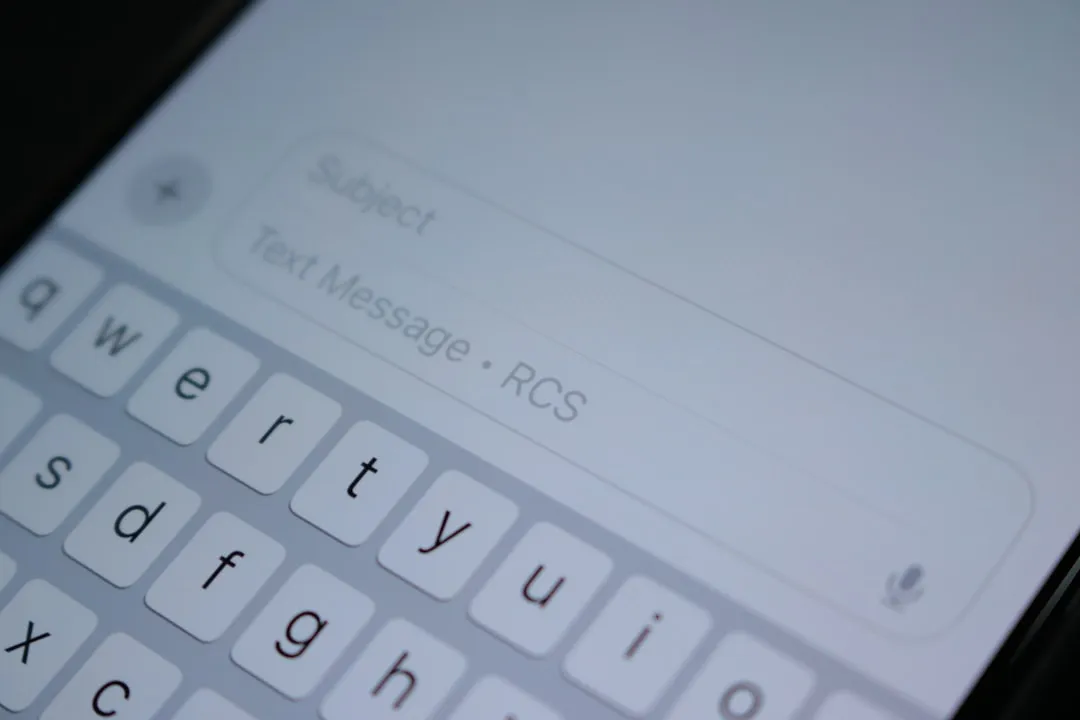
iOS 26.5 Beta RCS End-to-End Encryption: Status and Limits
Cross-platform RCS end-to-end encryption is active in the iOS 26.5 beta. iPhone users running the beta can exchange encrypted messages with Android users on the latest Google Messages, and the lock icon to confirm it actually works. What Apple hasn't done is set a public release date, and the feature has now moved through multiple beta cycles without shipping. That's not a red flag; it's how Apple handles security features before they reach hundreds of millions of devices.
The gap this closes is a real one. Before this change, a text sent from an iPhone to an Android phone traveled unencrypted, readable by carriers and anyone else in the routing chain. iMessage has encrypted iPhone-to-iPhone conversations since its introduction, per Ars Technica, and Google Messages has done the same for Android-to-Android RCS chats for years. The cross-platform gap was the stubborn exception. Once this ships, iOS 26.5 beta RCS end-to-end encryption will bring green-bubble threads to the same baseline protection blue-bubble ones have always had.
Apple and Google began cross-platform testing together in iOS 26.4 beta 2 in February 2026, according to MacRumors. Apple's developer release notes for that cycle confirmed the feature won't ship in iOS 26.4, with general availability planned for a later iOS, iPadOS, macOS, and watchOS 26 release. Testing is now continuing into iOS 26.5.
RCS end-to-end encryption iPhone to Android: what's active in beta
The current state comes down to three points: it works in testing, it isn't available to everyone, and it won't reach the general public until a later 26.x release.
The requirements are straightforward. iPhone users need the iOS 26.5 beta installed. Android users need the latest version of Google Messages. When both conditions are met and the user's carrier supports the feature, a lock icon appears on the conversation confirming encryption is active, as MacRumors reported in February 2026. No separate opt-in is required. The Settings toggle enabling encrypted RCS is on by default for supported devices and carriers.
The lock icon is the only reliable confirmation that a given conversation is encrypted. Users who don't see it should assume their messages are not protected, regardless of what software version they're running.
The constraints worth knowing:
- Not all carriers or devices support encrypted RCS during the beta
- Apple's rollout within the developer beta is gradual, so even eligible users may not see the feature immediately, per Apple's developer release notes as reported by MacRumors
- Apple has stated that most RCS-supporting carriers should also support RCS E2EE, per MacRumors, but "most" leaves room for exceptions
One detail about how the testing has progressed: when Apple introduced encrypted RCS in iOS 26.4 beta 1, the scope was limited to Apple-device conversations with iMessage manually disabled. That wasn't actual cross-platform testing, according to MacRumors. Real iPhone-to-Android encrypted messaging didn't begin until beta 2. That staged approach reflects the complexity of synchronizing two separate client ecosystems under a shared standard, and it goes some way toward explaining why the feature is still working through betas rather than shipping.
The standard doing the work: why this is bigger than one Apple feature
Apple didn't build this in isolation, and that matters for how durable the feature will be.
The encryption runs on RCS Universal Profile 3.0, a new GSMA specification that Apple helped develop. It upgrades from Profile 2.4, which Apple currently ships, and introduces E2EE based on the Messaging Layer Security protocol, an IETF standard finalized in 2023. The GSMA published the updated spec in March 2025, per the GSMA Newsroom, and characterized RCS as positioned to become the first large-scale messaging service with interoperable E2EE across client implementations from different companies. Not just Apple and Google. Any provider implementing the standard.
MLS solves the problem that made cross-platform encryption impractical before: how to generate, exchange, and rotate cryptographic keys between clients from entirely different providers. The specification defines how key delivery services from different providers interact, so an iPhone and an Android device can establish a shared encrypted session without either company controlling the other's keys, per the GSMA's RCS E2EE technical specification. Clients are also required to update their certificates in active conversations at least every 30 days. That's a production-grade requirement, not a prototype detail.
Because this is a standards-based implementation rather than a bilateral arrangement between two companies, the architecture is designed to hold across software updates, carrier transitions, and new device generations. That's a meaningful distinction from a proprietary feature either party could quietly degrade or walk back.
Universal Profile 3.0 also adds message editing, deletion, and inline replies for cross-platform iPhone-Android threads, per MacRumors. Those are useful, but they're convenience features. Encryption is the one that closes a genuine security gap.
What encryption protects and what it doesn't
When the feature ships and that lock icon appears, the protection is specific. Encrypted RCS conversations are designed so message contents can't be read in transit by providers in the routing path, as MacRumors described. The EFF's "Encrypt It Already" campaign, launched in January 2026, called on Apple and Google to deliver exactly this, describing E2EE as the strongest protection available for communications and one that ensures service providers cannot access message contents, per the EFF.
That's a real gain. But precision matters here.
Metadata, who you texted, when, and how often, falls outside the scope of content encryption. Carrier data practices, message backups, and what happens to messages once they're decrypted and stored on a device are all separate concerns that RCS E2EE doesn't address. For users with serious threat-model requirements, a dedicated app like Signal remains the stronger option. RCS encryption sets a floor, not a ceiling.
The practical checklist, for when this does ship: look for the lock icon, confirm both sides are on supported software and carriers, and treat encryption as conversation-specific rather than assumed across all RCS threads.
Timing and what the multi-beta testing signals
Apple's developer release notes for iOS 26.4 stated plainly that RCS E2EE would not ship in that release, with general availability coming in a future iOS, iPadOS, macOS, and watchOS 26 update, per MacRumors. The feature's continued presence in iOS 26.5 beta testing fits that pattern. Apple is running the implementation through multiple software cycles before exposing it to a consumer audience.
The GSMA spec, Apple's stated carrier compatibility expectations, and cross-platform testing now spanning multiple betas all point to an architecture that works. The remaining question is timing, not viability.
A few things worth carrying into the final release:
It's a standards-based change. Built on GSMA Universal Profile 3.0 and the MLS protocol with multi-industry input, it's designed to hold across carriers, device generations, and future software updates, per the GSMA Newsroom.
Availability will still be gated. Carrier and device compatibility constraints from the beta will carry into the public release in some form. The lock icon is the only reliable signal that a specific conversation is actually encrypted, according to MacRumors.
Content encryption is the gain; metadata and backup protections are separate problems. When this ships, iPhone-to-Android message contents will reach the same baseline protection iMessage has carried since its introduction, per Ars Technica. A genuine improvement for most users, and a starting point rather than a complete solution for those who need stronger guarantees.


Comments
Be the first, drop a comment!