



Apple is preparing to let iPhone, iPad, and Mac users choose from competing AI providers, including Anthropic's Claude and Google's Gemini, to handle tasks across Siri, Writing Tools, and Image Playground. The feature, internally called "Extensions," is reportedly slated for iOS 27, iPadOS 27, and macOS 27 in Fall 2026, with a formal announcement expected at WWDC on June 8, 2026, according to Bloomberg reporting summarized by 9to5Mac.
If the reported system launches as described, the choice would be real but bounded from the start. Google's Gemini already holds a privileged native position inside Apple Intelligence, backed by a multi-year partnership, a reported $1 billion annual payment, and Apple's stated plan to keep Apple Intelligence running on Apple devices and Private Cloud Compute. Claude and others would enter as user-selected additions layered on top of that foundation. Extensions adds optionality; it does not flatten the existing hierarchy.
How the Apple Intelligence Extensions feature would work
In test builds of iOS 27, Apple describes Extensions as a mechanism to "access generative AI capabilities from installed apps on demand, through Apple Intelligence features such as Siri, Writing Tools, Image Playground and more," per 9to5Mac, citing Bloomberg. The entry point is the App Store: providers like Google and Anthropic would add Extensions support to their existing apps, and users who have those apps installed could designate one as their preferred AI engine for system-level features.
That scope appears broader than Apple's existing ChatGPT integration, which 9to5Mac describes as a fallback for world-knowledge queries in Siri and as available through features such as Image Playground. Under Extensions, users could reportedly select a third-party model for generating text, editing text, and creating or editing images, covering the full range of generative tasks Apple Intelligence currently handles, according to 9to5Mac.
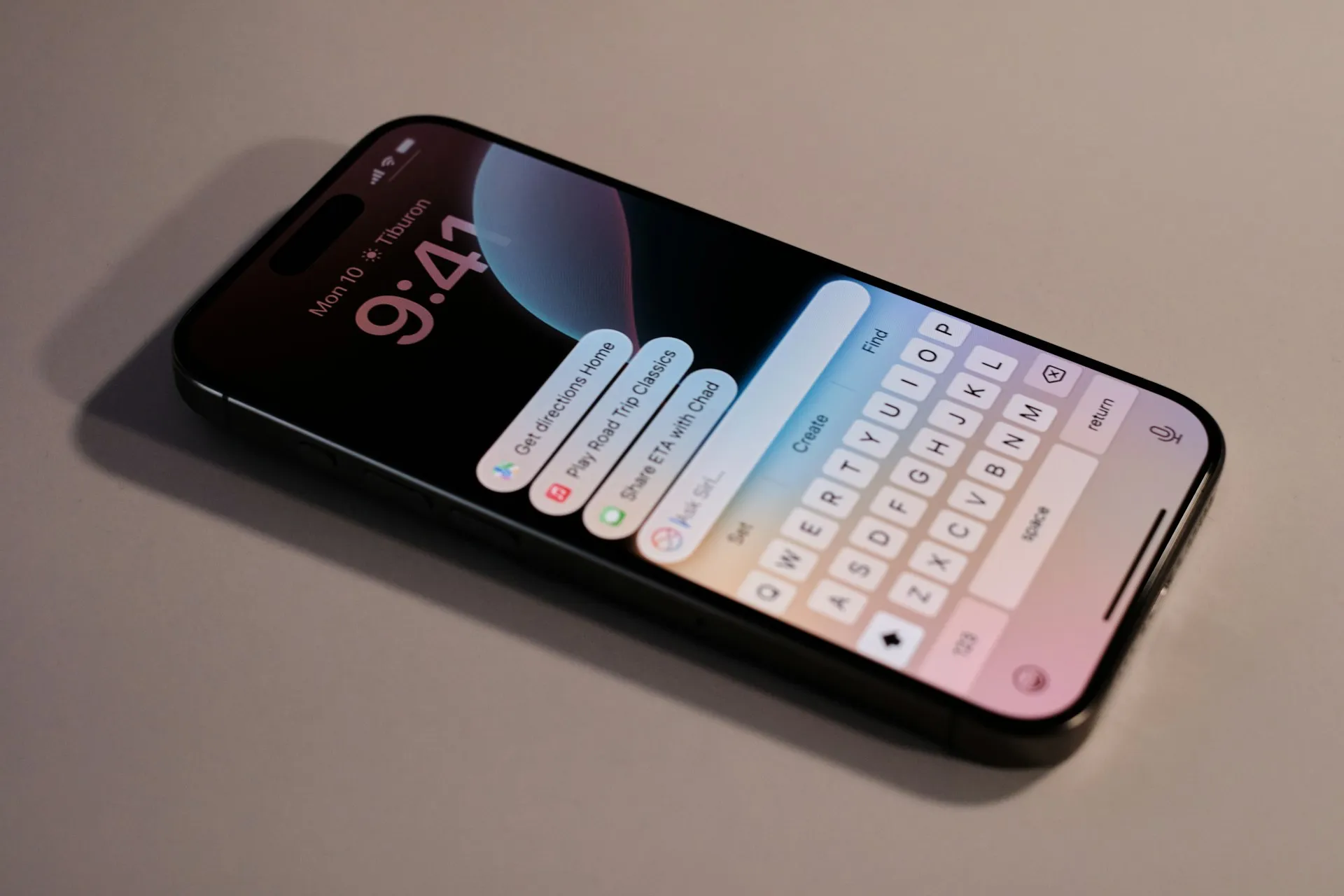
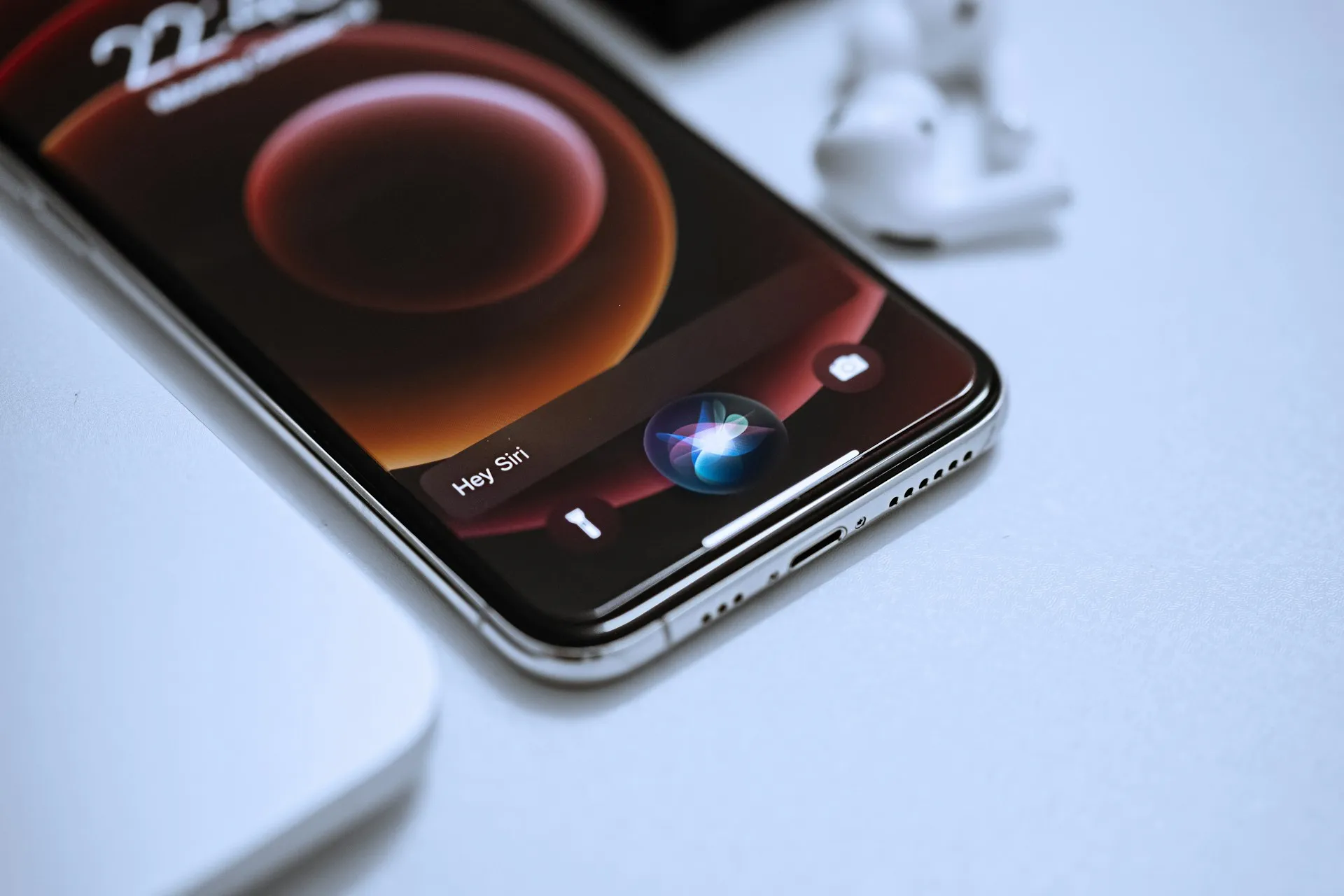
One specific design detail clarifies how the handoff would feel in practice. When an outside model handles a Siri query, it would respond in a distinct voice from Apple's own system, so users hear, not just read, which AI is answering at any given moment, 9to5Mac reports. That is one of the few reported user-facing design specifics ahead of WWDC.
Several questions that would shape daily use remain unresolved. Current reporting does not establish whether users will set one global default model or switch per task or per query. It is also unclear which Apple Intelligence surfaces will accept third-party Extensions versus which remain tied to the native Gemini integration. No equivalent privacy or data-handling architecture has been reported for Claude or other providers coming in through Extensions. These details are likely to surface at the June 8 announcement.
iOS 27 Apple Intelligence: why Gemini still has the inside track over Claude
Extensions does not create a level playing field between providers. It adds a user-configurable layer on top of an existing hierarchy.
That hierarchy was established in January, when Apple and Google announced a multi-year collaboration under which the next generation of Apple Foundation Models will be based on Google's Gemini models and cloud technology, including support for a more personalized Siri. Apple stated publicly that Google's technology provides "the most capable foundation for Apple Foundation Models," per Ars Technica and The Verge.
That decision followed a competitive evaluation that included Claude and ChatGPT directly. Bloomberg reported Apple tested both models before selecting Gemini, according to Ars Technica. Claude is not new to Apple's consideration set; Apple reportedly weighed Anthropic's models before settling on Google for that deeper infrastructure role. Extensions is the mechanism by which it gets back in, on different terms.
The financial and infrastructure weight behind Gemini's native role is substantial. Bloomberg's Mark Gurman reported Apple may be paying roughly $1 billion annually for Gemini access, terms Apple has not officially confirmed, and that Gemini would process queries through Apple's Private Cloud Compute, keeping user data isolated from Google's own infrastructure, Ars Technica reports. No comparable privacy architecture has been reported for providers operating through Extensions.
The Extensions layer is explicitly additive: it sits on top of the Gemini arrangement rather than replacing or competing with it, 9to5Mac notes. Apple controls the interface through which any model reaches users, the default that ships out of the box, and the App Store rules governing which providers can participate. Whether Apple will further privilege Gemini through settings UI design, default configurations, or feature availability for users who never select a third-party model is not yet established. That design decision will determine how meaningful "choice" is in practice for the majority of users who never change defaults.
The Siri delay that makes all of this more urgent
Apple's multi-provider approach arrives during a significant internal reset.
The company publicly delayed its AI-upgraded Siri after admitting the work was "taking longer than we thought," then replaced AI chief John Giannandrea with Vision Pro head Mike Rockwell. Giannandrea subsequently departed the company, per The Verge. Bloomberg has also reported that Apple still intends to develop its own in-house models toward the point of reducing long-term reliance on outside providers, via Ars Technica.
The rebuilt Siri is getting a redesigned interface and a more conversational, chatbot-style experience, expected to be formally revealed at WWDC on June 8, Bloomberg reported in late March. More recent reporting from The Verge also says the revamped Siri may include auto-deleting chat histories, with options to keep conversations for 30 days, one year, or forever.
Opening Extensions to third-party providers has a practical dimension alongside the competitive one. Rather than waiting until Apple's own models close the capability gap, Extensions lets users opt into whichever model they prefer while Apple retains the distribution relationship and the interface. If Apple's in-house development eventually matures, the Extensions architecture would make third-party reliance optional rather than structural. If it doesn't, Extensions becomes permanent platform infrastructure. Either way, Apple controls the on-ramp.
What WWDC needs to answer
Three questions will determine whether Extensions delivers on its promise or becomes a well-designed footnote.
First, default model behavior: will users who never configure anything experience Gemini exclusively, or will Apple actively surface the option to switch? Second, surface eligibility: current reporting says Extensions would work across Siri, Writing Tools, and Image Playground, but does not establish whether all Apple Intelligence features are in scope or only a subset. Third, privacy disclosures: Apple has documented how Gemini queries stay walled off from Google's infrastructure through Private Cloud Compute, but has not described equivalent protections for Claude or other Extensions providers, per Ars Technica.
Gemini enters the iOS 27 cycle with the deeper reported infrastructure role as reported by The Verge, backed by a multi-year Apple-Google collaboration and what Bloomberg reported as roughly $1 billion per year, while Claude and others would arrive as opt-in additions through an App Store-gated mechanism Apple controls. How Apple answers those three questions at WWDC on June 8 will reveal how much the expanded choice actually changes, per 9to5Mac and Bloomberg.



Comments
Be the first, drop a comment!