



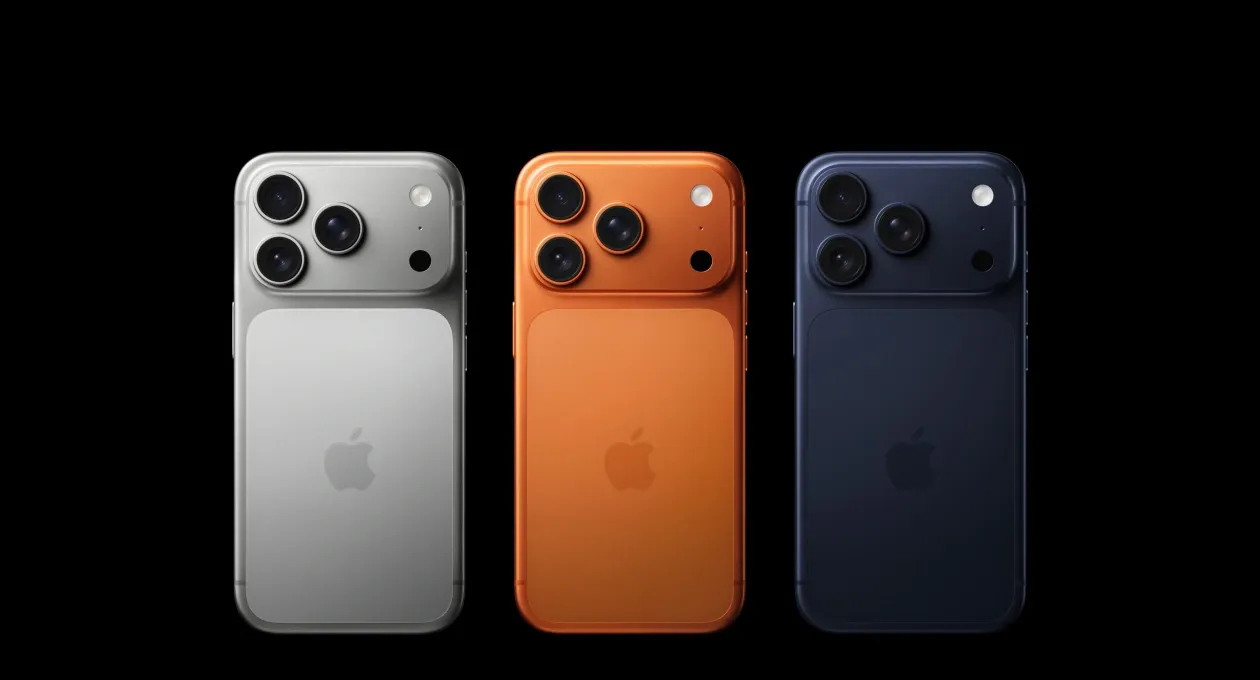
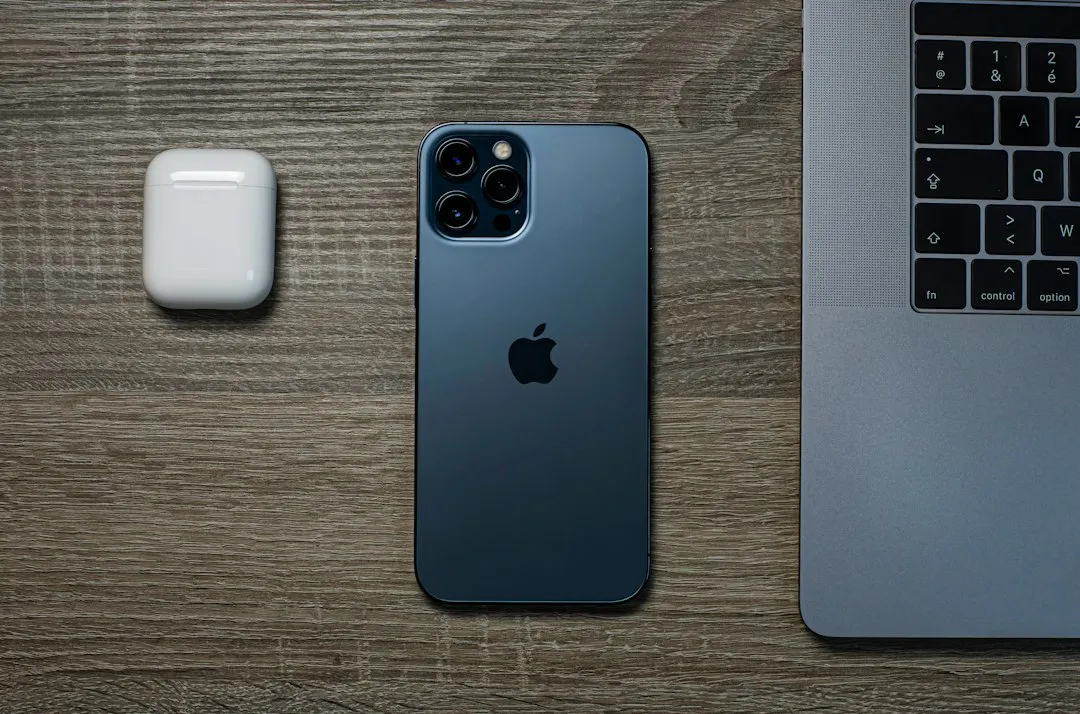
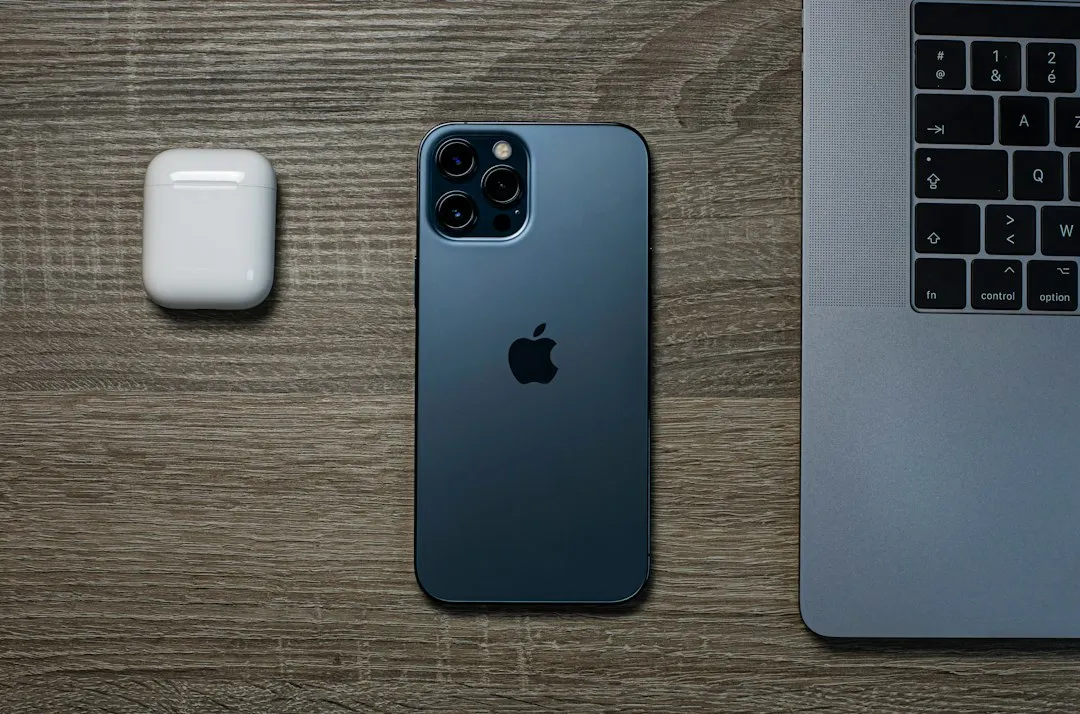
Apple's latest flagship phones represent what should be the pinnacle of engineering excellence, but iPhone 17 Pro and Pro Max users are discovering an unexpected audio quirk that's turning heads across tech communities. When these premium devices are plugged in for charging, users report hearing a persistent static noise emanating from the speakers—even when the volume is muted completely.
This charging-related audio phenomenon has sparked widespread discussion since reports first surfaced in late September, just after the Pro Max launch. The issue appears most common during USB-C wired charging, with multiple users describing the sound as resembling old radio interference or walkie-talkie noise.
What makes this particularly significant is how the specific conditions required for the static to appear point toward potential issues with the electrical systems integration—and how remarkably consistent the experience is across different devices, suggesting this goes beyond isolated manufacturing defects.
What exactly are users experiencing?
The static noise follows a very predictable pattern that's been replicated by numerous users, providing valuable diagnostic clues. When their phone is connected via USB-C charging with volume set to zero, a faint buzzing or hissing sound becomes audible from the bottom speaker. You need to position your ear close to the speaker to detect it, and the sound resembles interference from vintage radio equipment.
The timing patterns reveal important insights about the underlying cause. This audio interference can occur even when no media is actively playing, though it becomes more noticeable during media playback. More telling is that unplugging the charging cable or locking the device immediately stops the sound, which returns when charging resumes or the phone is unlocked. This immediate response to power state changes suggests the interference stems from active electrical processes rather than hardware damage.
The correlation with device activity provides additional diagnostic information. The noise becomes more pronounced when the battery reaches 100% capacity or during UI-intensive activities like scrolling through social media feeds, indicating that power management algorithms and processing load may influence the interference intensity. Some users also report that regular audio playback sounds initially crisp but suffers from subtle distortion during charging, suggesting the electrical noise affects the entire audio pathway.
Why does this only happen with wired charging?
The charging method appears to be the crucial differentiator, pointing toward specific electrical characteristics of USB-C power delivery. Wired USB-C charging consistently produces louder static compared to MagSafe wireless charging, with the higher electrical current and direct power delivery through cables creating conditions that don't exist with wireless charging.
Most significantly, the problem doesn't occur during wireless charging sessions. This stark difference suggests that the physical USB-C connection introduces electromagnetic interference that the speaker system picks up, while wireless charging's electromagnetic field operates at frequencies that don't interfere with the audio components.
The power delivery characteristics provide the strongest clues about the root cause. Users have found that switching to lower-wattage charging adapters or different wall outlets sometimes reduces the intensity of the static, indicating that higher charging currents correlate with increased electrical noise in the audio system. Technical observers speculate this could indicate inadequate electromagnetic shielding between the charging circuitry and audio components, or grounding issues that allow electrical noise to propagate through the device's internal systems.
How widespread is this problem?
The scope of this issue extends well beyond isolated complaints, with evidence pointing to a systematic design challenge rather than random manufacturing defects. Users have been reporting similar complaints on Apple's support forums and Reddit since the iPhone 17 Pro Max's initial release, creating a substantial documentation trail that spans multiple regions and user demographics.
The consistency across replacement units provides the most telling evidence about the systematic nature of this issue. Multiple users who exchanged their devices for replacements found that the new units exhibited identical behavior, strongly indicating this isn't a manufacturing batch problem but rather a design-level issue affecting the product line more broadly.
Display unit behavior further reinforces this conclusion. At least one user reported that Apple Store display units demonstrated similar static noise patterns, suggesting the issue may be inherent to the current hardware design. However, the scope isn't universal—some review units from major outlets like CNET completed testing without exhibiting any audio issues, indicating that while systematic, the problem may be influenced by specific usage patterns or environmental factors.
The model distribution shows interesting patterns. While the densest cluster of reports centers on iPhone 17 Pro and Pro Max models, some users of other iPhone models have reported similar experiences, suggesting this might reflect broader changes in iOS power management or charging system design across the product line.
What's Apple's response been so far?
Apple's public communication regarding this issue has been characteristically minimal, following their standard approach of not commenting publicly on service-related matters until solutions are ready. The company has not issued any public response despite the growing number of user reports, maintaining its typical silence on technical issues during the investigation phase.
However, internal support channels are providing much more encouraging signals about potential resolution. Apple Support representatives in multiple regions have indicated to users that this appears to be a software-related issue rather than a hardware failure, which would make it addressable through future updates rather than requiring costly device replacements or recalls.
The behind-the-scenes technical investigation reveals Apple is taking this seriously. Genius Bar diagnostic tests typically show no hardware faults, with technicians suggesting the issue is likely software-based and escalating cases internally. This pattern of clean diagnostics but consistent user experiences aligns with software-level power management or audio processing issues rather than component failures.
Senior-level engagement indicates the issue has reached internal engineering teams. Senior Apple advisors have requested detailed recordings and comprehensive documentation, acknowledging that the issue is under internal investigation. While unofficial, some Apple Support Communities discussions mention that Apple is aware of the issue and working to release a software update, with diagnostics showing no hardware fault, though this should be interpreted cautiously since it's not an official Apple statement.
What can affected users do right now?
While waiting for Apple's official fix, several practical workarounds can significantly reduce or eliminate the static noise, with wireless charging being the most effective solution. Switching to MagSafe wireless charging for overnight or quiet-room sessions is notably quieter, effectively eliminating the direct electrical connection that appears to cause the interference.
For situations requiring wired charging, power management adjustments can help minimize the issue. Experimenting with lower-wattage power adapters can decrease the electrical interference, since reduced current flow correlates with diminished audio noise. Trying different outlets, adapters, or cables often yields improvements, as some users have tied noise reduction to changing wall outlets or using lower-wattage power bricks.
Battery management strategies can also reduce the problem's impact. Avoiding 100% top-off when convenient, using Charge Limit settings, or unplugging near full charge, helps if you notice the noise peaks at full battery. For content creators, unplugging the charging cable before sensitive recordings in video or voice applications ensures clean audio capture in silent environments.
Documentation remains crucial for pushing toward a resolution and helping other users track the issue's evolution. Users should capture short recordings of the static in quiet environments to track changes after software updates and provide concrete evidence to Apple Support. Filing detailed feedback through Apple's official channels at apple.com/feedback, including audio recordings and comprehensive device information, helps build the case for prioritizing a fix.
What does this mean for iPhone 17 Pro users moving forward?
The charging static issue represents a fascinating case study in how modern smartphone complexity can create unexpected interactions between power delivery and audio systems. While undeniably frustrating for affected users, the accumulating evidence strongly suggests this challenge is addressable through software optimization rather than requiring hardware redesigns or recalls.
Current software update progress shows Apple is actively working on the issue, though the solution hasn't fully materialized yet. Several testers reported that iOS 26.0.1 did not change the behavior for them, while testing with iOS 26.1 beta showed mixed results—some users still heard the sound, while others could not reproduce it. This suggests Apple is iterating on solutions but hasn't quite achieved the complete fix across all use cases.
For prospective buyers, this issue shouldn't necessarily derail purchase decisions, especially given the effective workarounds and strong likelihood of software resolution. The key insight is that Apple Support in multiple regions has consistently told users it's likely software, not hardware, and device exchanges don't solve it for most users, with replacements exhibiting the same sound. Users still within their 14-day return window who find the static unacceptable do have the option to return their device, though most will likely prefer to wait for Apple's resolution.
This situation underscores how even premium devices can develop quirky launch issues as engineers push the boundaries of integration and performance. However, it also demonstrates how effective user communities can be at documenting problems systematically and pushing for solutions through proper channels.
PRO TIP: Monitor upcoming iOS 26.x updates—especially 26.1 and 26.2 for potential fixes. Document your experience with recordings, charger details, and serial numbers, and keep your case open with Apple if you've already contacted support. This type of systematic documentation often leads to faster resolutions and helps Apple prioritize fixes based on real user impact data.



Comments
Be the first, drop a comment!