





Apple's budget iPhone lineup has been navigating some choppy waters recently. The iPhone 16e, which was supposed to be that perfect entry point into the Apple ecosystem, never quite found its footing in the market. According to industry reports, the device struggled to gain traction largely because it landed uncomfortably close in price to discounted flagship models while missing key features that buyers increasingly expect.
Now here's where things get interesting—Apple appears to be taking those lessons to heart with specific, measurable changes. Emerging details about the iPhone 17e suggest the company is preparing a more thoughtful approach to its next budget device, with some significant upgrades that directly address the 16e's most glaring shortcomings.
The most significant upgrade coming to Apple's next budget iPhone? Magnetic wireless charging support. Industry sources indicate the iPhone 17e will finally include MagSafe functionality, according to 9to5Mac. While the current iPhone 16e does support standard Qi wireless charging, it lacks Apple's magnetic alignment system—and that's been a real pain point for users who want to use MagSafe accessories.
This isn't just about convenience (though snapping a charger perfectly into place is pretty satisfying). By adding MagSafe support, Apple is addressing one of the biggest user complaints about the previous model. The 17e could finally feel like a genuine member of Apple's ecosystem rather than a device that's been artificially held back from accessing popular chargers, stands, wallets, and grips that have become essential iPhone accessories.
What went wrong with the iPhone 16e?
Let's be honest—the iPhone 16e's market performance tells us a lot about what budget smartphone buyers actually want. The pricing was probably the biggest issue here. At $599, it lived uncomfortably close to discounted iPhone 17 models, while lacking modern touches that buyers expect at that price point.
The 60Hz display didn't help matters either. In a world where even mid-range Android phones are shipping with 90Hz or 120Hz screens, that basic refresh rate felt dated from day one. Add the MagSafe omission to the mix, and you have a device that feels disconnected from Apple's broader accessory ecosystem—a significant problem when accessories are a huge part of the iPhone experience.
What made things worse was how quickly the device got overshadowed by Apple's own lineup. In stores and online, the 16e quickly slipped into the background while the standard iPhone 17, with its ProMotion display, dual camera system, and more storage, became the obvious choice. When promotional offers narrowed the price gap even further, the 16e's value proposition essentially disappeared—leaving potential buyers wondering why they wouldn't just spend a little more for significantly better features.
Key improvements expected in the iPhone 17e
The rumored specifications for the iPhone 17e suggest Apple has learned from these missteps and is taking a more strategic approach to budget iPhone design. Most notably, the device will reportedly feature the A19 processor with 8GB of RAM, ensuring it can handle Apple Intelligence features for years to come. That's a significant step up from the iPhone 16e's A18 configuration and addresses one of the key concerns about longevity in budget devices.
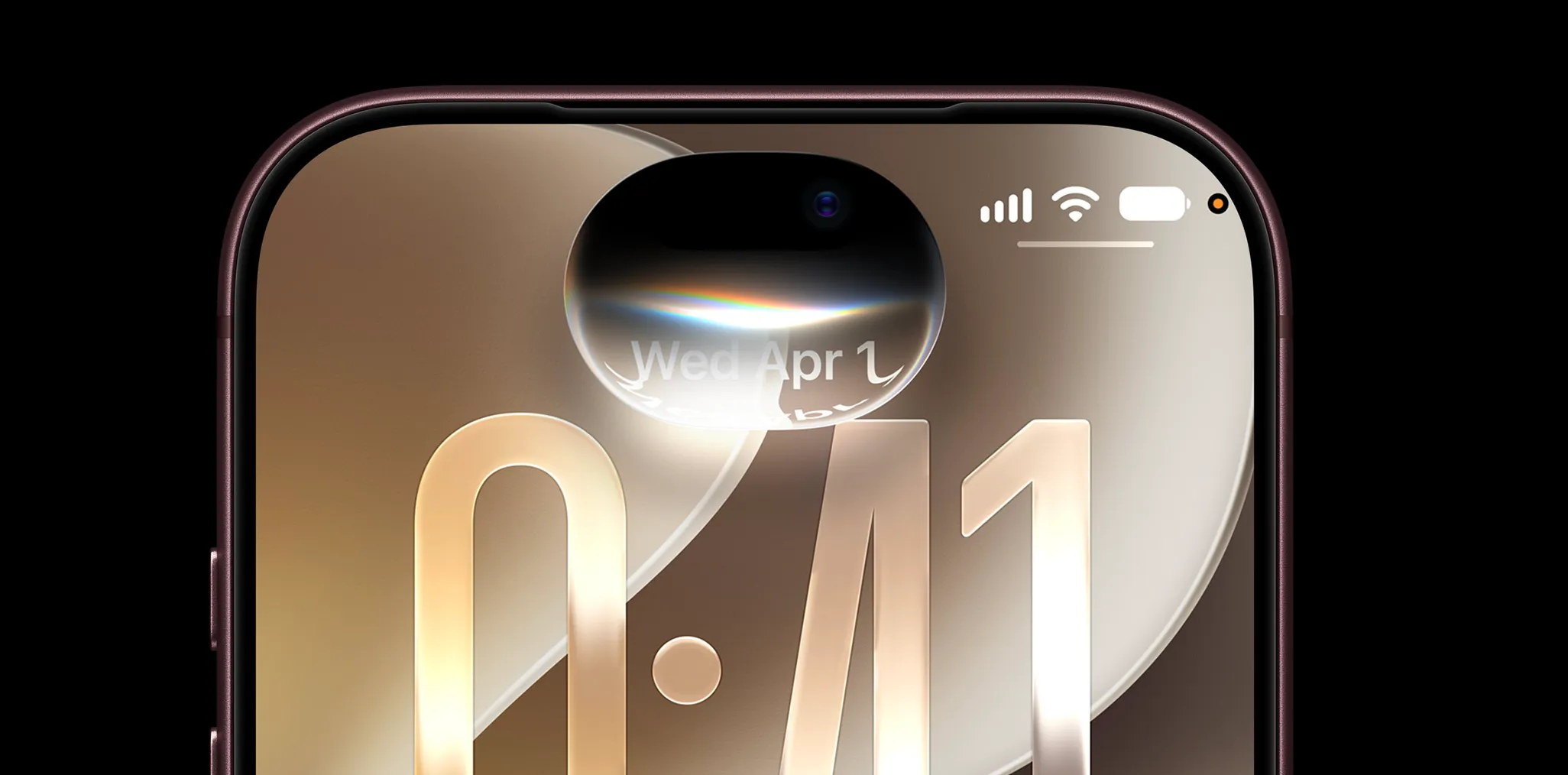
Design-wise, we're hearing about some welcome changes that bring the budget model closer to Apple's premium aesthetic. The device may finally ditch the traditional notch in favor of Dynamic Island, bringing the budget model much closer to the visual language of Apple's premium phones. It's one of those changes that might seem small on paper but makes a huge difference in day-to-day use, especially for users coming from older iPhones.
Camera improvements are also on the horizon, though Apple is taking a focused approach rather than simply adding more lenses. While the device will likely maintain a single 48MP rear sensor to keep costs down, analyst Jeff Pu suggests the front-facing camera will get bumped up to 18MP. For a generation that lives on video calls and social media, that upgrade could be more meaningful than adding a second rear camera.
PRO TIP: The enhanced processing power from the A19 chip should also improve photo quality significantly, even with the same sensor hardware. Apple's computational photography has always been impressive, and giving the budget model access to the latest processing algorithms could narrow the gap with more expensive iPhones considerably.
Timing and market positioning strategy
Apple appears to be taking a smarter approach to timing with the iPhone 17e that reflects lessons learned from the 16e's positioning problems. Most analysts expect the device to arrive in early to mid-2026, which serves multiple strategic purposes beyond simple product cycle management.
This timing strategy makes a lot more sense than launching the budget model alongside the flagships. It gives the iPhone 17 series time to establish itself in the market and command premium pricing, while providing Apple with a mid-cycle refresh opportunity to capture budget-conscious buyers who might otherwise turn to Android alternatives. By positioning the 17e to complement rather than compete directly with the flagship iPhone 17 series, Apple creates space for each device to find its audience without internal cannibalization.
The production strategy also seems more focused this time around. Some reports suggest Apple may limit production to around 20 million units, indicating a more targeted approach rather than attempting to capture massive volume right out of the gate. This suggests Apple has realistic expectations about the budget iPhone market and is prioritizing profitability over market share.
Pricing expectations remain in that familiar $549-$599 range, but the enhanced feature set could make this price point feel much more compelling than the iPhone 16e's offering. The addition of MagSafe support alone addresses a major user complaint, while the A19 chip ensures the device won't feel outdated quickly—two critical factors that were missing from the previous model's value proposition.
The bigger picture for Apple's iPhone strategy
What's really interesting here is how these rumored improvements suggest Apple recognizes the importance of getting its budget iPhone positioning right in an increasingly competitive smartphone market. The iPhone 17e appears designed to avoid the iPhone 16e's main pitfalls: feeling too compromised compared to standard models, lacking essential modern features, and being priced too close to better alternatives.
By including current-generation processing power and key connectivity features, the 17e could establish a clearer value proposition for budget-conscious buyers who still want a genuinely modern iPhone experience. It's less about being the cheapest iPhone and more about being the most accessible way to get current-generation Apple technology without major compromises.
The success of this approach will ultimately depend on execution—Apple needs to deliver these improvements while maintaining that attractive price point and ensuring the device doesn't cannibalize sales of the standard iPhone 17. If they can thread that needle by offering genuine value without compromising the premium models' appeal, the iPhone 17e could finally give Apple the budget iPhone winner it's been seeking.
From what we're seeing in these early rumors, it looks like Apple might just pull it off this time. The combination of MagSafe support, current-generation processing power, and smarter market timing suggests a more mature understanding of what budget iPhone buyers actually want—and what they're willing to pay for.





Comments
Be the first, drop a comment!