





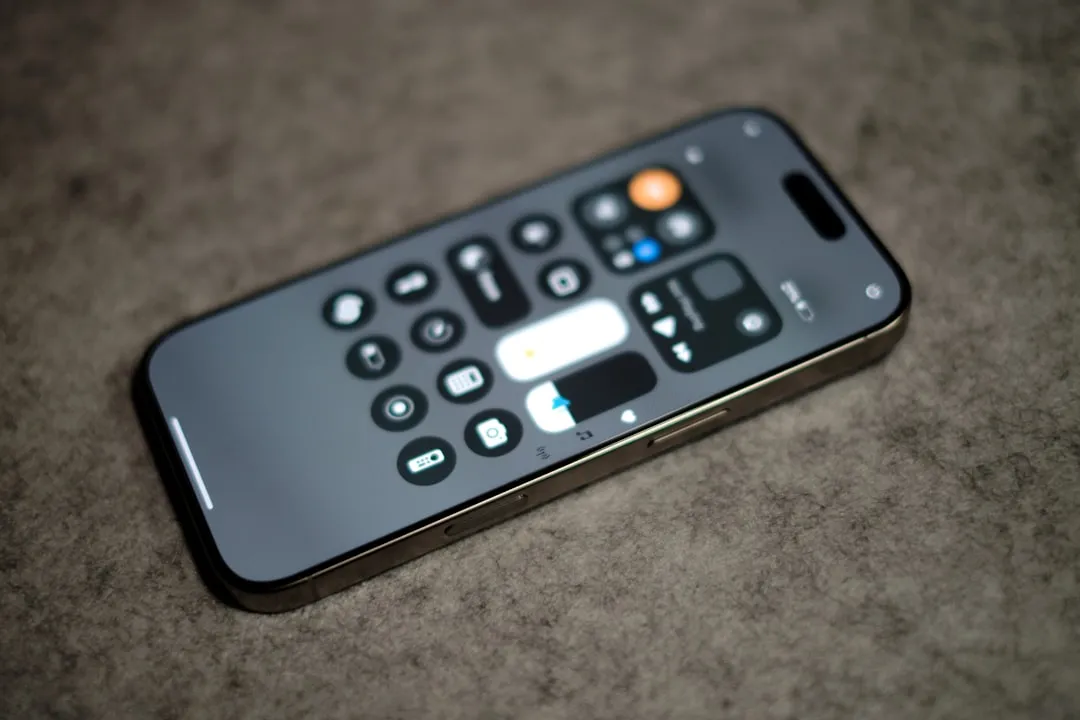
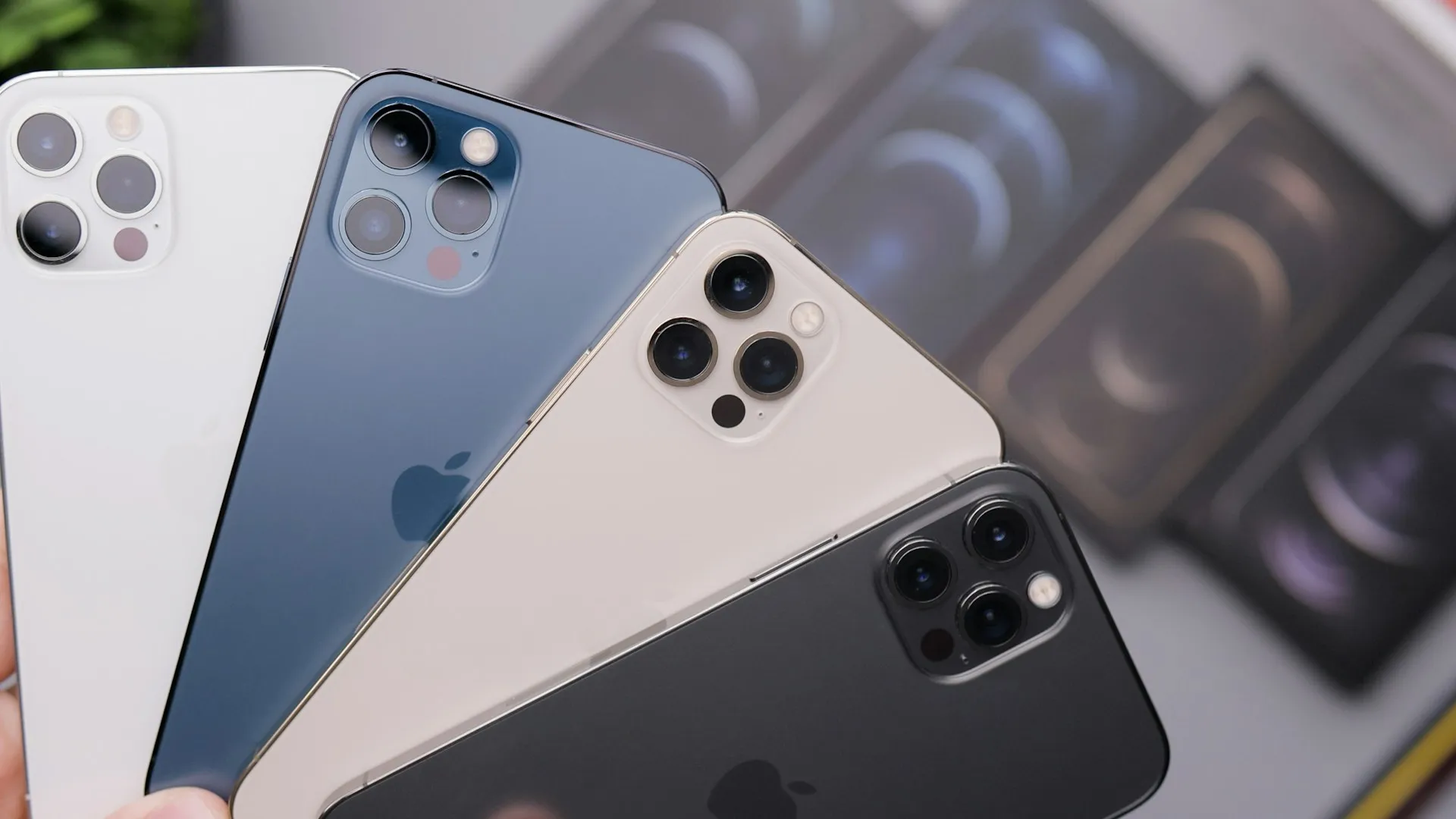
A new leak suggests the iPhone 18 Pro aluminum casing will carry forward the same alloy Apple introduced with the iPhone 17 Pro, and if accurate, that means inheriting both the thermal performance gains and the cosmetic wear susceptibility that came with it. Leaks from Fixed Focus Digital described the 18 Pro as "still aluminum alloy, with really good heat dissipation" and the same color scratch risk as its predecessor.
That's an unconfirmed report from a single leaker. The reason it's worth taking seriously: the iPhone 17 Pro was already a notable material departure. Apple had used titanium on the 15 Pro and 16 Pro, and stainless steel on Pro models before that, PhoneArena noted last November. The switch to aluminum wasn't a minor spec change. If the 18 Pro continues that direction, the material's real-world behavior matters for anyone weighing an upgrade.
What follows is a grounded account of what aluminum delivered on the 17 Pro, where cosmetic wear actually showed up and why, and what current leaks suggest the 18 Pro will and won't change.
Why the switch from titanium to aluminum matters
The core issue isn't whether the iPhone 18 Pro casing material is structurally sound. It is. The issue is the gap between structural durability and cosmetic durability, and for buyers coming from titanium Pro models, those are very different things.
The iPhone 17 Pro switched from a multi-part titanium frame to an aluminum alloy unibody, independent material analysis suggested. The alloy, identified as consistent with the 7005 series, is a high-magnesium aluminum that's light, corrosion-resistant, and well-suited to unibody manufacturing. The phone doesn't bend or corrode easily. It marks easily.
That distinction is what makes the "same alloy, same tradeoff" framing consequential. A phone that holds up structurally but shows surface wear faster than its predecessor reads differently when it sits at the top of Apple's lineup, particularly for caseless users or those arriving from two generations of titanium Pro models.
iPhone 18 Pro vs iPhone 17 Pro casing: what the aluminum actually did
The thermal and structural case
Fixed Focus Digital's claim that the material offers "really good heat dissipation" tracks with the known properties of the alloy. A chassis that moves heat efficiently is a functional advantage for a Pro-tier chip, not just a marketing point. As Apple pushes chip performance further, that advantage compounds.
The anodized surface treatment adds meaningful protection over raw aluminum: harder, more color-stable, and more corrosion-resistant than untreated metal, Igor's Lab found in its September 2025 analysis. That's the engineering case for the material. The tradeoff lives at the surface.
Where wear showed up and why
The anodization layer on the iPhone 17 Pro Max is only 10 to 20 micrometers thick, Igor's Lab measured. Hard particles, like keys, grit, and sand, can break through it mechanically. Once they do, the softer base metal underneath is exposed, and the contrast between raw alloy and finished surface makes even minor damage obvious. Not a defective phone. A material with a narrow margin between protected and visibly damaged.
The most consistently reported trouble spot was the raised edges around the rear camera plateau, where contact with flat surfaces during normal use concentrates wear. Apple described this as normal wear and tear rather than a defect.
One part of the scratch narrative was overstated, though. Marks appearing on demo units near the MagSafe cutout turned out not to be scratches at all. Apple reportedly said the imperfections were caused by worn MagSafe display stands in some stores, with material transferring from the stand to the phone removable with cleaning. Some of the viral examples amplified a concern that didn't reflect what most owners were experiencing. The camera plateau wear is a separate, documented pattern.
iPhone 18 Pro scratches, scuffs, and heat dissipation: what changes and what doesn't
Dummy unit analysis and converging leaks suggest the iPhone 18 Pro will look largely identical to its predecessor, with the rear camera plateau and display sizes expected to remain unchanged, MacRumors reported two months ago. The devices could be marginally thicker to accommodate a larger battery, but the difference is reportedly too slight to register on early dummy models. The geometry that concentrated wear at the camera plateau edges on the 17 Pro is expected to carry over intact.
One aesthetic change is reportedly in progress. Apple has apparently updated its back-glass process to better match the tone of the rear glass panel to the aluminum frame, addressing the two-tone rear look that drew criticism on the 17 Pro. That improves first impressions out of the box. It doesn't change what happens over months of daily use.
The alloy properties and surface treatment that govern wear behavior are unchanged in current leaks. Those factors, not launch-day aesthetics, determine how the phone looks after a year in a pocket.
For buyers, the tradeoff breaks down along clear lines:
Upgrading from a 15 Pro or 16 Pro: Titanium's scratch resistance at the frame edges isn't replicated by anodized aluminum. Buyers who care about finish condition after year one should factor that in a case or wait for independent real-world testing, as both are reasonable responses.
Coming from the iPhone 17 Pro: No material change is expected if the leak holds. The wear profile will be familiar.
Going caseless: The camera plateau edges are the highest-risk area. That's the physics of a raised aluminum edge meeting hard flat surfaces, not a design oversight.
Prioritizing thermals and weight: The aluminum chassis appears to deliver on both, and that advantage may matter more on the 18 Pro if Apple pushes chip performance further with the rumored A20 Pro.
What buyers still don't know
If Fixed Focus Digital's report is accurate, the iPhone 18 Pro casing will bring the same material tradeoff as its predecessor: solid thermal performance and structural strength, paired with cosmetic vulnerability at the surface finish and camera plateau edges.
What remains open: whether Apple adjusts the surface finish or anodization treatment before launch, and whether the camera plateau geometry shifts at all. Current leaks don't confirm either. The definitive read on iPhone 18 Pro casing durability won't exist until units ship and survive several months of independent real-world use.
The iPhone 17 Pro's first year provides a reliable baseline for what "same alloy" likely means in practice. Buyers who accepted that phone's wear pattern will probably find the 18 Pro equally acceptable. Those who didn't or who are arriving from titanium Pro models expecting similar finish resilience now have a clear-eyed sense of what they're signing up for.




Comments
Be the first, drop a comment!