





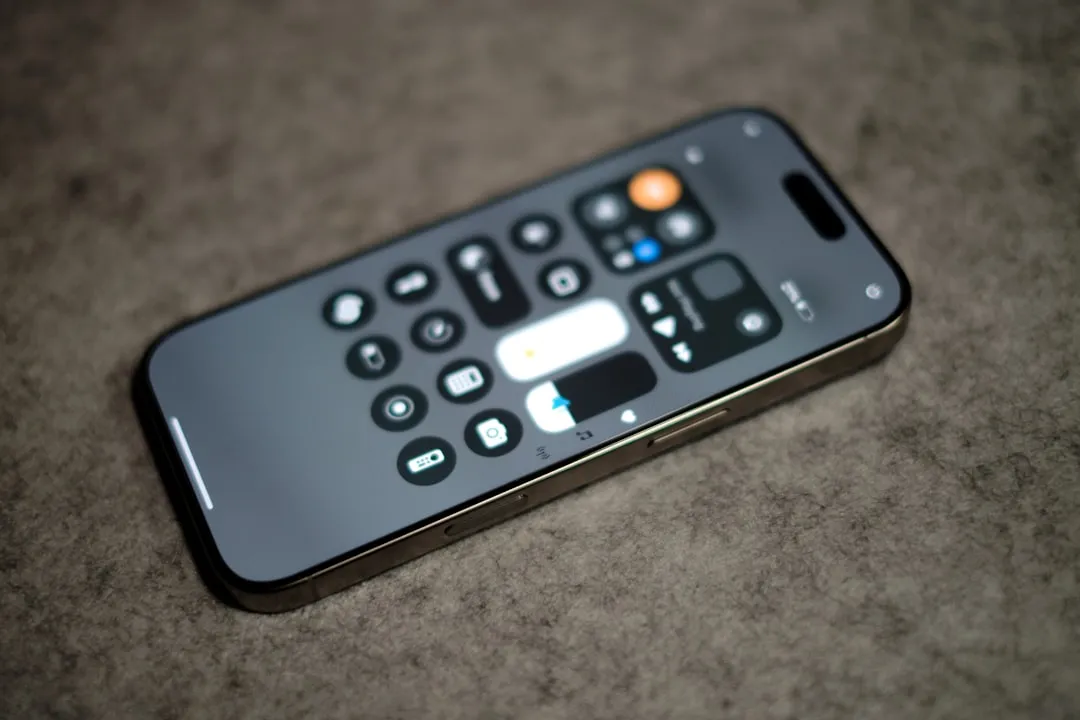
A Weibo leaker is warning that the iPhone 18 Pro could repeat the finish-durability complaints reported by some iPhone 17 Pro owners, especially around the Cosmic Orange colorway. A separate report claims Apple may have revised its aluminum manufacturing process to reduce discoloration risk. Apple has confirmed neither claim, leaving buyers eyeing the rumored Dark Cherry colorway with two opposing signals and no official guidance.
What the iPhone 17 Pro color shift showed
The most widely circulated case came from Reddit user DakAttack316, whose Cosmic Orange iPhone 17 Pro Max reportedly shifted from orange toward rose gold while the glass back kept its original color. DakAttack316 later told MacRumors they had not used wipes or cleaning chemicals, kept the phone in Apple's TechWoven case, and cleaned it with a microfiber cloth. Similar reports later appeared on Reddit and TikTok, though the scope of the problem remains unclear.
That frame-versus-glass split makes the metal finish the key area to watch, but it does not prove a manufacturing defect. MacRumors also noted that the iPhone 17 Pro uses anodized aluminum, a process in which the metal takes on dye before being sealed. Apple has not explained the reported color shifts, and its iPhone cleaning guidance separately warns users not to clean iPhone surfaces with products containing hydrogen peroxide.
Available reports suggest the discoloration affected a subset of Cosmic Orange owners, not the broader iPhone 17 Pro user base. Tom's Guide noted in October 2025 that the issue appeared isolated and that its own Cosmic Orange review units had not shown the same color change. No public estimate exists for how many units were affected, and Apple has not issued a public explanation.
Two leakers, one unresolved conflict
Weibo leaker Fixed Focus Digital posted on June 12, 2026, that prospective iPhone 18 Pro buyers should be careful about possible finish issues on the upcoming models. MacRumors reported on June 15, 2026, that the same account expects the iPhone 18 Pro to retain an aluminum alloy build and previously claimed Apple classified some iPhone 17 Pro surface chipping complaints as normal wear rather than a covered defect.
The counterclaim points in the other direction. Cinco Días reported on June 13, 2026, that Apple may use a refined aluminum process for the iPhone 18 Pro, with lower processing temperatures and fewer electrochemical steps intended to reduce discoloration risk. The claims are not necessarily contradictory: Apple could keep aluminum as the chassis material while changing the finishing process. But neither rumor is backed by public testing data, supply-chain documents, or an Apple statement.
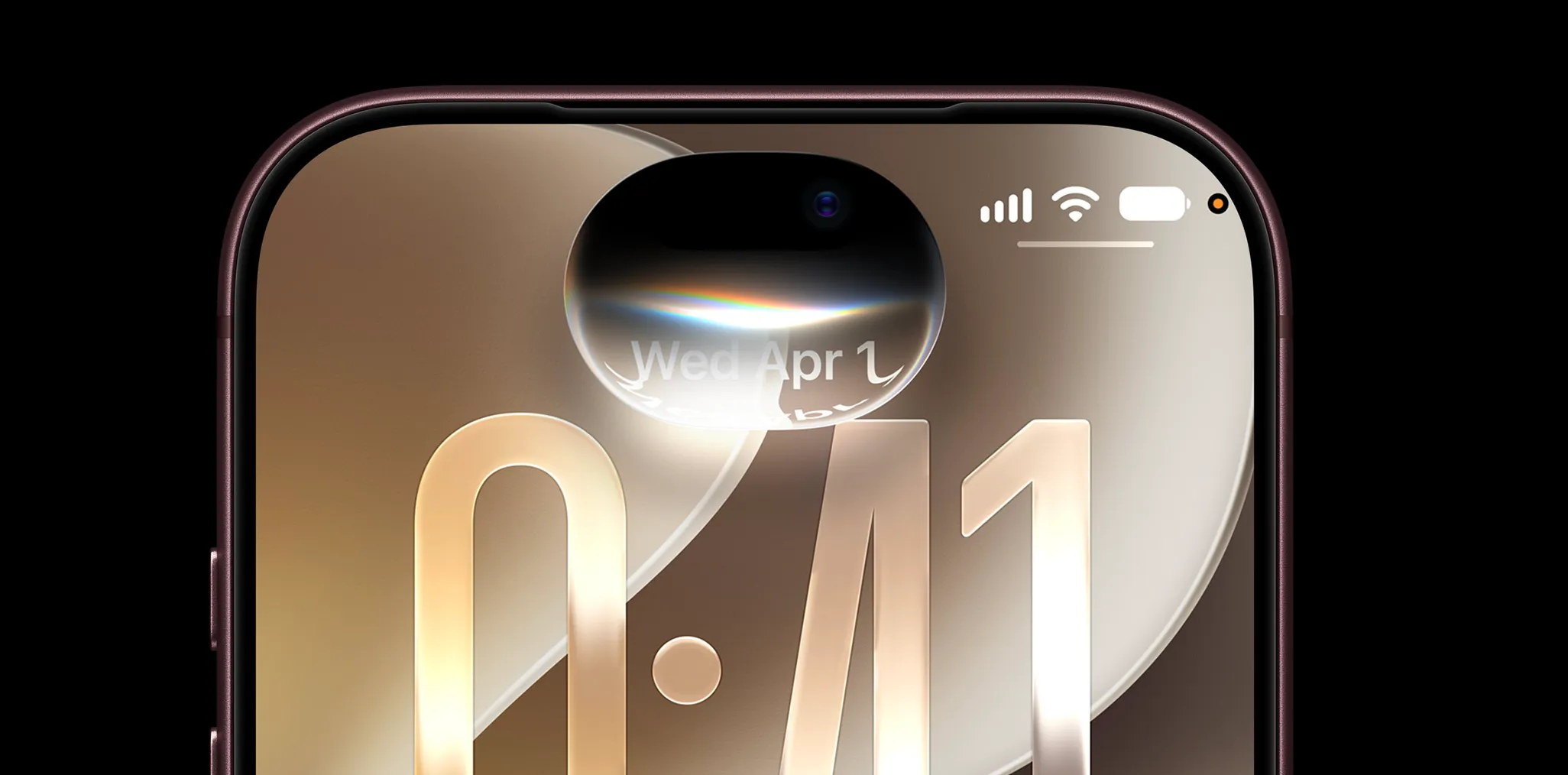
The rumored Dark Cherry colorway raises the stakes because darker, saturated finishes tend to make chips, scratches, or tone changes easier to notice. The same MacRumors report says Dark Cherry is expected to be the signature new iPhone 18 Pro color, alongside Light Blue, Dark Gray, and Silver. If Apple launches the color without discussing finish durability, early buyers will have to rely on post-launch owner reports and reviewer testing.
What to watch before buying
Apple's language at the expected September 2026 announcement could be the first signal to watch before purchase. Any mention of a revised aluminum process, enhanced finish durability, or new color-sealing method would be meaningful. If Apple says nothing, buyers should treat durability claims as unverified until real units are tested.
Warranty language is the second checkpoint. If Apple's iPhone 18 Pro materials page or retail guidance says anything specific about finish coverage at launch, buyers should read that before choosing a bold color. If it does not, buyers should assume visible finish wear may be handled case by case.
The clearest signal will come from early owners. The iPhone 17 Pro color-shift reports were circulating in tech coverage by mid-to-late October 2025, after the phone's September launch. For the iPhone 18 Pro, a practical waiting period is about four weeks after launch. The reports to watch are not ordinary scratches, but frame-and-camera-area color shifts where the glass back keeps its original shade.
What still is not confirmed
The iPhone 17 Pro color-shift reports were public, but Apple never officially explained them. Whether the iPhone 18 Pro repeats the same issue depends on manufacturing details Apple has not disclosed. For now, this is a plausible prelaunch concern, not a confirmed defect on an unreleased device.
The public reports around the iPhone 17 Pro concentrated on Cosmic Orange, Apple's boldest Pro color that year. Buyers choosing neutral colors, using a case, or waiting for post-launch reports face a lower visible-wear risk than those ordering a rumored Dark Cherry model on day one. Until real iPhone 18 Pro units are in buyers' hands, the lower-risk move is simple: wait for early owner photos and durability testing before choosing the boldest finish.

Comments
Be the first, drop a comment!