





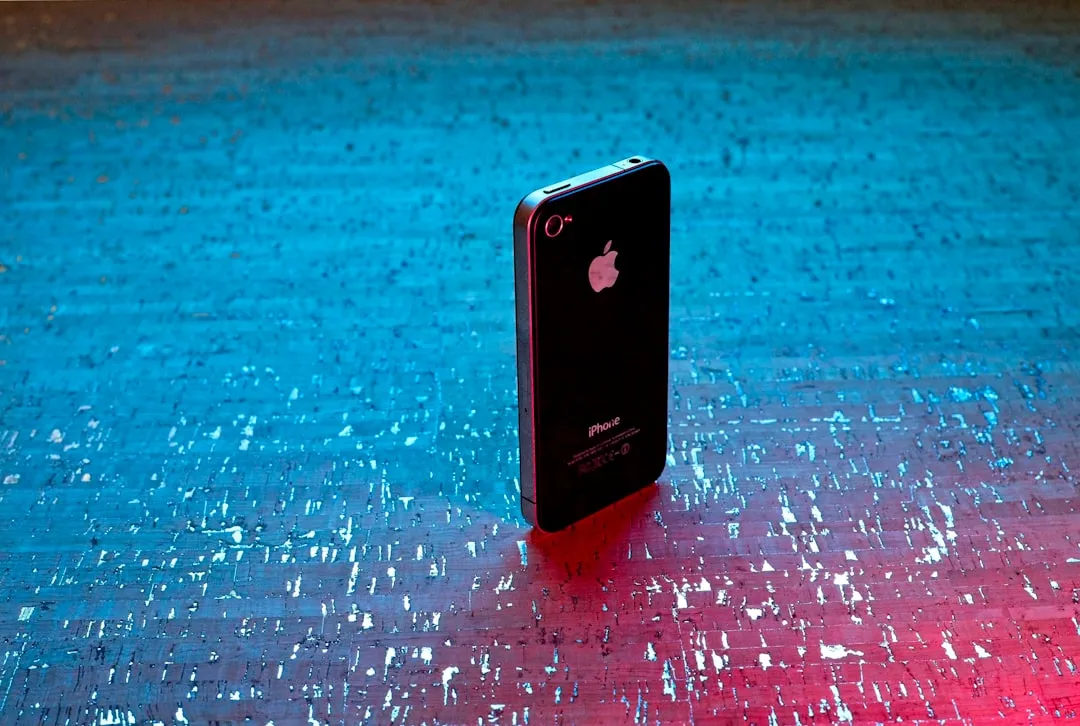
The first Lightning iPhone has officially reached the end of the road. Apple's iPhone 5 debuted in September 2012 as a revolutionary device that established new design standards for smartphones with its sleek aluminum construction and debut Lightning connector. Now, over a decade later, this pioneering device has joined Apple's obsolete product list alongside the 8GB iPhone 4, marking a significant milestone in the company's support lifecycle policy.
This transition affects thousands of iPhone 5 owners who may need repairs, and it highlights broader questions about device longevity in our tech ecosystem. Apple officially defines obsolete products as those discontinued from sale more than seven years ago, meaning hardware service is no longer available through Apple or authorized providers. The iPhone 5's move from vintage to obsolete status represents more than just a policy update—it's a window into how Apple manages product lifecycles and what this means for consumers holding onto older devices.
What "obsolete" really means for your device
When Apple labels a device as obsolete, it's not flipping a kill switch on your phone. Understanding the practical implications requires looking at Apple's structured timeline: Products become vintage after five years and obsolete after seven years from their last sale date, creating a predictable framework for when official support phases out.
Here's what specifically changes once your iPhone hits obsolete status: Apple and authorized service providers stop offering repairs, parts become unavailable through official channels, and you can't expect software updates beyond critical security patches. The iPhone 5 maxed out at iOS 10.3.4, so it's been locked out of newer iOS versions for years already.
However, your device doesn't suddenly stop working. Obsolete products continue operating normally as long as the hardware remains functional. The real challenge lies in practical connectivity—most iPhone 5 units rely on 3G networks that carriers have largely discontinued, making cellular service unreliable in many areas regardless of Apple's support status.
Third-party repair shops may still service these devices, though finding compatible parts becomes increasingly challenging as the supply chain moves away from decade-old components. The key takeaway: your iPhone 5 won't magically break when Apple declares it obsolete, but maintaining it becomes exponentially more difficult and expensive.
The repair reality: navigating your post-obsolescence options
The end of official Apple support fundamentally reshapes the repair ecosystem for iPhone 5 owners. Independent repair shops may continue helping even after Apple steps away, but success depends heavily on parts availability and the specific expertise of individual shops.
The repair landscape for obsolete devices operates on entirely different economics than Apple's streamlined service model. Service providers can no longer order parts from Apple for obsolete products, forcing repair shops to rely on salvaged components, aftermarket alternatives, or their existing inventory. This scarcity-driven market creates a paradox where repair costs might actually increase for older devices due to parts becoming collector items themselves.
Battery replacement, screen repairs, and charging port fixes remain the most viable services for obsolete iPhones. Interestingly, Apple makes one exception for MacBooks, allowing battery replacements up to 10 years after discontinuation—a policy that unfortunately doesn't extend to iPhones, highlighting the different lifecycle strategies across Apple's product lines.
PRO TIP: If your iPhone 5 is still working but showing signs of wear, consider getting essential repairs done before widespread parts scarcity makes even simple fixes prohibitively expensive.
For iPhone 5 owners, the cost-benefit analysis rarely favors major repairs on a device already struggling with network compatibility and software limitations. Your device might serve better as a Wi-Fi-only device for basic tasks or as a nostalgic piece of tech history than as a daily driver worth expensive repairs.
Market value: what your obsolete iPhone 5 is actually worth today
Despite its obsolete status, the iPhone 5 maintains a surprisingly active niche market. Current market prices vary wildly depending on condition, storage capacity, and whether original accessories are included, creating opportunities for sellers who understand the buyer landscape.
The pricing reality might surprise you: non-working units sell for $5-15 as parts donors, while decent 32GB models fetch $20-35 from collectors or as backup devices. Pristine, unopened 64GB units can command $50-90 from serious collectors who appreciate the device's historical significance as the first Lightning iPhone.
The buyer pool operates on entirely different motivations than typical smartphone sales. Most purchasers aren't seeking daily drivers—they're collectors preserving tech history, tinkerers exploring classic iOS, or repair shops seeking parts inventory. The iPhone 5's introduction of the Lightning connector makes it particularly significant as the first device in Apple's current connector ecosystem.
Understanding market timing proves crucial for maximizing value. Sales typically take longer than modern devices because demand remains low, but bundling with original accessories can improve appeal for potential buyers. Complete packages with original chargers, earbuds, and documentation create a more compelling collectible proposition.
The bigger picture: Apple's strategic lifecycle management
Apple's obsolescence policy reflects sophisticated strategic thinking about resource allocation, customer expectations, and competitive positioning. The company guarantees support for at least five years after discontinuing a product, which exceeds many competitors' commitments and provides predictable planning timelines for both consumers and businesses.
This systematic approach serves multiple strategic purposes beyond simple cost management. It focuses engineering and support resources on current products while maintaining predictable timelines that help customers plan upgrade cycles. The policy makes business sense given rapid hardware and software iteration, where supporting decade-old devices becomes increasingly complex as newer technologies emerge.
Apple's trade-in program, launched in 2013, integrates seamlessly with this lifecycle strategy. The company created its own replacement market by encouraging upgrades while capturing value from older devices through refurbishment programs. This approach helps Apple control secondary market pricing while providing affordable entry points for price-sensitive customers in emerging markets.
The environmental benefits extend far beyond basic recycling programs. Apple's recycling programs extract valuable materials from old devices—one metric ton of iPhone logic boards yields gold and copper equivalent to mining over 2,000 tons of rock. This systematic material recovery transforms planned obsolescence into a sustainable resource management strategy.
What this means for your upgrade planning strategy
The iPhone 5's obsolete status serves as a predictive model for planning device lifecycles and understanding when upgrades make financial sense. If you're still using an iPhone 5, network compatibility issues have already made daily use increasingly difficult regardless of Apple's support status, highlighting how infrastructure changes can accelerate practical obsolescence beyond manufacturer timelines.
For those holding iPhone models approaching vintage or obsolete status, Apple's systematic approach creates predictable patterns. Apple recently moved several popular devices to obsolete, including the original iPhone SE, following the same seven-year timeline. The iPhone 6s and 6s Plus are already vintage, with obsolescence coming in the next few years according to this established schedule.
The strategic takeaway involves timing upgrades before support infrastructure collapses completely. While vintage devices still receive some repair support, parts availability becomes the limiting factor as Apple's supply chain evolves. Waiting until obsolescence means accepting that major repairs will likely cost more than replacement devices, creating negative value propositions.
Consider developing a proactive upgrade framework: monitor Apple's vintage and obsolete announcements, plan major repairs during the vintage period when parts remain available, and establish upgrade budgets before devices reach obsolete status. This approach prevents being caught off guard when critical repairs become impossible or prohibitively expensive.
PRO TIP: Check Apple's vintage and obsolete list regularly if you're using older devices. The transition from vintage to obsolete happens predictably, giving you strategic planning time for repairs or replacements while official support still exists.
Looking ahead: the closing chapter of a design pioneer
The iPhone 5's journey to obsolescence marks more than just another product reaching end-of-life—it represents the closing chapter on a device that fundamentally redefined smartphone design language. Its aluminum construction and Lightning connector influenced every subsequent iPhone, establishing design principles and connectivity standards that persist today across Apple's entire ecosystem.
This transition also illuminates how rapidly technology infrastructure evolves beyond individual device capabilities. A device that set new standards for premium design twelve years ago now struggles with basic network connectivity due to carrier infrastructure changes. The iPhone 5's obsolescence demonstrates that hardware longevity depends on more than just build quality—it requires ongoing ecosystem compatibility that inevitably reaches natural limits.
For the broader technology industry, Apple's systematic approach to product lifecycles offers a framework for balancing customer support obligations with business sustainability. The used smartphone market continues growing as consumers seek alternatives to flagship pricing, making refurbishment and trade-in programs increasingly important for manufacturers managing their own replacement cycles.
The iPhone 5's story continues in new forms—it'll serve collectors preserving tech history, tinkerers exploring classic iOS experiences, and nostalgic users who appreciate its pioneering role in smartphone evolution. But for practical daily use, this Lightning pioneer has officially reached its sunset, making way for newer devices that will eventually follow the same predictable path from revolutionary innovation to vintage curiosity to obsolete relic. Every iPhone in your pocket today carries this same destiny, making the iPhone 5's obsolescence both an ending and a preview of technology's relentless forward march.






Comments
Be the first, drop a comment!