





Reviewed by: Y. Garcia
January 9, 2007, marked a pivotal moment in technology history when Steve Jobs took the stage at the Macworld Conference & Expo in San Francisco and completely redefined what a phone could be. Standing before an eager crowd at the Moscone Center, Jobs declared, "Today, Apple is going to reinvent the phone," before revealing what would become one of the most influential devices of the 21st century. The moment was so significant that Apple even changed its name from Apple Computer, Inc. to Apple, Inc. on the same day, signaling its expansion beyond traditional computing.
What made this announcement truly remarkable wasn't just the device itself, but how it represented a fundamental shift in mobile computing that would influence billions of devices worldwide.
The revolutionary announcement that changed everything
Picture this: you're in a world where phones have tiny screens, cramped keyboards, and browsing the web means squinting at badly formatted pages that take forever to load. Now here's the thing — that was everyone's reality until Steve Jobs walked onto that Macworld stage and flipped the entire mobile industry on its head.
The 2007 iPhone presentation stands as one of the most masterful product launches in tech history, combining showmanship with genuine innovation. Jobs opened the keynote by saying, "We're going to make some history together today," and honestly, that wasn't just marketing hyperbole — he meant every word. The presentation itself was meticulously crafted, with Jobs describing the iPhone as "an iPod, a phone and an internet communicator," before revealing that these weren't three separate devices, but one revolutionary product.
The most remarkable aspect? Jobs's engineers knew the demonstration could have gone wrong due to unfinished software, creating a moment that required precise choreography to avoid crashes. This behind-the-scenes tension would later influence Apple's demo culture, establishing its reputation for obsessive preparation that continues to define product launches today.
What made the original iPhone truly groundbreaking
Let's break down what was actually revolutionary about that first iPhone, because looking back, it's easy to forget just how different it was. The first iPhone introduced concepts that seem obvious today but were absolutely mind-blowing in 2007's mobile landscape. The device featured a revolutionary multi-touch interface that became the foundation for smartphone interaction for years to come, completely eliminating the physical keyboards that dominated phones at the time.
The hardware specs tell an interesting story about Apple's strategic priorities. The iPhone was built around a 3.5-inch touchscreen with a resolution of 320 by 480 at 163 ppi, which delivered brilliant colors and sharp graphics that far exceeded contemporary phone displays. This display quality wasn't just about prettier screens — it enabled the entire touch-first interface revolution by making finger-based navigation practical and intuitive for the first time.
Here's what's fascinating about Apple's strategic choices: the original device had significant limitations that would make today's users laugh (or cry). It lacked 3G connectivity, video recording capabilities, and an App Store, features we now consider essential to the smartphone experience. These weren't oversights — they reflected Apple's philosophy of launching with a refined core experience rather than cramming in every possible feature. This approach allowed them to perfect the fundamental touch interface before adding complexity.
The market impact and early reception
The iPhone's journey from announcement to market dominance wasn't immediate, but when it hit, it created shockwaves throughout the industry. The device was officially released on June 29, 2007, with thousands of eager customers lining up outside Apple Stores, creating a cultural phenomenon that transformed product launches into events. These weren't just purchase queues — they became statements about participating in technological history.
The pricing strategy was bold and telling. The original models cost $499 for the 4GB model and $599 for the 8GB version, a significant premium over other smartphones at the time. Critics questioned whether consumers would pay that much for a phone missing features like 3G connectivity, but the market answered definitively. The iPhone sold its first million units in just 74 days, demonstrating that consumers weren't just buying features — they were buying into a fundamentally different vision of mobile technology.
This success validated Apple's premium positioning strategy and established a template that would influence not only its future releases but also the entire industry's approach to product launches and pricing.
The foundation for today's mobile ecosystem
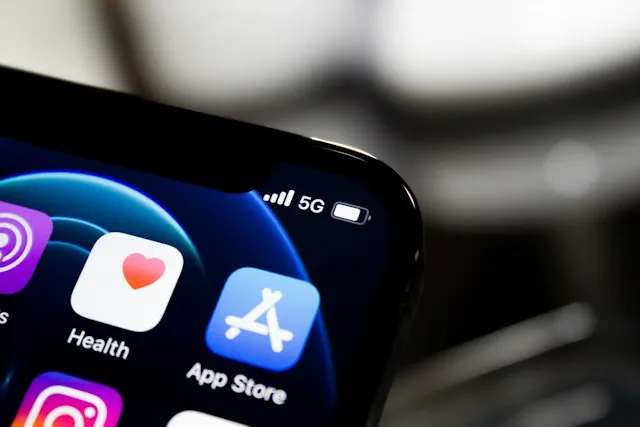
Here's where the iPhone story gets really interesting — its true legacy lies not just in what it was, but in the economic and technological ecosystem it unleashed. The original iPhone was impressive, sure, but it was really just the foundation for something much bigger. The introduction of the App Store in iPhone OS 2.0 constituted a revolutionary shift, fundamentally changing our interaction with devices, creating an entirely new economy around mobile applications.
This shift transformed how we think about device functionality. Before the App Store, if you wanted new functionality on your phone, you were stuck with whatever the manufacturer included. The concept of thousands of developers creating specialized applications for your device was revolutionary. The App Store now provides a platform for developers to create and distribute over 1.8 million apps, spawning entirely new industries, business models, and categories of companies that couldn't have existed before.
The competitive response was equally remarkable. The iPhone didn't just succeed — it forced every other phone manufacturer to completely rethink their approach to mobile computing. Android and iOS together now hold more than 99% of the global mobile operating system market, with the iPhone's influence extending far beyond Apple's own devices to reshape industry-wide standards for user interface design, app distribution, and mobile computing architecture.
Where it all led: From 2007 to today's mobile world
Looking back at that January day in 2007, it's remarkable to consider how completely the iPhone transformed not just Apple, but the entire relationship between humans and technology. The numbers tell an incredible story of sustained innovation and market expansion. The device that helped turn Apple into one of the planet's most valuable corporations has continued evolving, with Apple reporting more than 2 billion active devices in its installed base as of February 2023.
But the most profound impact extends beyond market metrics. iOS has had a profound impact on the tech industry, with its app ecosystem leading to billion-dollar companies and evolving the software development landscape. Companies like Uber, Instagram, WhatsApp, and TikTok exist because the iPhone created the technical and economic infrastructure for mobile-first experiences. We're living in a world where your phone serves as your camera, GPS, entertainment system, bank, shopping mall, and connection to everyone you know.
As we use our smartphones today for everything from augmented reality to artificial intelligence integration, we're witnessing the continued evolution of the vision Steve Jobs articulated in 2007. The iPhone didn't just introduce a better phone — it established a new paradigm for human-computer interaction that continues expanding into areas like spatial computing, wearable technology, and ambient intelligence that would have seemed like science fiction just two decades ago.



Comments
Be the first, drop a comment!