





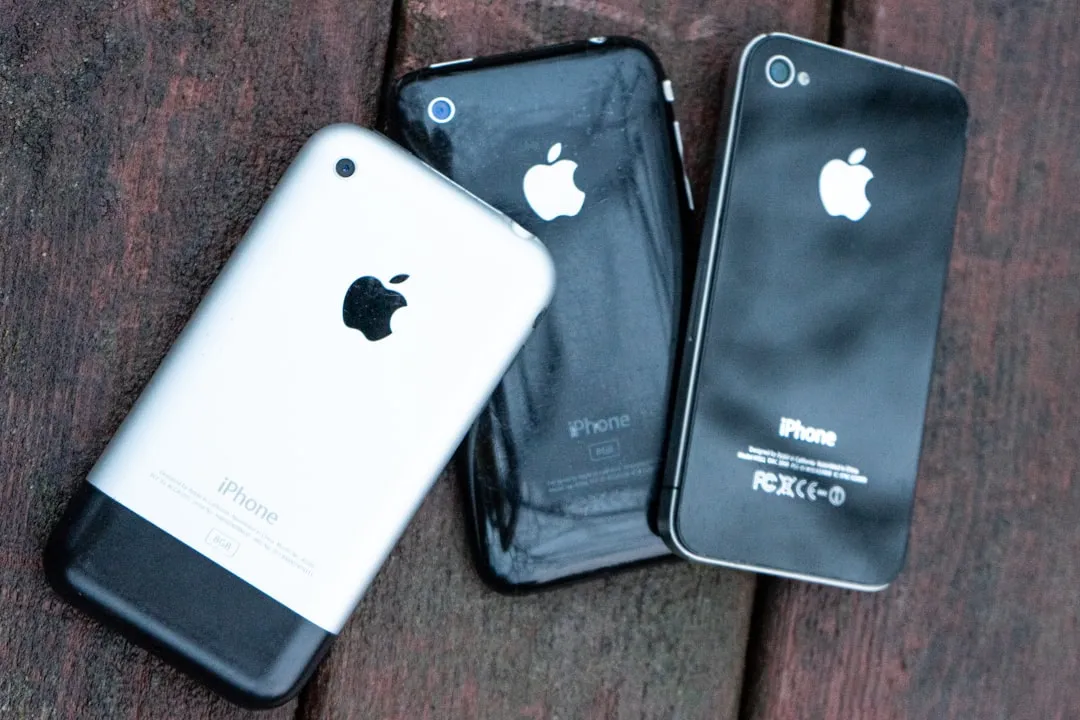
The iPhone is facing a perfect storm of challenges that could reshape Apple's trajectory in 2025 and beyond. While the company has weathered market fluctuations before, this convergence of declining sales and surging production costs presents a more complex puzzle than previous downturns.
Recent market analysis reveals troubling trends that signal deeper structural shifts rather than typical seasonal variations. TechInsights research indicates iPhone prices could surge by 10-30% in the second half of 2025, while Counterpoint Research has slashed its 2025 global smartphone shipment growth forecast from 4.2% to just 1.9%. Apple's own shipment expectations have been trimmed from 4% growth to 2.5%, according to Counterpoint Research.
Let's break down what's driving these predictions and what they mean for Apple's ecosystem moving forward.
The tariff tsunami reshaping iPhone economics
New U.S. tariffs are fundamentally altering the iPhone's cost structure in ways that could dramatically impact consumer pricing. TechInsights analysis shows that tariffs on Chinese-made goods may raise iPhone prices by up to 30% in 2025, with current tariff rates now standing at 145% on products manufactured in China, according to Time.
The economics here reveal just how precarious Apple's position has become: a current $1,000 iPhone could potentially cost more than $3,000 if production shifted entirely to the U.S., Time reports. This dramatic cost increase stems from Apple's heavy reliance on Chinese manufacturing—the company manufactures 90% of its products in China, as noted by Reuters, creating unprecedented supply chain vulnerability.
Apple's response reveals the urgency of these pressures. The company is fast-tracking production in India to offset costs, with this diversification strategy already showing measurable results. One-fifth of total iPhone imports to the United States now come from India rather than China, Reuters data shows, representing the fastest geographic production shift in Apple's history.
Demand signals flash warning across key markets
The sales picture presents increasingly concerning patterns that suggest deeper competitive pressures rather than temporary fluctuations. In China, Apple experienced what CEO Tim Cook called a "surprise decline" in iPhone sales, according to Times of India, which the company attributed to supply disruptions rather than demand issues.
However, the underlying data reveals more troubling competitive dynamics. CNBC reports that iPhone shipments in China fell 25% in the fourth quarter and 17% for the entire year 2024, suggesting Apple is losing ground to local competitors like Huawei who are gaining market share with increasingly sophisticated offerings at lower price points.
The U.S. market is showing early warning signs that mirror historical patterns preceding broader demand slowdowns. Lead times for iPhone 17 models in America have fallen sharply, with some models reaching zero-day delivery estimates, according to Techi. This contrasts sharply with longer wait times in other regions like China and Europe, where sustained international demand suggests the U.S. market may be approaching saturation levels that could impact Apple's largest revenue base.
Why Apple Intelligence isn't driving upgrades yet
One of the most critical factors in Apple's current challenges is the slower-than-expected adoption of artificial intelligence features that were supposed to drive the next upgrade cycle. Oppenheimer analysts have expressed concern about the lack of compelling Apple Intelligence and generative AI applications to accelerate device replacement cycles, CNBC reports.
Apple's cautious rollout strategy is creating competitive gaps at a crucial moment. Improvements to voice assistant Siri have been delayed until 2026, according to Reuters, while competitors like Samsung and Google are already delivering AI features that consumers are experiencing firsthand. Apple even pulled a commercial promoting AI functionalities that weren't yet available, highlighting the gap between marketing promises and actual capabilities.
This measured approach reflects Apple's privacy-first philosophy, but Reuters notes that Apple has been slower to roll out important AI features compared to rivals, potentially dampening consumer enthusiasm for upgrades precisely when the company needs AI differentiation to justify premium pricing amid rising costs.
What this means for Apple's ecosystem strategy
Despite these hardware headwinds, Apple's broader ecosystem continues to demonstrate resilience that could reshape the company's strategic priorities. Services revenue, which includes the App Store, music, and cloud storage, reached $27.42 billion in the most recent quarter, Reuters reports, beating analyst expectations of $26.8 billion.
This services growth becomes strategically crucial as it represents revenue streams completely insulated from manufacturing tariffs and supply chain disruptions. Apple's services business generated $96 billion in revenue last fiscal year, according to Fortune, providing substantial buffer against hardware margin pressures while suggesting a potential pivot toward software-centric revenue models.
Apple is also finding success in strategic international markets that could offset Chinese competitive pressures. The company reached a new high for September-quarter revenue from services in China, Times of India reports, while strong demand for the iPhone 16e in India helped Apple capture the top spot for global smartphone sales in recent quarters, Reuters notes.
Apple's long-term positioning reveals adaptation to new political and economic realities. The company's $500 billion investment commitment and plan to hire 20,000 people in the U.S. through 2028, as reported by Time, demonstrates strategic flexibility while notably avoiding domestic iPhone manufacturing commitments—a signal that Apple recognizes the economic constraints of bringing production home.
Bottom line: Apple faces a challenging transition period where traditional iPhone growth patterns are being disrupted by external economic forces and internal strategic shifts. The company's ability to navigate rising costs while accelerating AI innovation will likely determine whether these current headwinds represent a temporary setback or a more fundamental shift toward a services-centric business model. For consumers and investors alike, the next 18 months will reveal whether Apple's ecosystem resilience can offset the iPhone's evolving challenges in an increasingly complex global landscape.








Comments
Be the first, drop a comment!