



Japan's Mobile Software Competition Act has just shaken up Apple's carefully controlled ecosystem, and the ripple effects are already being felt across the tech industry. Apple recently announced sweeping changes to its App Store operations in Japan, responding to new regulatory requirements that mirror Europe's Digital Markets Act. The changes include new app distribution options for developers and alternative payment rules for the App Store, fundamentally altering how Japanese users interact with their iPhones. These modifications went into effect on December 18, marking a significant shift in Apple's traditionally rigid platform control.
What's actually changing in Japan's App Store
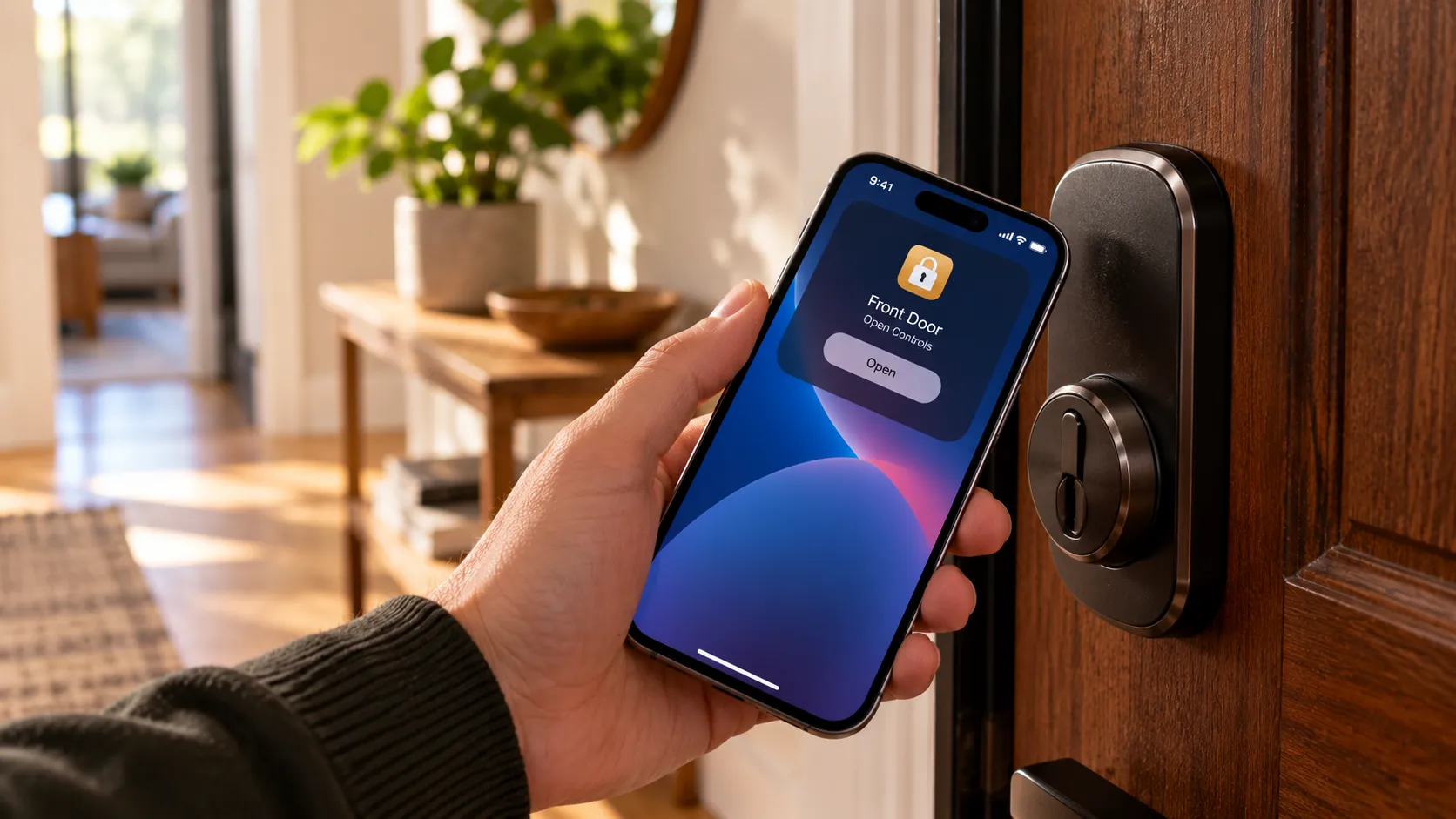
Here's where things get really interesting. The transformation goes far beyond simple policy tweaks - we're talking about structural changes to app distribution that could reshape the mobile landscape. Japanese developers can now distribute their apps using alternative app marketplaces instead of relying solely on the App Store. Even more significant? Users will be able to set these alternative marketplaces as their default option, giving consumers genuine choice in how they discover and install apps.
Now here's the thing that caught my attention: any developer can build an app marketplace. That's right - there's no gatekeeping for who gets to create these alternative distribution channels. But before you get too excited, these platforms must handle fraud prevention, customer support, and refunds themselves. It's like Apple saying "fine, you can build your own store, but you're responsible for everything that goes wrong."
The payment revolution is equally dramatic. Developers can now offer digital goods and services using alternative payment processors, though they're still required to present Apple In-App Purchase as an option. What's particularly noteworthy is that purchase screens must display third-party payment options alongside Apple's system, with developers required to make in-app purchase buttons at least as prominent as other options. The system allows for end-to-end checkout directly within apps or links to external websites for purchases - a flexibility that developers have been demanding for years.
The new fee structure that has Epic fuming
Let's break down Apple's response to Japan's regulations, because this fee structure is both clever and controversial. Apple has created a completely restructured commission system that varies dramatically based on how and where you distribute your app - think of it as a sliding pricing menu where your choices determine your costs.
For apps staying on the traditional App Store, the changes are actually pretty generous. These apps will pay a reduced commission of 21% for digital goods and services, with developers in certain programs paying just 10%. The "certain programs" include the Small Business Program (for developers earning less than $1 million annually), the Video Partner Program, and the Mini Apps Partner Program.
But here's where Apple gets creative with the math. If you use Apple's payment system on top of the base App Store distribution, there's an additional 5% fee. However, purchases made through website links carry a 15% commission rate (or 10% for program participants). It's essentially a tiered pricing structure that rewards developers for going fully external while maintaining some revenue streams from those who prefer Apple's integrated services.
The most dramatic change involves apps distributed outside the App Store entirely. These applications will pay just a 5% commission on digital goods sales, including paid apps themselves. This represents a massive reduction from Apple's traditional 30% commission structure - the kind of rate that could fundamentally change app economics.
Now, Apple says developers that sell digital goods and services in Japan will pay the same or less than they do today, though the complexity of the new system makes direct comparisons challenging. What's concerning critics is that this approach mirrors Apple's controversial strategy in Europe, where the company created multiple overlapping charges that technically comply with regulations while potentially discouraging developer adoption.
Industry critics aren't buying Apple's "good guy" narrative here. Similar European changes have been called "blatantly unlawful", with critics arguing that Apple makes "a mockery of fair competition in digital markets" through fee structures designed to discourage developers from using alternatives. The concern is that Japan's complex pricing tiers could create similar barriers to genuine competition, despite the lower headline rates.
Beyond payments: Siri loses its monopoly
What really surprised me about Japan's regulations is how they extend into core iPhone functionality that Apple has jealously guarded since the device's inception. We're not just talking about payment processing here - we're looking at changes that could alter how people interact with their phones on a daily basis.
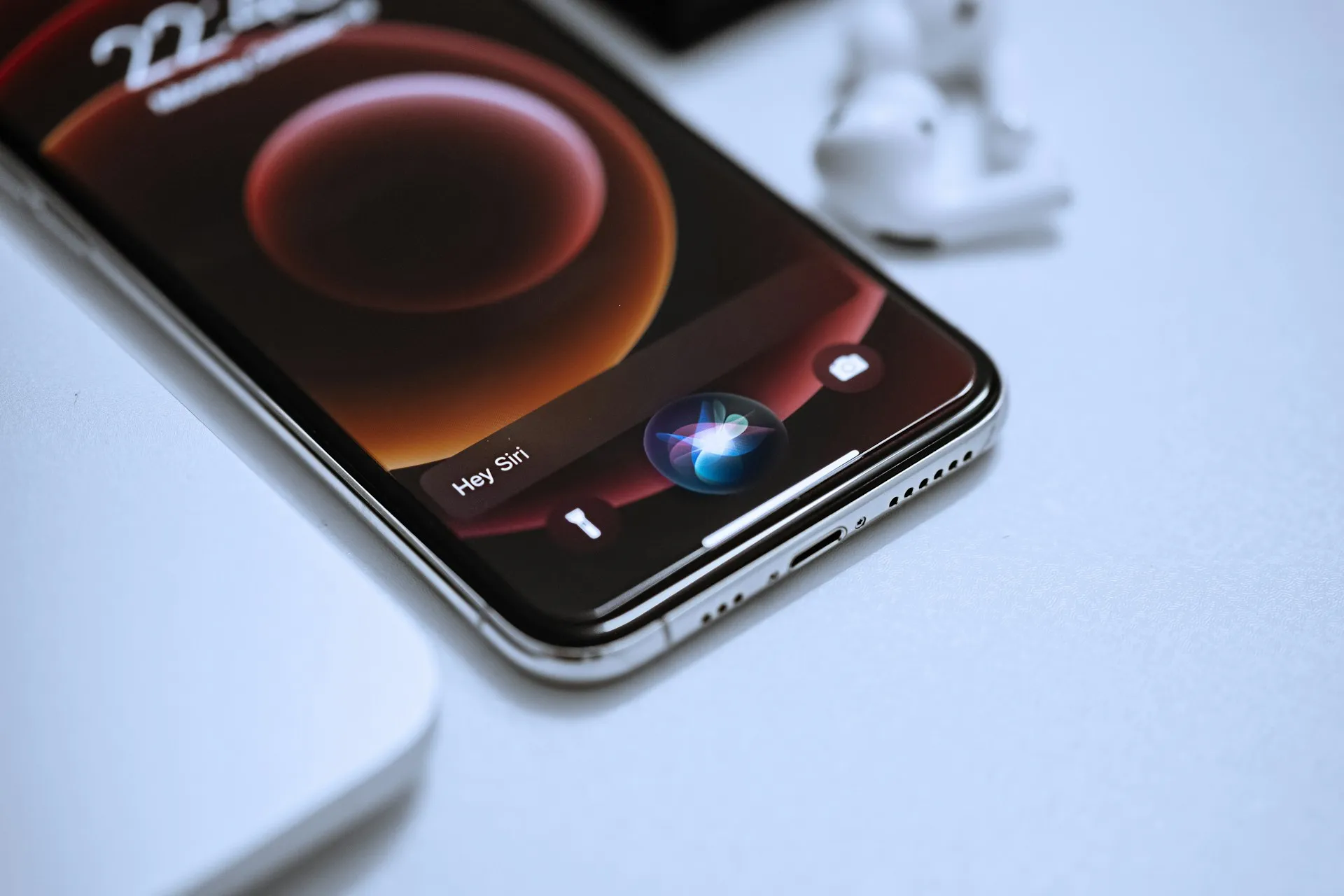
Starting with iOS 26.2, users can configure third-party voice assistants to activate via the iPhone's side button instead of Siri. Let that sink in for a moment - this breaks Apple's monopoly on voice assistant integration at the hardware level. It's hard to overstate how significant this is, considering Apple has traditionally treated Siri integration as a core differentiator and control mechanism.
The changes also introduce new default app controls that Apple has resisted for years. Users will see browser choice and search engine selection screens, similar to what European users experienced under the Digital Markets Act. Japanese users can also select different apps as their default navigation option, reducing Apple's control over core user experiences in ways that could influence user behavior patterns.
For developers, this opens up technical opportunities that were previously impossible. Alternative browser engines are now permitted with strict security requirements, potentially enabling truly competitive browsing experiences on iOS for the first time. There's also a formal process for requesting interoperability with core iPhone and iOS technologies, suggesting Apple may be forced to open additional platform capabilities over time.
You might be wondering how Apple feels about these broader platform changes. Based on their public statements, they're expressing serious concerns - Apple says that Japan's MSCA requirements for alternative app marketplaces and app payments open new avenues for malware, fraud and scams, and privacy and security risks. However, Apple retains ability to protect users from malware and other security risks through their Notarization process, maintaining some security oversight even for alternative distribution channels.
What this means for the global app economy
Bottom line: Japan's regulatory approach provides a fascinating middle ground between the United States' hands-off stance and Europe's aggressive intervention. Unlike the EU's Digital Markets Act, Japan's Mobile Software Competition Act appears more focused on enabling choice and fostering competition rather than punishing big tech companies through fines and confrontational enforcement.
What's particularly interesting is that Apple worked with Japanese regulators to preserve some guardrails, particularly around child protection features. Apps in the Kids category won't include links to websites for transactions, and users under 18 must navigate parental gates for alternative payment processing. This collaborative approach seems to have resulted in changes that both sides can live with, contrasting sharply with the adversarial relationship we've seen in Europe.
The timing couldn't be more significant for the broader regulatory landscape. These changes come as jurisdictions worldwide watch closely to see how tech giants respond to competition laws. Apple's complex fee structures in Europe drew criticism for technical compliance while discouraging actual use, but Japan's approach - with its dramatically lower 5% rate for external distribution - seems designed to encourage genuine adoption of alternative systems rather than merely checking regulatory boxes.
For developers worldwide, Japan represents a crucial testing ground for post-monopoly app economics. The 5% commission rate for apps distributed outside Apple's store could become a benchmark for what developers consider acceptable platform fees globally. This dramatic reduction from the traditional 30% rate demonstrates that alternative distribution models can work at scale while still providing platform value and maintaining security standards.
The changes also highlight how regional regulations can force global platform modifications without years of legal battles. Apple's willingness to implement these changes specifically for Japan, rather than fighting them in court, suggests the company recognizes the inevitability of increased regulatory pressure worldwide. As more countries develop their own digital competition laws, we're likely to see similar modifications rolled out globally, fundamentally reshaping how we think about app stores and platform control.
What makes Japan's approach particularly noteworthy is its emphasis on practical implementation over punitive measures. While Europe fined Apple €500 million for Digital Markets Act violations, Japan seems more interested in creating workable alternatives that benefit consumers and developers alike. This pragmatic approach might serve as a model for other regulators looking to open up digital markets without creating adversarial relationships with platform operators - potentially leading to faster, more sustainable changes across the industry.








Comments
Be the first, drop a comment!