



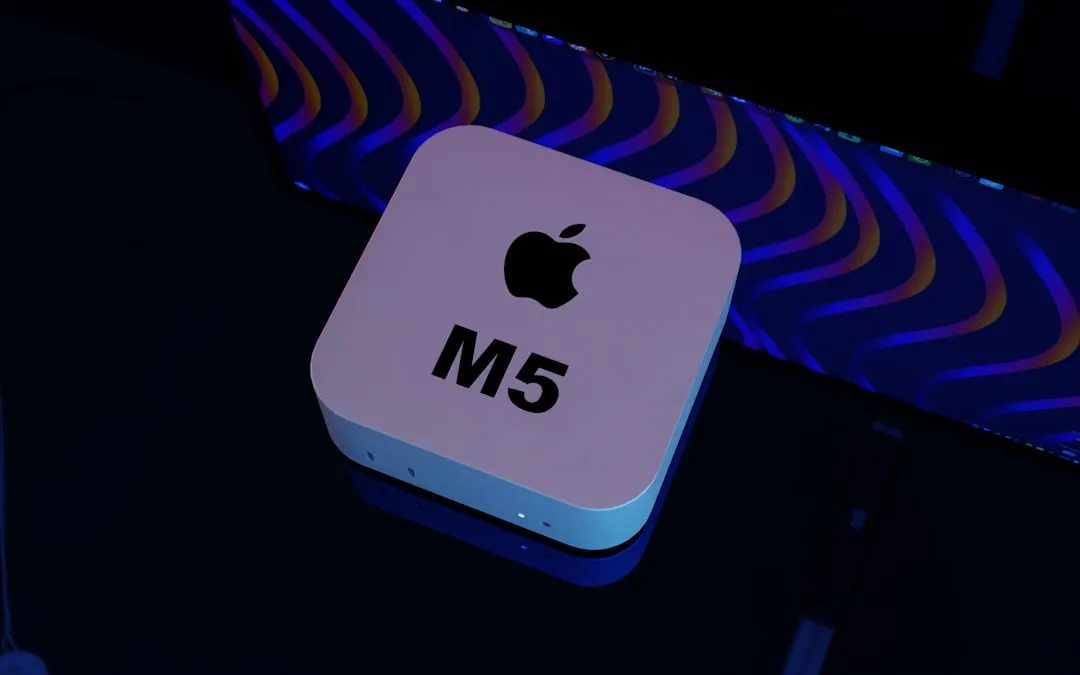
The M5 MacBook Air has arrived, and early reviews paint a picture of meaningful upgrades paired with a price reality check that has Apple fans doing some mental math. With enhanced performance capabilities, faster storage speeds, and expanded base configurations, this latest iteration represents more than just an incremental update. However, the $100 price increase has sparked conversations about value propositions in an increasingly competitive laptop market.
Reviews consistently highlight several key improvements that distinguish the M5 from its predecessors, while the pricing adjustment reflects broader market pressures and component costs. For potential buyers weighing upgrade decisions, understanding these changes becomes crucial for making informed purchasing choices.
Performance gains that actually matter in daily use
The M5 chip delivers notable performance improvements over previous MacBook Air models, with reviewers documenting measurable gains across various computing tasks. These aren't just numbers on a spec sheet—they translate into real benefits you'll actually notice during your workday, particularly when handling demanding applications.
Early testing reveals significantly improved efficiency in video editing workflows, with faster export times and smoother scrubbing through 4K footage. Development work sees faster compilation times, while general multitasking performance handles more simultaneous applications without the stuttering that older models might exhibit. If you're someone who regularly juggles multiple browser tabs, productivity apps, and creative software, these improvements make a tangible difference in your daily workflow efficiency.
The enhanced neural engine capabilities also provide better support for machine learning tasks and AI-powered applications that are becoming increasingly common in professional workflows. This means faster photo processing in apps like Lightroom, improved real-time transcription, and smoother performance with AI writing assistants.
What's particularly noteworthy is how the graphics performance has evolved. Reviewers are noting improved frame rates in supported games and substantially better performance in graphics-intensive creative applications like Motion and After Effects. This advancement pushes the MacBook Air into territory that previously required stepping up to MacBook Pro models—a significant shift for what's traditionally been Apple's "lightweight" laptop option.
For users running typical productivity apps, web browsing, and light creative work, you might not push these performance limits daily. But having that extra computational headroom means your laptop won't feel sluggish as software demands increase over its lifespan, extending its useful life.
Storage speed improvements and the doubled base capacity
One of the most significant changes involves storage configurations, and it addresses a long-standing user frustration. Apple has doubled the base storage capacity from 256GB to 512GB while simultaneously improving SSD performance speeds. Reviews indicate faster file transfers, quicker application launches, and improved overall system responsiveness that you'll notice from the moment you power on.
The enhanced storage performance creates compound benefits that build on the M5's processing improvements. Video editors moving around 4K footage will see dramatically reduced file transfer times, while photographers managing massive RAW libraries can navigate their collections more fluidly. Developers juggling substantial codebases experience faster project builds and smoother version control operations.
Even for everyday users, these storage improvements enhance the performance gains in meaningful ways. Application launches that benefited from the M5's processing power become even snappier thanks to faster data retrieval. Boot times and wake-from-sleep performance contribute to a more responsive experience that makes the overall performance improvements feel more substantial.
The doubled base storage capacity also shifts the value equation significantly. Previously, many users felt compelled to upgrade to higher storage tiers immediately, adding $200-400 to their purchase. With 512GB as the starting point, more users can comfortably work within the base configuration, making the $100 price increase feel more reasonable when viewed against the potential savings from avoiding storage upgrades.
This storage strategy reflects Apple's understanding of modern workflow demands, where cloud storage supplements but doesn't replace local storage needs for active projects and frequently accessed files.
Connectivity upgrades: Wi-Fi 7 and Bluetooth 6 integration
The M5 MacBook Air introduces next-generation wireless connectivity with Wi-Fi 7 and Bluetooth 6 support, representing future-proofing that complements the performance and storage improvements. While your current network might not fully utilize Wi-Fi 7's capabilities today, these upgrades ensure your laptop stays relevant as infrastructure evolves.
Wi-Fi 7 support delivers faster data transfer speeds and improved reliability in congested network environments—think crowded conferences, busy coffee shops, or offices with dozens of connected devices. The enhanced wireless capabilities particularly benefit users who rely heavily on cloud-based workflows, enabling faster syncing of large files and more responsive cloud application performance that leverages the M5's processing improvements.
The connectivity upgrades create synergies with the enhanced storage and performance capabilities. Faster wireless speeds mean you can more efficiently utilize cloud storage as extended workspace, while improved reliability ensures that the M5's enhanced processing power isn't bottlenecked by network limitations during collaborative work or cloud rendering tasks.
Bluetooth 6 integration offers practical daily improvements: enhanced audio quality that makes your AirPods sound noticeably better, more reliable device pairing that eliminates those frustrating connection drops, and better power efficiency for connected accessories. For professionals who rely on wireless peripherals throughout their workday—external mice, keyboards, or presentation remotes—these improvements enhance the overall user experience in ways that complement the core performance gains.
The $100 price hike: analyzing value in context
The most discussed aspect of the M5 MacBook Air involves the $100 price increase, which requires careful analysis within the context of the substantial improvements. This pricing adjustment reflects broader industry trends, component costs, and Apple's strategic positioning in an increasingly competitive premium laptop market.
When evaluating the price increase against the comprehensive improvements—doubled storage, significant performance gains, and next-generation connectivity—the value proposition becomes more favorable than it initially appears. The storage capacity increase alone would have cost $200 as an upgrade on previous models, making the $100 premium represent a net savings for users who needed more storage.
However, the pricing change does affect competitive positioning. The higher entry point may direct some budget-conscious buyers toward older MacBook Air models or Windows alternatives, while also narrowing the gap with MacBook Pro pricing. This creates a more challenging decision matrix for consumers comparing across Apple's laptop lineup.
The price increase also reflects Apple's confidence in the improvements' value. By bundling traditionally premium features (larger storage, enhanced connectivity) into the base model, Apple is betting that users will recognize the long-term value despite the higher upfront cost.
For users whose current devices adequately meet their needs, the price increase adds complexity to upgrade decisions. The improvements are substantial, but the higher cost threshold requires more careful consideration of whether current limitations justify the investment.
What this means for your next laptop decision
The M5 MacBook Air represents a comprehensive evolution that addresses multiple pain points simultaneously—performance limitations, storage constraints, and connectivity future-proofing. The improvements work together synergistically, creating an experience that feels more substantial than the sum of individual upgrades.
For users running MacBook Air models from 2020 or earlier, the cumulative improvements justify the upgrade investment. The performance gains, doubled storage, and enhanced connectivity create a significantly better daily computing experience that will remain relevant longer than previous generations.
First-time MacBook buyers face a compelling entry point despite the higher price. The enhanced base specifications reduce the likelihood of needing immediate upgrades or feeling constrained by the base configuration, potentially providing better long-term value through extended useful life.
Current MacBook Air users from 2021-2022 models should evaluate whether they're hitting specific limitations. If storage constraints are forcing cloud-heavy workflows, or if performance bottlenecks interrupt your productivity, the M5's improvements directly address these issues.
PRO TIP: Consider your usage patterns over the next 3-4 years rather than just current needs. The M5's improvements in processing, storage, and connectivity are designed to handle increasingly demanding software and workflows. If you're planning to expand into more demanding creative work, development, or productivity tasks, the enhanced capabilities provide valuable headroom for growth.
The key takeaway is that the M5 MacBook Air successfully elevates the entire user experience across multiple dimensions while maintaining the thin, light design that defines the Air lineup. Whether this translates to good personal value depends on your specific workflow demands, budget flexibility, and how much the cumulative improvements matter to your computing future.













Comments
Be the first, drop a comment!