



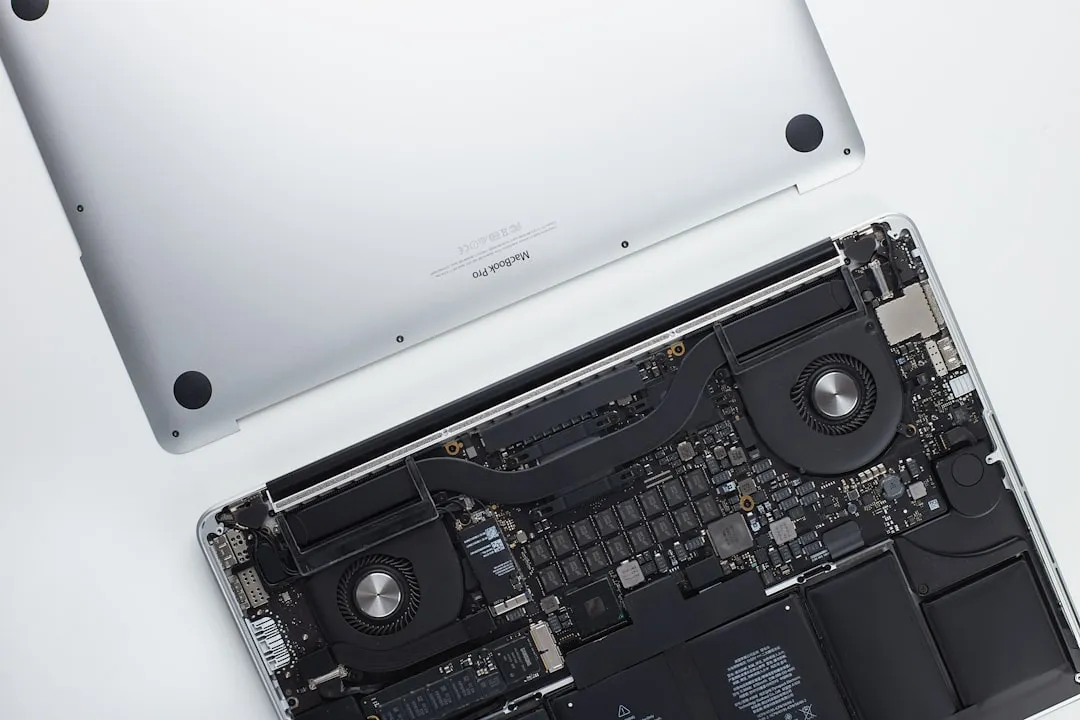
The latest MacBook teardown from iFixit has revealed something remarkable: Apple has delivered the most repairable MacBook battery system we've seen in over a decade with MacBook Neo. This is a turning point in how Apple approaches device serviceability, potentially signaling broader changes across its entire laptop lineup.
The timing couldn't be more significant. With the European Union's replaceable battery regulations looming and growing consumer demand for sustainable tech, Apple's move toward enhanced repairability feels both strategic and necessary. But what does this actually mean for users, and how does it stack up against the competition?
I've been following Apple's design philosophy for years, and this feels like a genuine pivot moment. For the longest time, the company seemed almost allergic to the idea of user-serviceable components. Remember when they switched to those notorious adhesive battery strips that turned simple battery swaps into exercises in patience and precision? Well, it looks like those days might finally be behind us.
What makes this battery design so special?
The standout feature isn't flashy—it's practical. iFixit discovered that the MacBook Neo uses a screw-in battery system, moving away from adhesive strips in this model. This approach dramatically reduces the time and skill required for battery replacement, transforming what was once a delicate procedure into a straightforward maintenance task.
Anyone who's ever attempted to replace a MacBook battery knows the old drill: carefully heat the device to soften the adhesive, gingerly pull those pull-tabs (praying they wouldn't snap), and hope you didn't puncture anything important in the process. One wrong move and you'd be looking at a much more expensive repair bill. The new screw-based system changes everything—instead of requiring heat guns and specialized prying tools, you're looking at a standard Phillips head screwdriver operation.
Beyond the battery breakthrough, Apple has implemented modular port designs that allow individual components to be replaced rather than requiring entire logic board swaps. The display and keyboard assemblies have also been redesigned for easier servicing, with a more accessible internal layout and modular components. This means that if your USB-C port starts acting up, you're not looking at a complete motherboard replacement anymore—that's the difference between a modest repair and a $500+ bill in many cases.
How does this compare to previous MacBook generations?
The contrast with earlier MacBook designs is striking. Previous generations relied heavily on adhesive strips for battery attachment, a method that often led to damaged components during removal attempts. The new screw-based system eliminates this risk while maintaining the slim profile that Apple users expect.
Let me put this in perspective: The 2016-2020 MacBook Pro models were notorious for their repair complexity, with repair shops often charging premium rates just because of the risk involved. The adhesive battery situation was so problematic that many technicians treated it as a high-stakes procedure.
When compared to competitors like Framework's modular laptop approach, Apple's solution strikes a different balance. While Framework prioritizes complete modularity—allowing users to swap ports, upgrade components, even change entire motherboards—Apple focuses on serviceable components while maintaining their signature design aesthetic and build quality.
Framework's approach results in impressive modularity but also a chunkier, more utilitarian design. Apple's strategy feels more like "repairability with refinement"—they're not making everything user-swappable, but they are making the most failure-prone components much easier to service. It's a targeted solution that fits better with Apple's overall design philosophy.
What are the tradeoffs and limitations?
Despite these repairability improvements, some components remain challenging to service. The RAM and SSD are still soldered directly to the logic board, limiting upgrade possibilities after purchase. This design choice reflects Apple's continued emphasis on performance optimization and space efficiency, even as they embrace greater serviceability in other areas.
Let's be realistic about what hasn't changed. If you're hoping to upgrade your RAM or storage down the line, you're still out of luck. Apple has doubled down on its unified memory architecture and soldered storage, which means what you buy is what you get for the life of the device.
This creates an interesting design philosophy tension. Apple is essentially saying, "We want you to be able to fix this device," while simultaneously maintaining, "but we're not going to let you modify its core capabilities." From their perspective, this probably makes sense—they get the benefits of improved repairability while maintaining control over the user experience and their profit margins on higher-spec models.
The modular approach also introduces potential points of failure that weren't present in completely integrated designs. More connectors mean more potential failure points, and more removable components create opportunities for things to work loose over time. However, early assessments suggest Apple's engineering team has managed these risks while maintaining its reliability standards.
What does this signal for future Apple designs?
This shift toward repairability likely extends beyond a single product refresh. The European Union's upcoming battery replacement regulations will affect all manufacturers selling in that market, making serviceability a competitive necessity rather than just a nice-to-have feature.
Regulatory pressure has a way of accelerating changes that companies might have been considering anyway. Since Europe represents such a significant portion of Apple's revenue, it can't simply ignore these requirements. But I think there's more to this story than just regulatory compliance—Apple has been dealing with growing criticism about its environmental impact and device longevity for years. This move toward greater repairability allows them to address those concerns while potentially reducing their own warranty and service costs.
The implications for upcoming MacBook Air and Pro models are significant. If Apple can maintain its design standards while improving serviceability across its entire laptop lineup, this would represent the most substantial change in MacBook design philosophy since the introduction of the unibody construction method.
Think about the broader strategy: if this approach proves successful, the engineering work is already done, the supply chain implications are understood, and the market response will have been tested. There's no reason Apple wouldn't roll it out across its entire laptop range.
The bigger picture: where repairability meets innovation
Apple's enhanced focus on battery serviceability is in part a response to regulatory pressure and also a shift in how premium laptop manufacturers approach the balance between form and function. By proving that repairability doesn't require sacrificing design elegance, Apple may have created a new template for sustainable premium computing.
What's particularly fascinating is how this challenges long-held industry assumptions. For years, the conventional wisdom was that you had to choose between thin, elegant designs and serviceable, repairable products. Apple's new approach suggests that maybe that was always a false choice.
The MacBook's approach could influence industry standards, pushing other manufacturers to reconsider their own serviceability strategies. For consumers, this means longer device lifespans, lower long-term ownership costs, and reduced environmental impact—benefits that extend far beyond the immediate convenience of easier battery replacement.
Bottom line: This isn't just about making battery swaps easier (though that's certainly welcome). It's about Apple acknowledging that premium doesn't have to mean disposable. If they can execute this philosophy across their entire lineup while maintaining the build quality and design aesthetic that made MacBooks popular in the first place, they'll have solved one of the most persistent tensions in modern consumer electronics.
The ripple effects could be enormous. Other premium laptop manufacturers will be watching closely to see how the market responds. If consumers embrace this approach—and early signs suggest they will. This is the kind of change that benefits everyone: manufacturers, consumers, and the environment alike.











Comments
Be the first, drop a comment!