



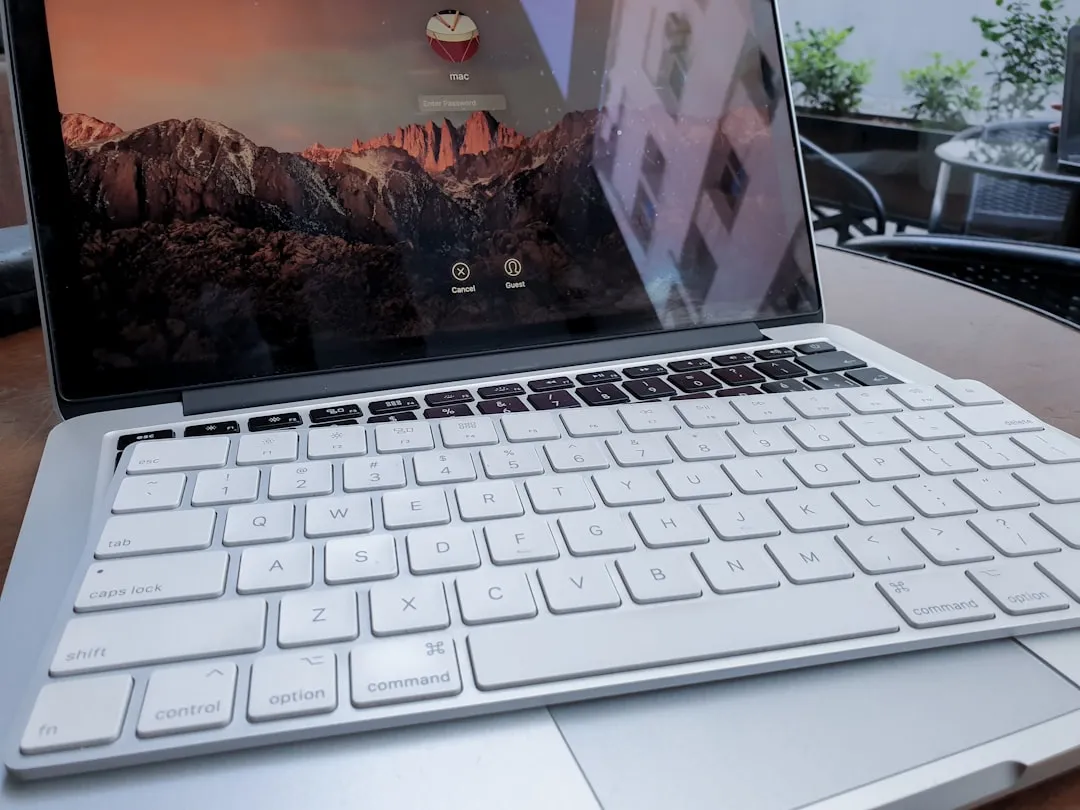
Apple's quest for the perfect budget portable has been a decades-long journey filled with ambitious experiments, market missteps, and occasional breakthroughs. The rumored MacBook Neo represents just the latest chapter in this ongoing story that stretches back to the mid-1980s when the company first recognized that not every customer needed (or could afford) their flagship machines. Understanding this historical context reveals why Apple continues to wrestle with the fundamental tension between maintaining premium brand positioning and capturing price-sensitive market segments.
What makes this journey particularly fascinating is how each failed experiment became a stepping stone toward understanding what budget computing could look like without compromising the core Apple experience. From plastic PowerBooks that felt too cheap to new designs that redefined affordable computing, Apple has been slowly building the expertise needed to crack this challenging market segment.
The early experiments: PowerBook's budget siblings
Apple's first serious attempt at affordable portability emerged in the early 1990s with machines that promised flagship-level functionality at significantly reduced price points. These early budget portables were, frankly, a mixed bag. Picture this: you had machines with compromised displays that made text look fuzzy, processors that couldn't quite keep up with basic tasks, and plastic construction that felt noticeably cheaper than their aluminum-clad premium counterparts.
The real revelation came when Apple discovered that customers could immediately sense the difference between thoughtless cost-cutting and strategic compromise. A slower processor paired with adequate RAM felt acceptable; a decent processor hobbled by insufficient memory felt broken. This nuanced understanding of user perception versus actual performance limitations would become crucial to Apple's evolving budget strategy.
What emerged from these early experiments was a basic principle: budget portable success required engineering from the ground up rather than simply removing features from existing designs. The PowerBook budget siblings taught Apple that you couldn't just strip away premium components and expect to maintain the user experience that defined Mac computing.
The iBook revolution and its lasting impact
The late 1990s brought Apple's most successful budget portable experiment with the iBook—a machine that redefined what affordable computing could look like. Remember those translucent, colorful shells? They were bold, playful, and absolutely nothing like the beige boxes that dominated the budget laptop market at the time.
The iBook proved something: budget devices didn't need to sacrifice design appeal or build quality to hit lower price points. In fact, making them visually distinctive could actually be an advantage. While other companies were racing to the bottom with increasingly generic designs, Apple zigged where everyone else zagged.
This success taught Apple how its brand strength could work in its favor across price segments. Instead of hiding behind generic design language to justify lower costs, the iBook celebrated its position as an accessible Apple product. This approach influenced everything from marketing messaging to retail positioning, showing that budget didn't mean embarrassed or apologetic—it meant focused on different priorities while maintaining Apple DNA.
The iBook's market reception also revealed something crucial about customer psychology: people were willing to pay a premium over generic budget laptops for distinctive design and reliable performance, even if that premium was smaller than Apple's traditional flagship margins. This insight would prove essential for modern budget portable strategies.
Modern challenges in the budget portable landscape
Today's market presents obstacles that didn't exist during Apple's earlier budget portable experiments. Component costs have shifted dramatically—back in the iBook era, you could save significant money by using a slower processor or less RAM. Today, even budget components are relatively sophisticated, which means the cost savings from stepping down aren't as dramatic as they used to be.
Supply chain optimization adds complexity since Apple's modern manufacturing is engineered for premium products with healthy margins. This creates a ripple effect where budget constraints require rethinking not just materials and components, but entire assembly processes and quality control systems designed around higher-margin assumptions.
These manufacturing realities directly impact what customers can expect from budget portables today. A budget laptop in 2024 needs to handle video calls smoothly, run multiple apps without hiccupping, and provide decent battery life—capabilities that are now table stakes rather than luxury features. Budget Windows machines have raised the performance floor considerably, offering solid processors, decent displays, and adequate build quality at aggressive price points that Apple must now compete against.
The competitive pressure is particularly intense because generic laptop manufacturers can focus purely on specifications and price, while Apple must maintain the integrated hardware-software experience that justifies the Mac premium. This creates a much narrower target for successful budget portable positioning than existed during the simpler computing landscape of the iBook era.
What the MacBook Neo reveals about Apple's strategy
The rumored specifications and positioning of the MacBook Neo suggest Apple has synthesized lessons from 35 years of budget portable experimentation into a more sophisticated approach than simple feature reduction. The key insight appears to be leveraging Apple's unique advantages—particularly their M-series processors and manufacturing scale—to create performance efficiency that wasn't possible in earlier budget attempts.
Its silicon control means Apple can optimize performance allocation in ways that generic laptop manufacturers cannot. Maybe the MacBook Neo doesn't need to excel at video editing, but it can deliver exceptionally smooth everyday computing through targeted hardware-software integration. This represents a fundamental evolution from the iBook era's approach of accepting performance limitations to actively engineering around them.
Manufacturing maturity plays an equally important role. Apple's aluminum unibody production capabilities, once reserved for premium products due to complexity and cost, can now potentially support lower price points through sheer scale and process refinement. This allows them to maintain distinctive Apple build quality—a crucial lesson from early budget portable failures—while hitting more aggressive pricing targets.
The strategic sophistication shows in how the Neo reportedly positions itself not as a stripped-down MacBook Air, but as a purposefully designed entry point into the Mac ecosystem. This reflects Apple's services-driven business model, where the initial hardware sale becomes less important than long-term customer value through software, services, and eventual premium product upgrades.
Where budget portables fit in Apple's future
The MacBook Neo's development signals Apple's recognition that sustainable growth requires expanding its addressable market beyond traditional premium segments, but in a way that strengthens rather than dilutes its brand position. This represents a maturation of the budget portable concept from a necessary evil to a strategic opportunity.
The ecosystem integration approach transforms the traditional budget laptop value proposition. Instead of simply offering less expensive hardware, Apple can position affordable portables as full-featured entry points that become more valuable over time through software updates, service integration, and seamless connectivity with other Apple devices. This creates differentiated value that generic budget laptops cannot match, regardless of their specifications.
Long-term market dynamics support this strategy as computing needs become increasingly service-oriented rather than hardware-dependent. The budget portable customer of today cares more about reliable performance for cloud-based workflows than local processing power for intensive applications. Apple's integrated approach is particularly well-suited to optimize for these modern usage patterns while maintaining the premium experience principles developed over decades of budget portable experimentation.
Bottom line: Apple's 35-year journey toward effective budget portables has been less about finding the right price point and more about developing the technological and strategic capabilities needed to deliver genuine Apple value at accessible prices. The MacBook Neo represents not just another budget laptop attempt, but the culmination of hard-won expertise about balancing accessibility with the quality expectations that define the Mac experience.









Comments
Be the first, drop a comment!