




The tech world loves a good "what if" story, and the MacBook Neo concept has sparked one of the most compelling conversations about Apple's future in years. This isn't just another designer's fever dream or wishful thinking—it's a glimpse into what could happen when we stop thinking about our devices as separate entities and start imagining them as different expressions of the same core technology.
Apple has quietly been building toward this moment for years. The company's transition to Apple Silicon wasn't just about performance gains or battery life improvements—it was about creating a unified foundation that could theoretically power everything from an Apple Watch to a Mac Pro. The M-series chips have proven that iPhone and iPad-class silicon can absolutely handle desktop-class workloads, often outperforming traditional laptop processors while sipping power like a mobile device.
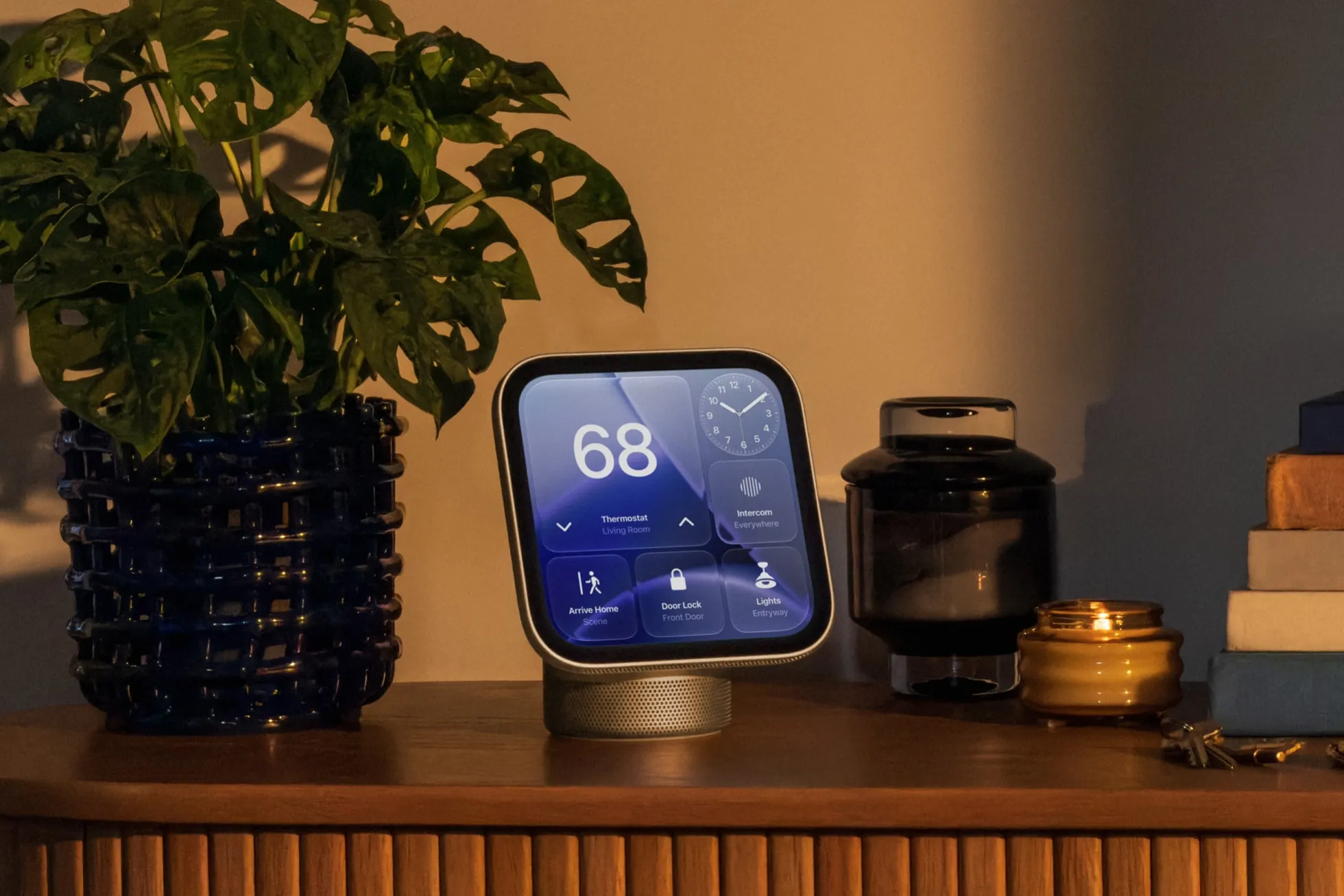
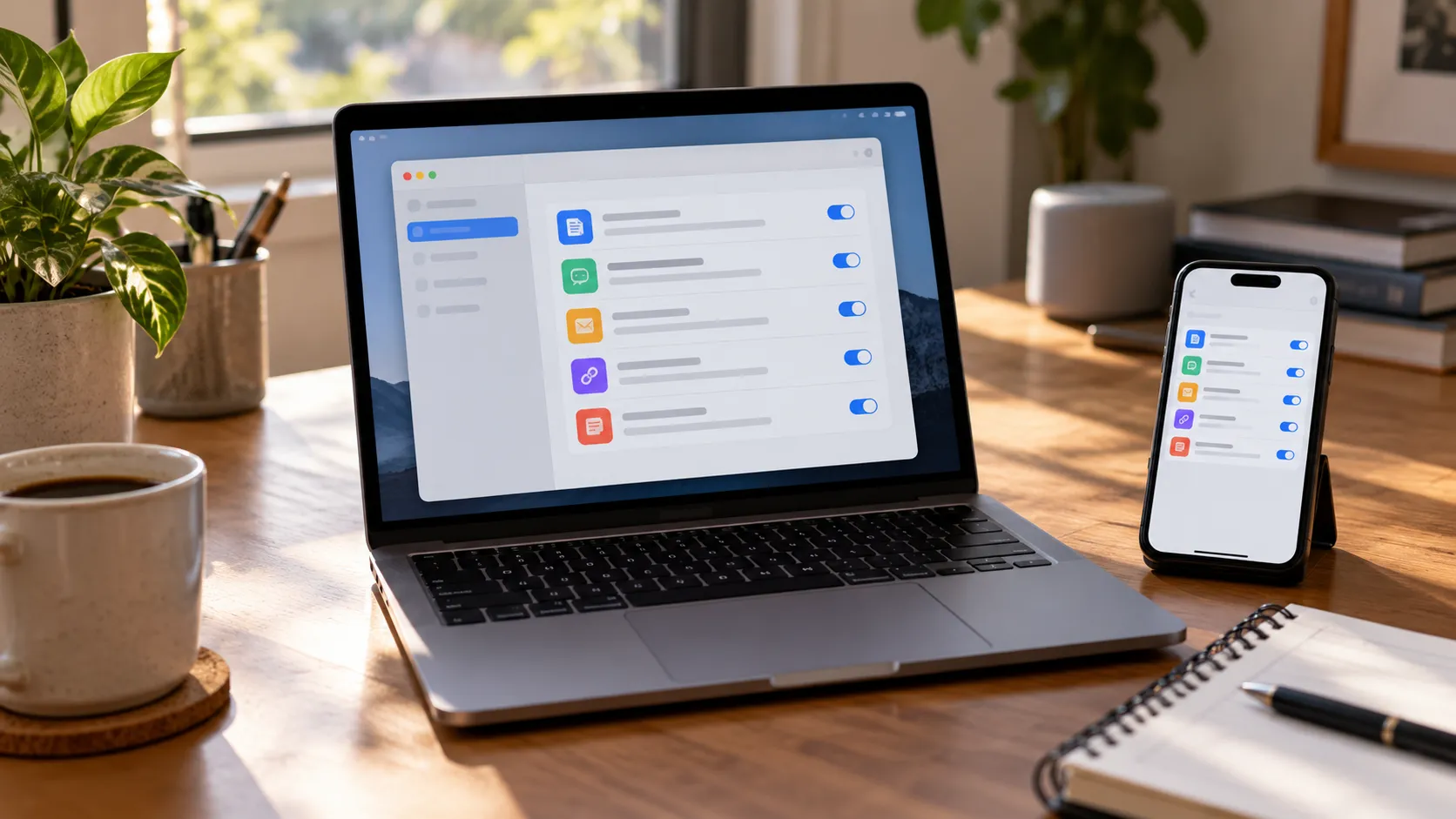
We're already seeing glimpses of this convergence in action. Features like Universal Control let you seamlessly move your cursor between an iPad and Mac, while Handoff continues tasks across devices as if they're extensions of the same computer. These aren't just convenience features—they're proof-of-concept implementations for a future where the boundaries between devices become increasingly meaningless.
Why the hardware foundation already exists
The M1 chip in the base iPad Air delivers performance that rivals Intel's Core i7 processors while maintaining the thermal efficiency of a mobile device. Apple's unified memory architecture allows an iPhone to manage graphics, processing, and memory allocation with the same fundamental approach that powers a Mac Studio—just at different scales.
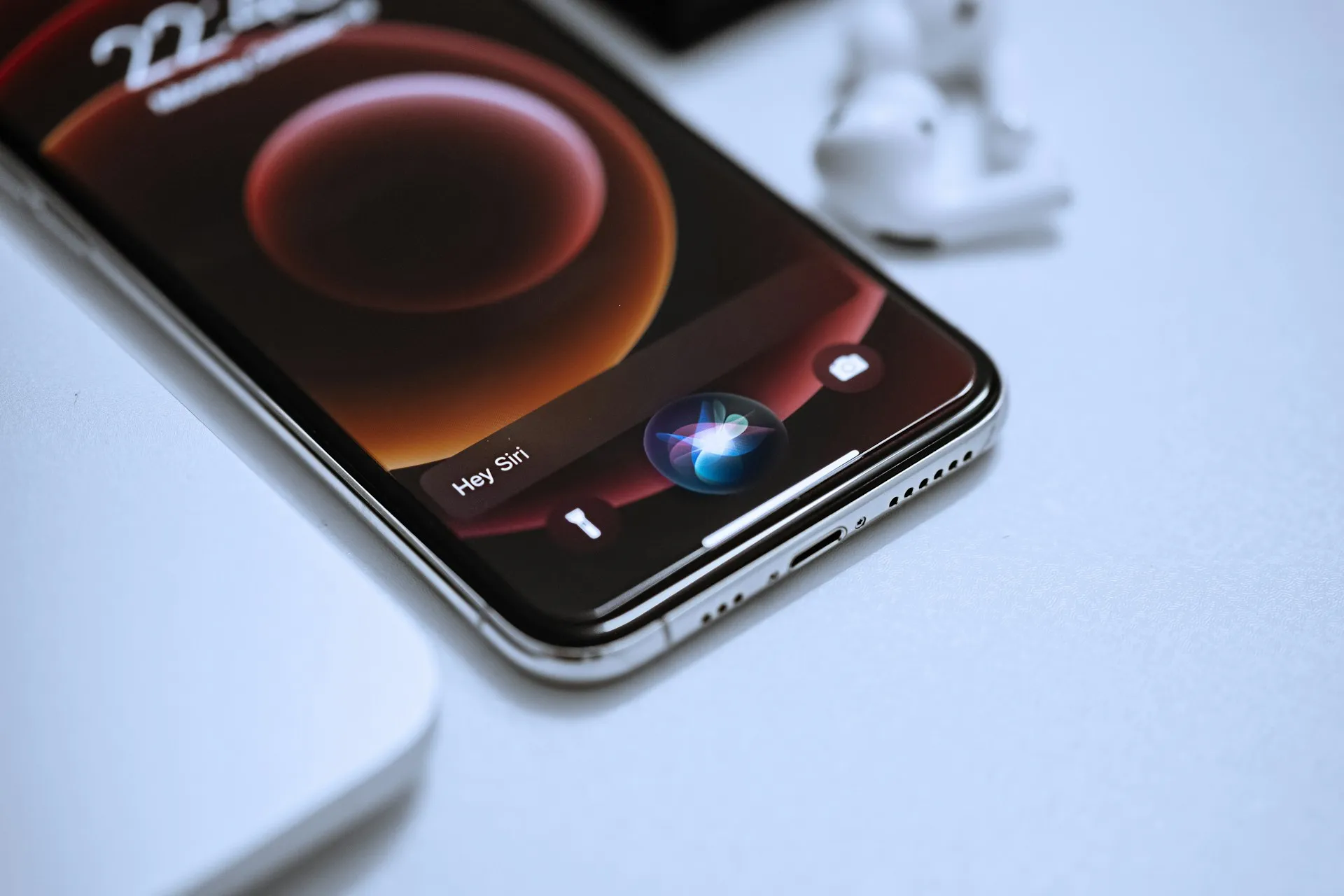
Consider this: the iPhone 14 Pro's A16 Bionic chip outperforms the processors that powered high-end laptops just five years ago, all while fitting in a device you can slip into your pocket. The computational bottleneck that once separated mobile from desktop experiences has narrowed significantly for many common tasks for most real-world use cases.
What makes Apple's position unique is how they've approached the software layer. The same Metal graphics framework optimizes performance across iPhone games and Mac video editing applications. Core ML enables identical machine learning capabilities whether you're processing photos on an iPhone or training models on a Mac Pro. These aren't separate implementations—they're the same underlying technologies scaling across different form factors.
The real barrier isn't computational power anymore—it's the artificial software boundaries we've maintained between "mobile" and "desktop" experiences. There are fewer hardware limitations than before, though major software and UX challenges remain why the same silicon couldn't boot into iOS when you're holding it and seamlessly transition to macOS when you connect external peripherals.
The one device, multiple modes vision
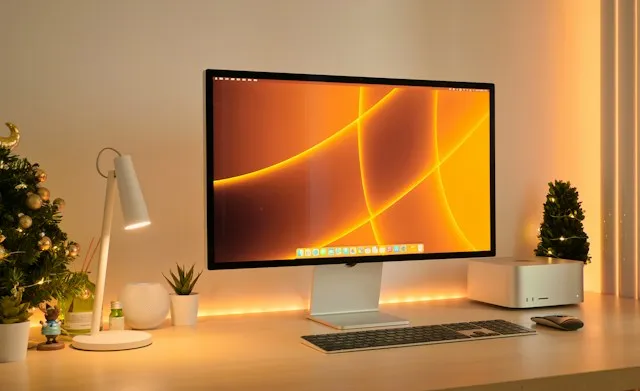
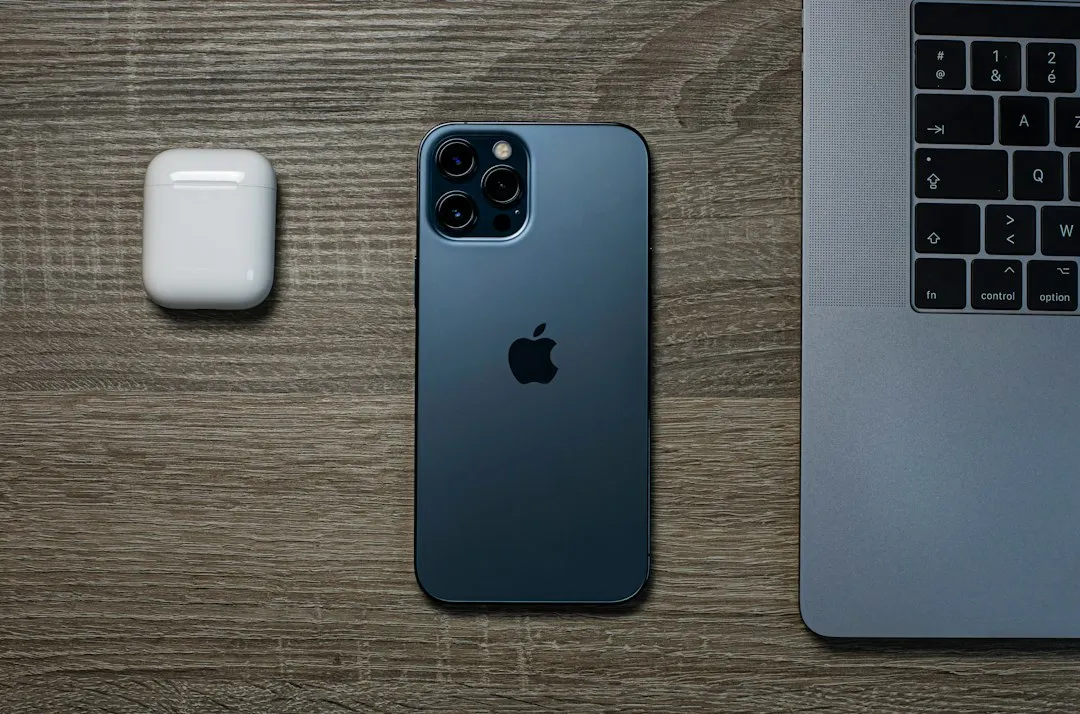
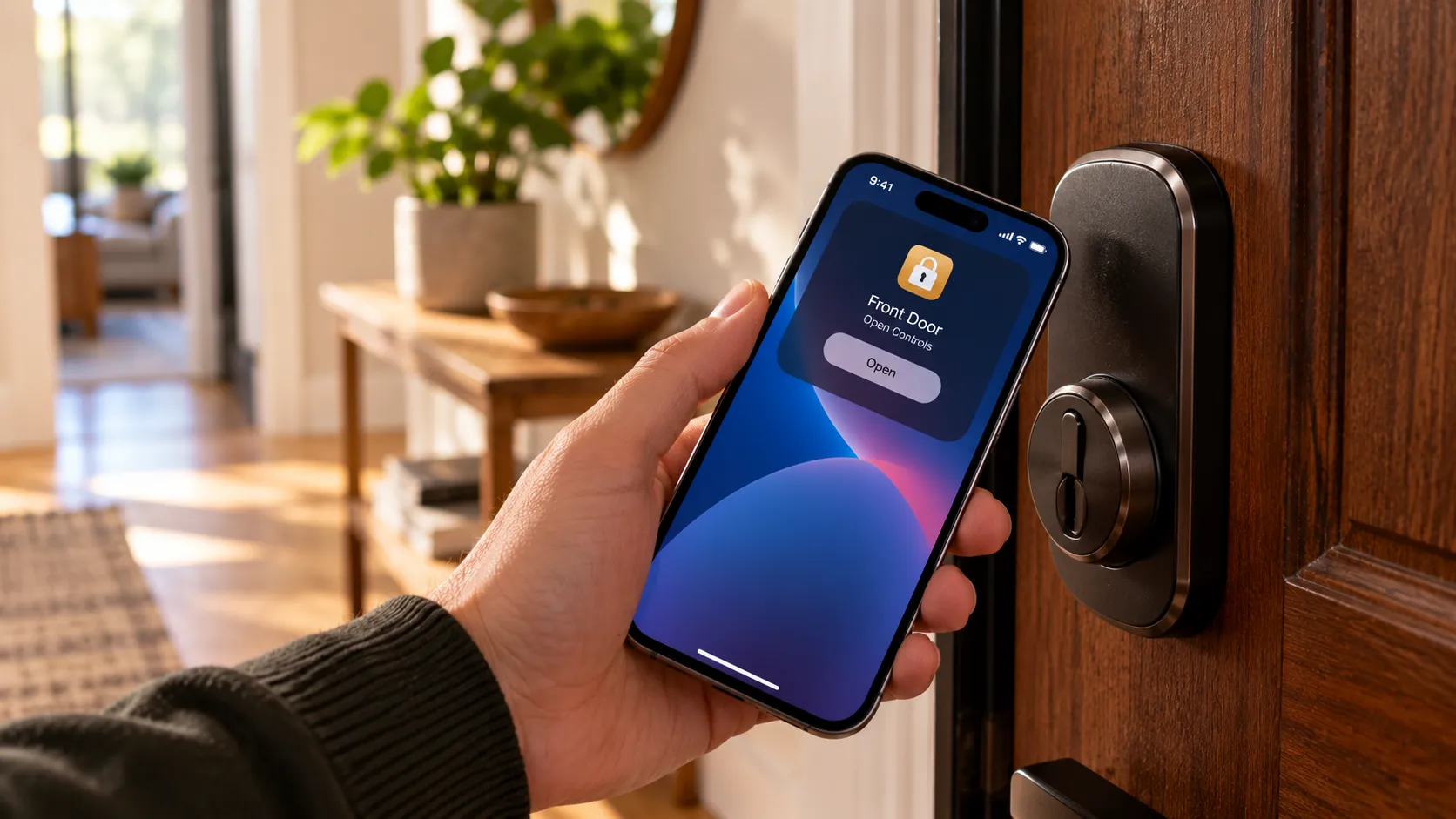
Picture this scenario: You're finishing a presentation on your iPhone during your commute. As you arrive at the office, you place it in a dock connected to your monitor and keyboard. The screen goes dark for a moment, then macOS appears—not a remote session or scaled-up mobile interface, but full desktop macOS with your presentation file already open, ready to continue exactly where you left off.
This vision transforms our relationship with computing from device-centric to task-centric thinking. Instead of asking "which device should I use for this?" you'd ask "what kind of interface do I need right now?" The computing power, storage, and all your data would always be with you, while screens, keyboards, and input methods become interchangeable accessories.
The implications extend far beyond convenience. Your entire digital life—documents, photos, app preferences, browser history, even complex creative projects—would exist on one device that adapts to different contexts. No more syncing delays, no more managing multiple operating systems, no more wondering which device has the latest version of a file.
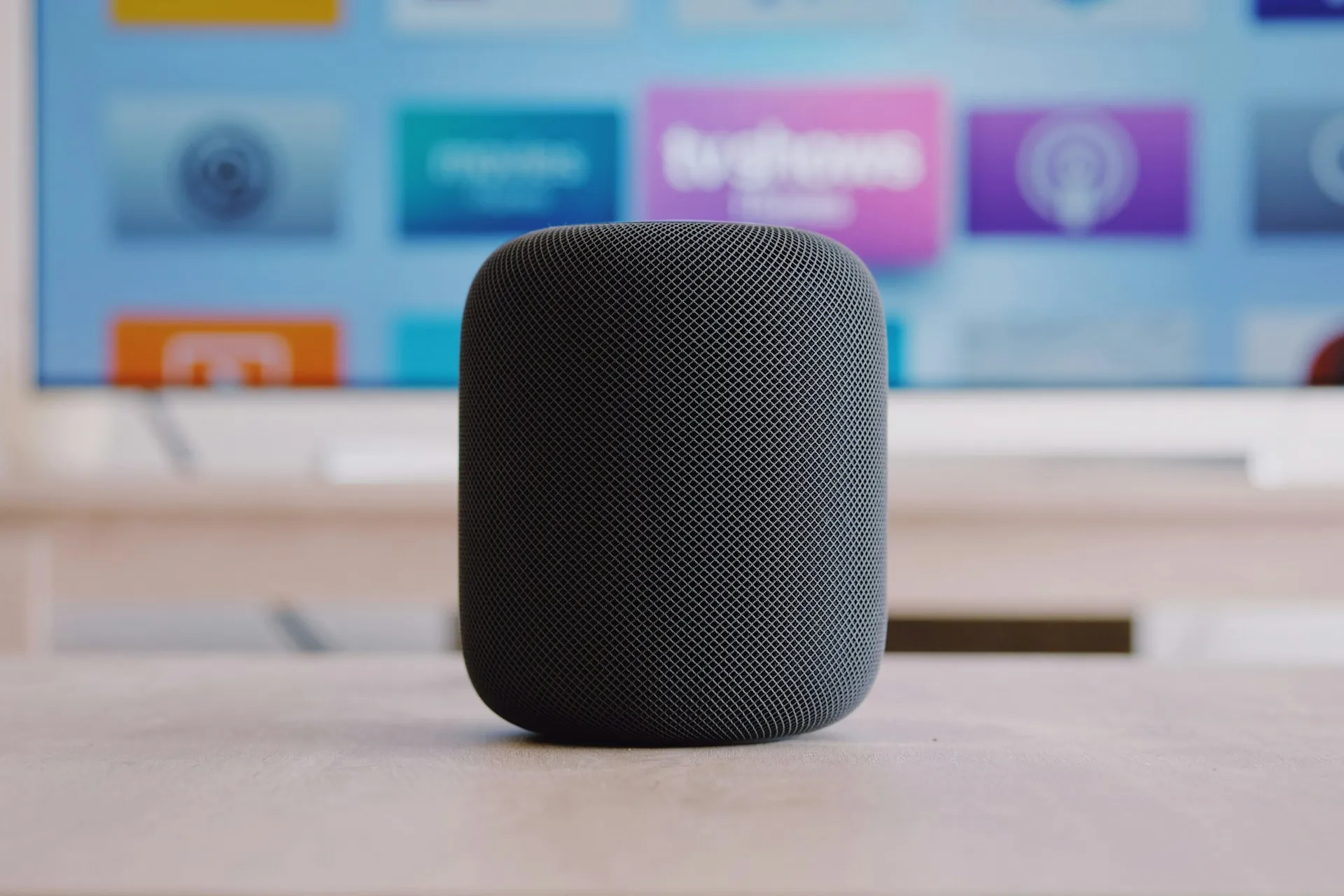
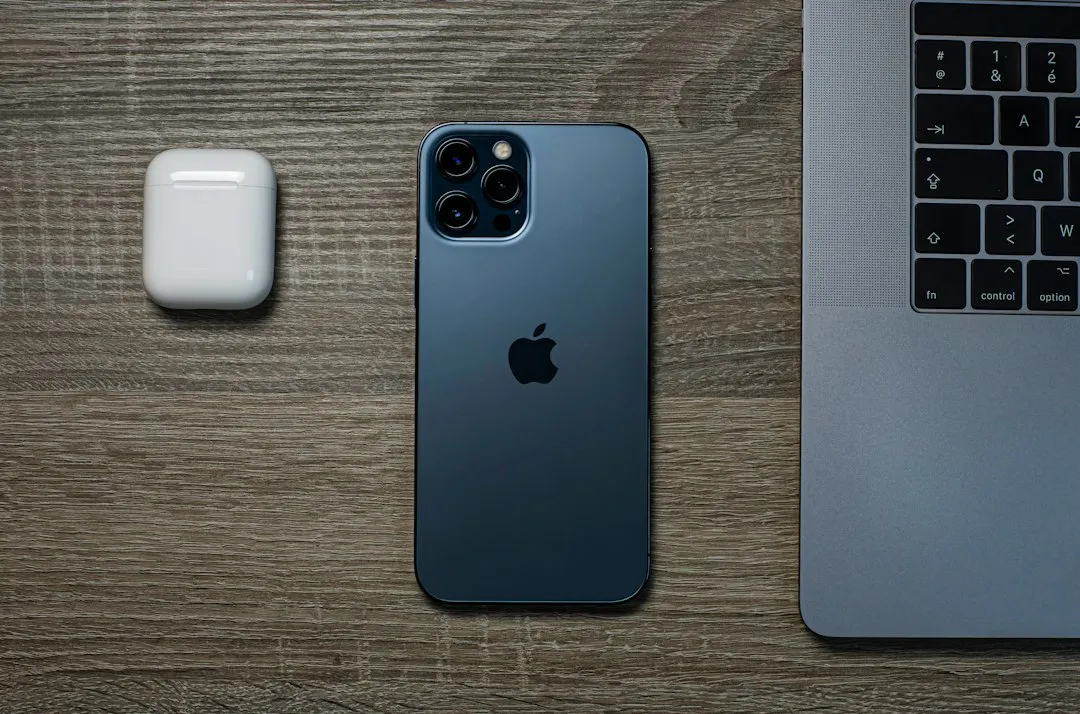
Early glimpses of this future already exist in Apple's ecosystem. AirPods automatically switch between devices. Your iPhone can instantly mirror to an Apple TV. iPad apps increasingly offer desktop-class functionality when connected to external keyboards. Apple isn't just building individual features—they're establishing the framework for true device convergence.
Breaking down the software and ecosystem barriers
The technical challenges, while complex, aren't insurmountable. Apple has been methodically addressing them through cross-platform development frameworks like SwiftUI, which lets developers build interfaces that automatically adapt to different screen sizes and input methods. Catalyst has served as a testing ground for bringing iOS apps to macOS, while Mac apps increasingly adopt iOS-style design patterns.
Security presents an interesting puzzle. iOS's locked-down approach provides robust protection but limits flexibility, while macOS offers more freedom at the cost of complexity. A unified system would need to dynamically adjust security models based on current usage context—perhaps defaulting to iOS-level restrictions in mobile mode while allowing traditional macOS flexibility when connected to trusted peripherals.
The user interface challenge becomes fascinating when you consider touch, trackpad, and mouse inputs all potentially controlling the same applications. Apple has been experimenting with solutions: iPadOS apps that reveal additional controls when external keyboards connect, Mac apps that support touch gestures when used with a trackpad, and interface elements that scale appropriately across different screen densities.
Developer toolchains already support much of this vision. Xcode projects can target iPhone, iPad, Mac, Apple Watch, and Apple TV from a single codebase. The App Store supports universal purchases across platforms. Apple's development documentation increasingly emphasizes adaptive interfaces rather than platform-specific design patterns.
File management represents perhaps the most philosophical challenge. iOS deliberately abstracts the file system to reduce complexity, while macOS exposes it for power users. A convergence system might dynamically present different organizational paradigms—app-centric file management in mobile mode, traditional hierarchical access in desktop mode—all while maintaining the same underlying data structure.
What this means for Apple's competitive position
Microsoft attempted something similar with Windows Phone and Windows 8's unified interface, but they lacked control over both hardware and software optimization. Google's Android ecosystem offers flexibility but struggles with fragmentation across manufacturers. Apple's vertical integration positions them uniquely to deliver the seamless experience this vision demands.
From a business perspective, the model could prove remarkably efficient. Rather than manufacturing distinct processor families for phones, tablets, and laptops, Apple could focus R&D investment on perfecting one silicon architecture that scales across all use cases. Supply chain complexity decreases when you're essentially building variations of the same core hardware platform.
The competitive moats become formidable. Once users experience truly seamless transitions between mobile and desktop computing on a single device, switching platforms means abandoning that integrated workflow entirely. It's ecosystem lock-in taken to its logical conclusion—not just making devices work well together, but making them literally be the same device.
Enterprise and education markets present compelling opportunities. IT departments could standardize on one device type that adapts to different roles rather than managing separate mobile and desktop ecosystems. Students could carry a single device that handles both note-taking during lectures and intensive research projects at home. The total cost of ownership could be significantly lower despite potentially higher upfront device costs.
Consider the broader implications for personal computing. Chromebooks succeeded in education partly because they simplified device management and reduced maintenance overhead. A true convergence device could offer similar simplicity while providing far more capability, potentially reshaping both consumer and institutional technology purchasing decisions.
Where do we go from here?
Apple's recent product decisions suggest they're already moving toward this convergence. The iPad Pro increasingly targets laptop-replacement scenarios. Mac Studios use essentially scaled-up mobile processors. Even the Apple TV runs what's fundamentally iOS with a different interface layer. The technological building blocks aren't just theoretical—they're shipping in millions of devices today.
The MacBook Neo concept forces us to confront assumptions about how personal computing should work. Why do we accept the friction of managing multiple devices when the underlying technology could support seamless transitions between different usage modes? Why do we maintain artificial distinctions between "mobile" and "desktop" applications when the same silicon could run both?
Apple faces an interesting strategic decision: continue refining individual device categories or embrace the potential disruption of convergence computing. The technical capability exists. The software frameworks are maturing. The question becomes whether they're willing to cannibalize existing product lines in service of a more unified future.
The timeline for such a transition depends largely on Apple's risk tolerance and market positioning strategy. They could introduce convergence gradually—perhaps starting with pro-focused devices where users already expect complexity and capability. Alternatively, they might wait until the technology becomes so seamless that mainstream users won't notice the transition.
Bottom line: the MacBook Neo concept isn't just speculative design—it's a preview of where personal computing becomes truly personal. When our devices adapt to our needs rather than forcing us to adapt to their limitations, we'll look back at our current collection of phones, tablets, and laptops the same way we now view having separate devices for music, photography, and communication.
The foundations are in place. The vision is compelling. Now we wait to see if Apple has the courage to build the future they've been quietly making possible.



Comments
Be the first, drop a comment!