





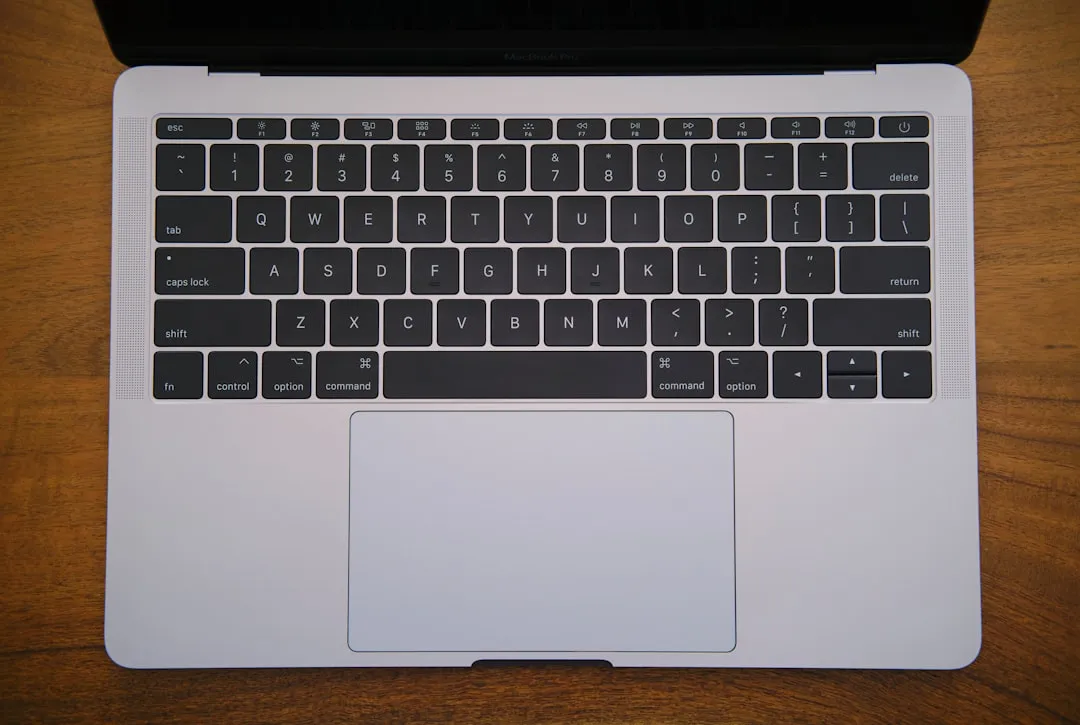
You might not have heard much about the MacBook Neo yet, but there's one particular feature that has repair enthusiasts pretty excited. For years, MacBook users have faced an incredibly frustrating reality: when your keyboard starts acting up (and keyboards do fail more often than most other laptop components), fixing it has been a nightmare. But the Neo might just change all that with one simple capability—individual keyboard replacement.
This development is particularly significant when you consider the broader economic implications. While current MacBook repairs can cost more than what many users paid for entire budget laptops just a few years ago, individual keyboard replacement could fundamentally shift the total cost of ownership equation. Apple's MacBook lineup has long been criticized for keyboard repair challenges, but recent developments suggest the company might be shifting toward more user-friendly maintenance. The MacBook Neo represents a significant departure from previous models, according to iFixit, where keyboards have been notoriously difficult to service. Traditional MacBook keyboards require complete device disassembly and are integrated with expensive aluminum components, making simple repairs costly and time-consuming. The Neo's individual keyboard replacement capability could mark a turning point for Apple's approach to device repairability and user maintenance costs.
Why traditional MacBook keyboard repairs are so problematic
Let's break down just how the current system creates what I call the "repair penalty spiral"—where simple hardware failures cascade into major financial decisions. MacBook keyboards have historically been among the most frustrating components to service. Keyboards rank as one of the most heavily utilized laptop components and frequently fail due to liquid spills, stuck keys, or general wear, as noted by iFixit. You'd think Apple would make these failure-prone parts easy to access, right? However, accessing these components requires removing nearly every other part in the device, creating what should be straightforward maintenance into an exhausting, lengthy procedure, according to the same iFixit analysis.
The economic impact extends beyond just parts costs. The situation becomes even more expensive because keyboards are fused to machined aluminum assemblies, making replacement parts extremely costly, iFixit reports. This design choice essentially forces users into what repair shops call "collateral replacement"—buying expensive components you don't actually need to fix what's broken.
Apple's Self Service Repair program, rather than solving these issues, actually highlights the complexity problem. The program compounds these issues by requiring customers to purchase complete "Top Case with Battery and Keyboard" assemblies rather than individual components, according to iFixit's program analysis. This approach forces users to essentially dismantle their entire laptop, following repair manuals that stretch to 162 pages with multiple steps per page, as documented by iFixit. Think about that for a second—162 pages just to replace a keyboard. That's longer than many novels, and represents a time investment that makes professional repair services more attractive despite their higher labor costs.
What individual keyboard replacement means for users
Individual keyboard replacement could dramatically reduce both repair costs and complexity for MacBook users, but the implications go far beyond simple cost savings. Here's what you need to know about the broader market impact: Current MacBook Pro models require purchasing entire top case assemblies that cost more than twice Apple's $199 battery replacement service, according to The Verge's pricing analysis. The 2021 MacBook Pro design integrates batteries, speakers, microphones, and keyboards into single top case units, preventing users from replacing individual components, as The Verge reports.
PRO TIP: For devices still under warranty or AppleCare coverage, users should first check with Apple support for potential free or low-cost repairs, according to Mac Toronto Repair guidance. That makes sense—why pay out of pocket if Apple will fix it for free? However, for out-of-warranty devices, individual keyboard replacement becomes a cost-effective alternative to purchasing new laptops, the same source notes.
The psychological impact on users has been profound, creating what I've observed as "repair anxiety" where simple maintenance decisions become major financial stress points. The current system often leads to frustrated users who refuse to spend $500 on complete keyboard assemblies for three-year-old computers when only single keys malfunction, as expressed in Apple Community discussions. One user captured this perfectly: "There's absolutely no way I am spending $500 for an entire keyboard in a three-year old computer if just one key is broken. That would be like demolishing a house just because the dog ate the couch."
This frustration drives many users toward questionable third-party repairs or, more commonly, premature device replacement—contributing to electronic waste and forcing upgrade cycles based on repair economics rather than actual computing needs.
Technical implications and repair complexity
Even with individual keyboard replacement capability, the MacBook Neo will likely require specific technical expertise and proper tools, but the skill barrier should be significantly lower than current methods. Don't expect this to be as simple as changing a lightbulb, but it shouldn't require the surgical precision of current MacBook repairs either. Professional keyboard replacement typically requires Pentalobe screwdrivers for MacBook-specific screws, Torx screwdrivers (usually T5 or T6 depending on model), and plastic opening tools to avoid component damage, according to Mac Toronto Repair specifications. Anti-static wrist straps remain essential to prevent electrostatic discharge during repairs, the same source emphasizes.
The compatibility challenge represents a significant shift in Apple's parts ecosystem. MacBook keyboards vary significantly by model and year, making compatibility verification crucial before purchasing replacement parts, Mac Toronto Repair warns. Some models feature integrated keyboards with top cases requiring complete assembly replacement, while others allow standalone keyboard replacement, according to the repair guide. Individual keyboard replacement could streamline this process by creating dedicated part numbers specifically for keyboard components.
The precision required for current repairs borders on absurd. Even individual key repairs can be extremely delicate work, as Apple's keyboards feature fragile clips on key caps and easily damaged lugs on butterfly or scissor mechanisms, Apple Community discussions reveal. As one repair technician explained the delicate nature of these components: "All of Apple's keyboards have very fragile clips on the key cap and for most keys snap onto small lugs on the ends of the butterfly/scissor mechanism which are also very easily damaged." Individual keyboard replacement should eliminate much of this precision requirement by allowing users to replace entire keyboard assemblies without disassembling surrounding components.
What this means for the future of MacBook repairability
The MacBook Neo's individual keyboard replacement capability could signal broader changes in Apple's design philosophy toward repairability, potentially responding to both regulatory pressure and competitive market forces. What's particularly interesting is how Apple's own documentation suggests they're already planning for component modularity. Apple's repair manuals have previously hinted at future improvements, with some documentation noting that "in the future, a battery replacement part will be available" for models currently requiring complete top case replacement, iFixit has observed. However, Apple currently does not sell standalone MacBook Pro batteries through their Self Service Repair program, according to the same iFixit report.
This shift could significantly impact total cost of ownership for MacBook users and align with growing right-to-repair advocacy, while also affecting Apple's service revenue model. Professional repair services currently handle complex keyboard replacements requiring 3-4 hours of advanced-difficulty work involving complete logic board and display assembly removal, as documented by TekDep's repair guide. Individual keyboard replacement would make these repairs more accessible to skilled users while reducing the risk of damage to other components during extensive teardowns, the same technical guide indicates. This could democratize MacBook repairs, reducing dependence on specialized repair shops and potentially lowering overall repair costs through increased competition.
For users in regions with limited Apple service availability, this change could provide much-needed repair alternatives without requiring complete device replacement, as highlighted in Apple Community discussions. Think about it—if you live in markets like Ecuador or other regions where authorized Apple repair services are limited or expensive, being able to swap out just the keyboard instead of shipping your entire laptop internationally for weeks could be transformative for device longevity and user productivity.
The bottom line: a step toward practical repairability
The MacBook Neo's individual keyboard replacement capability represents a meaningful step toward more practical device maintenance, though challenges remain. While this change could significantly reduce repair costs and complexity compared to current top case replacement requirements, based on iFixit's extensive documentation, users will still need proper tools and technical knowledge for successful repairs.
The shift suggests Apple may be responding to longstanding criticism about keyboard serviceability while potentially expanding similar improvements to other components, as hinted in their repair documentation. It's not going to solve every repair headache overnight, but it represents a fundamental change in Apple's approach to component modularity—one that could influence the entire laptop industry's approach to repairability.
For MacBook users who've faced expensive repair quotes for simple keyboard issues, this development offers hope for more reasonable maintenance costs and greater device longevity, addressing concerns raised in user communities. After years of "demolish the house to fix the couch" repair approaches, the MacBook Neo's keyboard replacement capability feels like Apple finally acknowledging that sometimes, you just need to fix the couch. And that shift in philosophy could have implications far beyond keyboards.










Comments
Be the first, drop a comment!