



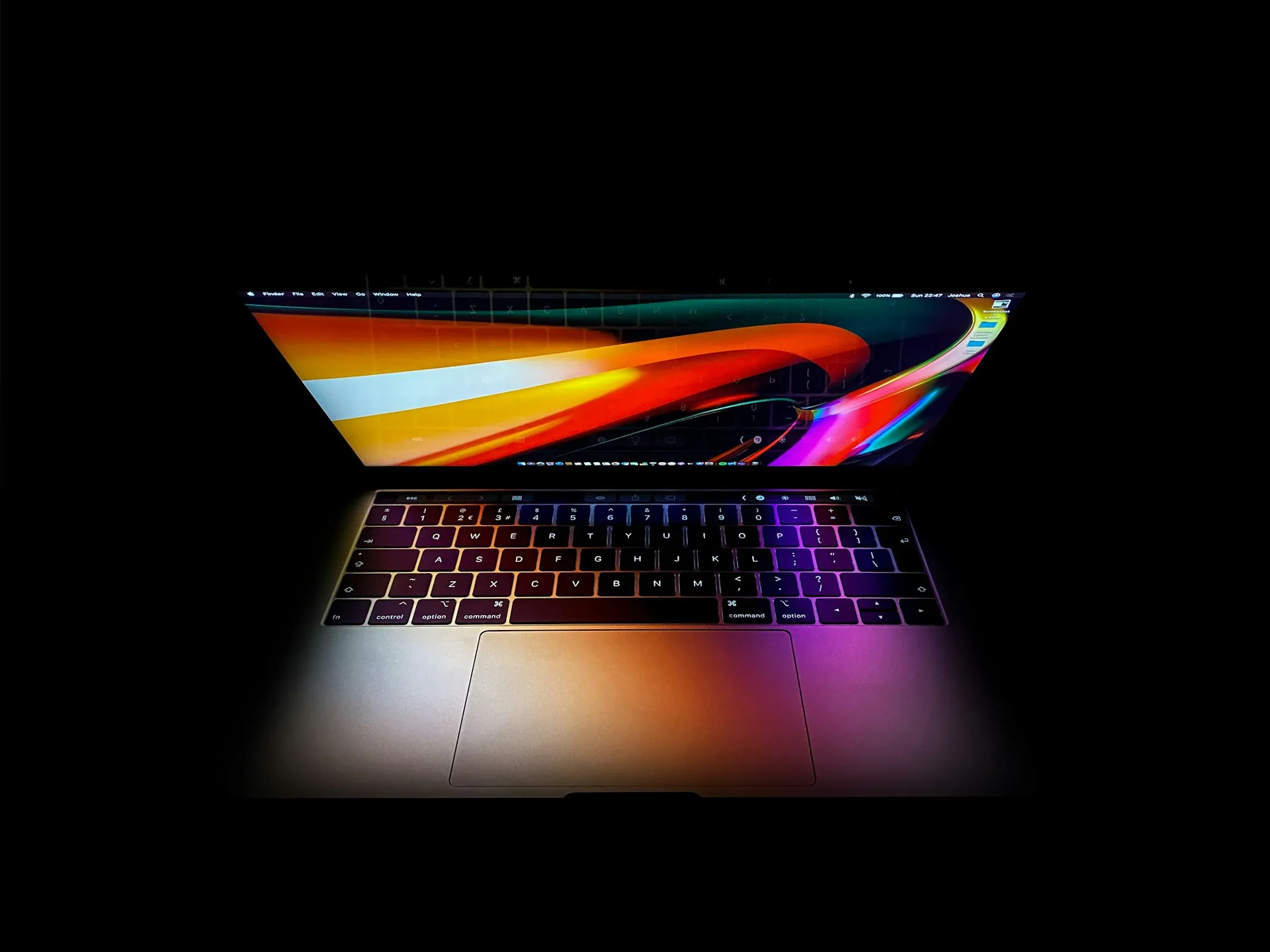
The tech world has been buzzing with questions about Apple's latest MacBook Pro models and their ability to handle Windows virtualization. With devices now powered by Apple silicon and ARM architecture, many users wondered whether their favorite Windows applications would still be accessible through virtual machines. The answer is more nuanced than a simple yes or no, and understanding the implications could save you from making a costly mistake.
Here's the thing about ARM virtualization—it's a significant shift from traditional x86-based systems. Apple's M-series processors bring impressive performance capabilities, but virtualization introduces unique challenges that didn't exist with Intel-based Macs. You might be wondering why this matters so much, and it comes down to how these systems handle memory management when you're running dual operating systems simultaneously.
What's particularly concerning for budget-conscious buyers is that many entry-level configurations ship with just 8GB of unified memory. Think of it like trying to run two households with a single water line—everything works fine until both start demanding resources at the same time. The memory pressure becomes real very quickly, and there's no escaping it once you've committed to that hardware configuration.
What ARM virtualization means for your workflow
Running Windows on ARM-based Macs requires a completely different approach than the Boot Camp days of Intel processors. Remember when you could just partition your drive and boot into Windows natively? Those days are gone, and the new setup is more complex than the previous Boot Camp approach.
Modern virtualization software like Parallels Desktop and VMware Fusion may need to translate some instructions or rely on compatibility layers, depending on the app, creating an additional layer of complexity that impacts performance. It's like having a really good translator at a business meeting—they're excellent at their job, but the conversation still moves more slowly than if everyone spoke the same language. Apple silicon handles many tasks exceptionally well, but virtual machine overhead can quickly expose limitations that might not be apparent during regular macOS usage.
Now here's where things get particularly challenging. Memory pressure becomes the primary bottleneck when attempting to run resource-intensive Windows applications within a virtual environment. The host operating system requires its allocation of unified memory, while the guest Windows installation needs sufficient memory to function smoothly. Background processes, system caches, and active applications on both sides compete for the same memory pool.
What happens in practice is that you may experience system-wide slowdowns under heavy memory pressure that affects the entire system—not just your Windows virtual machine, but your entire Mac experience. It's the kind of slowdown that makes you question whether you made the right purchase decision in the first place.
Real-world performance expectations and limitations
Let's talk numbers for a moment, because this is where the rubber meets the road. Windows 11 ARM virtual machines typically require a minimum of 4GB RAM to function adequately, though 8GB or more is commonly recommended for smoother performance. You can probably see where this is heading—that creates an immediate conflict on 8GB Mac configurations, where the entire system shares a unified memory architecture.
Users can expect slower application launch times, reduced multitasking capabilities, and potential system instability when pushing memory limits. This is the mathematical reality of shared resources. You might find yourself constantly monitoring Activity Monitor, closing applications you'd rather keep open, and generally managing your system like it's several generations behind current hardware.
Graphics performance presents another significant challenge that's worth understanding upfront. Virtual machines have limited or indirect access to Apple silicon GPU features, which means Windows applications requiring hardware acceleration, gaming, or professional graphics work will experience substantial performance penalties. CPU-intensive tasks may perform reasonably well thanks to the impressive processing power of Apple's chips, but users should temper expectations for anything requiring dedicated graphics resources.
PRO TIP: If you're planning to run graphics-intensive Windows applications, consider whether cloud-based alternatives or web versions might meet your needs without the virtualization overhead.
Smart use cases and practical recommendations
Here's the bottom line: virtual machine usage on entry-level Apple silicon Macs works best for specific, limited scenarios rather than intensive daily workflows. If you need to occasionally check how a website looks in Internet Explorer (yes, some people still need this), run a legacy business application once a week, or test software compatibility, you'll probably find the experience acceptable.
The sweet spot includes:
Light productivity tasks and document editing
Software compatibility testing and development
Occasional access to Windows-only business tools
Legacy application requirements that can't be replaced
However, and this is a big however, professionals requiring consistent Windows performance should seriously reconsider their approach. If your workflow involves resource-intensive applications, seamless switching between operating systems, or anything that demands reliable performance throughout the day, an 8GB configuration probably isn't the right choice. Development work, content creation, or business applications with heavy memory requirements will likely exceed the system's practical limits pretty quickly.
What's particularly noteworthy is that Apple silicon processors are genuinely impressive—they're just constrained by memory limitations when it comes to demanding virtualization workloads. It's like having a sports car with a small gas tank; it'll go fast, but not for very long under heavy load.
Making the right purchasing decision
Apple silicon Mac virtualization capabilities should factor heavily into purchasing decisions, especially when comparing configurations and alternatives. This might sound obvious, but I've seen too many people get caught up in the excitement of new hardware without considering their actual usage patterns.
Users with serious Windows virtualization needs should strongly consider higher-memory configurations—16GB or 24GB unified memory makes a substantial difference for virtual machine performance. The memory cannot be upgraded later, making the initial configuration choice permanent and potentially limiting your future workflow options.
Budget-conscious buyers should carefully evaluate their actual Windows usage patterns before committing to an 8GB configuration. Ask yourself honestly: How often do you really need Windows? What specific applications are you planning to run? Can those tasks wait, or do you need seamless performance? Occasional virtual machine users may find the limitations acceptable, while power users will likely encounter frustrating performance bottlenecks that impact daily productivity.
PRO TIP: Consider whether subscription-based cloud Windows instances might better serve occasional needs without the hardware investment in additional RAM.
The appeal of Apple's latest processors shouldn't overshadow practical memory constraints that affect real-world virtualization performance. It's easy to get excited about new technology, but the fundamental requirements of running dual operating systems haven't changed—you still need adequate memory for demanding workloads.
The bottom line on Apple silicon virtualization
Apple silicon Macs can indeed run Windows virtual machines, but the experience comes with significant caveats that potential buyers must understand. This isn't about being negative—it's about setting realistic expectations so you don't end up with buyer's remorse.
The 8GB memory limitation creates fundamental constraints that processor performance alone cannot fully offset, making this configuration suitable only for light, occasional Windows usage. If you're someone who fires up a Windows VM once or twice a month for specific tasks, you'll probably find the experience workable. If you're planning to use Windows applications as part of your daily workflow, you're going to run into performance walls.
Users with demanding virtualization requirements should seriously consider investing in higher-memory configurations that better support their workflow needs, even if it means stretching the budget beyond the entry-level pricing. Sometimes paying more upfront for adequate specifications is actually the smarter financial choice, despite the initial sticker shock.
The key takeaway is that hardware specifications need to match your actual usage patterns, not your aspirations or the marketing materials. Apple silicon Macs are impressive machines in many ways, but intensive virtualization isn't their strong suit at entry-level memory configurations—and that's perfectly fine, as long as you know what you're getting into before you make the purchase.















Comments
Be the first, drop a comment!