




macOS 27 Golden Gate New Features: Design, Siri AI, and Release Dates
Apple unveiled macOS 27 Golden Gate at WWDC26 this week, and the release has a clear internal logic: fix the readability problems Tahoe introduced with Liquid Glass, deliver a rebuilt Siri powered by Apple Intelligence, and give families parental controls that are actually worth using. Every Apple Silicon Mac from M1 forward can run it. The catch worth knowing upfront: the headline AI feature isn't fully here yet. Siri AI arrives as a separate beta later this year, starting in English only. What ships at launch is a more legible interface, faster core performance, Safari upgrades, and the most substantive family tools macOS has shipped in years.
What's available when, and for whom
- Available now in developer beta (all M1+ Macs): Liquid Glass redesign, rebuilt Spotlight indexing, AirDrop speed improvements, external display fixes, Safari updates, parental controls
- Public beta: Next month
- Full release: Free update this fall, alongside Apple's September iPhone launch
- Siri AI: Arriving as a separate beta later this year, English first, with broader language support to follow quickly, per the Apple App Store editorial
- EU users: Siri AI will not initially be available on iOS or iPadOS in the EU; Mac and Apple Vision Pro users in the EU can access it when set to a supported language, per Apple Newsroom
- China: Siri AI and new Apple Intelligence features unavailable while Apple works through local regulatory requirements, per Apple Newsroom
- Hardware gate: Siri AI's core conversational features run on M1-and-later Macs; the most powerful on-device model, including expressive voices and more advanced dictation, requires M3 or later with at least 12GB of unified memory, per the Apple Siri AI announcement
- Intel Macs: Not supported. Golden Gate is Apple Silicon only
Ars Technica notes the build will keep evolving, with post-public-beta releases more closely representing what ships in fall. The current developer beta is early; treat it accordingly.
Siri AI: what's new in macOS 27 Golden Gate
Siri AI is a ground-up rebuild. The most consequential architectural change is that Siri now lives inside Spotlight: typing a search query and invoking Siri are the same action, per the Apple App Store editorial. Two separate interaction modes collapsed into one.
The deeper shift is personal context. Siri can now search across messages, emails, photos, and files simultaneously to surface a hotel confirmation number buried in old email, find photos from a specific trip by description, or locate a restaurant recommendation a friend sent months ago, all without the user knowing where to look, per the Apple Siri AI announcement. It can also pull current information from the web and answer questions about whatever's on screen. Two capabilities worth calling out separately: Siri can now build Shortcuts from plain-language descriptions, removing the friction that kept most users from ever adopting them, and it can generate writing in Mail and Messages tailored to match the tone of prior conversations with a specific person, per Macworld.
Visual Intelligence is new to Mac. A keyboard shortcut lets users select any region of the screen, an image, a paragraph in a PDF, a product label, and ask Siri questions about it directly, per the Apple Siri AI announcement. A dedicated Siri app syncs conversation history privately across Mac, iPhone, iPad, Apple Watch, and Apple Vision Pro via iCloud, so a thread started on a MacBook picks up on iPhone without starting over, per Apple Newsroom.
Processing runs on-device where possible; when it can't, Apple routes queries through Private Cloud Compute. Independent verification of those privacy claims isn't possible at this beta stage. All of this is in developer testing now but reaches general users as a beta later this year, per Apple Newsroom.
Liquid Glass fixed: the macOS 27 design overhaul
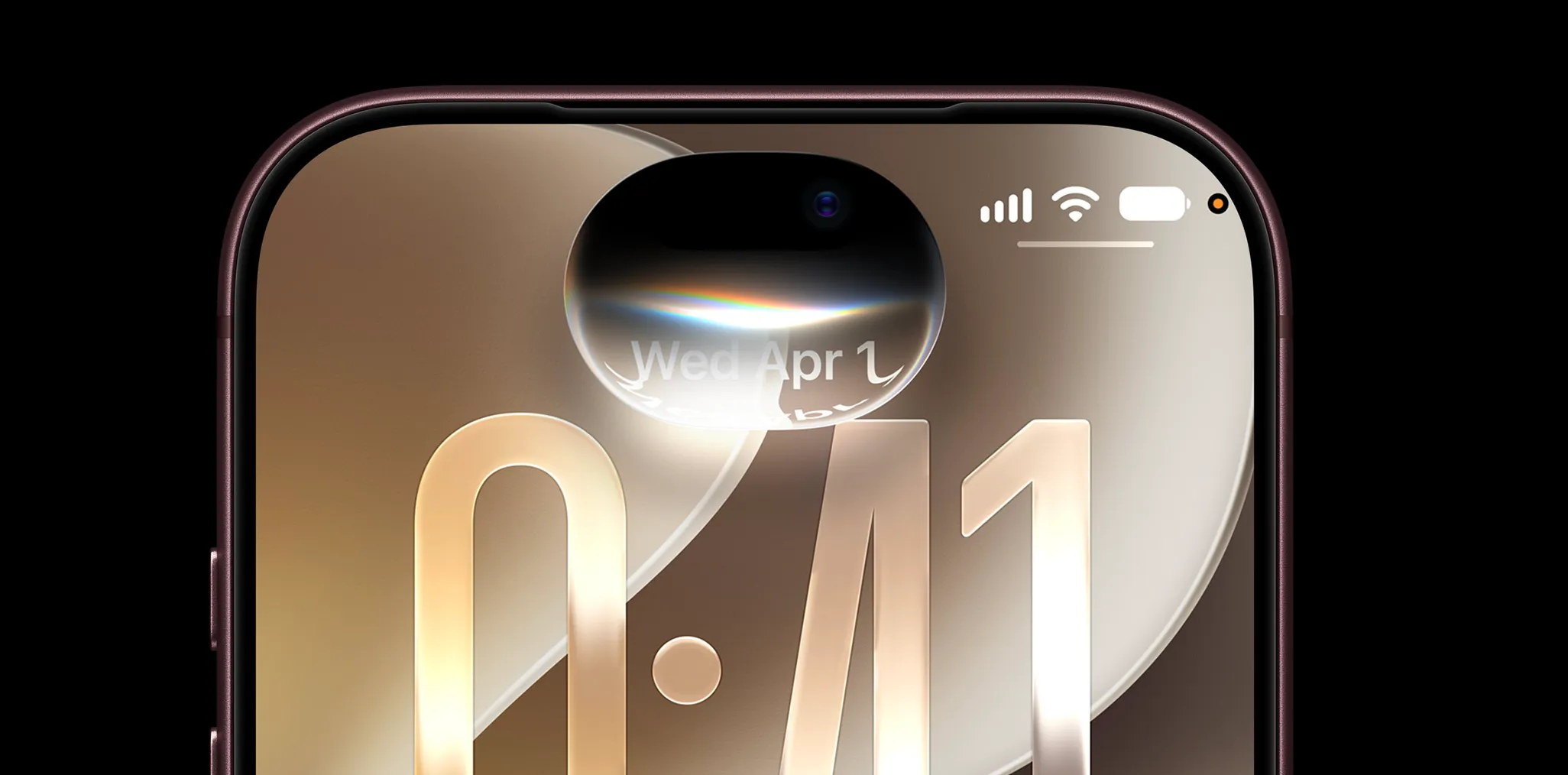
Tahoe's Liquid Glass design had one persistent problem: text became genuinely hard to read when the glass effect rendered over complex, high-contrast backgrounds. Golden Gate addresses this directly. Apple retuned the material to diffuse background content more aggressively, improve contrast, and create clearer visual separation between UI layers, describing the result as "exceptional readability" with more uniform refraction, per Apple Newsroom.
The most tangible new control is a transparency slider in System Settings, adjustable from fully clear to fully tinted, noted by PCMag and Macworld. Apple rarely exposes this kind of visual tuning as a user-facing control; its presence here signals the complaints landed. Ars Technica found the default setting, roughly halfway between clear and tinted, resolves most readability problems, while pushing the slider to maximum glassiness can still produce text-over-text conflicts.
The interface changes extend into Mac-specific layout conventions Tahoe had walked away from. Toolbars are now consistent across apps, sidebars run edge-to-edge with colored icons restored, double borders are gone, and window corner radius has been standardized, per Apple Newsroom. Apple has also updated its Human Interface Guidelines to describe Tahoe-era menu icon overuse as explicitly incorrect; icons for menu bar items should now be used "sparingly and with purpose," per Ars Technica. Most of the SF Symbol glyphs that cluttered Tahoe's menus have been pulled.
What's new in macOS 27: AirDrop, Spotlight, Safari, and external displays
These are the changes most users will feel regardless of chip generation or region.
AirDrop transfers are up to 80 percent faster platform-wide, per Apple Newsroom. Ars Technica tested on an M1 MacBook Air, the oldest supported hardware, and logged improvements across a notably broad range of tasks: smoother Safari scrolling, faster lock-screen switching, faster user account creation, quicker networked storage access, and faster OCR for photos and documents. Early-beta observations, not benchmarks, but the breadth across entry-level hardware is notable.
The indexing system powering Spotlight, Mail, and Photos has been rebuilt entirely, per Macworld, with search results expected to be more accurate and contextually relevant across all three apps. Safari gains a "Notify Me" feature that monitors webpages for changes like price drops or restocks. It can also automatically rotate compromised passwords: visiting affected sites, logging in, generating new credentials, and storing them in the Passwords app without requiring manual intervention, per Apple Newsroom. Tabs can auto-organize into topical groups as well.
External display support gets two concrete fixes. Golden Gate adds native support for 5K ultrawide displays at 5120×2160, a format increasingly common in professional setups that lacked first-party support until now, and improves window position memory across multi-monitor configurations, so docking and undocking a laptop no longer scrambles the layout, per Ars Technica. The battery icon has been updated to nest the percentage number inside the icon itself, as iPhones do, recovering a small but useful amount of menu bar space.
For developers running virtualized environments: VM configuration, including user accounts, SSH, USB passthrough, and disk image sharing, now happens at setup rather than afterward. A new container machine model also allows side-by-side macOS and Linux command execution with direct access to existing files, without maintaining a separate VM install, per Ars Technica. Most readers can skip this section; it matters primarily to developers running virtualized environments.
Parental controls: approval gates, AAP guidance, and expanded content safety
Apple built the family features in Golden Gate alongside the American Academy of Pediatrics, which contributed age-based daily time recommendations across Entertainment, Social Media, and Gaming categories, per Macworld. Parents get a research-grounded starting point rather than arbitrary defaults. The recommendations adjust by age, can be overridden at any time, and support day-specific schedules per child. Screen Time has been redesigned to surface an at-a-glance summary of a child's average usage and top apps, per Apple Newsroom.
Ask to Browse requires parental approval via Messages for every new website a child tries to visit in Safari. The same approval logic extends to new contacts: kids can't add anyone without explicit sign-off. Communication Safety, which already blurred nudity in Messages and FaceTime for users under 18, now also intervenes on violent and gory content in shared images and videos, per Apple Newsroom. All of it works across iPhone, iPad, and Mac simultaneously.
Setup Assistant makes initial configuration more structured: parents choose which apps are available at device setup and retain control over what gets added afterward, per PCMag. How well the content detection performs in practice, including false positive rates and behavior in mixed-device family environments, remains untested at this beta stage.
Who should upgrade, and when
Macworld identifies the users who benefit most clearly at launch: heavy Spotlight users, Safari power users, Shortcuts builders, and families relying on parental controls. Those groups get substantive improvements from day one. Users whose main interest is Siri AI's conversational capabilities are waiting for a separate beta that arrives after the fall OS release.
The public beta lands next month; the full release follows Apple's September iPhone launch. The current developer beta is early and unstable, and PCMag specifically warns against running it on a primary machine. Wait for the public beta if you're curious about the redesign. Upgrade in fall if you're on Apple Silicon and want everything that's ready at launch. On Siri AI: the core conversational features work on M1, but expressive voices and more advanced dictation require M3 with 12GB RAM, the initial release is English-only, and the full feature set rolls out in stages.
If you're on Intel, Golden Gate isn't an option. That's a separate decision.



Comments
Be the first, drop a comment!