



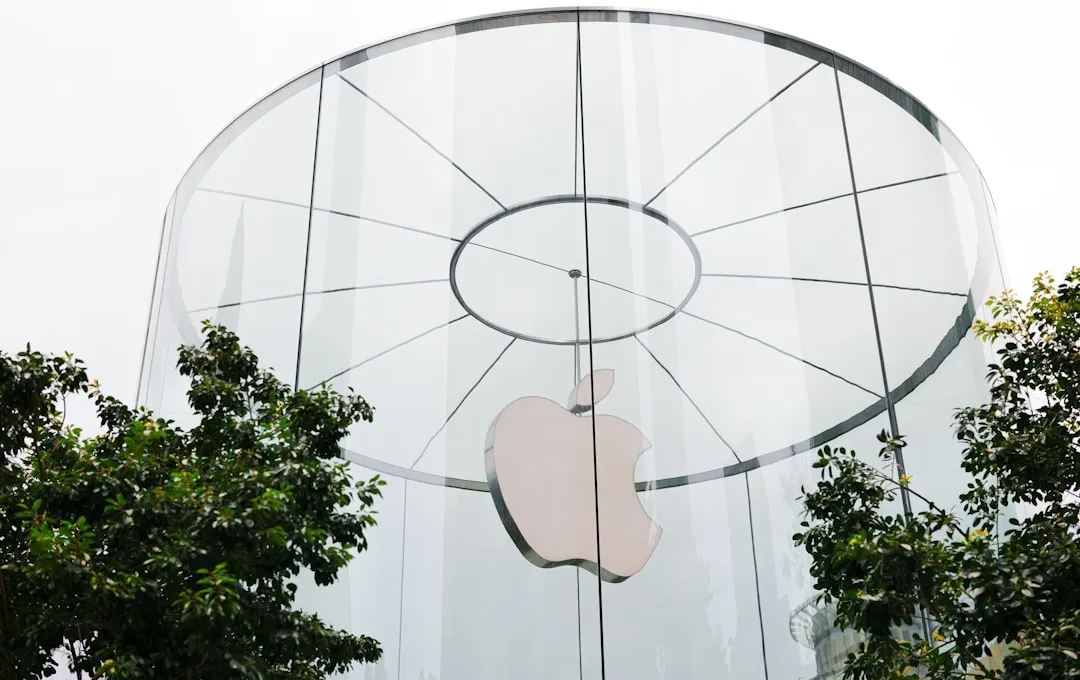
Apple celebrated its 50th anniversary in 2024, and here's something that might surprise you: while Steve Jobs gets most of the credit for Apple's success, a key architect behind the company's transformation into a tech giant was someone most people have never heard of. Mike Markkula didn't just write a check and walk away—he fundamentally shaped how Apple thinks about business, and his influence is still visible in everything the company does today.
You know how Apple has this unique approach to integrating hardware and software? Or how they consistently position themselves as premium products worth paying extra for? Those aren't accidents or natural evolutions—they're the direct result of strategic decisions made decades ago by a man who understood something crucial that neither Jobs nor Wozniak grasped at the time: how to build a technology business that could actually scale and sustain itself.
The strategic mind behind Apple's business foundation
Let's talk about what Mike Markkula brought to the table, because it's fascinating how different his background was from the two Steves. While Jobs had vision and Wozniak had technical genius, Markkula had something equally valuable: he'd actually done this before. His experience at Intel and Fairchild Semiconductor wasn't just resume padding—it gave him a deep understanding of how semiconductor companies operated, how product cycles worked, and what it actually took to compete in hardware markets.
What's particularly striking is how his investment philosophy differed from what we see in Silicon Valley today. Instead of the "grow fast and figure it out later" mentality that dominates venture capital, Markkula believed in sustainable growth. He understood something that seems almost revolutionary now: hardware companies are fundamentally different from software businesses. You can't just push updates to fix manufacturing problems or supply chain issues.
This insight drove him to prioritize manufacturing partnerships and supply chain relationships from day one, establishing what would become one of Apple's most enduring competitive advantages. Consider how this played out: while competitors focused on rapid market expansion, Apple was methodically building the operational excellence that would later enable them to launch complex products like the iPhone at massive scale while maintaining consistent quality.
But Markkula's influence went beyond operations. The marketing principles he established created Apple's distinctive market position: focus on product quality over feature quantity, maintain premium positioning, and create integrated user experiences. What made this revolutionary wasn't the concepts themselves—business schools taught these principles—but applying them systematically in an industry that competed almost exclusively on specifications and price points.
How Markkula shaped Apple's product philosophy
Here's where Markkula's impact becomes truly fascinating: he didn't just influence Apple's business operations—he fundamentally transformed how the company approached product development itself. His emphasis on creating "delightful" user experiences rather than just functional products required a complete rethinking of engineering priorities and resource allocation.
Consider what this meant practically. If you're committed to products that delight users, you need substantial investment in industrial design, user interface development, and quality control—investments that cost significantly more than building something that simply works. To support these investments sustainably, you need higher profit margins, which means you can't compete primarily on price.
This is how Apple's premium pricing strategy emerged—not as marketing positioning, but as a necessary business model to fund their design philosophy. Decades before premium pricing became common in consumer electronics, Markkula established the economic framework that made Apple's approach possible.
The integrated hardware-software approach that defines Apple's ecosystem today also traces to strategic decisions made during Markkula's era. While industry trends pushed toward specialization and licensing, Apple chose the more difficult path: maintaining control over the complete user experience. This meant developing capabilities across multiple disciplines simultaneously—expensive and complex, but ultimately creating something competitors couldn't replicate.
What's remarkable is how counterintuitive this strategy seemed at the time. Most successful technology companies were focusing on core competencies and partnering for everything else. Markkula pushed Apple toward vertical integration before anyone understood its potential advantages in consumer technology.
The leadership transition that defined Apple's future
Markkula's tenure as Apple's second CEO provided crucial stability during the company's most formative growth phases, but his leadership style created productive tension with Jobs' approach that shaped both leaders and the company's culture.
Where Jobs pursued product perfection with singular intensity—sometimes sacrificing schedules and budgets for breakthrough features—Markkula emphasized systematic business practices and methodical market development. This wasn't just philosophical difference; it created real friction over product timelines, feature priorities, and resource allocation throughout the 1980s.
You can trace this dynamic through various strategic pivots during that era. Markkula's preference for measured growth and market validation sometimes clashed with Jobs' instinct for revolutionary products that created entirely new categories. The tension was constructive: Markkula's discipline prevented costly overreach while Jobs' vision pushed beyond incremental improvements.
What's particularly important is how this dynamic prepared Apple for long-term success. The systematic business practices that Markkula embedded—comprehensive market analysis, sustainable manufacturing processes, disciplined strategic planning—became organizational DNA. When Jobs returned years later, he could apply his visionary product sense within an established framework of business fundamentals.
This explains something that puzzles many observers: how Jobs evolved from the impulsive entrepreneur of Apple's early years into the strategic business leader of his second tenure. He didn't have to build business systems from scratch the second time—Markkula had already established the foundation for balancing innovation with operational excellence.
What modern tech leaders can learn from the Markkula approach
The strategic framework Markkula established offers compelling alternatives to prevailing Silicon Valley wisdom, particularly his emphasis on patient investment over rapid iteration. His approach has become the blueprint for companies building lasting advantages in physical products—from Tesla's vertical integration strategy to how premium device manufacturers approach ecosystem development.
Most significantly, Markkula's philosophy represents a fundamental challenge to the "move fast and break things" mentality. His thesis that sustainable competitive advantages come from systematic capability development rather than rapid feature iteration looks increasingly prescient as tech companies struggle with commoditization and platform dependence.
Modern tech leaders can apply these principles through several specific approaches. First, prioritizing long-term ecosystem development over short-term market share gains—investing in capabilities that create lasting differentiation rather than quick wins. Second, building manufacturing excellence and supply chain relationships even when software seems more exciting or accessible.
Perhaps most importantly, maintaining premium positioning through genuine product differentiation rather than marketing alone. This requires the discipline to say no to features or markets that don't align with core strategic advantages—exactly the kind of focused approach Markkula championed decades before it became conventional wisdom.
The challenge, naturally, is that this approach demands significant upfront investment and patience before results appear. It's far easier to iterate quickly on software features or chase viral growth metrics. But companies that embrace this longer-term view often develop much more defensible market positions.
The lasting impact on Apple's ecosystem strategy
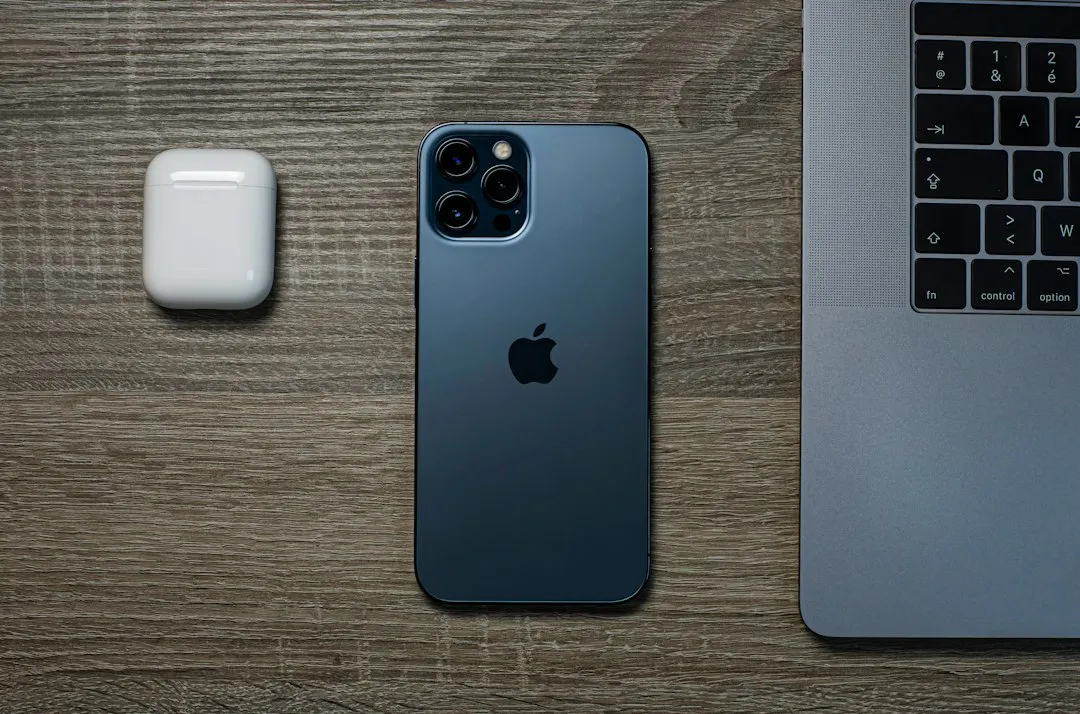
Mike Markkula's strategic influence has proven remarkably durable, with his foundational principles still actively guiding Apple's approach to new technologies and markets. The seamless integration between iPhones, Macs, iPads, and services that defines Apple's current ecosystem strategy directly implements the control-the-complete-experience philosophy he established in the company's earliest years.
More impressively, the business model Markkula architected—premium positioning supported by genuine innovation and systematic capability investment—has enabled Apple to maintain industry-leading profit margins while funding continuous breakthrough development. This validates his core thesis that patient investment in fundamental capabilities creates more sustainable advantages than reactive competitive responses.
The strategic framework proves its ongoing relevance as Apple expands into new product categories and service offerings. Whether developing Apple Silicon processors, building manufacturing capabilities for complex products like AirPods, or creating integrated services experiences, the company continues following the vertical integration playbook that Markkula helped establish.
For the broader technology industry, Markkula's legacy demonstrates that visionary product leadership must combine with systematic business development to create lasting impact. The most brilliant product concepts remain unrealized without the operational foundation to execute and scale them effectively across global markets.
As technology companies increasingly face commoditization pressures and platform dependencies, the patient, capability-focused approach Markkula championed offers a proven alternative to growth-at-all-costs strategies. His influence reminds us that while breakthrough products capture headlines, the systematic business thinking that enables those breakthroughs often determines which companies build lasting market leadership.











Comments
Be the first, drop a comment!