





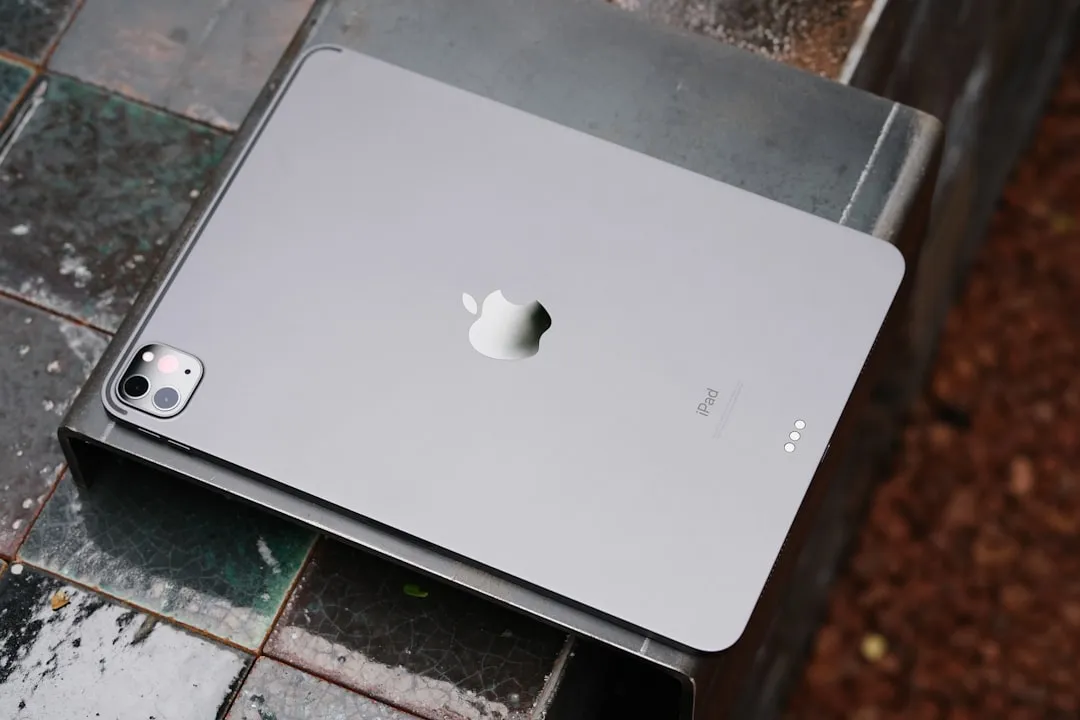
Apple's ambitious OLED roadmap just hit a significant speed bump. While the tech giant has successfully brought OLED technology to its iPad Pro lineup, the transition to MacBooks is proving more complex than initially anticipated. The MacBook Air's journey to OLED displays is reportedly targeted for around 2028, with some analyst estimates suggesting a later window, according to Bloomberg's Mark Gurman, with some analysts suggesting it could slip even further to 2029. This delay stems from the substantial costs associated with large, high-quality OLED panels and Apple's stringent quality requirements that suppliers have yet to meet. Understanding this timeline shift reveals a fascinating intersection of manufacturing economics, supply chain realities, and Apple's calculated approach to premium technology integration.
The economics behind the delay
Here's what you need to know: the primary obstacle preventing an earlier OLED MacBook Air launch comes down to manufacturing economics at an unprecedented scale. Premium OLED panels for larger displays remain prohibitively expensive for Apple's mid-range laptop positioning, as noted by industry sources. Samsung Display's massive investment in eighth-generation OLED production facilities—multi-billion-euro investment—reveals the infrastructure transformation required for laptop-sized OLED panels to become economically viable.
This investment scale creates a ripple effect throughout the display industry. Samsung's lines are capable of producing up to 10 million panels annually, based on a 14.3-inch average size, but this capacity constraint forces Apple into strategic prioritization decisions. The MacBook Air's positioning as an accessible, mid-range laptop means it simply cannot absorb the premium costs that come with cutting-edge OLED technology—at least not yet. This economic reality explains why Apple must sequence its OLED rollout, favoring higher-margin professional models that can justify the technology premium.
MacBook Pro gets priority treatment
Apple's rollout strategy clearly favors professional users, which makes strategic sense from both business and risk management perspectives. The MacBook Pro is expected to receive OLED displays as early as late 2026 or early 2027, and this professional-first approach serves multiple purposes: the MacBook Pro's higher price point can better absorb the premium cost of OLED technology, while professional users are more likely to value the enhanced color accuracy and contrast ratios that directly impact their creative and technical work.
The manufacturing arrangement reveals Apple's careful risk mitigation strategy. Samsung Display is expected to handle production using its eighth-generation production process, with Apple reportedly reserving significant capacity from one of Samsung's two production lines. This arrangement creates a crucial proving ground—if MacBook Pro OLED production proceeds smoothly, Samsung could then supply panels for future MacBook Air models. By testing large-scale OLED laptop production with a lower-volume, higher-margin product first, Apple can identify and resolve manufacturing challenges before committing to the massive scale required for MacBook Air production.
What OLED means for MacBook Air users
When OLED technology finally makes its way to the MacBook Air, the improvements will transform the ultraportable computing experience. Users can expect brighter screens with deeper blacks and higher contrast ratios, creating more vibrant and immersive visual experiences that make everything from photo editing to video streaming more engaging. For MacBook Air users, the most compelling benefit may be improved power efficiency that could extend battery life—a game-changer for a laptop built around all-day portability.
The design implications could be equally significant. OLED panels don't require the backlighting systems needed for traditional LCD displays, potentially enabling even thinner device designs while improving display quality. By the time OLED arrives in the MacBook Air lineup—likely in 2028 models—the technology could coincide with future Apple Silicon generations if Apple maintains its annual upgrade cycle. This convergence of advanced display technology with mature Apple Silicon represents a generational leap that could redefine expectations for ultraportable performance and visual quality.
Supply chain challenges and alternatives
The path to OLED MacBook Air extends beyond simple cost considerations into complex supply chain dynamics and geopolitical realities. While Samsung Display leads current production capabilities, Chinese manufacturer BOE faces significant obstacles due to previous quality issues with Apple and geopolitical and regulatory scrutiny affecting some Chinese suppliers. Meanwhile, companies including BOE Technology, Visionox, and TCL CSOT are expanding their offerings for notebook brands, creating a competitive landscape that could eventually drive costs down.
Apple may bridge this gap with an innovative interim solution. Starting in 2027, the company could implement Oxide-TFT panels for the MacBook Air—these LCD-based displays offer reduced power consumption, improved sharpness, and higher refresh rates while reducing dependence on limited OLED manufacturing capacity. This approach would deliver meaningful improvements over current LCD technology while allowing Apple to perfect its OLED supply chain for the eventual full transition.
The bigger picture for Apple's display strategy
This delay reflects Apple's systematic approach to technology transitions across its entire product ecosystem, balancing innovation with market viability. The company plans a methodical migration to OLED across flagship iPad and MacBook models, including iPad mini, MacBook Pro, iPad Air, and MacBook Air in roughly that order. This sequencing isn't arbitrary—it's informed by lessons from current OLED implementations. The current OLED iPad Pro models, while impressive, have seen limited adoption partly due to their premium pricing, demonstrating how cost considerations directly impact market acceptance.
The broader market implications are staggering. Industry analysts predict that if Apple successfully launches OLED MacBooks in 2026, the medium and large-sized OLED market could grow by more than 30%, potentially doubling by 2029. This massive growth potential explains why display manufacturers are investing billions in production capacity, essentially betting their facilities on Apple's transition timeline. Apple's decisions don't just affect its own products—they reshape entire industries.
What this means for your next MacBook purchase
Bottom line: the extended timeline for OLED MacBook Air creates a clear decision framework for potential buyers. If you're considering a MacBook Air purchase in the next few years, you'll be getting LCD technology that, while capable, lacks the visual impact and efficiency benefits of OLED. However, the upcoming M5 MacBook Air models will continue using LCD displays, meaning you won't be missing cutting-edge display technology regardless of your purchase timing through 2027.
For those willing to wait until 2028 or beyond, the OLED MacBook Air represents a compelling generational leap—advanced display technology combined with what will likely be highly refined Apple Silicon processors. But here's the reality check: three years is a significant wait for a laptop upgrade, especially when current MacBook Air models already deliver excellent battery life and display quality for most users' needs. The key question isn't whether OLED will be better—it will be—but whether the improvements justify delaying a purchase that could enhance your productivity today.
This timeline shift ultimately reflects Apple's commitment to delivering transformative technology only when it can meet the company's exacting standards for quality and market positioning, even if that means waiting longer than initially hoped.











Comments
Be the first, drop a comment!