





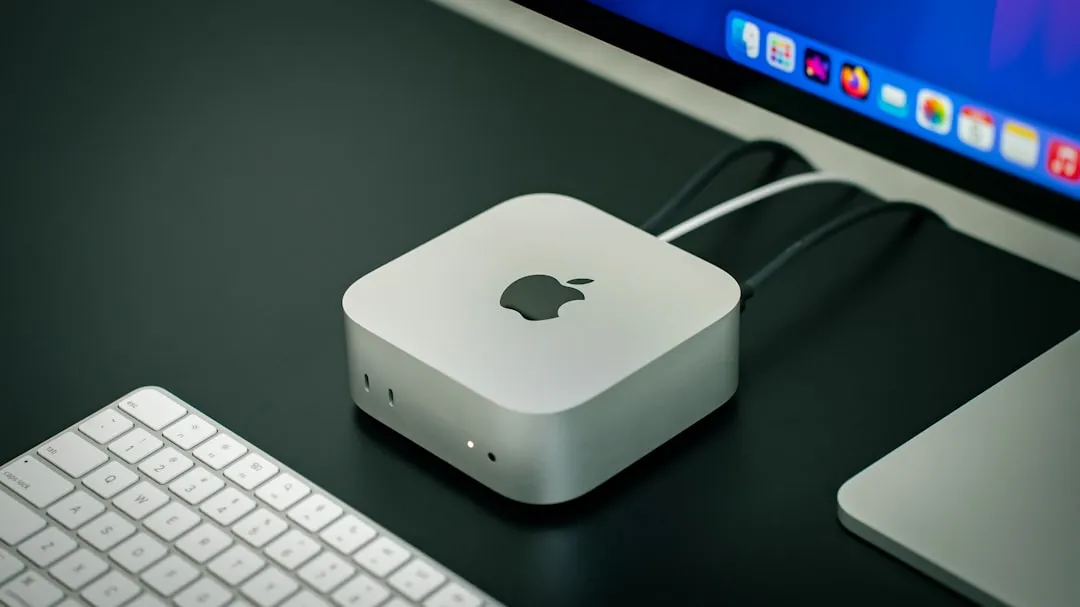
You've probably heard of Siri, Google Assistant, and Alexa - those voice assistants that can set timers and tell you the weather (when they're working properly). But what if I told you there's an open-source AI assistant that's making tech enthusiasts so excited they're buying Mac minis just to run it? Reports from 9to5Mac show that this isn't just another chatbot - it's a comprehensive personal AI that you can deploy on your own hardware, giving you complete control over your digital assistant experience.
The project's meteoric rise tells a story about what developers really want from AI assistants. GitHub data indicates the project's star count jumped from 5,000 to 20,000 in just a few days, reflecting a fundamental shift in how developers think about AI deployment. Rather than accepting corporate-controlled cloud services, they're embracing local, user-owned AI infrastructure that puts them in the driver's seat.
The M4 Mac mini has become the unexpected catalyst for this movement, according to 9to5Mac, creating a cultural phenomenon where Apple's compact computer represents cutting-edge AI experimentation. What's particularly fascinating is how this represents something fundamentally different from the AI assistants we're used to - instead of renting capabilities from corporations, you own your entire AI infrastructure, much like the difference between renting an apartment and owning your own house.
Why Mac minis became the unexpected AI hero
The technical community's embrace of Apple's M4 Mac mini reveals something crucial about the future of AI deployment. Reports from 9to5Mac confirm that this compact computer has become the hardware foundation for personal AI assistant deployments, and there are compelling technical reasons why.
The M4 chip delivers the perfect combination of computational power and energy efficiency that's essential for always-on AI operations. Unlike cloud-based assistants that process your queries on distant servers, this setup handles everything locally on hardware you control. This shift from cloud dependence to edge computing represents a fundamental change in how we think about AI assistance.
The enthusiasm has been so intense that one user purchased a Mac mini specifically to experiment with the software, describing the experience as both addictive and transformative. This preference has even sparked internet users creating memes around using Apple's compact computers for AI deployment - a phenomenon that signals how local AI deployment is becoming a badge of honor in tech circles.
What makes this particularly significant is how it demonstrates that sophisticated AI capabilities don't require massive server farms. A small aluminum box sitting on your desk can provide AI assistance that rivals or exceeds what major tech companies offer through their cloud platforms.
What makes this AI assistant different from Siri?
The architectural approach here fundamentally reimagines what an AI assistant can be. Unlike Apple's built-in assistant, this open-source solution operates as a comprehensive personal AI that seamlessly integrates across your entire digital ecosystem. Analysis from 36kr reveals the software connects popular messaging applications on one side with powerful AI capabilities on the other, creating a unified assistant experience that spans every communication channel you use.
The platform support demonstrates this comprehensive approach: WhatsApp, Telegram, Slack, Discord, Google Chat, Signal, iMessage, Microsoft Teams, and WebChat, plus specialized channels like BlueBubbles and Matrix. This extensive integration enables something traditional assistants can't achieve - persistent context that follows you across all your digital interactions.
But here's where it gets really interesting: user testimonials suggest the experience surpasses traditional voice assistants like Siri, Google Assistant, or Alexa by offering a more sophisticated interaction model. Instead of the typical "wake word, command, response" cycle, this operates like having a knowledgeable colleague who maintains context across conversations, remembers previous interactions, and can even initiate contact when relevant.
This multi-platform persistence creates an entirely new paradigm where your AI assistant isn't trapped within a single device or ecosystem - it becomes a consistent intelligence layer that spans your entire digital life.
The corporate intervention that changed everything
The project's viral growth caught the attention of major players in ways that highlight the complex dynamics between open-source innovation and corporate interests. Documentation from 9to5Mac shows that Anthropic stepped in with trademark concerns and requested a name change, forcing a rebrand from the original name to "Moltbot."
Rather than getting frustrated by this corporate intervention, the developers handled it with characteristic programmer humor. They explained that "Molt" fits with lobster growth themes, maintaining their crustacean-inspired branding while complying with legal requirements. The project now operates under the handle @moltbot.
This incident illuminates a broader tension in the AI landscape: as open-source projects gain traction and challenge established platforms, they inevitably face pressure from corporations protecting their intellectual property. The timing - right as the project was experiencing explosive growth - suggests that major AI companies are closely monitoring open-source developments that could influence broader adoption patterns and threaten their platform dominance.
Real-world applications that surprised everyone
The practical applications users have discovered showcase capabilities that extend far beyond typical AI assistant interactions. Case studies from 36kr document genuinely impressive use cases that demonstrate what becomes possible when you have sophisticated AI under direct control.
Consider the escalating sophistication of these applications. Users start with basic tasks like content summarization and data analysis, then progress to complex automation like conducting market research every four hours using advanced AI models for stock trading decisions. But the most striking example shows the system's negotiation capabilities: a user saved $4,200 when purchasing a car by having their AI assistant handle price negotiations directly.
The business applications reveal even greater potential. Some people deployed the system to run a tea company, handling various operational tasks that would typically require human oversight. The software's capabilities extend to computer maintenance, utility creation, game development, research tasks, and calendar management - essentially creating a digital workforce of one that operates continuously on your behalf.
These aren't science fiction demonstrations - they represent real people solving real problems with a level of sophistication that traditional AI assistants simply can't match because they lack the persistent access, contextual memory, and cross-platform integration that this architecture enables.
The technical architecture behind the magic
Understanding how this system achieves such comprehensive capabilities requires looking at its clever architectural design. Technical documentation from 36kr outlines four core components: Gateway, Agent, Memory, and Skills, each serving specific functions that work together to create capabilities greater than the sum of their parts.
Let me illustrate how these components collaborate using the car negotiation example. The Gateway handles communication across WhatsApp, email, and dealer websites. The Agent processes negotiation strategies and pricing analysis. Memory maintains context about your preferences, budget constraints, and previous interactions with dealers. Skills execute specific actions like web searches, price comparisons, and message composition.
Here's what makes this architecture fundamentally different: memory storage occurs entirely on the deployment platform, whether local hardware or cloud services you control. Your conversations, preferences, and historical context never leave your direct supervision. The system maintains persistent memory capabilities that allow it to remember previous conversations and context, while also supporting proactive communication through automated summaries and alerts that don't require user prompts.
This represents a shift from the request-response model of traditional assistants toward something more like having a persistent digital colleague who works continuously in the background and proactively surfaces relevant information.
What this means for the future of personal AI
This project demonstrates a profound shift toward AI infrastructure that individuals can own and control rather than rent from corporations. The software demonstrates that sophisticated AI assistants can operate on personal hardware across any platform and operating system, reducing dependence on cloud-based services while providing superior functionality.
The implications extend beyond personal convenience into fundamental questions about digital autonomy. When you control your own AI infrastructure, you can customize it for specific needs, integrate it with proprietary data sources, and ensure your information remains private. This ownership model transforms AI from a service you consume into a capability you possess.
Industry analysis suggests this represents what developers ultimately wanted to achieve with personal AI systems - comprehensive integration that works seamlessly across all touchpoints rather than being locked into specific platforms or ecosystems.
The combination of open-source availability, powerful local hardware like the M4 Mac mini, and demonstrated real-world applications suggests we're witnessing the emergence of a new category of personal computing where AI assistance becomes something that sits on your desk under your direct supervision rather than in corporate data centers under their control.
Where do we go from here?
The rapid adoption and creative applications signal a broader transformation in human-computer interaction. Community feedback indicates that working with multiple AI agents creates both high cognitive load and an addictive user experience, suggesting we're entering a new phase of computing that fundamentally changes how we accomplish complex tasks.
What makes this movement particularly significant is how it demonstrates that sophisticated AI capabilities don't necessarily need to be locked behind corporate services. The technical barriers that once required massive corporate infrastructure are dissolving, enabling individuals and organizations to deploy AI systems that rival or exceed what's available through traditional cloud-based assistants.
While the software currently requires technical knowledge for setup, it provides an excellent platform for AI experimentation, potentially democratizing access to sophisticated AI capabilities. As the tooling improves and setup becomes more accessible, this model could expand beyond the current technical early adopter community.
The broader trend points toward AI infrastructure that prioritizes user control and flexibility over corporate platform lock-in. As more users discover practical applications and the community continues to innovate, we may be witnessing the beginning of a new era in personal AI assistance - one where your digital assistant works for you, stores its memory under your control, and operates according to your priorities rather than a corporation's business model.
What's particularly exciting is how this challenges the assumption that the best AI must come from the biggest tech companies. Sometimes the most transformative technology emerges from developers who simply want to build something better for themselves.








Comments
Be the first, drop a comment!