



Perplexity has shifted its Personal Computer from dedicated spare hardware to software running directly on a user's own Mac. The Mac-native version reads local files, works across active applications, and executes multi-step workflows in the background. No spare device required. The rollout began in mid-April, restricted to Perplexity Max subscribers at $200 per month, with wider access going first to waitlist members
That's a meaningful departure from the March concept, which required a dedicated Mac mini running 24/7 on a local network. The April update, as Engadget covered, brings that same persistent-agent model to the Mac a user already owns.
Personal Computer is not available on the $20/month Pro plan or any lower tier. Most of Perplexity's existing users cannot access it yet. That access wall is worth knowing before reading further.
The bigger picture: Perplexity is repositioning from answer engine to always-on desktop agent, asking users to grant persistent, broad access to their Mac, including files, native apps, and communications, in exchange for more autonomous assistance. The capability case is reasonably clear. The trust case is where the real questions sit, and several of those questions remain unanswered.
From cloud agent to your Mac: what changed and why it matters
Perplexity Computer, which debuted at the end of February, was a cloud-based "general-purpose digital worker" capable of orchestrating multi-step workflows across a cluster of frontier models. Personal Computer for Mac is the local extension of that system: the same orchestration engine, now running directly on a user's machine with access to the file system and native applications.
One point that got buried in launch coverage: Personal Computer is software, not a device. The Mac acts as the always-on host; Perplexity's platform connects to it remotely and can be controlled from any device, including a phone. The original version required a spare Mac mini sitting on a local network. This one runs on the machine already on the desk.
CEO Aravind Srinivas framed the ambition at Perplexity's Ask 2026 developer conference in March: "A traditional operating system takes instructions; an AI operating system takes objectives," The Next Web noted. Personal Computer for Mac is the first time that pitch lands on a user's existing hardware rather than on dedicated infrastructure.
Who is this for? Power users, operators, and founders managing repetitive cross-app workflows, people who need work to continue while they're asleep or across time zones. Perplexity isn't positioning it as a mainstream consumer product, and the $200/month price tag makes that plain.
What the Perplexity Personal Computer rollout means in practice
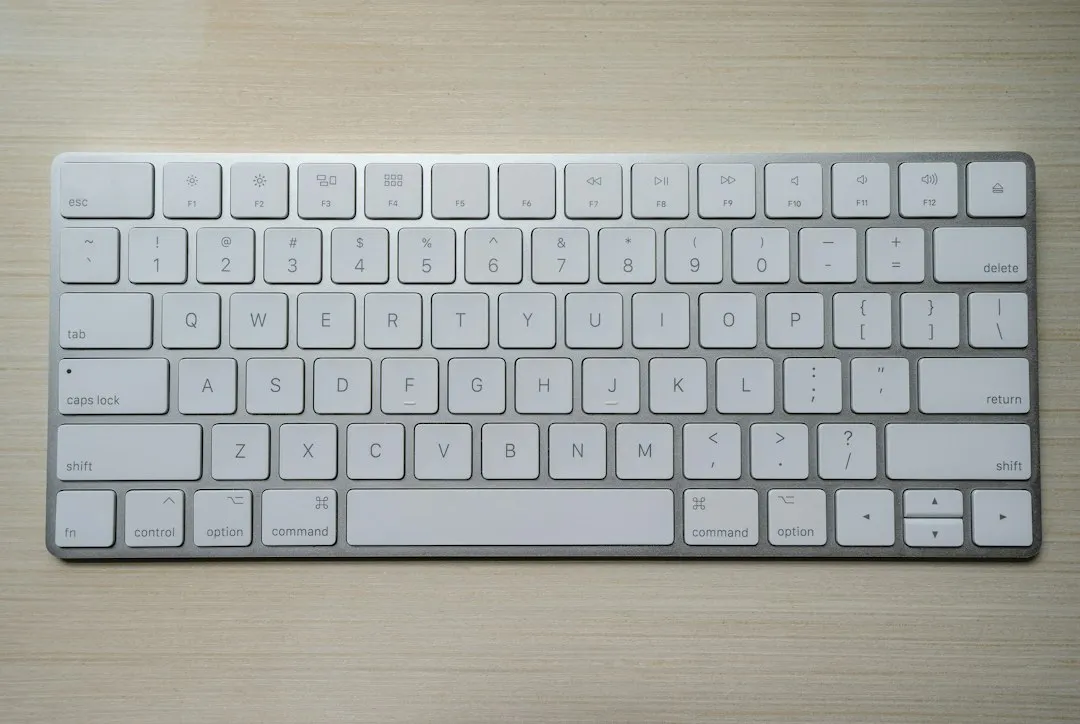
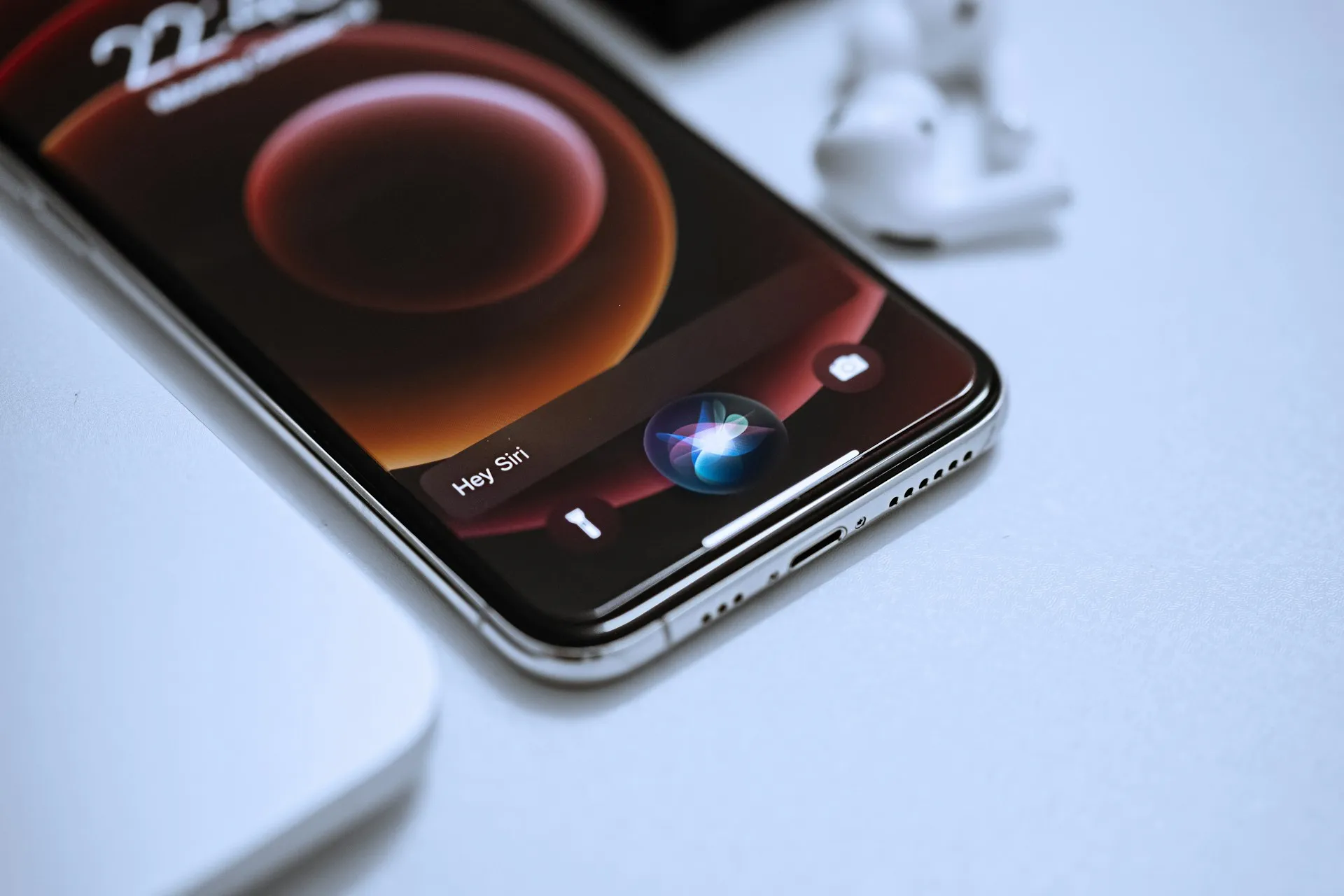
Pressing both Command keys activates Personal Computer on a Mac. It accepts text or voice input and automatically surfaces relevant quick actions based on whichever apps are currently open. Tasks can also be initiated and monitored remotely from a phone.
The more significant behavior happens without the user present. The agent runs continuously, monitoring triggers and carrying work forward in the background. Perplexity describes the system as designed to access Gmail, Slack, GitHub, Notion, and Salesforce alongside local files and native Mac apps, acting on whatever it finds. That persistent, background operation is what separates it from a chatbot that waits for a prompt.
For complex requests, the system breaks the task into smaller jobs and routes them to different specialized sub-agents. Perplexity's cloud infrastructure already handles this kind of distributed model routing at scale. By December 2025, no single AI model accounted for more than 25% of enterprise query volume, down from January of that year, when just two models handled 90% of queries. On the desktop, that same multi-model routing applies to tasks drawing on local context.
The use cases Perplexity has shown in demos, drafting investor emails, converting reports into slide decks, and reorganizing folder structures come from company-produced materials. None have been independently verified. They're illustrative of intended capability, not confirmed performance.
One natural mention of how Perplexity Computer on Mac differs from competitors is worth noting here: Perplexity's own framing positions the Perplexity Max Personal Computer tier as an orchestration layer above individual frontier models rather than a replacement for them. The system routes tasks across models depending on what each handles best.
The security architecture and what it doesn't settle
Perplexity's stated safeguards are specific. Sensitive actions require explicit user approval before execution. Every session generates a full, reviewable audit trail. Files are created inside a secure sandbox. A kill switch lets users halt the agent immediately. Both Macworld and Engadget reported those commitments. The company describes its local/cloud hybrid design as built for "maximum security and productivity."
Those features are real and worth reporting accurately. They are also insufficient on their own to answer the questions that matter most for an always-on system: what data stays on-device versus what is transmitted to Perplexity's servers or to third-party model providers; how macOS permissions are scoped and revoked; and what "reversible actions" actually cover in edge cases. None of these have been addressed publicly. No external security audit has been cited.
The design "still asks users to trust an always-on agent with broad access despite approval gates and logging." The safeguards address what happens when things go wrong inside the system. They don't tell users what leaves their machine.
For Apple platform users, that gap is structural rather than incidental. Local control and data transparency aren't preferences on macOS; they're expectations shaped by years of platform conventions. An agent that can read Messages, reorganize files, and act across open apps while the user is asleep is useful precisely because of the access it has. That same access is why the unanswered questions carry weight that approval gates and audit logs alone can't resolve.
What comes next
Perplexity Max Personal Computer is available now, Mac-only, at $200 per month, with wider rollout going first to waitlist members, Engadget confirmed. This is a narrow launch by design, aimed at high-value early adopters.
The security baseline Perplexity has described, sandboxed files, approval gates, audit logs, kill switch, is credible as far as it goes. It doesn't yet establish the data transparency users will need before extending genuine trust to a system with persistent, broad access to their machine.
Three things will determine whether this product category gains real traction: whether Perplexity publishes clear documentation on data routing and permission scope; whether hardware support expands beyond Mac; and whether the $200/month price holds. On that last point, The Next Web flagged Perplexity's core commercial challenge as convincing customers to pay that price to a company that doesn't build its own frontier models, when they could go directly to OpenAI, Anthropic, or Google. The orchestration approach is the answer to that question. Whether it's a sufficient one is still open.



Comments
Be the first, drop a comment!