



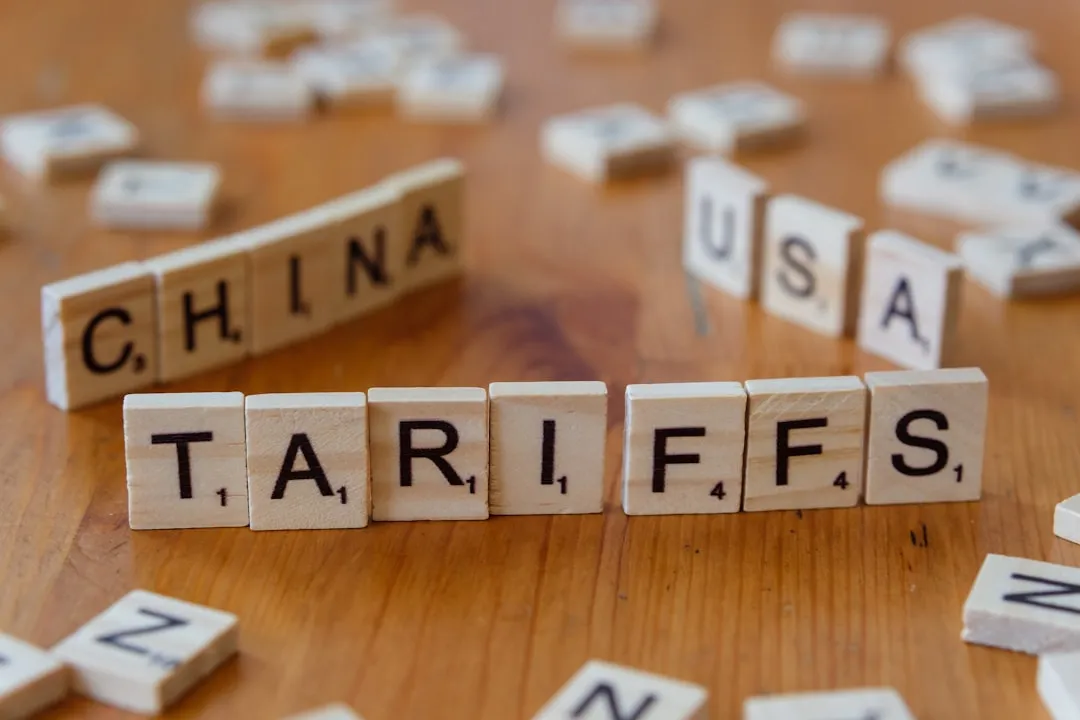
Tim Cook's recent commitment to deepen Apple's China investment lands at a delicate intersection of geopolitics and corporate calculus. His pledge during a Beijing visit is more than routine. It is a bet on managing one of tech's most tangled relationships. How high are the stakes?According to CFR analysis, China's gains associated with the Apple supply chain are estimated at roughly $360 billion a year from its Apple partnership, roughly the GDP of South Africa. And most iPhones worldwide (comparable to South Africa's ~US$400 billion GDP in 2024).
Where does Apple go from here?
Bottom line, Cook's China pledge is a masterclass in steering under pressure. Apple guided gross margins of about 46% to 47% for the quarter and said tariff-related costs would be about US$1.1 billion; attribute to Apple's earnings guidance. At the same time, Apple announced plans to spend and invest more than US$500 billion in the U.S. over the next four years for silicon engineering, manufacturing and AI initiatives; note Apple's announcement as the source.
Apple's deep ties to China's manufacturing web make relocation hard, according to supply chain experts. A dual track, heavy investment in both the U.S. and China, may be the only workable path to keep global dominance in a splintering world.
Full decoupling from China is near impossible in the short run. The lack of domestic engineering and manufacturing talent makes U.S. iPhone production extremely challenging. Chinese production remains essential for sales outside the U.S., and Apple recorded roughly 57% of net sales outside the Americas in FY2024 (per its consolidated financials).
The picture is clear enough. Apple is playing a long game, betting it can operate in both spheres. Whether it pays off depends on geopolitics and Apple's ability to keep its balance between two superpowers. In a multipolar world, survival looks less like choosing sides and more like building bridges that can take a beating.









Comments
Be the first, drop a comment!