



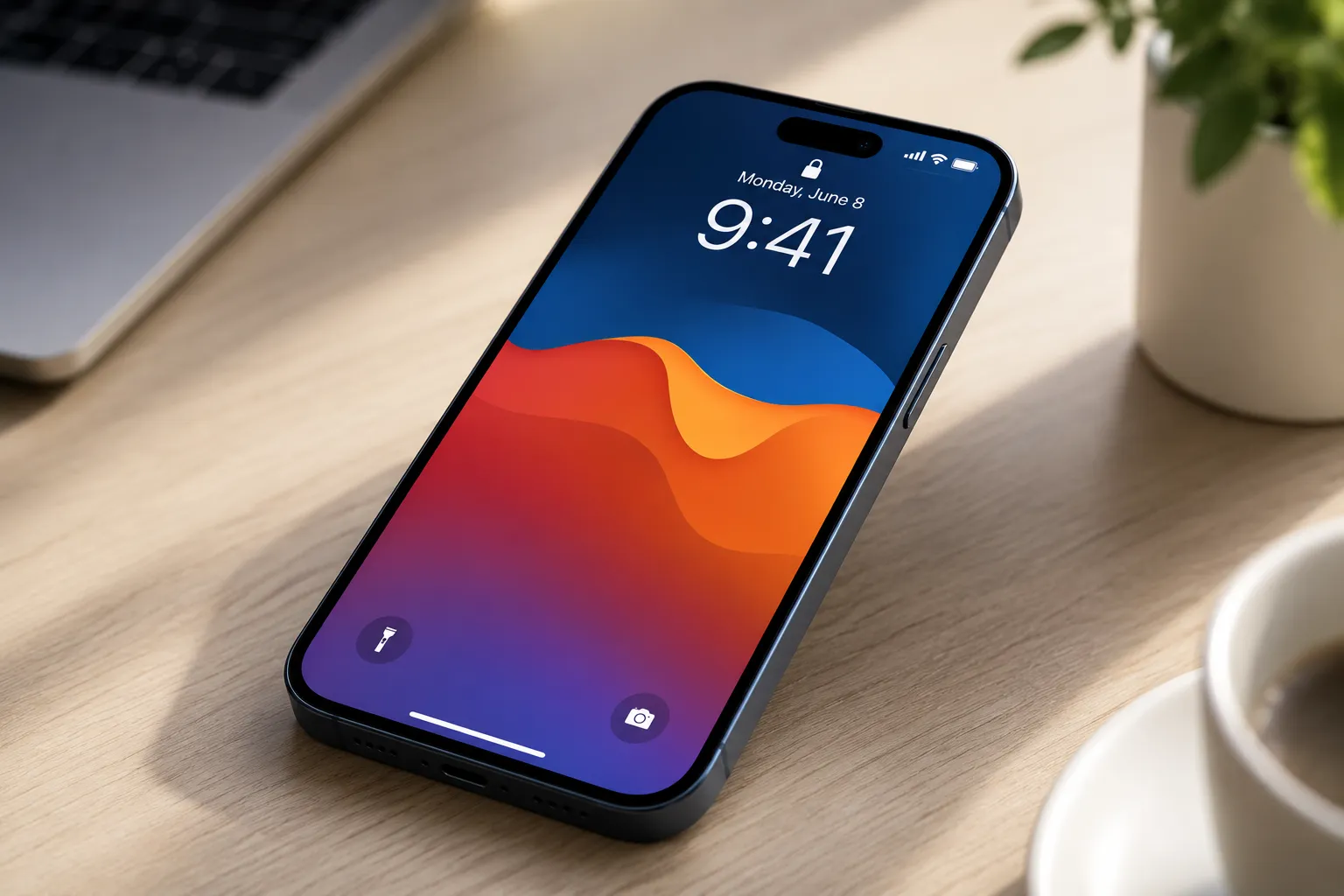
Apple's Worldwide Developers Conference runs June 8–12, with the keynote kicking off at 10 a.m. PDT on June 8. The WWDC 2026 announcement describes the week as spotlighting "AI advancements and exciting new software and developer tools" — language so close to what Apple used when it first announced the dates two months ago that the two press releases are nearly interchangeable. For developers waiting to understand how Apple Intelligence fits into their build decisions, that repetition tells a story of its own.
The real question heading into June 8 is not whether Apple will announce AI features. It will. The question is whether those features add up to something developers can treat as a durable foundation — consistent APIs, cross-app permissions, a coherent story across every Apple device — or whether they land as incremental additions to an existing product layer.
WWDC 2026 schedule: keynote date, Apple Park event, and what developers are watching
The keynote and Platforms State of the Union both land on June 8, he latter beginning at 1 p.m. PDT. More than 1,000 developers, designers, and students will attend in person at Apple Park; everyone else can watch via the Developer app, YouTube, and bilibili. Throughout the week, over 100 video sessions and Group Labs running Tuesday through Friday give developers direct access to Apple engineers and designers.
Developer betas for Apple's next iPhone and Mac operating systems are expected, with public betas expected in July and full release in September. That compressed cycle means Apple's June 8 framing will be tested against real developer experience almost immediately.
The platform question Google already answered
Google set the competitive frame last week. Android chief Sameer Samat told CNBC that the company is making the transition "from an operating system to an intelligence system," with Gemini reading on-screen context, moving fluidly across apps, and completing multi-step tasks without the user bouncing between services. His demonstration: ask Gemini to review a barbecue guest list, build a menu, populate an Instacart cart, and return for approval before checkout. That is not an assistant upgrade. It is a claim about what an operating system is fundamentally for.
Wall Street's read on the gap is blunt. Alphabet's stock has gained more than 140% over the past 12 months, compared to roughly 40% for Apple, a divergence CNBC attributes directly to differing AI conviction. Apple does not need to match Google's scale argument on June 8, but it needs a counterargument specific enough for developers to build against.
What Apple has confirmed, and what the rumors suggest
The only AI commitment Apple's leadership has put on the record is Tim Cook's statement on a recent earnings call that the company expects to deliver "a more personalized Siri" this year. Computerworld notes that Apple has begun exposing some Apple Intelligence-related frameworks and APIs to developers. The components exist, but the platform architecture has not been publicly laid out.
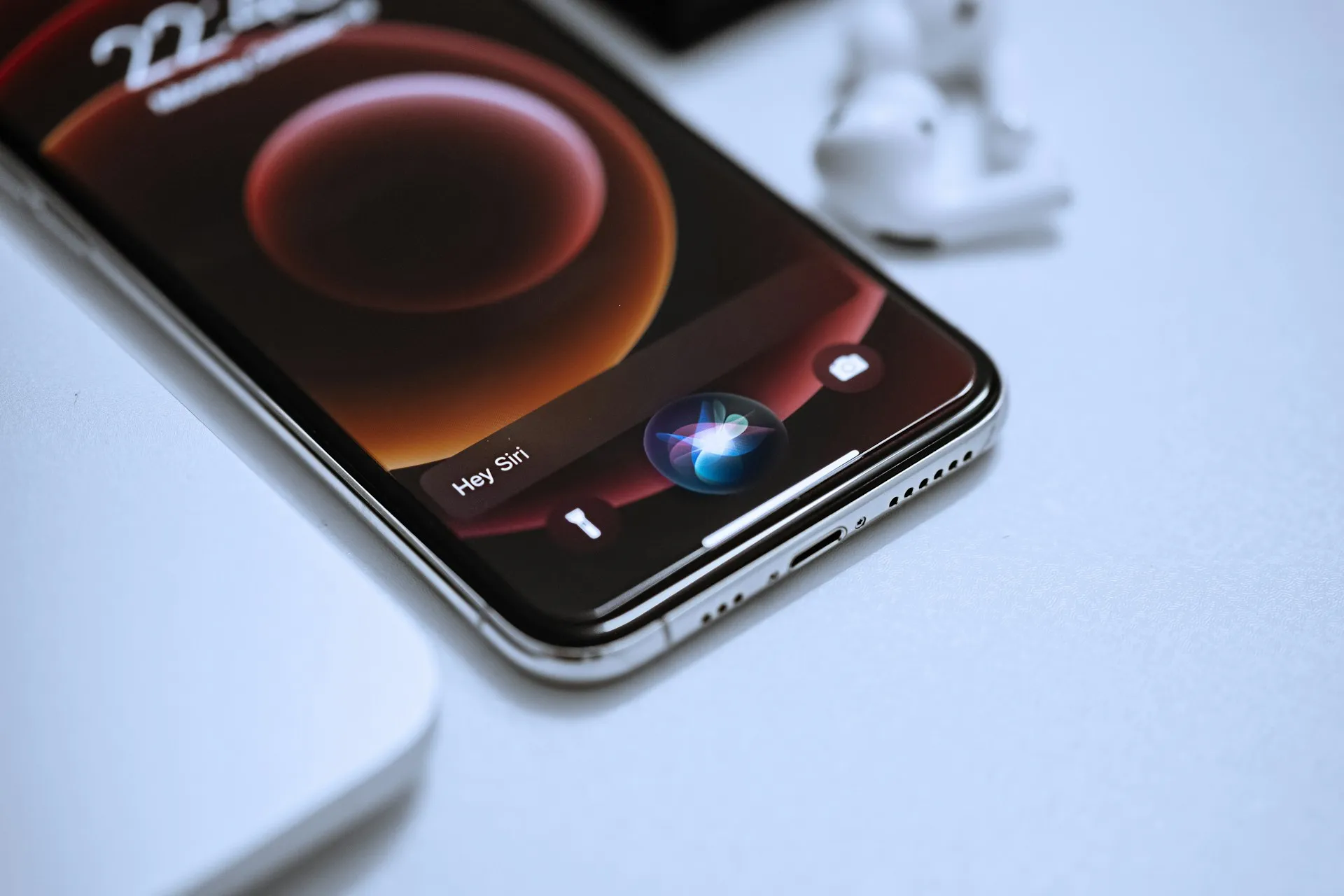
On the rumor side, MacRumors reports Apple may introduce a standalone Siri app across iOS 27, iPadOS 27, and macOS 27, with text and voice modes, access to past conversations, and third-party integration through a reported "Extensions" feature. That would be a real surface change, with Siri behaving more like a persistent chatbot, but it does not yet answer whether third-party apps can plug into Apple Intelligence the way they plug into the OS itself.
iOS 27 is also rumored to follow a Snow Leopard-style philosophy: quality, stability, and design refinement over sweeping new capabilities, per MacRumors.
The hardware gate: Apple's biggest unresolved problem
Whatever Apple announces, a specific constraint will shape how much of it actually reaches users. New Apple Intelligence features in iOS 27 are rumored to require an iPhone 15 Pro or newer, even as iOS 27 itself is expected to support devices back to the iPhone 12, MacRumors reports. The OS ships broadly; the AI capabilities do not.
Developers invest in a platform when the addressable audience is large and the capabilities are consistent. A hardware-gated AI tier cuts against both conditions at once. Developers writing against Apple Intelligence APIs need clarity on which users will actually see their work, and right now, that clarity does not exist.
Google's rollout runs the other direction. Gemini Intelligence is expanding from Samsung Galaxy and Pixel phones this summer to watches, cars, glasses, and laptops later in the year, CNBC reports. Android Auto is already embedded in more than 250 million vehicles. That scale makes the "intelligence system" claim tangible. Apple's hardware-gated model requires a specific argument for why depth beats breadth, and that argument needs to be made on June 8, not assumed.
The transition Apple has done before
Computerworld draws the sharpest available parallel: WWDC 1997, the first event after Apple acquired NeXT and Steve Jobs returned, posed the same structural question Apple faces now. How do you absorb a foundational platform shift without dismantling the ecosystem you spent years building? It took until 2000 to fully realize what the NeXT acquisition meant. That is, when the Mac OS X Public Beta shipped, but the technical foundations it laid eventually became the substrate for every modern Apple platform, from iPhone to Vision Pro.
That integration depth is Apple's clearest structural advantage right now. Mac, iPhone, iPad, Apple Watch, and Vision Pro all share elements of the same foundational software heritage, a cross-device coherence that Android's broader device base does not easily replicate. If Apple treats AI the same way it treated NeXT as infrastructure that runs coherently across every surface, with shared APIs and predictable behavior, it has a genuine counter to Google's scale argument. Depth over breadth is a real position. It just has to be demonstrated, not asserted.
What that requires in practice: developer APIs that allow cross-app AI integration, not only first-party use cases; explicit consistency spanning iPhone, Mac, iPad, and eventually Vision Pro; and a clear account of which hardware tiers access which capabilities. As Computerworld frames it, Apple wants to "reinvent itself for AI without sacrificing all the benefits of its existing ecosystem."
What to watch on June 8
The signals that will tell the story quickly: Does Apple describe Apple Intelligence as a system layer with real third-party API access, or as a Siri upgrade with limited integration hooks? Does it offer a multi-device story with clear capability tiers, not just iPhone? Does it address the hardware gap directly, with a concrete timeline for broader access?
For consumers, the question is simpler: can Siri do things it could not do before, reliably, on the device already in their pocket? If the honest answer requires a Pro model upgrade, that is a harder sell than Google's pitch, which is that intelligence is now everywhere across its ecosystem. Apple's counter has always been that its version works better. On June 8, with developer betas dropping the same afternoon, it will need to show that it also works broadly.


Comments
Be the first, drop a comment!