



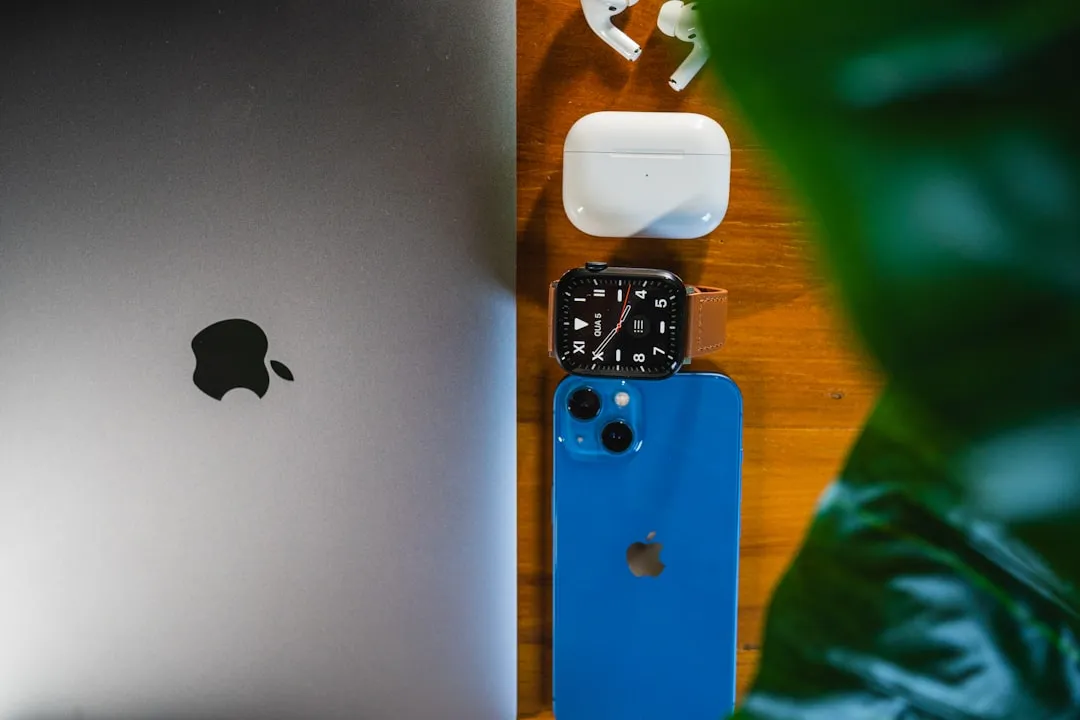
Apple's 2026 product calendar promises to be one of the most transformative in the company's history. With industry analysts predicting up to fifteen new products across core device lines, this year marks a significant departure from incremental updates to groundbreaking innovations. The Cupertino giant is reportedly preparing a significant product push that spans everything from foldable devices to AI-powered home automation, opening a new chapter in Apple's evolution.
What makes this year's roadmap particularly striking is how it shows Apple's strategic pivot toward platform unification. Unlike typical refresh cycles, 2026 is Apple's bold bet that the future belongs to seamlessly integrated experiences where AI anticipates needs, devices adapt to contexts, and technology enhances rather than interrupts daily workflows. More than just product diversification, this is Apple preparing for the next computing paradigm.
The foldable iPhone revolution arrives
The most anticipated release has to be Apple's entry into the foldable smartphone market. Reports suggest Apple's first foldable iPhone could launch in the second half of the year, marking seven years since Samsung pioneered this form factor. According to Apple analyst Ming-Chi Kuo, the device will retail for over $2,000, positioning it squarely in the ultra-premium segment.
Apple's approach reveals why it waited while competitors rushed to market. The engineering achievements here genuinely solve the problems that have plagued early foldables. The foldable iPhone will reportedly open book-style and measure around 7.7 inches when open and 5.3 inches when closed, making it as compact as the discontinued iPhone 13 mini when folded. When unfolded, it becomes bigger than any iPhone to date, approaching the size of the original iPad mini.
The battery breakthrough is particularly remarkable. The device will reportedly feature a 5,400 mAh battery while maintaining a surprisingly thin profile. That's a massive capacity—for context, the iPhone 15 Pro Max has a 4,441 mAh battery. Apple's achievement here lies not just in battery density but in thermal management and power efficiency optimizations that enable this capacity without compromising the device's form factor or introducing reliability concerns.
The over-$2,000 pricing strategy shows Apple's intention to establish foldables as a new premium category rather than compete on volume. This mirrors their successful approach with the original iPhone and Vision Pro: create the definitive experience first, then expand market reach through subsequent generations. Early adopters will essentially fund the R&D for broader market penetration.
Next-generation AI transforms Siri
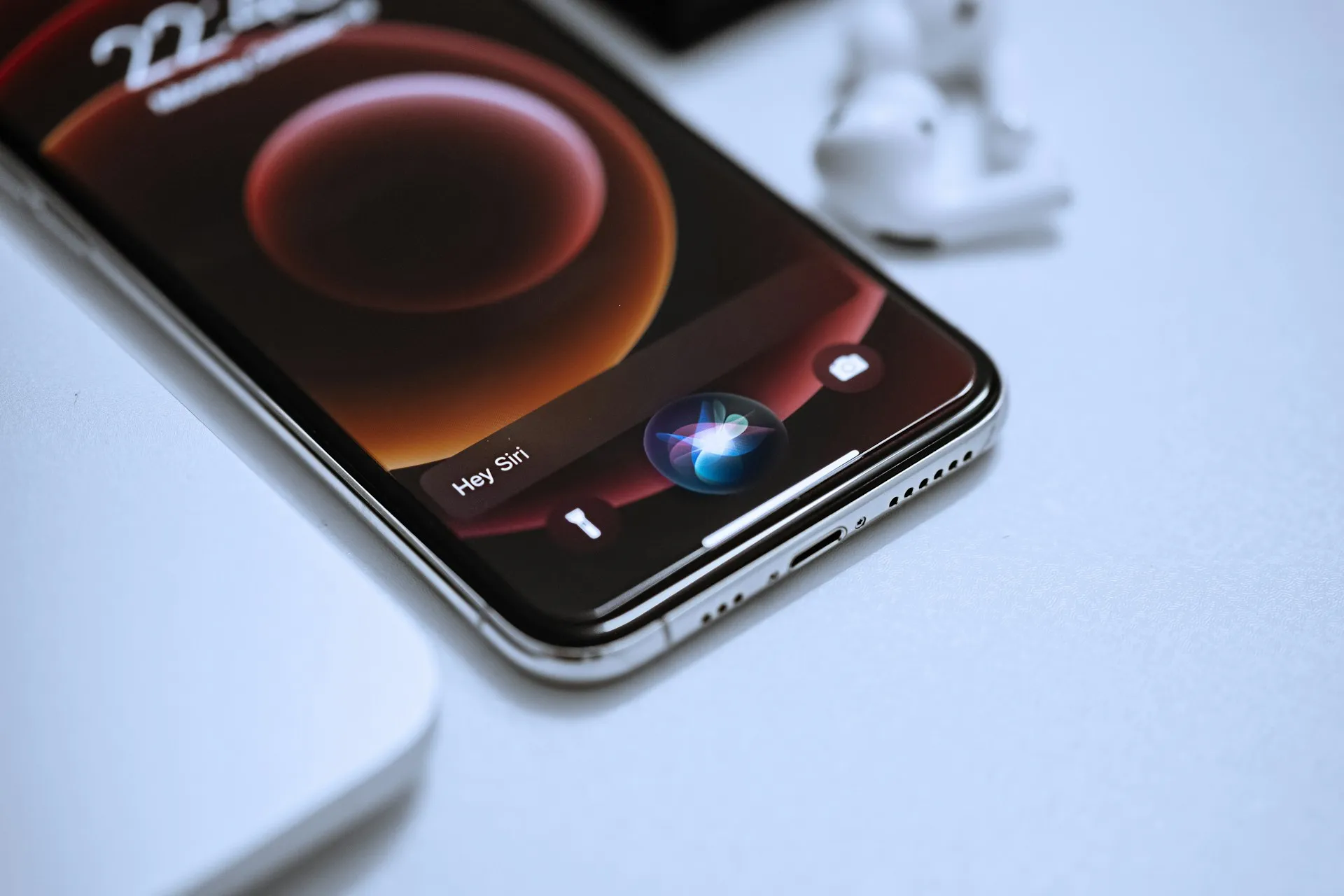
Apple's AI ambitions take center stage with a completely reimagined Siri experience. Apple first teased an updated AI-powered Siri at WWDC 2024, but the new Siri is expected to arrive in 2026. This is what Apple calls an "answer engine."
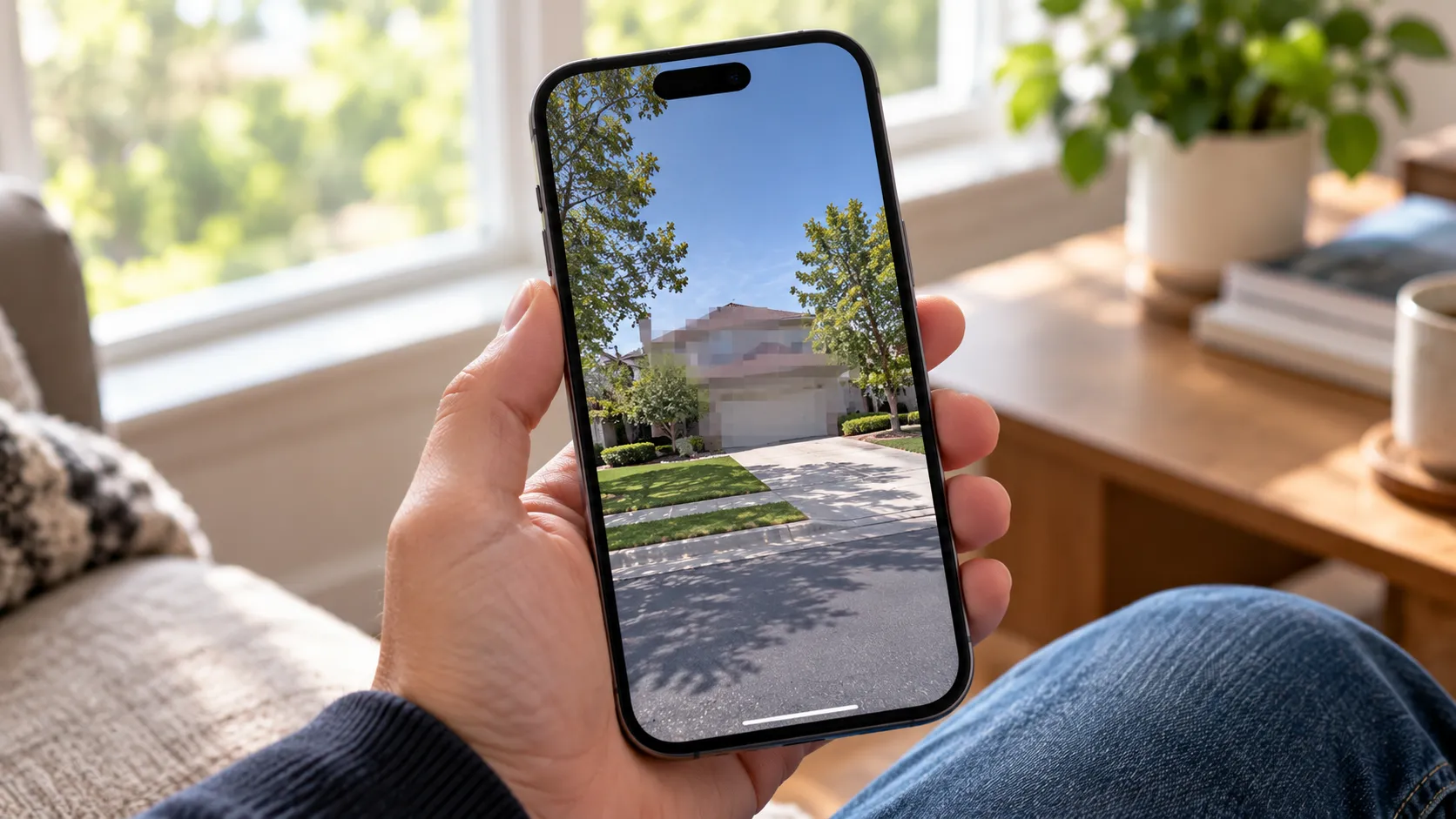
The technical leap here came from years of behind-the-scenes development culminating in a genuinely different interaction paradigm. The new system will deliver synthesized, verifiable answers that incorporate multiple media formats, moving beyond simple keyword responses to comprehensive, contextual information. These responses will integrate images, videos, and location-based data, creating what feels more like conversing with a knowledgeable companion than issuing commands to a device.
What's particularly sophisticated is how the AI will feature improved on-screen awareness and better personal context understanding. Instead of treating each query in isolation, the system understands your current activity, location, time of day, and personal preferences to provide contextually relevant assistance. This contextual intelligence transforms routine interactions—asking about the weather might automatically include commute information if you typically leave for work, or restaurant suggestions if you're traveling.
Apple's partnership strategy reveals its pragmatic approach to AI leadership. Reports indicate Apple will rely on Google Gemini to power some Siri features, demonstrating the company's willingness to integrate best-in-class capabilities rather than building everything in-house. This hybrid approach leverages Apple's on-device processing strengths for privacy and speed while accessing cloud-based AI for complex reasoning tasks that benefit from vast training data.
The timing positions this AI transformation as the connective tissue for all of 2026's new products. The foldable iPhone's dual displays become more useful with contextually aware AI. The budget MacBook gains premium-feeling capabilities through intelligent assistance. The smart home hub becomes truly intelligent rather than merely connected.
Budget-friendly MacBook enters the scene
Apple's Mac strategy gets a significant shake-up with the introduction of its most affordable laptop ever. Apple analyst Kuo published details about a more affordable 13-inch MacBook that could cost less than the $999 MacBook Air, with some reports suggesting prices as low as $599 or $699.
The revolutionary aspect isn't just the price—it's the processor choice that enables it. It would be the first MacBook to run on a chip built for an iPhone, specifically the A18 Pro chip with a 13-inch display. This is Apple's mobile-desktop convergence strategy finally reaching maturity. The A18 Pro already handles demanding computational photography, 4K video editing, and complex AR applications on iPhones—scaled up with better thermal management and larger battery capacity, it could deliver surprisingly capable performance for most computing tasks.
The strategic implications extend far beyond cost reduction. This approach could change consumer expectations about computing performance at different price points. While traditional laptops at $600 to $700 often compromise significantly on performance, Apple's mobile processor expertise could deliver genuinely usable performance that feels premium despite the entry-level pricing.
From a market expansion perspective, this pricing strategy could be transformative for Apple's addressable market. The $999 MacBook Air, while positioned as "entry-level," is still a significant barrier for students, emerging markets, and budget-conscious consumers. A sub-$700 MacBook that delivers solid performance could dramatically expand Apple's laptop market share while creating a natural upgrade path to higher-end models.
Mass production is expected to begin in Q4 2025 or early 2026, positioning this as potentially one of the first major launches of the year. This timing could establish Apple's 2026 narrative early: premium experiences at more accessible price points, powered by the company's vertical integration advantages.
Apple Glasses bring AR to everyday life
The long-rumored Apple Glasses are finally becoming a reality. Apple is set to transform the AR landscape with the rumored release of Apple Glasses in 2026, offering a dramatically different approach from the Vision Pro. These glasses focus on practical, everyday augmented reality rather than immersive virtual experiences.
Apple's feature set prioritizes genuine utility over technological spectacle. Built-in cameras enable photo capture, video recording, and visual recognition tools, while integrated speakers provide audio for music, translations, and phone calls. Navigation becomes seamless with turn-by-turn directions displayed directly in your field of vision, eliminating the need to constantly check your phone while walking or driving.
The AI integration creates compelling real-world scenarios that demonstrate the glasses' practical value. The glasses will feature object recognition capabilities with detailed insights through Siri integration. Imagine looking at a restaurant and instantly seeing reviews, current wait times, and menu highlights, or examining a plant and receiving care instructions tailored to your local climate. These aren't gimmicky tech demos—they're genuinely useful capabilities that could change daily routines.
Apple hasn't overlooked the practical considerations that determine mainstream adoption. Customizable frames allow personal style choices, and prescription lens compatibility ensures accessibility for vision-impaired users. These details matter enormously for a device people need to wear comfortably throughout their day.
The pricing strategy reveals Apple's confidence in the product's market potential. Apple expects to price the glasses under $1,000, making them significantly more accessible than the $3,499 Vision Pro. This positions the glasses as an iPhone accessory rather than a standalone computing platform—a smart approach that leverages existing user investment in Apple's ecosystem.
The developer timeline suggests Apple has learned from previous platform launches. Apple is expected to unveil the glasses at WWDC 2026, giving developers months to create compelling experiences before consumer availability. Unlike smartphone apps that translate familiar computing paradigms to touch interfaces, AR applications require fundamentally new design thinking around spatial interfaces, contextual information display, and user privacy in shared spaces.
Smart home hub completes the ecosystem
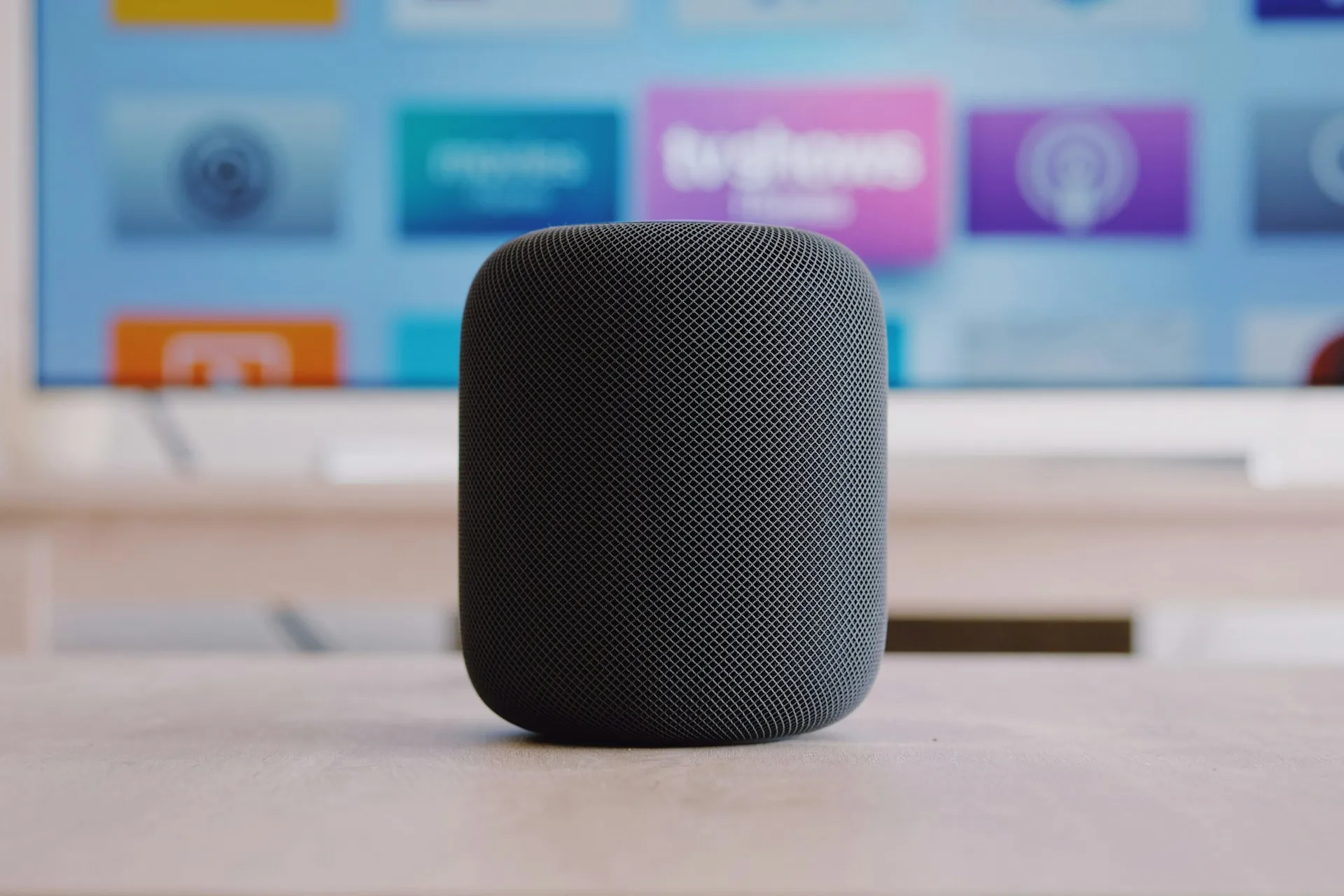
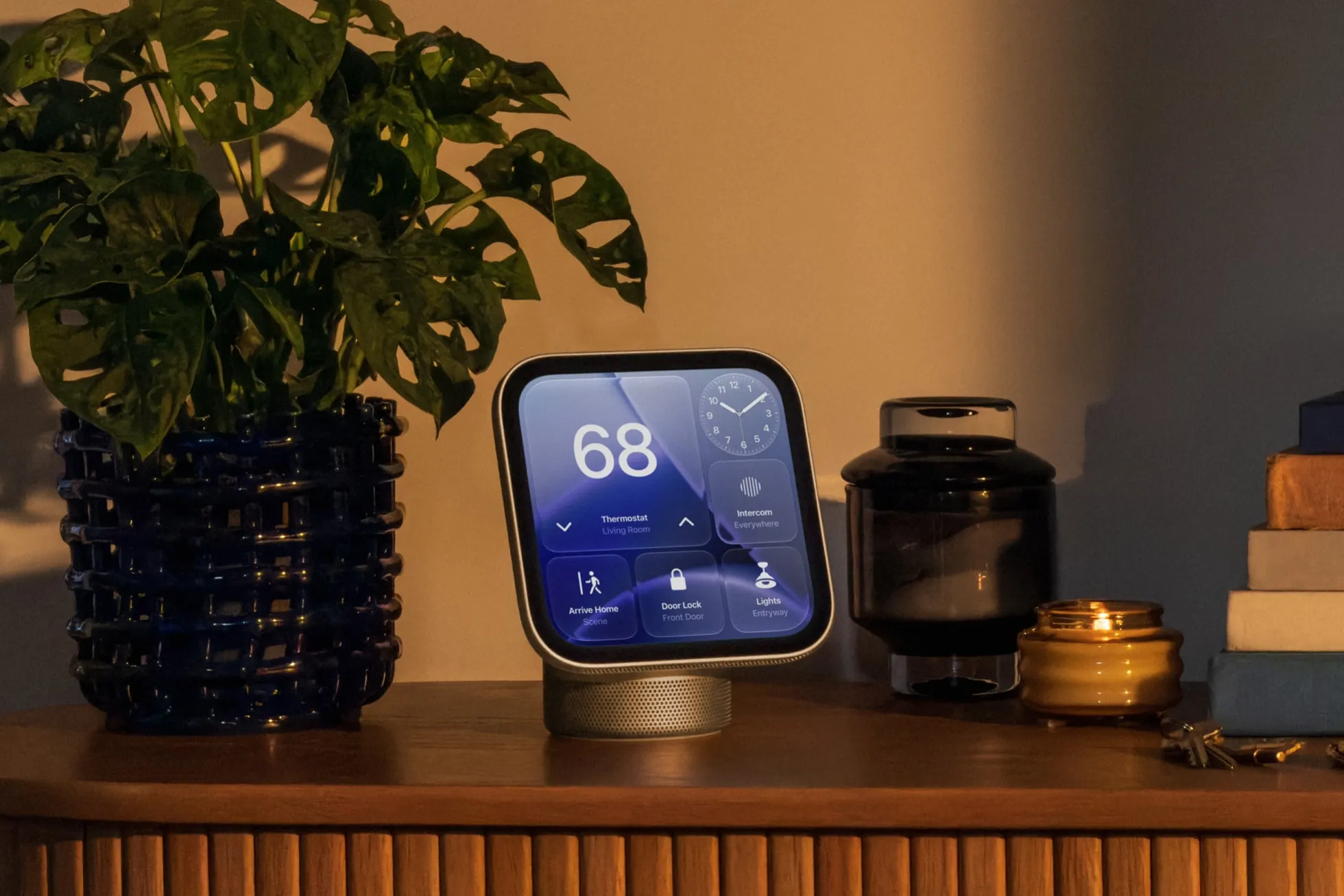
Apple's smart home ambitions crystallize with a dedicated home hub device. Apple is working on a home hub that will serve as a centralized control point for smart home products, potentially branded as HomePod Touch or HomePad with a 7-inch touchscreen running Apple's new homeOS.
The device promises functionality that extends well beyond traditional smart home control. Users can expect support for listening to music, making video calls, checking the weather, using Siri, displaying photos, taking notes, and viewing calendar events. This positions the hub as a central information and control center for the modern connected home, potentially integrating with new security cameras that connect to HomeKit.
What makes this device strategically important is its role as the physical anchor point for Apple's broader 2026 ecosystem. The new AI-powered Siri becomes the hub's brain, enabling natural conversation about home automation, family schedules, and daily planning. The Apple Glasses extend the hub's functionality beyond the home, maintaining continuity of information and control. The budget MacBook serves as the perfect complement for home office integration.
The smart home market has struggled with fragmentation, inconsistent user experiences, and reliability issues. Apple's integrated approach—combining advanced AI, a unified control interface, and seamless ecosystem integration—could finally deliver the cohesive smart home experience that consumers have been promised but rarely received. The hub becomes not just a controller but a hub for family communication, entertainment, and daily organization.
From a competitive standpoint, this represents Apple's bid to become the central nervous system of the connected home. While Amazon and Google have focused on voice-first interfaces and broad device compatibility, Apple is betting that users prefer integrated experiences where hardware, software, and services work seamlessly together. The hub's success could determine whether Apple establishes a meaningful foothold in the home automation market or remains primarily a mobile-focused company.
What this means for Apple's future
The breadth of 2026's product launches signals Apple's most ambitious transformation since the iPhone era. The launch could have significant implications for the AR industry, shifting focus from immersive VR experiences to practical, real-world applications. Meanwhile, Apple is not merely entering the AR market but setting a new standard for what AR technology can achieve.
The strategic timing couldn't be more critical for Apple's long-term competitive position. After a disappointing 2025, 2026 is expected to be momentous for Apple, with these releases potentially defining the company's trajectory for the next decade. Apple is expected to unveil the glasses at WWDC 2026, making this year's developer conference a pivotal moment for establishing new platform paradigms.
What distinguishes this product cycle is how each device amplifies the others' capabilities rather than competing for user attention. The foldable iPhone offers premium mobile computing with AI-enhanced multitasking. The budget MacBook expands Apple's reach while demonstrating the power of its silicon strategy. The smart home hub establishes Apple as a platform for connected living. The Apple Glasses bridge digital and physical worlds through contextually aware computing. And the transformed Siri serves as the intelligent glue that makes all these devices work together intuitively.
This represents more than product diversification—it's Apple's preparation for a computing future where AI understanding context enables seamless device handoffs, where form factors adapt to tasks rather than constraining them, and where technology becomes genuinely ambient rather than demanding constant attention.
The market implications extend beyond Apple's business into reshaping entire categories. These releases could normalize foldable phones, establish new expectations for AR utility, democratize access to premium computing experiences, and define what intelligent homes should feel like. For consumers, 2026 could mark the year when Apple's "it just works" philosophy finally extends across every aspect of their digital lives.
These five product categories represent Apple's most ambitious year in recent memory, promising to reshape how we interact with technology in our daily lives. From pocket-sized foldable displays to AI that truly understands context, 2026 looks set to deliver the future we've been waiting for.




Comments
Be the first, drop a comment!