



Apple's smart home ambitions have been quietly brewing for years, but the company's approach has always felt a bit scattered. You've got the HomePod for music and basic Siri commands, Apple TV for entertainment, and your iPhone as the primary way to control HomeKit devices. What's been missing is that central command center—a dedicated device that actually makes managing your smart home feel natural and effortless.
The rumored HomePad represents Apple's answer to this gap, and frankly, it's about time. This isn't just another smart display thrown into the mix; it's Apple's overdue expansion into smart home hardware that marks years of strategic planning finally coming together. Recent leaks suggest we're looking at a revolutionary book-style folding design with a compact 5.3-inch outer display that unfolds to reveal a 7.7-inch inner screen, positioning it as something entirely different from Amazon's Echo Show and Google's Nest Hub. Internal code discoveries reveal that Apple continues development on a smart home hub with the codename J490, confirming this isn't just wishful thinking from the rumor mill.
What's driving the spring 2026 timeline?
Here's where things get interesting—and a bit complicated. The HomePad's journey to market has become deeply intertwined with Apple's broader AI strategy, creating both exciting possibilities and some frustrating delays along the way.
Originally, we might have seen this device much sooner. But the device faced delays due to its dependence on enhanced Siri capabilities that Apple postponed. It's one of those situations where Apple could have shipped the hardware and added the smart features later, but that's never really been their style—especially when the AI features are so central to the device's core functionality.
The good news? Recent developments suggest the wait might actually be worth it. Leaked iOS 26 code reveals some genuinely promising progress, with Macworld discovering internal references to improved, contextually-aware Siri launching in spring 2026. This isn't just a minor Siri update—we're talking about an assistant that can understand what you're doing on screen, remember context from previous conversations, and actually complete complex multi-step tasks rather than just answering simple queries.
The timing aligns perfectly with Apple's broader AI roadmap. Apple had targeted iOS 26.4 as a window for more Apple Intelligence / Siri upgrades, but internal reports show some features are being delayed to later iOS 26.x releases or beyond that was originally unveiled at WWDC 2024. It seems Apple learned from the somewhat rocky rollout of Apple Intelligence features and decided to take their time getting this right.
Hardware specs that matter for smart home control
When you look at the emerging technical specifications, it's clear Apple isn't just slapping a screen on existing hardware and calling it a day. The device will pack Apple's A18 chip for robust performance, as revealed in pre-release iOS 26 builds. That's serious computing power for what some might dismiss as "just" a smart display—but it makes perfect sense when you consider this thing needs to handle Apple Intelligence features smoothly while managing your entire smart home ecosystem.
The engineering accomplishment extends beyond processing power. Some less-corroborated rumors have suggested aggressive thinness and premium materials, but these claims are unverified. That's an incredible feat of engineering that shows Apple's patient approach to foldable technology—they waited until they could solve the problems that have plagued other manufacturers.
The camera setup shows Apple's typical attention to practical details. You'll get a front-facing ultra-wide sensor with Center Stage support, though video quality will be limited to 1080p similar to current iPad and Mac cameras. That might sound disappointing compared to some flagship smartphones, but for FaceTime calls from your kitchen counter or living room, it's more than adequate.
What's particularly interesting is the authentication approach. Leaked code references indicate the device would use Face ID (not Touch ID) rather than Face ID, likely because implementing Face ID on a foldable presents unique technical challenges. This makes practical sense for a home hub—Touch ID is faster for quick interactions and doesn't require you to position yourself perfectly in front of the device.
The homeOS experience: familiar yet purpose-built
Apple's approach to the HomePad's software shows they've learned from both their successes and mistakes in other product categories. Rather than trying to shoehorn iOS onto a stationary display or creating something entirely foreign, they're striking a middle ground with homeOS.
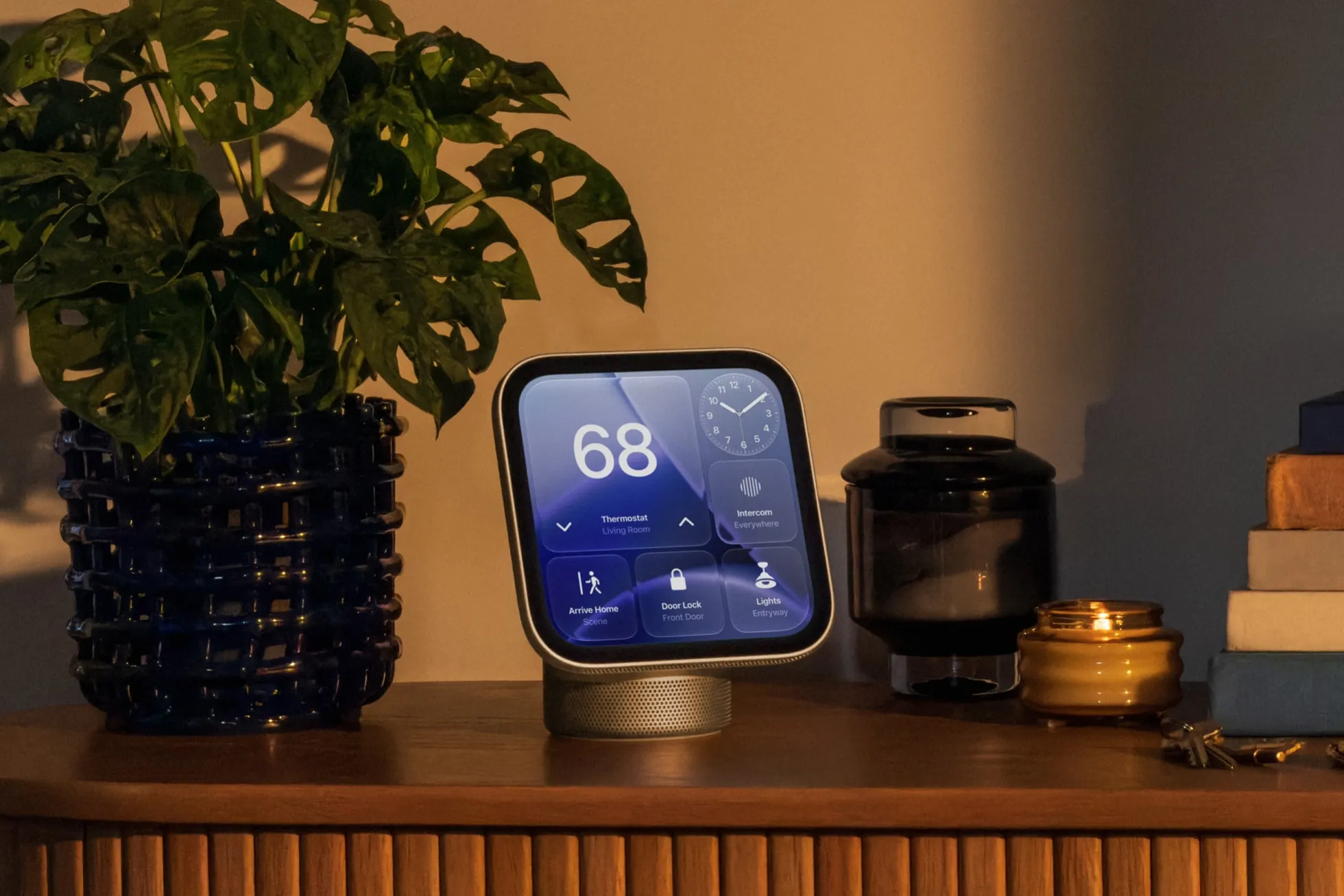
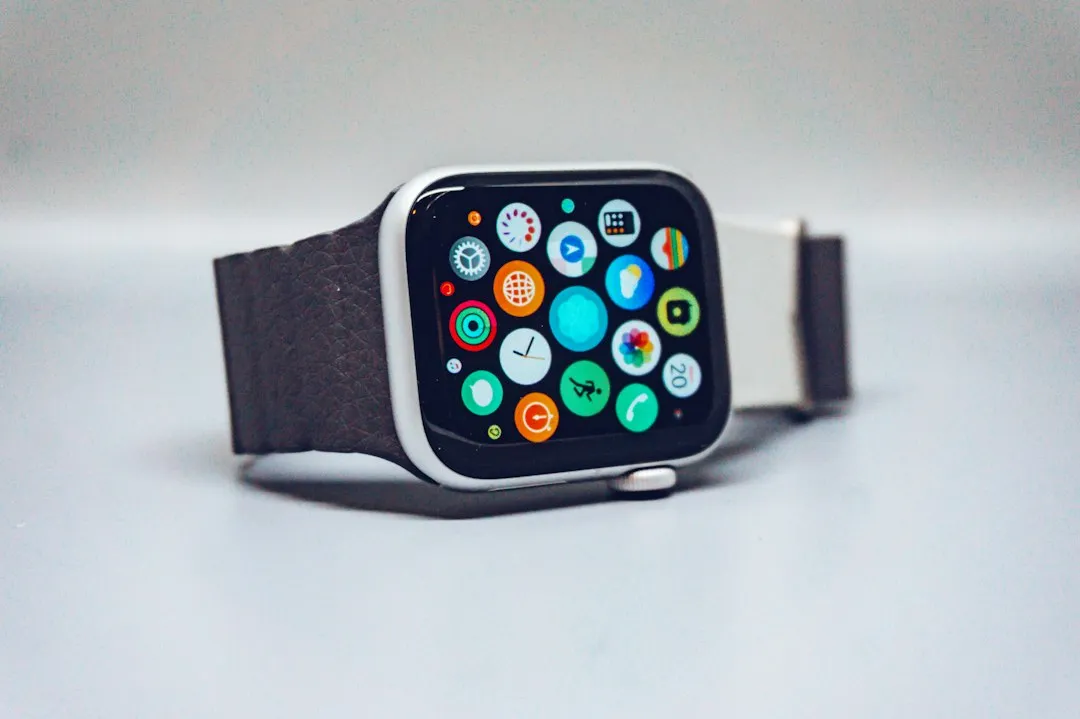
The new platform will blend design elements from Apple Watch and iPhone's StandBy mode, creating an interface that feels both familiar and purposeful. Think of it as taking the best parts of StandBy mode—clean, glanceable information that adapts to how you're using it—and expanding that into a full smart home control interface with the widget-based approach that made Apple Watch so intuitive.
The proximity detection feature is where things get genuinely clever. Built-in sensors will detect when someone approaches, automatically adjusting displayed features based on whether someone is nearby. Walk into your kitchen in the morning, and instead of showing a static clock, it might display your calendar for the day, current weather, or even start your usual morning routine automatically. Step away, and it returns to a more ambient display mode.
Don't expect an App Store free-for-all, though. The platform will support essential Apple apps including FaceTime, Notes, Calendar, and Home controls, though there won't be a traditional App Store with third-party applications. This approach ensures a focused, reliable experience specifically designed for smart home scenarios rather than trying to be everything to everyone.
Smart home ecosystem integration beyond the basics
Here's where the HomePad story gets really compelling—it's not launching in isolation. Apple is building this as the centerpiece of a much broader smart home hardware strategy that goes well beyond just another screen on your counter.
The device will work alongside Apple's planned security camera and video doorbell products, creating the kind of integrated ecosystem Apple is known for. The security camera featuring facial recognition and infrared sensors for sophisticated automation scenarios suggests Apple isn't just playing catch-up with existing smart home products—they're trying to leapfrog them entirely.
Think about what this integration could mean in practice. Your HomePad doesn't just show you that someone's at the door; it recognizes who it is, maybe starts playing your spouse's favorite playlist when they arrive home, or automatically disarms your security system for family members while keeping it active for delivery drivers. This kind of context-aware automation goes way beyond the simple motion-triggered routines most smart home systems offer today.
The foldable design also opens up entirely new use cases. When folded, it could serve as a bedside display for nighttime controls. Unfolded, it becomes a full smart home dashboard or video calling station. Apple's focus on creating different mounting options and bases means this isn't just a tabletop device—it's designed to integrate seamlessly into different spaces throughout your home.
What spring 2026 means for Apple's smart home future
The spring 2026 timeline isn't just about one product launch—it represents Apple's coordinated push to finally compete seriously in the smart home space. For years, the company seemed content to let HomeKit exist as a secondary consideration, something that worked well enough if you were already all-in on Apple products but never quite felt like a priority.
That's clearly changing. The timing coincides with Apple's broader smart home expansion, including updates to HomePod mini and Apple TV with chip upgrades and Apple Intelligence support. This coordinated approach suggests we're not getting isolated product launches but a comprehensive ecosystem refresh designed to challenge Amazon and Google directly.
The integration of advanced Siri capabilities, reportedly powered in part by a custom Google Gemini model Apple has contracted/partnered to use, shows Apple's willingness to swallow its pride and partner where it makes sense. That's honestly refreshing—getting the best possible experience for users rather than insisting everything be built in-house.
But perhaps most importantly, Apple's patient approach to foldable technology means they're entering this space with a genuinely differentiated product. While competitors have rushed foldable phones to market with various compromises, Apple didn't rush to market like many competitors did. Instead, they've been quietly solving the problems that have plagued other foldable phones, and the results show their patient approach.
For those of us who've been waiting for Apple to take smart homes seriously, spring 2026 could mark a genuine turning point. HomeKit has always had the technical foundation and privacy advantages, but it's lacked that physical presence in your home—that dedicated interface that makes controlling everything feel natural and immediate. The HomePad promises to be that missing piece, arriving at a time when Apple's AI capabilities will finally be mature enough to make the whole experience feel truly intelligent rather than just connected.



Comments
Be the first, drop a comment!