




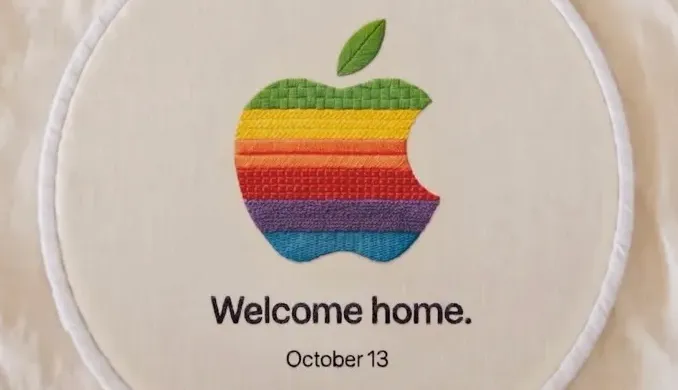
Apple is preparing to make its next move in the smart home market. The company has confirmed a "Welcome home" event for October 13, 2026, in New York, where it is widely expected to introduce its first dedicated smart home display, reportedly called HomeView.
The rumored device could give Apple households something they have never had: a shared touchscreen for controlling connected accessories, checking security cameras, and accessing personal information through Siri AI. A refreshed HomePod mini, an updated Apple TV 4K, and new smart home accessories are also expected, although Apple has yet to confirm any of those products.
Apple senior vice president Greg Joswiak teased the October 13 event on October 8, while invitations went out for a private gathering beginning at 9 a.m. ET. The invitation established the event's date and smart home theme, but the anticipated hardware lineup remains based on leaks and industry reporting.
Unlike the rumored devices, Apple's next-generation Siri is already here. On September 14, the company began rolling out Siri AI in English-language beta, introducing more conversational responses, personal-context awareness, and expanded app controls. The question now is how much of that intelligence Apple can bring to a device designed for an entire household rather than one person.
What Apple's rumored HomeView could actually do
HomeView appears to be more than a HomePod with a screen attached. According to pre-event reporting from The Verge, drawing partly on Bloomberg's Mark Gurman, the device could serve as a central dashboard for smart home controls, security cameras, calendars, music, photos, and FaceTime calls.
The reported design features a roughly 6-inch square touchscreen, although voice commands could take priority over tapping through menus. Siri AI is expected to handle requests and everyday interactions, potentially allowing people to control connected devices or retrieve information without navigating the Home app on an iPhone.
HomeView may also recognize individual household members through facial or voice identification. That could allow the screen to display different calendars, reminders, and other personalized information depending on who is nearby. Apple has not confirmed how such recognition would work or what authentication measures would protect private information.
Software could be another major distinction. Reports suggest that HomeView will run a dedicated operating system, possibly called homeOS, with familiar Apple apps, widgets, and clock faces. Calendar, Music, Podcasts, News, Reminders, Notes, and a new Siri conversation-history interface are among the rumored features.
However, the device reportedly will not include a conventional App Store for third-party downloads. If accurate, that would make HomeView considerably less flexible than an iPad, but potentially simpler for shared household use.
Gurman's reporting also describes two hardware configurations: a countertop version with a metal speaker base and a wall-mounted model. Both are rumored to use an A18 chip, while an adaptive interface could change the amount of information displayed as someone approaches or moves away. Gray, silver, and additional finishes have also been mentioned, although no specifications or colors are official.
The practical appeal is easy to see. Instead of opening the Home app whenever someone wants to adjust the lights, check the front door, or review a family calendar, those controls could remain accessible on a screen in the kitchen or living room.
That convenience would depend heavily on how smoothly HomeView recognizes different users and handles requests. A device that works well for one person but struggles with shared accounts or household routines would be harder to justify.
When HomeView, HomePod mini and Apple TV could arrive
The October 13 event may mark the beginning of Apple's smart home rollout rather than the day everything becomes available.
According to MacRumors' October 12 preview, the refreshed HomePod mini and Apple TV 4K could arrive October 30, while HomeView may not ship until mid-November. Those dates remain unconfirmed.
The next HomePod mini is rumored to feature Apple's S10 chip, replacing the S5 processor used in the original model released in 2020. New color options, including pink and green, are also expected. What remains unclear is whether the hardware changes will noticeably improve audio performance or everyday Siri interactions.
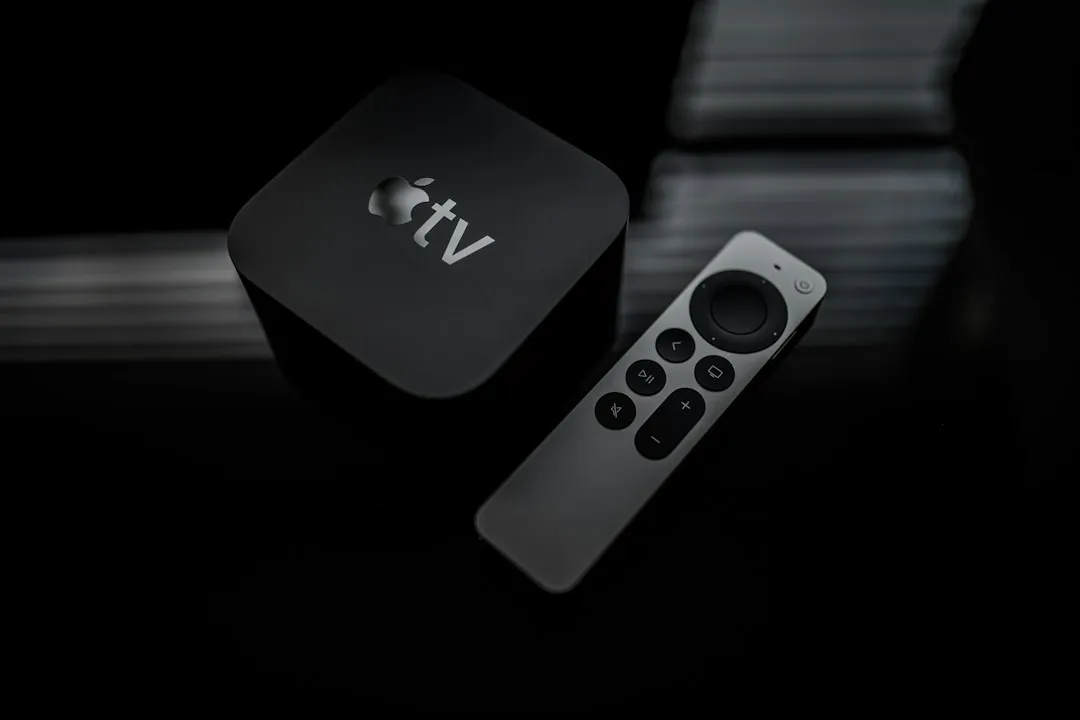
The updated Apple TV 4K could bring an A19 chip, improved connectivity, and deeper Siri AI integration. Reports also suggest a redesigned Siri Remote with a built-in speaker to help locate it, alongside the possibility of microphones integrated into the streaming box itself.
Apple is additionally rumored to be preparing a Home Collection of accessories developed with partners including LG and Schneider Electric. Leaked products include security cameras, video doorbells, smart locks, thermostats, and sensors, with some potentially reaching buyers later in 2026.
Together, these devices could expand Apple's role beyond software that connects existing smart home products. HomeView would provide the shared interface, while refreshed speakers, streaming hardware, and compatible accessories could make the experience more cohesive.
Still, an integrated ecosystem is only useful if the devices work reliably together. Support for existing accessories, setup requirements, and the availability of promised features will be important once Apple reveals the final lineup.
Should you wait before buying Apple home hardware?
If your current HomePod mini or Apple TV still works well, waiting for Apple's October 13 announcements could help you avoid buying older hardware immediately before a refresh. The rumored processor upgrades sound promising, but their practical benefits remain unproven.
HomeView presents a different decision. Households that already use Apple Home to control lighting, locks, thermostats, and security cameras may appreciate having those controls available without opening an app. Families sharing calendars and reminders could also benefit from a display that remains accessible throughout the day.
But anyone considering HomeView as a replacement for a kitchen iPad should be cautious. The rumored absence of third-party app downloads could limit its usefulness for web browsing, entertainment, and other tasks outside Apple's selected home-focused features.
Price will matter, too. An October 12 analysis from The Verge discussed a rumored $350 price for HomeView. Apple has not confirmed that figure or indicated whether the countertop and wall-mounted versions would cost the same.
At that level, the device would need to offer meaningful advantages over the iPhone, iPad, and HomePod controls many Apple households already own.
Five HomeView questions Apple hasn't answered
Several details remain unresolved ahead of the event, particularly those that could affect whether HomeView is worth buying.
Pricing: A $350 figure has been reported, but official pricing for HomeView and its different configurations remains unknown. Apple has also not confirmed prices for the anticipated HomePod mini and Apple TV refreshes.
Installation: Reports describe a wall-mounted version, but it is unclear whether installation would require hardwiring, a specialized power connection, or additional mounting hardware.
Privacy controls: HomeView could combine microphones, a camera, and personalized household information. Apple has not detailed its physical privacy controls or how the device would prevent one person from accessing another's private data.
HomeKit and Matter compatibility: The hub is expected to support Apple Home accessories, but its exact compatibility with existing HomeKit and Matter devices, including any additional hardware requirements, has not been established.
Siri AI availability: Apple's September rollout already has language, device, and regional restrictions, including initial limitations in the European Union and China. Whether HomeView will face similar restrictions or require another compatible Apple device remains unknown.
These questions are especially important for a product intended to stay in a shared space. A smart home display needs to be convenient without exposing private information or forcing owners to replace accessories that already work.
What to check before buying HomeView
Apple has invited journalists and creators to a private "Welcome home" gathering in New York, but it has not announced a conventional public livestream. Reports suggest the company may introduce its new products through Apple Newsroom announcements timed to the event.
Before making a purchase, check which HomeKit and Matter accessories you already own and consider which daily tasks would genuinely benefit from a shared display. If your iPhone or HomePod handles those tasks comfortably, a dedicated hub may be a convenience rather than a necessity.
Apple's October 13 announcements should settle the biggest questions about HomeView's design, pricing, compatibility, and privacy safeguards. The prospect of a screen that brings a connected household together is appealing, but its value will depend less on the rumored specifications than on how naturally it fits into the home people already have.





Comments
Be the first, drop a comment!