



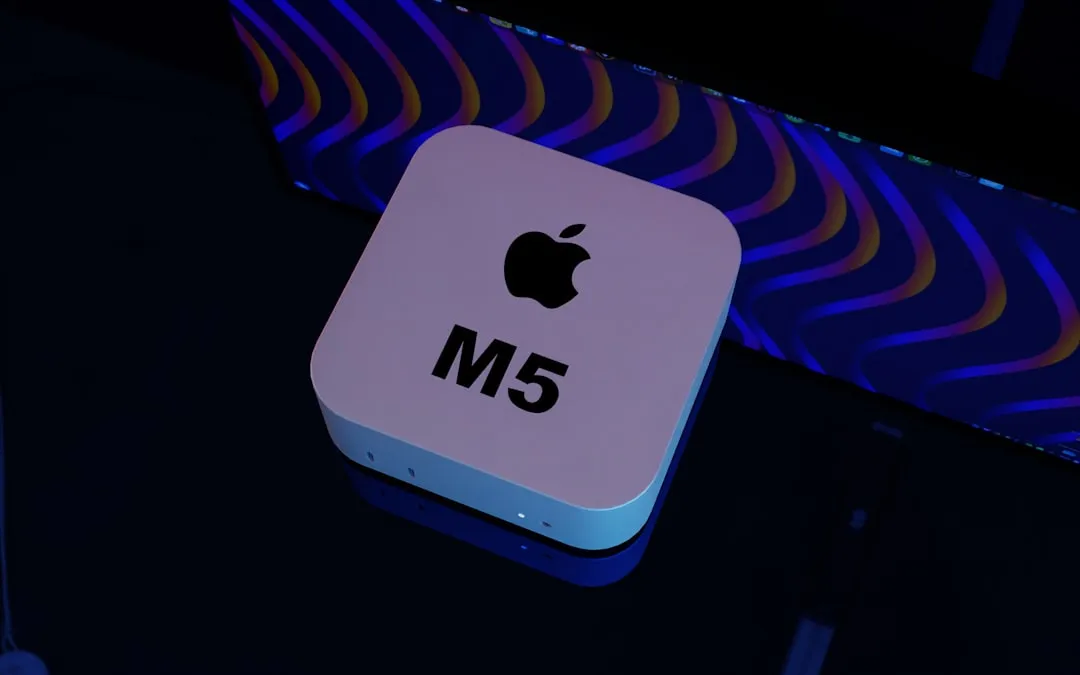
Apple M5 Max: The Ultimate Guide to Apple's Next-Gen Powerhouse
Hey tech enthusiasts! Let's talk about something that's been generating serious buzz in the processor world. While we're all still getting comfortable with the impressive M4 lineup, the tech community is already looking ahead to what Apple has cooking next. Today, we're diving deep into what we know and what we can reasonably expect from Apple's next iteration of silicon excellence.
What We Know About Apple's Silicon Roadmap
Here's the thing about Apple's chip development – it follows a pretty predictable pattern. Every year, we see incremental improvements that compound into something genuinely impressive. The M1 shocked everyone, the M2 refined the formula, the M3 brought architectural improvements, and the M4 pushed performance boundaries even further.
Bottom line: Apple's silicon team isn't slowing down, and the next generation is already in development.
Breaking Down Apple's Chip Evolution Pattern
Let's break it down chronologically to understand where Apple is headed:
The Foundation (M1 Era)
The original M1 changed everything. Apple proved they could ditch Intel and create something better. We saw:
8-core CPU design
Unified memory architecture
Industry-leading performance per watt
Native macOS optimization
The Refinement (M2-M4 Generations)
Each generation brought meaningful improvements:
Enhanced CPU cores with better IPC
More powerful GPU configurations
Increased memory bandwidth
Better thermal management
PRO TIP: This predictable improvement cycle tells us a lot about what to expect next.
Performance Expectations: What Logic Tells Us
Based on Apple's consistent year-over-year improvements, here's what we can reasonably anticipate:
CPU Performance Trajectory
Apple typically delivers 10-20% performance improvements per generation. If this trend continues:
Single-core performance should see meaningful gains
Multi-core workloads will benefit from architectural refinements
Power efficiency will likely improve further
GPU Capabilities Evolution
Apple's GPU development has been particularly aggressive:
Ray tracing performance improvements
Better support for professional workflows
Enhanced machine learning acceleration
Memory and Bandwidth Improvements
Each generation brings memory subsystem enhancements:
Higher maximum memory configurations
Improved memory bandwidth
Better memory efficiency
Real-World Impact: Who Benefits Most?
Creative Professionals: Video editors, 3D artists, and content creators consistently see the biggest gains from Apple's silicon improvements.
Developers: Compile times, virtualization performance, and development environment responsiveness continue improving.
Power Users: Anyone running demanding workflows benefits from the generational improvements Apple consistently delivers.
The Upgrade Question: Timing Your Purchase
Here's what you need to know about upgrade timing:
Current M4 Max Owners
If you're rocking an M4 Max, you're already at the cutting edge. The next generation will bring improvements, but whether they justify an upgrade depends entirely on your specific workflow demands.
M3 and Earlier Users
This is where things get interesting. Users on M3 or earlier silicon will likely see more substantial real-world benefits from Apple's next-generation offerings.
Imagine this scenario: You're editing 8K video on an M2 Max and feeling the performance constraints. The accumulated improvements from M2 to the next generation could transform your workflow.
Market Context: Apple's Competitive Position
Apple's silicon team has been competitive or leading in key metrics like performance per watt in key metrics that matter to Mac users:
Performance per watt leadership
Unified memory architecture benefits
Native macOS optimization advantages
Professional application performance
Making the Smart Buying Decision
Here's what you need to know: Apple's chip releases follow a has generally followed an annual or near-annual cadence. If you need performance now, the current generation delivers exceptional capability. If you can wait, there's always something better on the horizon.
Key Considerations:
Workflow demands: Does current silicon meet your needs?
Budget timing: Can you optimize your upgrade investment?
Feature requirements: Are there specific capabilities you're waiting for?
PRO TIP: The best Apple silicon is the one you're actually using to get work done. Don't get caught in the perpetual waiting game.
Industry Implications: What This Means for Computing
Apple's silicon development continues pushing the entire industry forward:
ARM architecture adoption in professional computing
Unified memory architecture influence on competitor designs
Performance per watt becoming a key competitive metric
The Bottom Line
While we don't have official specifications yet, Apple's track record gives us confidence in continued innovation. The company's silicon team has consistently delivered meaningful improvements that translate to real-world benefits for users.
The key takeaway is that Apple's next-generation silicon will likely continue the company's tradition of pushing performance boundaries while maintaining the power efficiency that makes their laptops and desktops so compelling.
Whether you upgrade immediately or wait depends on your specific needs, but rest assured – Apple's silicon roadmap continues pointing toward more powerful, efficient, and capable processors that make demanding workflows increasingly accessible to more users.
Don't Miss: Keep an eye on Apple's official announcements for confirmed specifications, availability, and pricing. The rumor mill is fun, but official details are what matter for making informed purchasing decisions.
As we've seen from Apple's consistent silicon improvements over the past few years, each generation brings meaningful advances that compound into substantial long-term benefits. The next chapter in Apple's silicon story promises to continue this trend of innovation and performance leadership.












Comments
Be the first, drop a comment!