





iPad mini OLED vs iPad Air M4: Which Should You Buy?
Apple's new iPad mini finally has an OLED screen, and that upgrade now costs more than an 11-inch iPad Air M4. The redesigned mini starts at $699, putting it $100 above the entry-level 11-inch Air ($599) and $100 below the 13-inch Air ($799), according to MacRumors and Apple Newsroom. For anyone weighing iPad mini OLED vs. iPad Air M4 as their next tablet, that price overlap changes the math.
Apple announced the new mini last week with an 8.5-inch OLED display, an A20 Pro chip, and IP67 water and dust resistance, its first iPad with an IP67 rating (MacRumors). Preorders opened two days later, on Oct. 28, and Apple says the mini will begin arriving and appear in stores on November 6, according to MacRumors.
It's also the mini's second price increase this year. The line launched at $499 in 2024, rose to $599 in June, and now opens at $699 (MacRumors, last week). This article covers what's confirmed about the mini's OLED upgrade and new specs, and what that means now that it's priced near the Air, using the confirmed pricing and screen-size facts available for both lines.
The OLED iPad mini screen: what Apple confirms, and what's still unverified
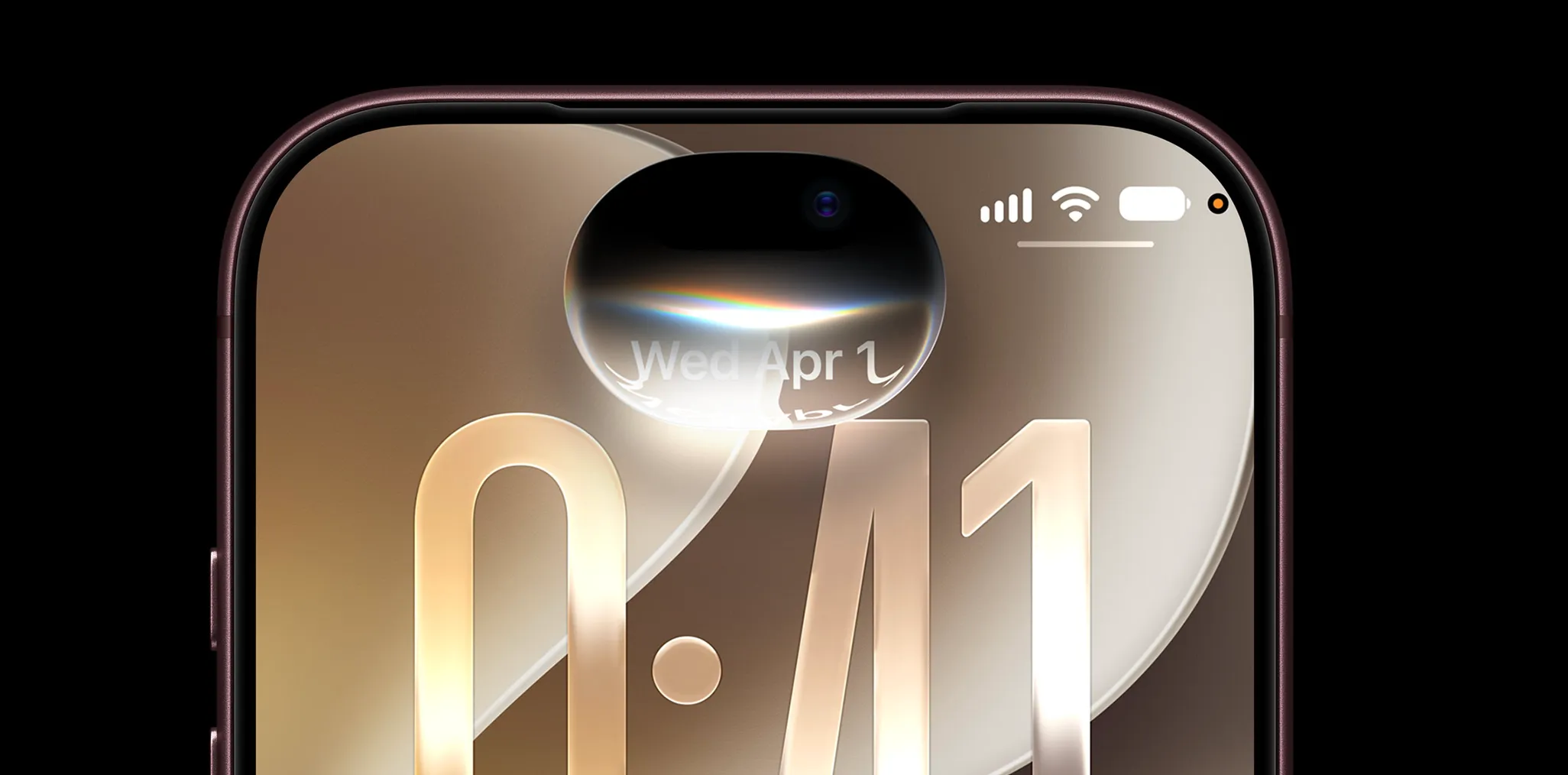
Apple says, as reported by MacRumors, the new OLED panel reaches up to 600 nits of brightness for standard content, up from 500 nits on the previous mini, with 1,200 nits available only for HDR content (MacRumors, last week). Apple separately claims the OLED switch delivers higher contrast and more than twice the previous mini's peak brightness, a broader claim about contrast and HDR handling distinct from the standard-content nit figures above (MacRumors, last week).
The panel also grew, from 8.3 to 8.5 inches, by trimming the bezels rather than enlarging the tablet itself (MacRumors, last week). Buyers who want to cut glare can add the same nano-texture coating option Apple offers on the iPad Pro, but only on the 256GB and 512GB mini configurations, for a $100 upgrade (MacRumors, last week).
PCMag's early hands-on treats the screen as the device's whole pitch: "For that, all you need to look at is the display," the outlet wrote in a piece titled "I Tried the $699 OLED iPad mini. I'm Still Not Sure Who It's For" (last week). That's a pre-launch impression, not a lab-measured verdict on brightness or outdoor glare.
None of the research behind this article includes Apple's published display specifications for the Air, so a direct nit-for-nit comparison between the two panels isn't possible here. What's confirmed is the mini's own brightness and contrast claims above; whether those numbers hold up outdoors or over extended use is still untested ahead of Friday's launch.
iPad mini vs. iPad Air workspace: what the smaller screen changes
Apple markets the 11-inch Air as the portable option and the 13-inch Air as the pick for buyers who want "more space to multitask," and both screen sizes are larger than the mini's 8.5-inch panel (Apple Newsroom).
The new mini does gain an extended-display mode in iPadOS 27.2, letting it output to an external monitor for more working room (MacRumors, last week). That mode relies on connecting to separate hardware, so it doesn't add room to the tablet's own screen.
Based on the screen sizes Apple has published, buyers who regularly split-view multiple apps or work across spreadsheet columns would have more room on either Air size than on the mini's panel. That's an inference from the stated dimensions, not a separately tested comparison, and it holds regardless of which display technology sits underneath.
What matching configurations actually cost
The mini starts at $699 for Wi-Fi and $849 for Wi-Fi plus cellular, while the Air starts at $599 for the 11-inch model and $799 for the 13-inch (MacRumors, last week; Apple Newsroom).
Storage tier changes more than capacity on the new mini. The 128GB and 256GB models get a 5-core CPU and a single 16-core Neural Engine, while only the 512GB model steps up to a 6-core CPU and a dual 16-core Neural Engine (MacRumors, last week). Shoppers comparing specs need to check the storage tier, not just the "A20 Pro" label on the box.
Apple says that chip delivers up to 60% faster CPU performance and up to 4.5 times faster AI performance than the previous mini's A17 Pro (MacRumors, last week). That comparison is against the previous mini's A17 Pro, not the Air's M4, so it doesn't establish how the two chips stack up against each other. Wirecutter recommends the 11-inch M4 Air, noting that its processor outruns the entry-level iPad's and that it handles multitasking better, in a review updated last week (Wirecutter).
Durability and portability: what's new on the mini
The redesigned mini is 5.4mm thick and weighs 0.56 pound in its Wi-Fi configuration, about 15% thinner and lighter than the model it replaces (MacRumors, last week). That's a generational improvement; Apple hasn't published a direct comparison against the Air's dimensions.
It's also the first iPad with an IP67 water and dust resistance rating, made possible by a new Acoustic Display system that moves the speakers behind the screen and removes the need for speaker holes (MacRumors, last week). PCMag's hands-on described the mini as "an unlikely candidate to be the first Apple tablet to resist water and dust" (PCMag, last week).
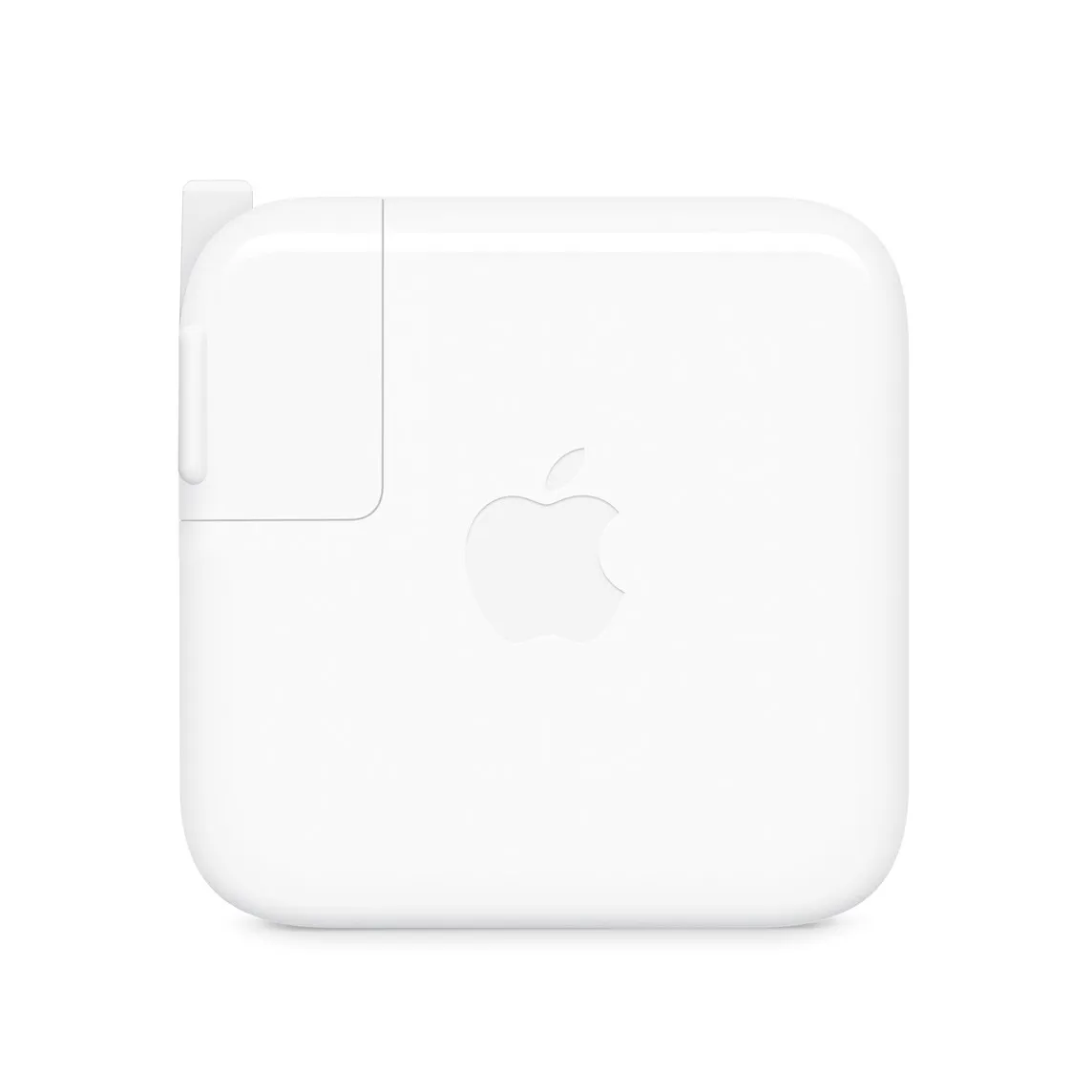
Smaller upgrades round out the list: a landscape-oriented Center Stage front camera for video calls, Wi-Fi 7 support, and a charging boost that gets the mini to 50% battery in 30 minutes with a 35W-or-higher adapter (MacRumors, last week). These upgrades matter most to buyers who prioritize portability and durability for travel, rather than those who need a larger working screen.
Should you buy the iPad mini OLED or the iPad Air M4?
The mini's OLED panel, IP67 rating, and thinner body are confirmed upgrades over the model it replaces, though none of the confirmed reporting measures its display against the Air's LCD panel directly.
Buyers prioritizing workspace have a clearer case for the Air, based on its lower starting price and larger screen sizes. Wirecutter separately recommends the 11-inch M4 Air, citing a faster processor and better multitasking than Apple's entry-level iPad, in a review updated last week (Wirecutter). Buyers prioritizing OLED contrast, a smaller form factor, or IP67 durability should know the mini is the model Apple has announced with those features, at a higher price than any previous mini generation.
Independent testing hasn't caught up to the announcement yet. PCMag's early hands-on focused on the display and the new water resistance, and the supplied reporting does not include independent lab measurements of brightness or battery life. Anyone still deciding between the two should wait for those reviews after Friday's launch before spending $699 or more.


Comments
Be the first, drop a comment!