





Reviewed by: Y. Garcia
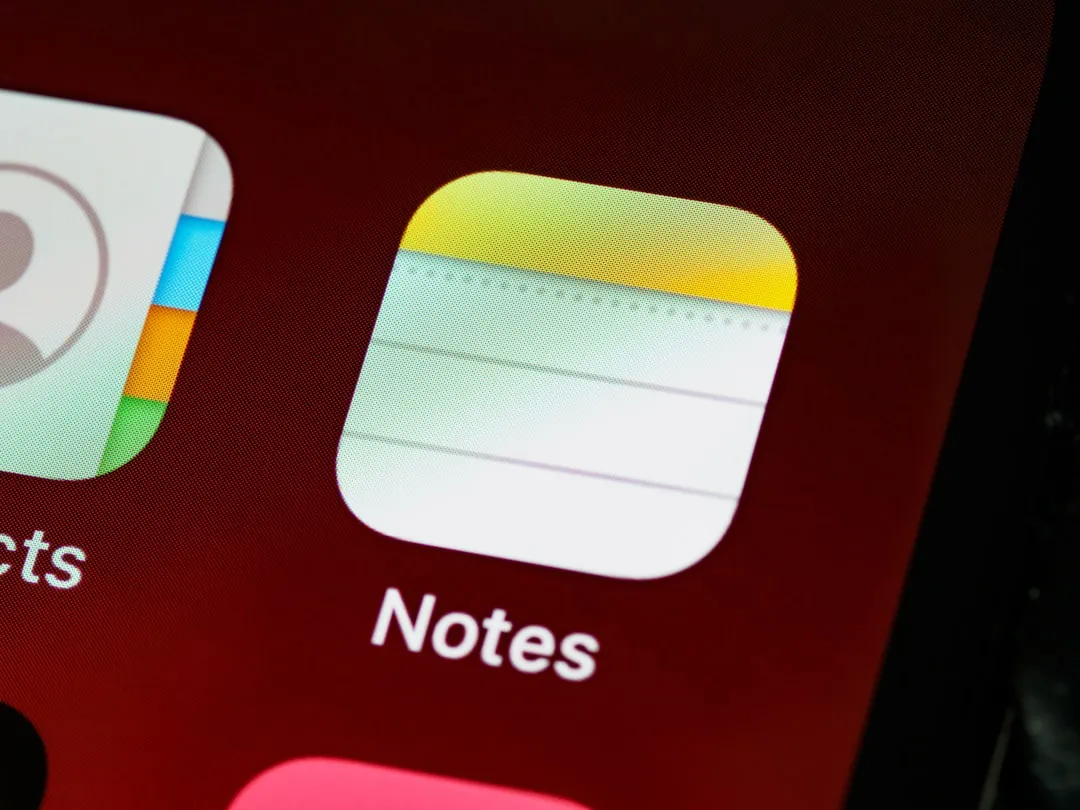
Apple Notes has always been that reliable app you reach for when you need to jot something down quickly — nothing fancy, just functional. But with iOS 26.4 on the horizon, reports suggest Apple is preparing to transform this humble note-taking tool into something much more powerful. Think smart suggestions, contextual awareness, and an AI-powered organization that actually understands what you're working on.
The upcoming update represents Apple's response to years of criticism about falling behind in AI capabilities, according to Apple Gadget Hacks. Apple Intelligence has been steadily building infrastructure across iOS updates, and iOS 26.4 establishes critical groundwork for the major AI features coming in iOS 27. But here's what makes this particularly exciting: we're finally going to see how that infrastructure translates into practical, everyday improvements for your note-taking workflow.
What's driving this transformation?
The shift isn't happening in isolation — it's part of Apple's broader AI strategy that touches nearly every aspect of how your iPhone operates. Apple Intelligence operates as an integrated system rather than a single feature, combining on-device processing with Private Cloud Compute for secure, privacy-focused artificial intelligence.
Here's what makes this particularly interesting for Notes users: the system operates on three distinct levels that work together seamlessly. You've got on-device processing for the most sensitive tasks like analyzing your personal notes and suggesting improvements. Private Cloud Compute handles more complex operations that still need bulletproof security — think advanced language processing that can understand context across multiple notes. And third-party integration brings specialized capabilities, like partnerships with Google Gemini and OpenAI, while keeping your data under Apple's privacy umbrella.
The timing is deliberate — Apple follows a calculated timeline where each release builds infrastructure for subsequent features, setting the stage for iOS 27's major AI capabilities. For Notes specifically, this means iOS 26.4 is laying the neural network foundations that will soon enable features like automatic note organization, intelligent content suggestions, and seamless integration with your broader workflow across all your Apple devices.
The Siri 2.0 connection that changes everything
Here's where things get genuinely exciting for Notes users. Apple is planning to launch an enhanced Siri 2.0 that leverages Google's Gemini model, scheduled for spring release as part of iOS 26.4. This isn't just another incremental Siri update — it's a complete overhaul that represents Apple's answer to years of criticism about falling behind in AI capabilities.
The new Siri will feature on-screen content awareness and better personal context understanding, according to the roadmap. Imagine dictating meeting notes while Siri automatically recognizes action items and organizes them by person and deadline. Or starting a research note and having Siri suggest related information from your previous notes, emails, and Safari bookmarks — all without your personal data leaving your device.
The enhanced assistant will incorporate Google's Gemini model under Apple's privacy infrastructure to maintain on-device processing while boosting capabilities. It's a fascinating balance — Apple gets access to some of the most advanced language processing available, while your grocery lists and meeting notes never float around Google's servers. For Notes specifically, this means your note-taking app will soon understand context across your entire device ecosystem in ways it never could before, turning simple text documents into intelligent, interconnected knowledge bases.
Building blocks already in place
iOS 26 has already laid substantial groundwork that makes iOS 26.4's AI enhancements possible. The app received a comprehensive design overhaul with the new "Liquid Glass" look, featuring colored sections and translucent buttons that put more focus on content. The new design isn't just eye candy — it's architected to make interface elements almost entirely translucent so your actual notes take center stage, preparing the visual framework for AI suggestions and contextual tools that won't clutter your workspace.
Apple completely revamped the toolbar system, expanding from 6 to 18 total buttons with adaptive functionality that shows relevant tools based on your current task. If you're editing standard text, you'll see options like bold, italics, underline, and highlight. Select multiple lines of text, and the toolbar automatically switches to show options like indent, outdent, and lists. This contextual awareness in the toolbar is exactly the kind of foundation that will enable AI-powered suggestions — the app is already learning to understand what you're doing and surface relevant options accordingly.
The update also introduced Markdown export support, allowing users to save notes as .md files that work with third-party applications. The implementation is practical rather than comprehensive — you won't see styling take effect inside the app, but you can write entirely in Markdown and export it seamlessly. It's the kind of feature that bridges Apple's ecosystem with the broader productivity landscape where AI-enhanced Notes will need to integrate with developer tools, content management systems, and publishing platforms.
Privacy remains the cornerstone
Apple's competitive advantage in AI lies in its privacy architecture, where most intelligence features never transmit data beyond your iPhone, without collecting individual user content for model training, and with optional, privacy-preserving analytics (if enabled) used to improve features. For Notes users handling sensitive information — whether that's personal journal entries, business strategies, or medical information — this privacy-first approach is fundamental to trust.
The company's Private Cloud Compute processes sensitive data on secure servers with hardware-verified security, retaining zero user data after processing and ensuring no human access. When your enhanced Notes app needs to analyze complex patterns across hundreds of notes or generate sophisticated summaries, it can tap into Apple's cloud infrastructure without creating a permanent record of your personal information. The servers literally forget your data the moment processing is complete.
Even with partnerships involving Google Gemini and OpenAI for specialized capabilities, Apple maintains explicit user consent and clear indication when queries leave their ecosystem. Picture this in practice: when you ask AI-enhanced Siri to help research a topic across your notes, you'll see exactly which AI provider is handling that request, and you can choose between providers or keep everything on-device. It's transparency at a level that's frankly unprecedented in consumer AI.
The privacy-first approach creates some interesting implications for Notes specifically. Rather than mining your personal information to improve AI models, Apple Intelligence learns patterns and provides suggestions while keeping your actual content completely private. This means AI features that help organize your thoughts and improve your writing without turning your personal notes into training data for machine learning algorithms.
What this means for your daily workflow
The success of Siri 2.0 will determine whether Apple's entire 2026 ecosystem strategy can deliver on their AI-driven promises, according to industry analysis. iOS 27 represents Apple's most ambitious update since the introduction of the App Store, with every major system app gaining intelligence capabilities. We're not just talking about Notes here — this is a systematic transformation of how you capture, organize, and work with information across your entire digital life.
For Notes users specifically, imagine starting your day by dictating meeting preparation thoughts while your commute, and having the app automatically organize those scattered ideas into structured agendas. Picture taking quick notes during a brainstorming session and having Notes suggest connections to previous projects, related research, and relevant contacts — all while keeping your information completely private. Think about rough draft ideas automatically transforming into polished documents with intelligent formatting and structure suggestions.
The foundation is already there with iOS 26's design overhaul, expanded toolbar, and Markdown support. iOS 26.4 will be the update that finally brings the intelligence layer on top of that solid infrastructure. Apple has been building toward this moment systematically, creating the privacy frameworks, on-device processing capabilities, and contextual awareness systems that make truly helpful AI possible without sacrificing user privacy.
Bottom line: we're looking at the potential transformation of Notes from a simple text editor into an AI-powered productivity hub that understands context, suggests improvements, and integrates seamlessly with your entire digital workflow. If Apple executes this vision well, Notes could become the kind of app that fundamentally changes how you capture and work with information on your devices — not because it's flashy, but because it genuinely makes you more productive while keeping your thoughts completely private.







Comments
Be the first, drop a comment!