



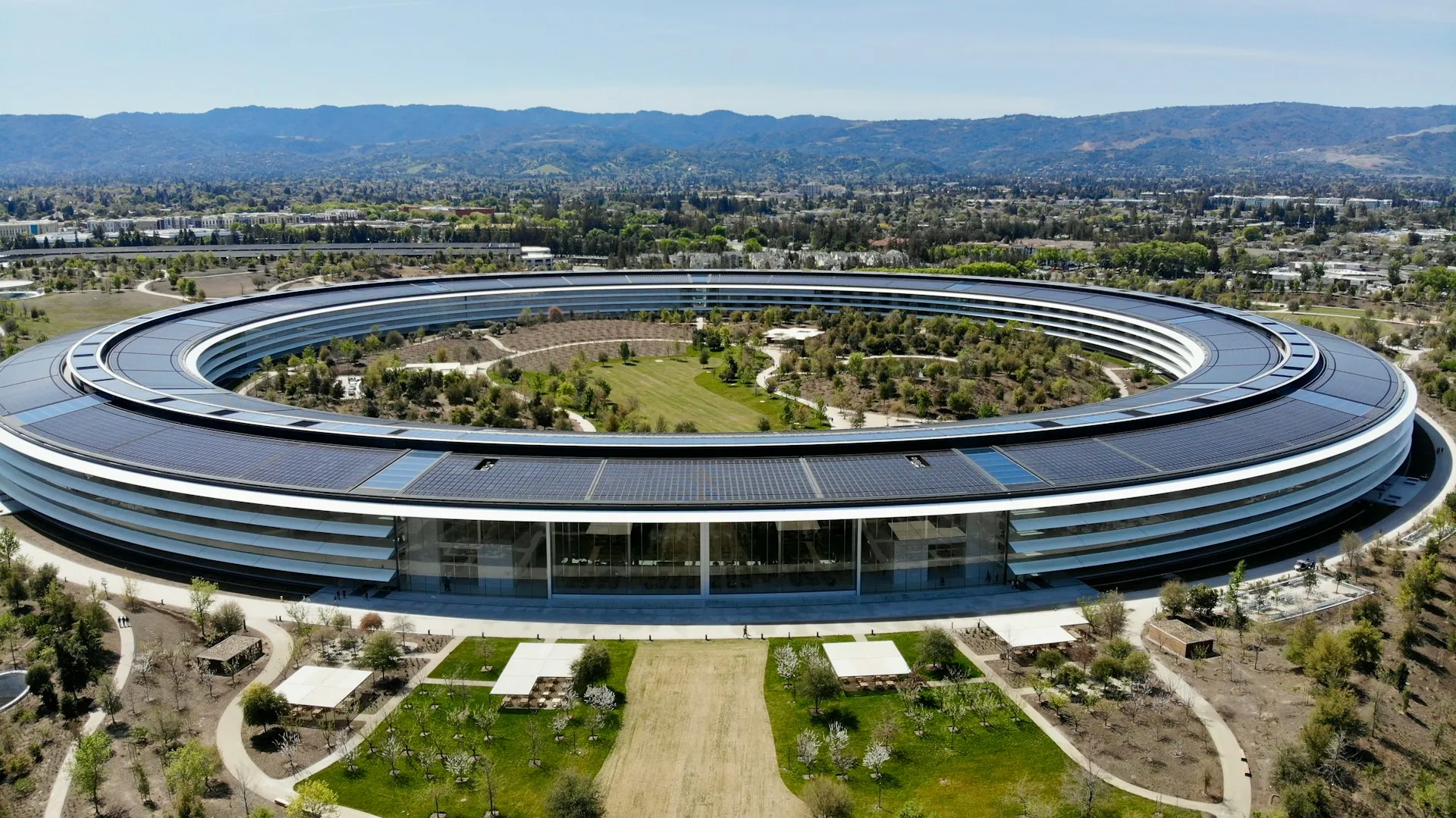
The tech world has its eyes fixed on 2026, and for good reason—Apple is preparing for what looks to be its most ambitious product year in over a decade. With the company's 50th anniversary on the horizon and mounting pressure to deliver on AI promises that have been building for years, Apple's extensive product roadmap suggests we're about to witness transformative changes across the entire Apple ecosystem.
Here's what makes 2026 particularly intriguing: Apple is expected to integrate Google's Gemini models into Siri under Apple Intelligence, according to industry analysis. At the same time, the company's leadership team is undergoing its most significant transformation since Steve Jobs' passing, with several senior executives departing amid AI setbacks and sky-high expectations for the year ahead.
This leadership exodus comes at a critical juncture when Apple needs to execute flawlessly on products that could define its next decade. Unlike previous product transitions that happened during stable leadership periods, 2026's ambitious roadmap must be delivered by a largely new executive team during Apple's most significant AI credibility gap.
The foldable iPhone finally arrives
After years of speculation and "will they or won't they" debates, Apple is expected to debut its first foldable iPhone in fall 2026. This represents more than Apple playing catch-up with Samsung and Google—it's a calculated late entry designed to solve problems their competitors haven't.
The device will feature a book-style design with a 7.8-inch inner display and 5.5-inch outer screen, making it competitive with Samsung's Galaxy Z Fold series, but Apple's reportedly targeting something their competitors haven't achieved: a crease-less screen design, according to Gizmodo. If successful, this would represent a genuine breakthrough that justifies Apple's traditionally patient approach to new categories.
The device is rumored to cost around $2,400 and include a substantial 5,400 mAh battery to power its dual displays—significantly larger than current iPhone batteries. Interestingly, the device is expected to utilize Touch ID instead of Face ID and feature a titanium frame construction, as reported by 9to5Mac. This biometric choice reveals Apple's broader strategy across its 2026 lineup, where different form factors demand different security approaches.
Bottom line: if Apple can deliver a truly crease-free foldable at launch, they might just redefine what we expect from this emerging category while demonstrating that their "late but better" strategy still works in competitive markets.
Smart home expansion with HomePad
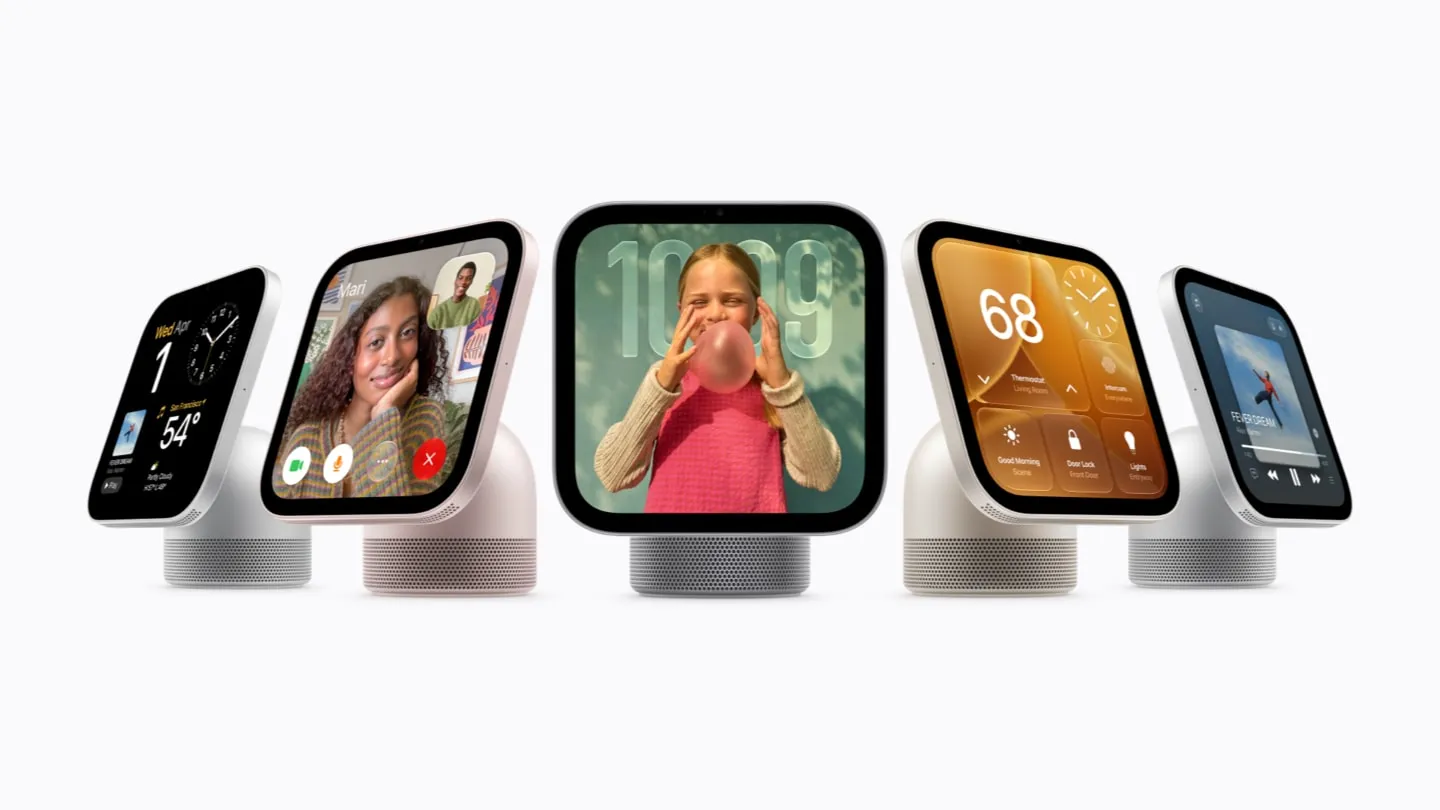
Apple's long-awaited entry into the smart home display market will finally materialize with the HomePad, launching in spring 2026. This represents Apple's answer to Amazon's Echo Show series, but with the kind of ecosystem integration that could finally make smart home control feel seamless rather than fragmented.
The HomePad will feature a 7-inch touchscreen with a square aspect ratio and run Apple's new homeOS software—a completely new operating system that builds on the Touch ID strategy from the foldable iPhone while extending it to stationary devices. Powered by an A18 chip, it'll include an ultrawide camera with 1080p resolution and Center Stage for video calls.
The Face ID support, enabling automatic user account switching, according to Gizmodo, showcases how Apple's biometric expertise adapts to different use cases. While the foldable iPhone uses Touch ID for practical reasons, the stationary HomePad leverages Face ID for the personalized experience that stationary smart displays enable—recognizing family members and switching to their preferences, calendars, and notifications automatically.
This smart home hub's spring 2026 timing strategically aligns with Siri 2.0's enhanced capabilities, creating a platform where improved AI can demonstrate real value in daily home management scenarios.
Siri 2.0 and AI transformation
Here's where everything converges into Apple's make-or-break moment. The complete overhaul of Siri, scheduled for spring release, represents Apple's answer to years of criticism about falling behind in AI capabilities.
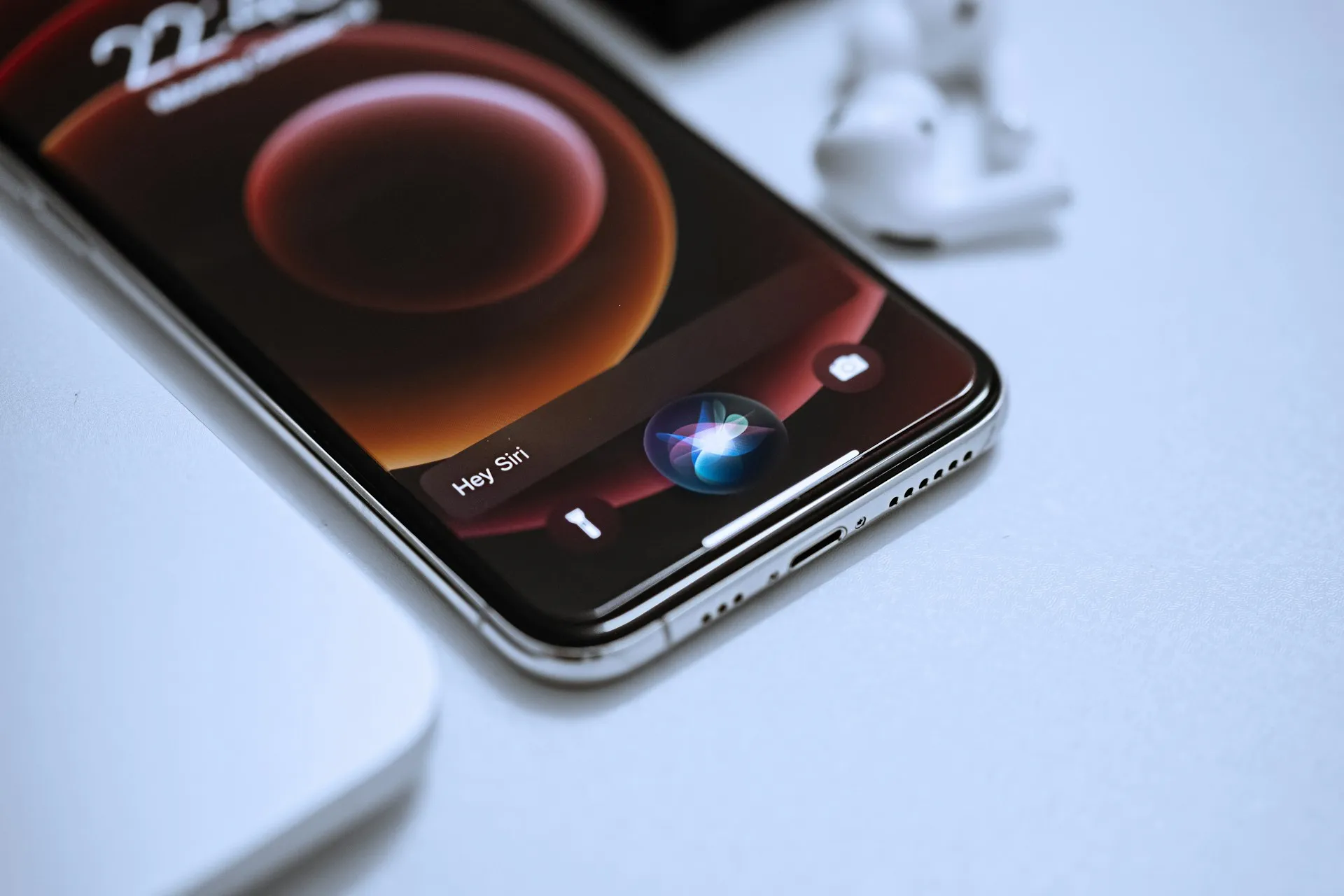
The new assistant will incorporate Google's Gemini model under Apple's privacy infrastructure to enhance capabilities while maintaining on-device processing. This partnership strategy acknowledges that even Apple needs external AI partnerships to compete, while its privacy-first approach differentiates it from cloud-dependent competitors.
Siri 2.0 will feature on-screen content awareness and better personal context understanding, allowing it to take actions within apps and understand user behavior patterns. This connects directly to the HomePad's capabilities—imagine asking Siri to "reschedule my 3 PM meeting" and having it work seamlessly across your iPhone, HomePad, and Mac, understanding context from whichever device you're using.
However, internal delays due to architectural overhauls and performance bottlenecks have created a credibility crisis that makes the spring 2026 deadline absolutely critical. The leadership changes occurring simultaneously with this AI overhaul add execution risk precisely when Apple can least afford it.
The stakes extend beyond just voice assistants—Siri 2.0's success will determine whether Apple's entire 2026 ecosystem strategy, from HomePad to Apple Glasses, can deliver on its AI-driven promises.
Mac lineup gets M5 power
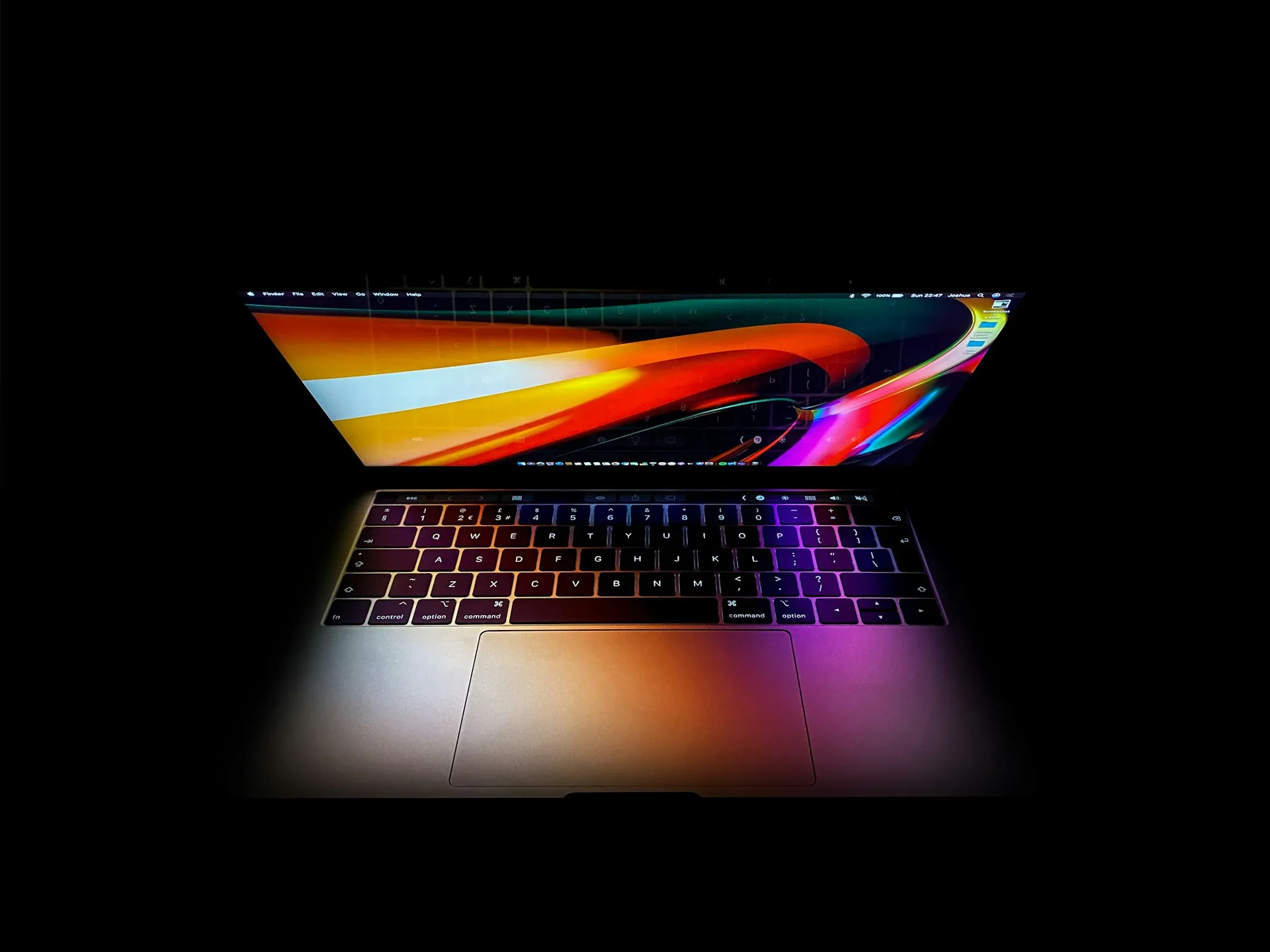
Apple's Mac family will receive significant updates with the introduction of M5 chips that directly enable the AI capabilities Siri 2.0 demands. The new processor delivers over 4x the peak GPU compute performance for AI compared to M4 and features a 10-core GPU with Neural Accelerator in each core—specifications that aren't just impressive numbers, but essential infrastructure for on-device AI processing.
Early 2026 will see M5-powered MacBook Air and MacBook Pro models, followed by updates to Mac mini and Mac Studio with M5 Max and M5 Ultra variants. These performance improvements specifically support the cross-device AI orchestration that makes Siri 2.0's contextual awareness possible across Apple's ecosystem.
Perhaps more strategically significant is Apple's rumored budget MacBook starting at $699 with an A18 Pro chip. This represents a fundamental shift in Apple's market approach—using proven iPhone silicon to expand Mac accessibility while the premium models showcase M5's AI capabilities. It's a two-pronged strategy that democratizes basic computing while reserving advanced AI features for higher-end devices.
This approach reflects lessons learned from Apple's iPhone strategy, where different chip tiers serve different market segments while maintaining ecosystem coherence. The A18 Pro's proven capabilities in iPhones suggest it can deliver solid performance for users who need macOS compatibility without requiring cutting-edge AI processing.
Apple Glasses preview expected
While not a full product launch, Apple's anticipated preview of AI-powered glasses by late 2026 represents a strategic pivot that connects to their broader AI transformation. Unlike the Vision Pro's AR focus, these glasses emphasize AI-driven features without display technology, featuring built-in speakers and cameras for visual intelligence capabilities.
The glasses will function as an iPhone accessory, similar to Apple Watch, offloading processing tasks to the paired device. This design philosophy builds on the enhanced Siri capabilities and HomePad integration—creating a wearable interface for the AI ecosystem rather than a standalone computing device.
Apple has paused work on AR/VR headsets to focus on these AI smart glasses, signaling recognition that practical AI assistance may be more valuable than immersive AR experiences in the near term. Rather than competing directly with Meta's display-heavy approach, Apple is betting on Siri 2.0's contextual intelligence delivered through discrete audio feedback.
The visual intelligence capabilities could demonstrate Siri 2.0's real-world utility—imagine walking up to a restaurant and having your glasses quietly provide reviews through the enhanced Siri, or looking at a document in a foreign language and getting instant translation. These scenarios require the AI infrastructure to be built into the M5 chips and refined through HomePad interactions.
What this means for Apple's future
The breadth of Apple's 2026 plans reflects both tremendous opportunity and unprecedented execution risk as the company navigates leadership transitions while competing in an AI-driven market that moves faster than traditional hardware cycles.
With record fiscal 2025 revenue of $416.2 billion, providing financial stability, Apple has the resources to invest heavily in new categories. However, the challenges are more complex than previous product transitions. Regulatory pressures, including potential $20 billion search deal risks and EU antitrust fines, threaten the high-margin services revenue that funds R&D for ambitious projects like foldable iPhones and AI glasses.
The competitive landscape has shifted fundamentally since Apple's last major category expansion. Meta dominates smart glasses with 73% market share and poses increasing competition across multiple fronts, while Google and OpenAI continue advancing in AI capabilities that consumers can access today.
Most critically, the leadership exodus occurring just as these products need final execution creates unique risks. Unlike the iPod, iPhone, or iPad launches that happened under stable leadership, 2026's success depends on new executives delivering on promises made by their predecessors during Apple's most significant AI capability gap.
The success of Siri 2.0 and the foldable iPhone will determine whether Apple's integrated ecosystem approach can compete with specialized AI and hardware competitors. If Apple delivers on the crease-free foldable promise and makes Siri genuinely competitive with ChatGPT, 2026 could validate their patient, quality-focused strategy. But if these products fall short—especially given the delays and leadership changes—it could signal that Apple's traditional approach may be insufficient for AI-era competition.
What's clear is that 2026 represents Apple's biggest strategic gamble since the original iPhone, betting that hardware-software integration can create AI experiences that feel fundamentally different from software-first approaches. The execution of this vision will determine not just Apple's 2026 success, but its relevance in an increasingly AI-defined technology landscape.


Comments
Be the first, drop a comment!