



Reviewed by: Y. Garcia
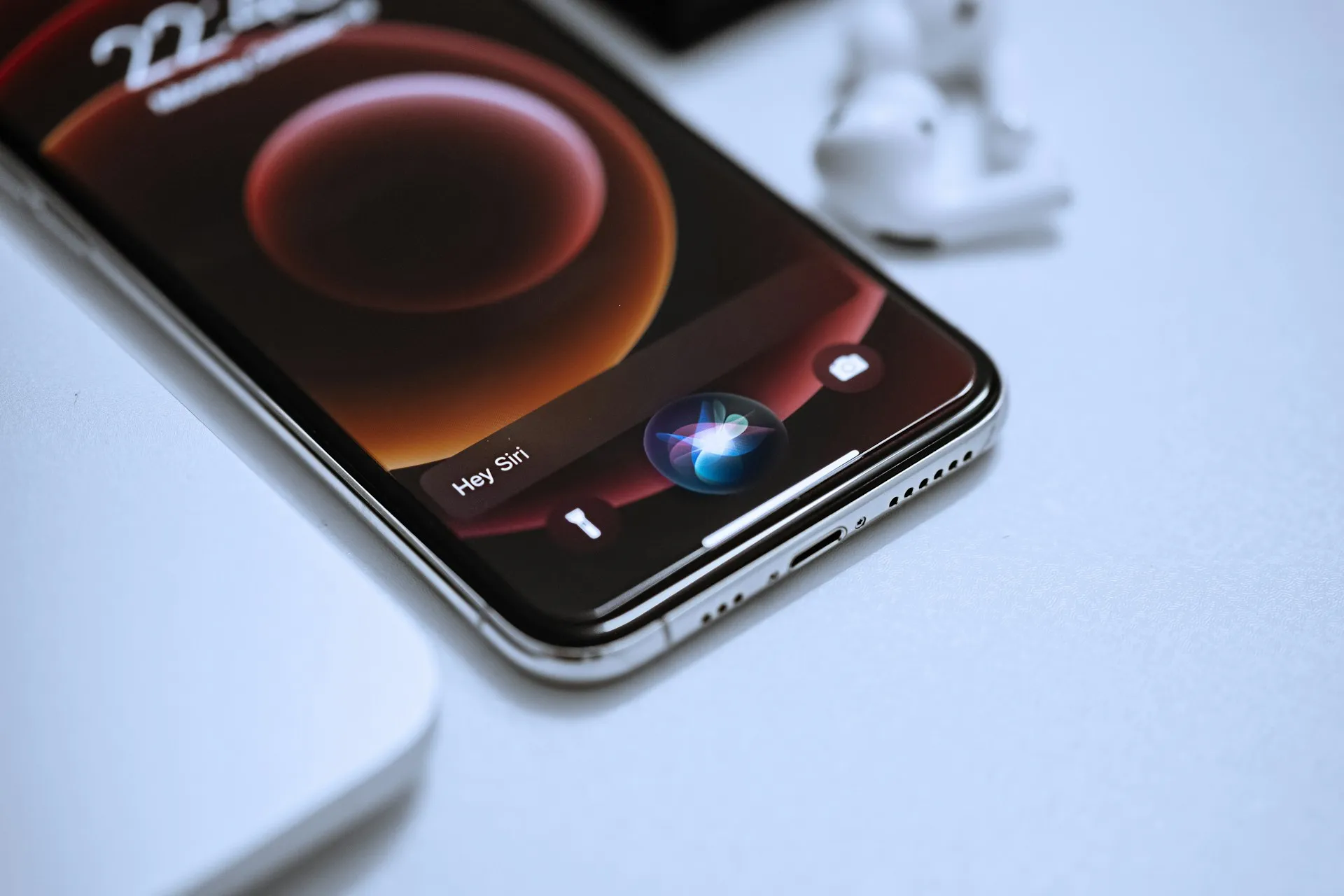
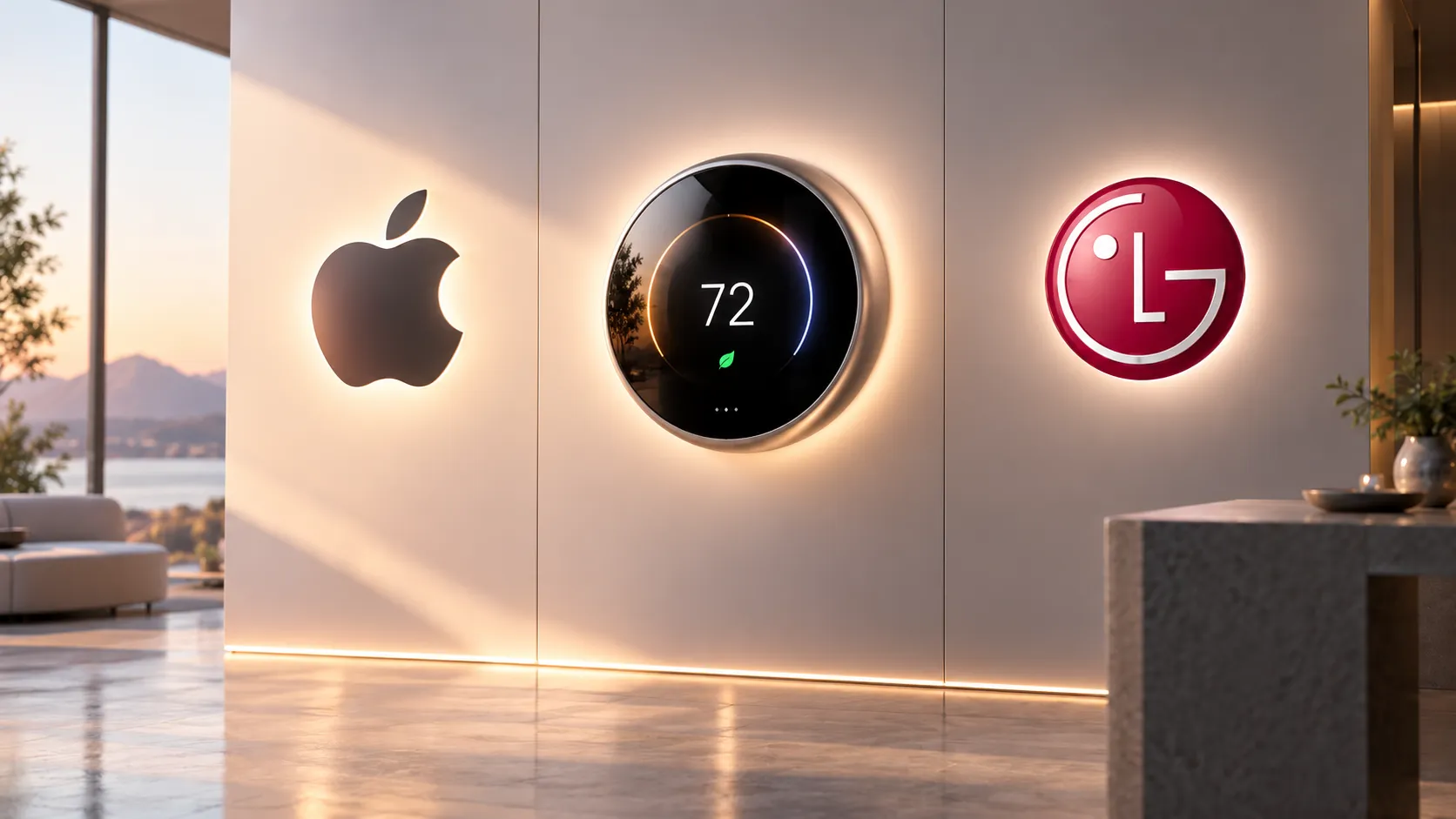
When two tech titans like Apple and Google join forces, you know something big is happening. Apple's decision to partner with Google for Siri's transformation represents one of the most significant strategic shifts we've seen in years. This collaboration brings together Apple's privacy-focused ecosystem with Google's cutting-edge AI capabilities, potentially reshaping how millions of users interact with their devices daily. Apple has officially confirmed its partnership with Google to integrate Gemini AI into a completely reimagined Siri, marking a departure from the company's traditional go-it-alone approach.
This isn't just another tech partnership — the multi-year agreement extends beyond just Siri to include broader cloud and model collaboration, signaling Apple's recognition that winning the AI race requires strategic partnerships over pride. After careful evaluation of multiple technology partners, Apple determined that Google's technology provides the most capable foundation for Apple Foundation Models, setting the stage for what could be the most significant upgrade to Siri since its launch.
Why Apple chose to break its own rules
Let's break it down: Apple has built its reputation on vertical integration and doing everything in-house. So what forced this unprecedented strategic pivot? The reality is that Apple has largely stayed out of the AI frenzy that swept Wall Street since ChatGPT's launch, putting the company at a significant disadvantage while competitors were making bold AI moves.
The wake-up call was brutal: some reports have claimed internal testing revealed Siri's failure rate hit an unusable 33%. One in every three requests was failing during internal testing — that's not just embarrassing for a company that prides itself on seamless user experiences, it's a crisis that threatened to make Siri irrelevant in the AI era.
But the problems ran deeper than poor performance. Apple's core challenge stems from its longstanding privacy-centric strategy, which left them with a crucial "data gap" needed to train state-of-the-art large language models. While this privacy focus has been a selling point for consumers, it became Apple's Achilles heel when competing against companies that could leverage massive amounts of user data for AI training.
Adding insult to injury, key personnel were being lured away by competitors offering compensation packages exceeding $200 million — including heads of foundational AI models, exactly the expertise Apple needed most. This perfect storm forced Apple to swallow its pride and seek external partnerships, choosing pragmatism over principle.
The billion-dollar investment that changes everything
Here's what makes this deal truly remarkable: Apple plans to invest approximately $1 billion annually for access to Google's advanced 1.2 trillion parameter AI model. To put that investment in perspective, this represents a massive upgrade from the 150 billion parameter model currently used for Apple Intelligence — we're talking about an eight-fold increase in model complexity and capability.
The technical architecture reveals Apple's strategic thinking: the custom Gemini system will handle Siri's summarizer and planner functions, while running on Apple's Private Cloud Compute infrastructure to maintain privacy standards. This hybrid approach lets Apple maintain control over user data while leveraging Google's AI horsepower where it matters most.
What's particularly clever is the white-label arrangement. Apple's agreement stipulates that Gemini's role will be "white-labeled" with no Google branding visible to end users. From a user's perspective, this will still be Siri — just dramatically smarter. The financial commitment serves as a bridge strategy, buying Apple time while developing its own next-generation models, codenamed "Ferret-3," planned for 2026-2027.
What users can actually expect from the new Siri
This transformation goes far beyond incremental improvements — we're talking about a complete reimagining of what a voice assistant can accomplish. The new Siri will understand context in genuinely intelligent ways, including extracting flight information from Mail or reservation details from Messages. Imagine telling Siri, "remind me about my dinner plans," and having it automatically pull up that restaurant reservation you made via text last week.
Enhanced on-screen awareness means Siri will understand what you're currently viewing and act accordingly, making interactions feel genuinely contextual. You could be looking at a photo and ask, "Who is this person?" or reading an article and say, "Summarize this for me," without explaining what "this" refers to.
The memory capabilities represent a quantum leap: the assistant will remember past interactions and connect dots to provide relevant suggestions over time. This means Siri will develop conversational memory, understanding your preferences, and building on previous conversations in ways that feel genuinely helpful.
PRO TIP: Apple is also developing "World Knowledge Answers," integrating web search capabilities directly into Siri to eliminate those frustrating "I found this on the web" responses. Instead of just punting to Safari, Siri will synthesize information from multiple sources and provide coherent, helpful answers.
The technical foundation supporting these capabilities is sophisticated: the new architecture features three distinct components: a query planner, a knowledge search system, and a summarizer, with Google's models powering the planner and summarizer functions while maintaining Apple's privacy standards.
The privacy paradox: Google AI meets Apple security
Here's where things get fascinating from a privacy standpoint. You might wonder: how can Apple maintain its privacy commitments while using Google's AI? The answer lies in architectural decisions that preserve user privacy while leveraging Google's capabilities.
Apple maintains complete control over what queries go to Gemini and can swap out the technology at any time. Apple acts as the gatekeeper, deciding which requests need Google's advanced capabilities and which can be handled locally.
The Gemini model will run on Apple's Private Cloud Compute servers, ensuring user data remains isolated from Google's infrastructure. Think of it as Apple renting Google's brain power but keeping it locked in Apple's house, following Apple's rules.
The implementation gets even more sophisticated: Apple uses a privacy buffer layer before any data reaches Google, with only certain queries staying on-device to keep privacy intact. This creates a multi-layered approach where simple tasks happen locally, more complex requests use Apple's cloud systems, and only the most demanding queries leverage Google's models — all while maintaining user privacy.
Timeline and what comes next
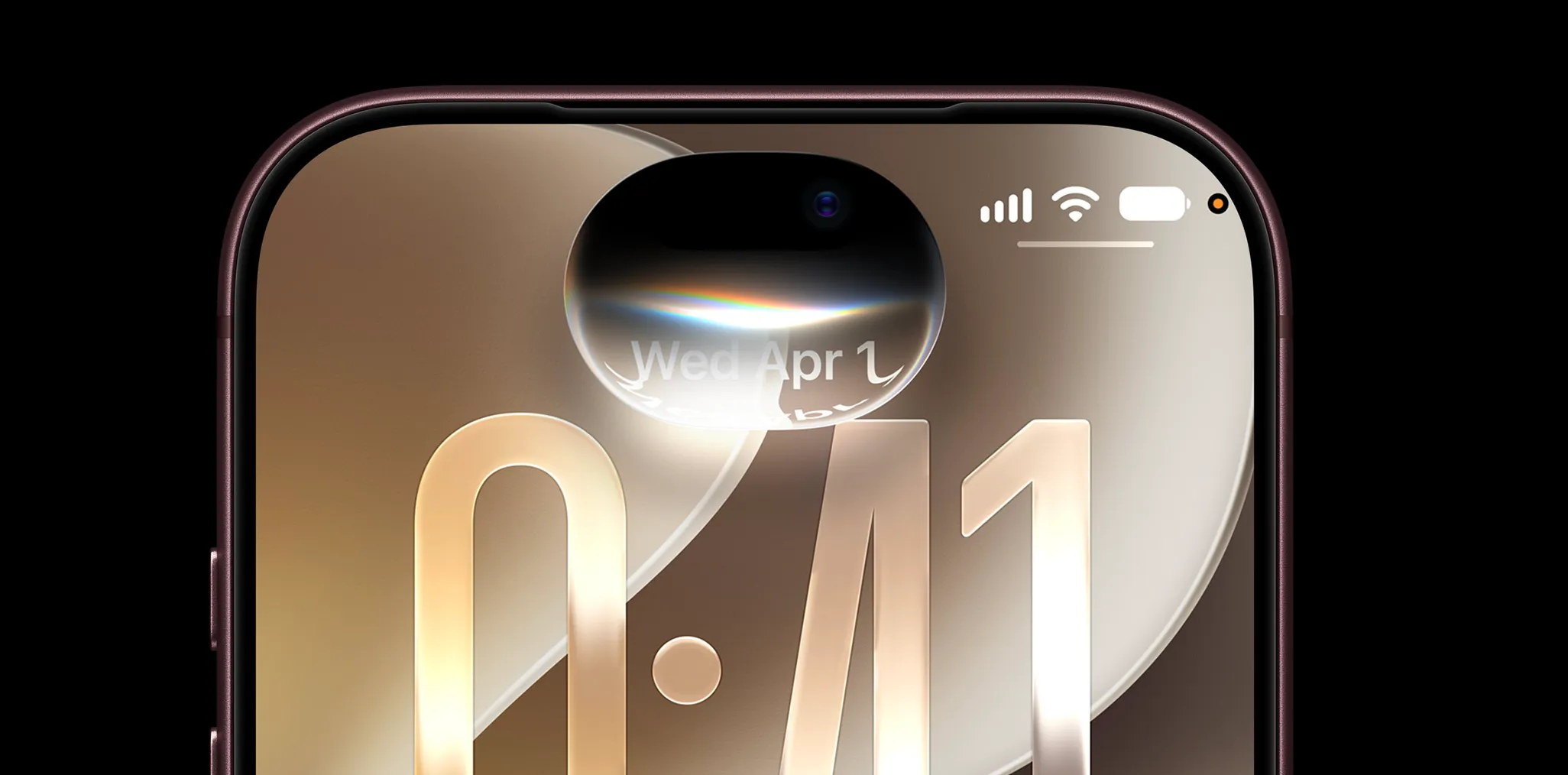
The rollout timeline reflects Apple's cautious approach to major launches. Apple's Siri overhaul is targeted for a March 2026 launch alongside iOS 26.4, giving the company over a year to perfect the integration. Apple is expected to provide the first official preview at WWDC in June 2026, suggesting they'll spend considerable time building anticipation and explaining their approach.
The timeline shifted from the original 2025 target, with Apple pushing the launch to ensure quality meets their standards — a move that's very much in character for a company that prefers to be right rather than first.
But Siri is just the beginning. Reports indicate Gemini-infused features will expand beyond Siri to Safari and Spotlight search, creating a unified AI experience across Apple's ecosystem. This systemic integration could fundamentally change how users interact with their devices, making AI assistance feel seamless rather than siloed.
Apple isn't just planning software changes: hardware will showcase the new AI capabilities, with Apple planning a smart home display, speaker base, and wall-mount options to demonstrate the enhanced Siri in real-world scenarios.
The bigger picture: What this means for the industry
This partnership signals a fundamental shift in how tech giants approach AI development, moving from pure competition to strategic cooperation when it benefits users and shareholders alike.
For Google, the partnership makes Gemini the default AI engine across both Android and iOS, instantly expanding its reach to billions of mobile users worldwide. This isn't just a win — it's validation of Google's AI strategy and a significant competitive advantage over other AI providers like OpenAI or Anthropic.
The collaboration builds on existing precedent: Apple and Google are no strangers to partnerships — Google already pays Apple around $20 billion annually for default search exclusivity on Safari browsers. Both companies have shown they can cooperate when it serves their mutual interests, even while competing in other areas.
Working with Google marks a fundamental change in Apple's strategy, moving from self-reliance to partnerships that prioritize user experience. This could set a precedent for future tech partnerships where companies focus on their core strengths rather than trying to do everything in-house.
The deal validates that even Apple recognizes the need for best-in-class AI capabilities, regardless of their source, representing a maturation of the tech industry where pragmatic partnerships can deliver better user experiences than pure competition.
Bottom line: Apple's decision to partner with Google for Siri represents a pivotal moment in tech history. The collaboration brings Google's AI horsepower together with Apple's privacy and design philosophy, potentially creating the voice assistant users have been waiting for since Siri first launched over a decade ago.
This move validates Google Gemini as a premier AI model while giving Apple the AI capabilities it needs to remain competitive in an increasingly AI-driven market. More importantly, it shows that Apple is willing to adapt its strategy when user experience is at stake — a sign of maturity rather than weakness.
Come March 2026, iPhone users might finally have a Siri worth talking to — and that's a conversation we're all eager to join.



Comments
Be the first, drop a comment!