



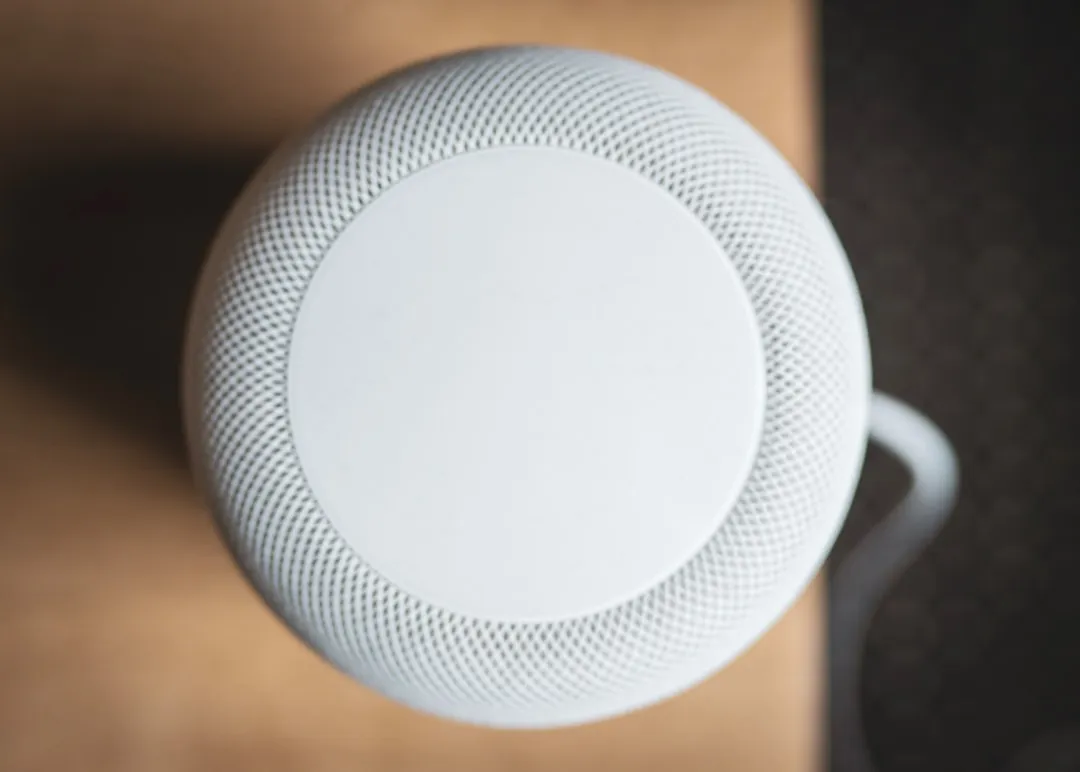
Apple Smart Home Products Delayed: Why Siri Isn't Ready
Apple's smart home display appears to be done. The problem is the software it was built to showcase.
The J490, codenamed for a 7-inch touchscreen hub that has been in development for years, has been finished for several months, 9to5Mac reported in March. It isn't shipping because the rebuilt Siri it depends on still doesn't work reliably enough to put in front of customers. So the hardware sits, ready to go, waiting on software that keeps missing its own deadlines.
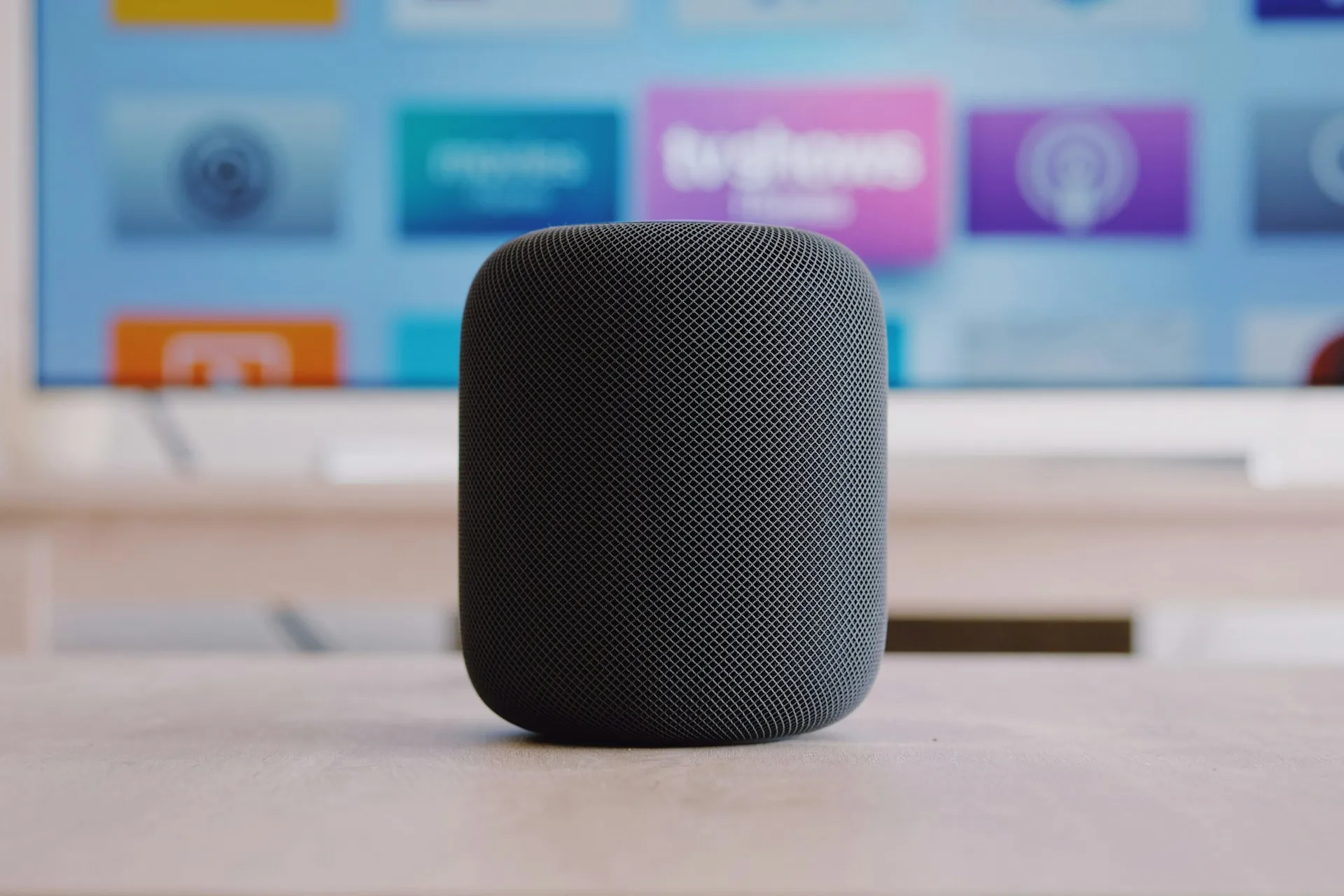
The J490 isn't the only product on hold. A new HomePod variant, a refreshed Apple TV 4K, its first hardware update since 2022 and a smart home sensor are all tied to the same Siri milestone, with Apple now targeting a September launch coordinated with iOS 27 and the iPhone 18, MacRumors reported in March citing Bloomberg. The first public evidence of whether September is real comes June 8, when Apple is expected to preview the rebuilt Siri at WWDC 2026 as a systemwide AI agent with deep app integration, The Verge reported in March citing Bloomberg.
This isn't really a story about four hardware announcements running late. It's about whether Siri can finally become the kind of assistant a voice-first household device actually requires. That question is still open.
What Apple has ready to ship, and why Siri has to come with it
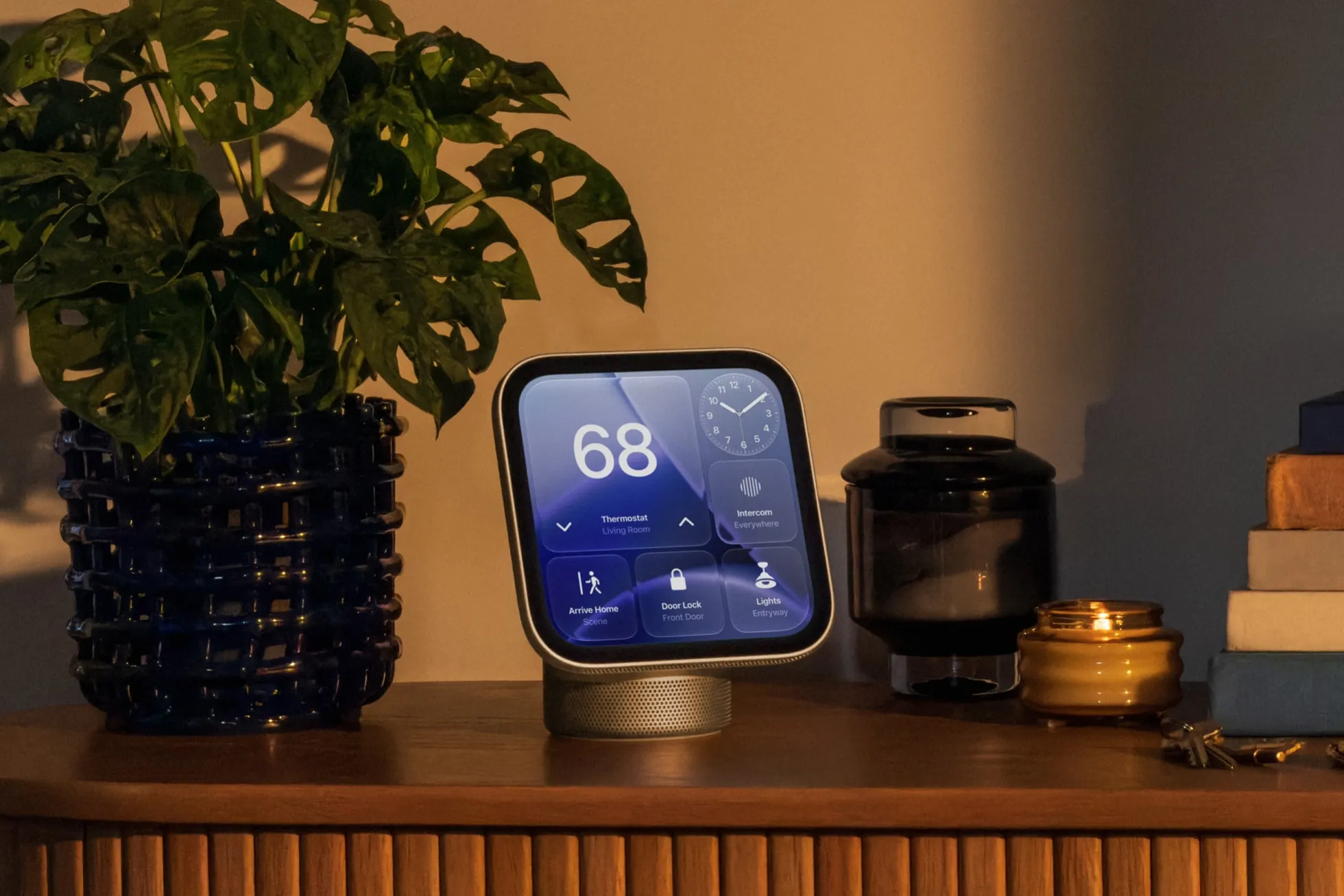
The anchor product is a 7-inch touchscreen display available in two configurations: wall-mounted or docked on a speaker base. It's designed as a shared household control center for smart home devices, music, calls, weather, photos, and a family calendar. The headline feature is facial recognition: when someone walks up, the display identifies them and surfaces a personalized view of their reminders, calendar, and preferences, MacRumors noted in February. The device is reported to run on an A18 chip with Face ID support and a 1080p camera.
That feature is not a nice-to-have. It's the product. The J490 isn't waiting on Siri the way an iPhone update might wait on a new Maps feature. The core experience recognizing who you are, knowing what you need, responding intelligently in a shared space is the whole point. Without a capable AI layer, it's a screen on a wall, 9to5Mac reported.
The same logic applies across the entire lineup. The updated HomePod and Apple TV 4K are described as tied to "new artificial intelligence features" not shipping first with hardware updates and receiving AI later, but held back until the AI is ready, The Verge reported in March. A smart home sensor is also in the works, with details still unclear, per The Verge. Apple's entire home push rests on a single software milestone it hasn't hit yet.
Compare that to what Amazon and Google have been doing. Echo Show and Nest Hub devices ship on hardware cycles, with AI updates layered in over time. Alexa and Google Assistant launched in limited form and grew more capable through updates users tolerated gaps, because the core voice commands worked. Apple's approach is different, and deliberately so. The J490's facial recognition, presence detection, and personalized interface aren't features to be added later. They're the reason the device exists. There's no fallback version of this product that works without a reliable AI layer. That's a harder position to hold when your AI keeps missing its release dates.
Why Apple smart home products delayed isn't just a hardware story
Home devices are a fundamentally different problem than phone assistants, and the gap matters more than it sounds.
On a phone, a flaky assistant is an annoyance. You tap around it, use a different app, move on. On a shared home display, the assistant is the primary interface. There's no screen full of alternative inputs. When someone walks up to a J490 and asks Siri to show their calendar, dim the lights, or call a family member, and it fails or misunderstands, there's nothing else to reach for. The failure is the whole experience.
This gets harder when the device is shared. A phone assistant only needs to know one person's context your apps, your preferences, your history. A household display has to handle multiple people walking up at different times, each expecting the device to know who they are and what they care about. That requires identity recognition to work accurately, personalization to be maintained per user, and the assistant to carry context across interactions. It's a more complex version of the problem Amazon and Google have spent years imperfectly solving with Echo Show and Nest Hub. Apple is entering late with a product that makes stronger promises on exactly the capabilities that are hardest to get right.
There's also the question of what Apple is saying about its own AI by reaching outside it. In January, Apple announced a multi-year partnership with Google, with Gemini models serving as the foundation for next-generation Apple Foundation Models, including what the two companies described as "a more personalized Siri," The Verge reported. Since then, reports have emerged that Apple may also ask Google to configure dedicated servers for a Gemini-powered Siri that meets Apple's privacy standards, The Verge reported in March citing The Information.
For a company that has built its premium positioning on vertical integration Apple silicon, Apple software, Apple cloud that's a notable concession. The Google partnership doesn't mean Apple is abandoning its AI ambitions. But the depth of reported reliance is a clear signal of how far Apple's own models still need to travel before they can power the kind of assistant a voice-first home device demands.
Why Siri isn't ready and what "ready" actually means
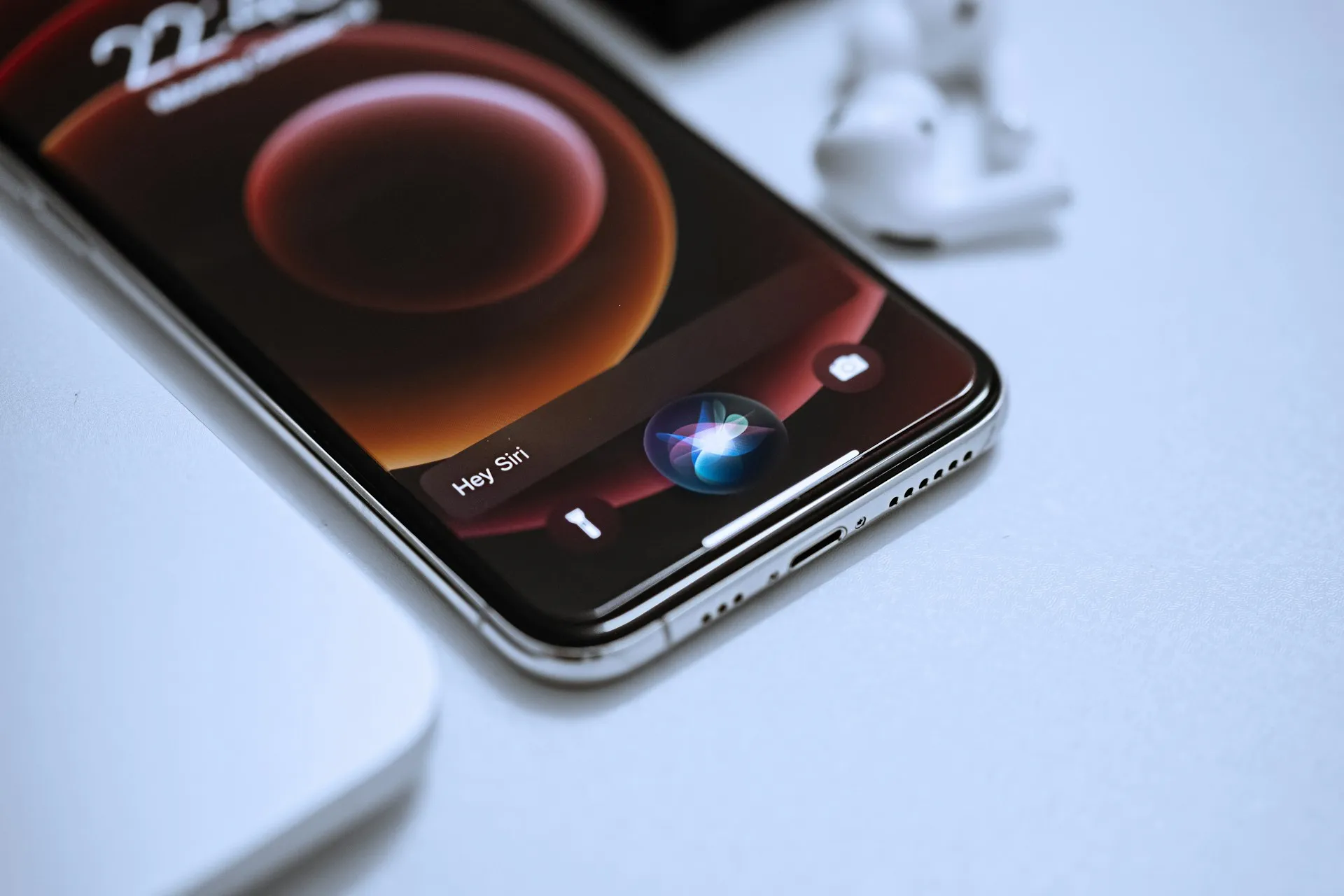
The rebuilt Siri is a genuine departure from what ships today. Apple's plan, reported by Bloomberg via The Verge in March, is a systemwide AI agent with deep integration across applications, available through a dedicated app with a chat-style interface, searchable conversation history, and the ability to switch between voice and text, upload documents and photos, and carry context across sessions. That's the version the J490 was designed to run.
The timeline of missed targets is worth spelling out. Apple delayed core Siri features in March 2025, publicly acknowledging it was "taking longer than we thought," The Verge reported in January. Those features were then planned for iOS 26.4, due this past month. Internal testing surfaced fresh reliability problems and shifted the target to iOS 26.5, The Verge reported in February citing Bloomberg. The full rebuild is now aimed at iOS 27 and macOS 27, to be announced at WWDC in June and released in September. The J490 was originally scheduled for spring 2025, then pushed to early 2026, then this spring—now fall. Each target has moved.
Apple also reshuffled its AI leadership, replacing AI chief John Giannandrea with Vision Pro head Mike Rockwell, The Verge reported in January. The leadership change, combined with the Google partnership and the string of missed milestones, paints a consistent picture: the engineering challenge here is real, and the company has responded by changing both the team and the technology underneath it.
What to watch: WWDC, iOS 26.5, and whether September holds
The June 8 WWDC keynote is the first hard evidence point. Apple is expected to announce iOS 27 and macOS 27 alongside the rebuilt Siri. The questions worth tracking: whether Apple demonstrates the new assistant as a genuinely functional systemwide agent rather than a curated demo, whether the standalone Siri app with searchable chat history and document handling makes an appearance, and whether the home display shows up alongside those software features as a coherent, shippable package, per The Verge.
Before that, an iOS 26.5 update expected around May could carry early Siri capabilities a potential proof point before WWDC. But it hasn't been confirmed, and given the pattern of slipping milestones, caution is warranted, MacRumors noted.
The window between now and September is unusually compressed. If a credible, stable rebuilt Siri arrives alongside the J490 display, a new HomePod, and a new Apple TV 4K, it would represent one of the most significant expansions Apple has attempted across a single product category in years. If it hedges again partial features, caveated availability, or another quiet slip the delay stops being an engineering problem and becomes the defining statement about Apple's smart home ambitions, Mashable noted in March.
The underlying bet is that a late, well-integrated platform built around a genuinely capable AI beats a faster but more fragmented one. That's a defensible position. Whether Siri can actually deliver the conversational, context-aware, multi-user intelligence that a shared home device requires by September, reliably, is the only question that matters between now and fall.



Comments
Be the first, drop a comment!