



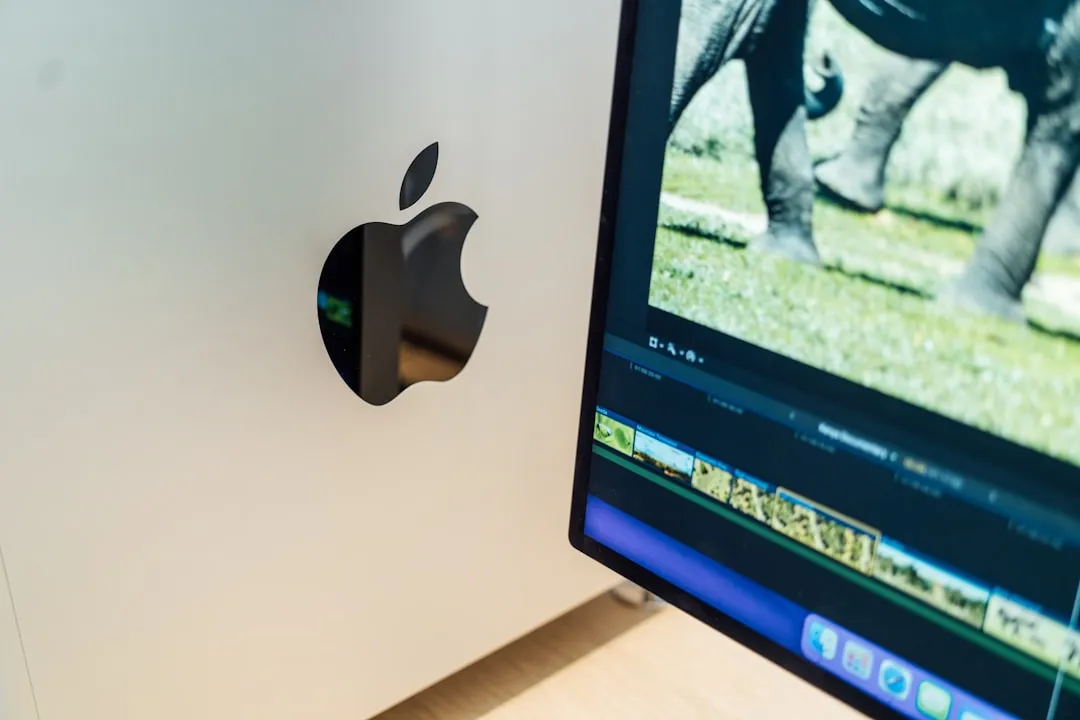
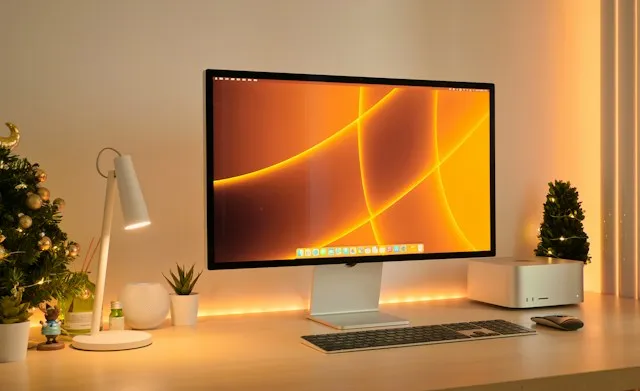
Apple's internal code has started telling a compelling story about the future of professional displays. Recent discoveries by tech journalists diving into iOS 26 code have uncovered references to an unreleased external monitor with the codename "J527," according to MacWorld. This isn't just another incremental update—the leaked specifications suggest Apple is preparing to address every major limitation that has held back the current Studio Display since its debut alongside the Mac Studio in March 2022, as reported by MacRumors.
The timing couldn't be more strategic. The existing 27-inch Studio Display will be approaching its fourth birthday next March, according to NotebookCheck, making it ripe for a significant refresh. What makes these leaks particularly exciting is how they reveal Apple's plan to transform what has been a solid but somewhat limited display into something that could genuinely compete with the best professional monitors on the market.
Here's what's particularly strategic about these upgrades: Apple appears to be targeting the professional monitor market where companies like ASUS, Dell, and Samsung have dominated with high-refresh, HDR-capable displays. By bringing ProMotion technology, HDR support, and a massive processor upgrade to the Studio Display, Apple is positioning itself to capture creative professionals who've been forced to look outside the ecosystem for truly high-end external displays.
What makes 120Hz ProMotion such a game-changer?
Here's where things get interesting: The leaked code appears to indicate Apple's next-generation display may support variable refresh rates up to 120Hz, according to internal code seen by Macworld. This represents a complete departure from the current model's fixed 60Hz limitation, as noted by MacWorld.
The professional workflow implications are substantial. Video editors working in Final Cut Pro or DaVinci Resolve will experience dramatically smoother timeline scrubbing and real-time preview playback. For motion graphics designers in After Effects, the higher refresh rate means more responsive manipulation of complex animations and effects. Even software developers will benefit from smoother code scrolling and more responsive IDE interactions.
This becomes even more significant when you consider that Apple has never shipped a standalone monitor with refresh rates above 60Hz, according to MacRumors. While competitors have offered 120Hz and even 144Hz professional monitors for years, Apple's external displays have remained locked at 60Hz—creating a jarring experience for users accustomed to ProMotion on their MacBook Pro screens.
The M5 iPad Pro recently gained the ability to drive external monitors at up to 120Hz with Adaptive Sync, MacRumors reports, marking the first time an iPad has supported such high refresh rates for external displays. This development reveals Apple's systematic approach to ecosystem preparation—ensuring that every device capable of outputting high refresh rates is ready before launching the hardware that can display them.
Bottom line: ProMotion brings adaptive intelligence that goes beyond simple high refresh rates. The display will dynamically adjust from 24Hz for film content up to 120Hz for interactive work, optimizing battery life on connected laptops while maximizing responsiveness when needed.
Why HDR support changes everything for content creators
The move to HDR represents perhaps the most significant upgrade for professional users. The current Studio Display maxes out at 600 nits of brightness without HDR support, as confirmed by MacWorld, but the new model will support both Standard Dynamic Range and High Dynamic Range content.
This upgrade strongly indicates Apple will replace the traditional LCD panel with mini-LED technology, according to analysis from 9to5Mac. Mini-LED backlighting uses thousands of tiny LEDs to provide more precise control over brightness and contrast, as explained by NotebookCheck.
For photography professionals, this transforms the color grading workflow entirely. You'll be able to work with the full dynamic range of RAW files from modern cameras, seeing shadow detail and highlight recovery that's simply invisible on standard displays. Portrait photographers will appreciate the ability to evaluate skin tones across the full brightness spectrum, while landscape photographers can finally see the dramatic range between deep shadows and bright skies as intended.
The performance improvements should be dramatic. Apple's existing mini-LED displays in the MacBook Pro can reach up to 1,000 nits of sustained brightness and up to 1,600 nits for HDR content, MacWorld notes. The enhanced technology also enables hundreds of dimming zones, contributing to higher contrast ratios and deeper blacks, according to NotebookCheck.
Video editors working with HDR content will no longer need to invest in expensive reference monitors like the $4,000+ Sony BVM series. The Studio Display 2 should provide the brightness headroom and color accuracy needed for proper HDR grading in formats like Dolby Vision and HDR10+, making high-end video production more accessible to independent creators and smaller studios.
How the A19 chip upgrade transforms display capabilities
The processing power behind these improvements comes from a significant chip upgrade. While the current Studio Display relies on the A13 Bionic processor, as reported by Cult of Mac, the next-generation model is reported in leaked code to include an A19 chip; this remains unconfirmed by Apple.
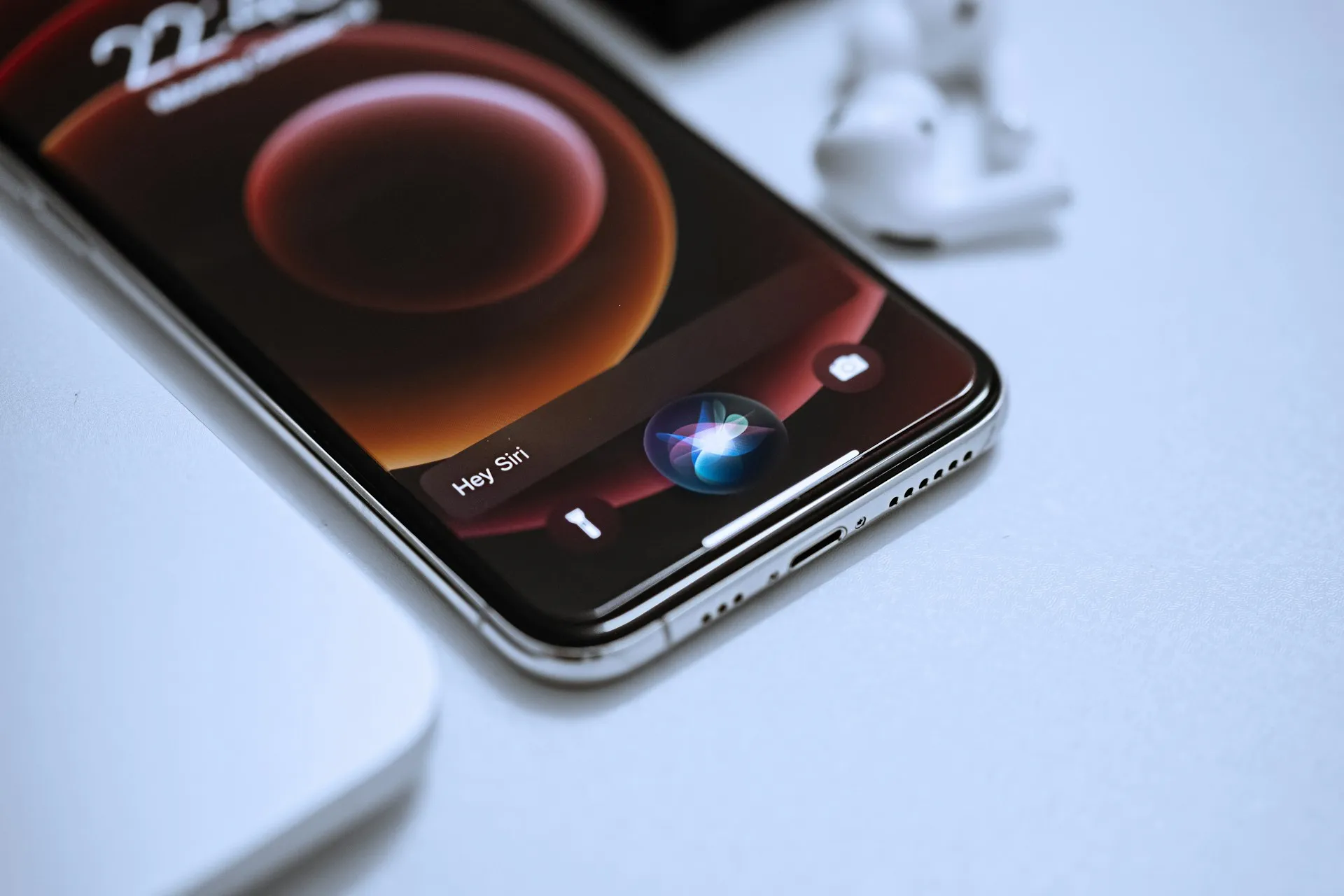
The Studio Display requires its own chip because it runs an operating system based on iOS, Cult of Mac explains. The A13 chip currently handles features like Center Stage camera tracking, Spatial Audio processing, and "Hey Siri" voice commands, MacRumors details.
The jump from A13 to A19 represents a massive generational leap that enables entirely new categories of computational display features. With the AI and machine learning capabilities of the A19, we could see advanced noise reduction for video calls, real-time lighting adjustment based on ambient conditions, or even computational photography enhancements that improve the webcam's performance in challenging lighting conditions.
The enhanced processing power becomes essential when managing the complex real-time calculations required for variable refresh rates across different content types, HDR tone mapping, and the sophisticated local dimming algorithms that mini-LED displays require. The A19 should future-proof the display for years to come, as Cult of Mac suggests, with enough headroom to support features Apple hasn't even announced yet.
When can we expect the Studio Display 2 to arrive?
The timeline for Apple's next-generation display appears to be solidifying around early 2026. Multiple sources suggest the company is targeting a launch sometime in 2026, potentially alongside new M5-powered Macs, according to MacWorld.
More specific predictions point to a release window between March and May 2026, Geeky Gadgets reports, which could align with Apple's Worldwide Developers Conference. The most likely scenarios involve either a launch alongside high-end M5 MacBook Pro models early in the year, or slightly later with the M5 Mac Studio and Mac mini, 9to5Mac suggests.
This timing makes strategic sense from both technological and market perspectives. The current Studio Display launched alongside the original Mac Studio in March 2022, MacRumors notes, and a 2026 refresh would coincide with significant maturation in mini-LED manufacturing costs and yield rates.
The four-year development cycle also allows Apple to incorporate meaningful advances in display driver technology, local dimming algorithms, and the sophisticated calibration systems that professional displays require. Rather than rushing incremental updates, Apple appears to be waiting until they can deliver transformative improvements that justify the professional price point.
What this means for Apple's display strategy
These leaked specifications reveal Apple's broader ambitions for professional displays. The company appears to be positioning the Studio Display 2 to fill the significant gap between the current $1,599 Studio Display and the $5,000 Pro Display XDR, as suggested by Geeky Gadgets.
The strategic implications extend beyond just price positioning. The Pro Display XDR, which launched in 2019, is now nearly six years old and lacks modern features like Thunderbolt 5, 120Hz refresh rates, and newer display technologies, MacWorld points out. By bringing premium features like ProMotion and HDR to a more accessible price point, Apple could capture the growing market of content creators who need professional-grade features but can't justify the Pro Display XDR's extreme cost.
The leaked code references suggest Apple might be orchestrating a comprehensive display lineup refresh. Beyond the J527 codename for the Studio Display 2, there are also references to J427, MacWorld discovered, which could represent either an updated Pro Display XDR with OLED technology and higher resolution, or a larger variant of the Studio Display targeting the 32-inch professional market.
This multi-tiered approach would allow Apple to compete across the entire spectrum of professional display needs—from the mainstream creative professional who needs excellent color accuracy and decent HDR support, all the way up to Hollywood post-production facilities that require reference-quality displays with perfect color reproduction and extreme brightness capabilities.
Bottom line: these leaks paint a picture of Apple finally delivering the professional external display that bridges the ecosystem gap. With 120Hz ProMotion, HDR support, and significantly more processing power, the Studio Display 2 represents Apple's most serious attempt yet to create a truly comprehensive professional display solution that matches the quality standards users expect from their MacBook Pro screens.


Comments
Be the first, drop a comment!