





Apple TV broadcasts LA Galaxy vs. Houston Dynamo FC captured exclusively on iPhone 17 Pro, with iPhone 17 Pro devices deployed throughout Dignity Health Sports Park in Carson, California. Apple describes it as the first major live professional sporting event shot entirely on iPhone. Kickoff is 7:30 p.m. PT.
The broadcast is also the last MLS match before the league pauses for the FIFA World Cup 2026, which means it lands in front of a larger soccer audience than a mid-season Saturday night would normally attract, Apple noted. For Apple, the timing is useful: maximum eyeballs on a production experiment that doubles as a live demonstration of iPhone 17 Pro under demanding broadcast conditions.
What the production setup actually involves
iPhone 17 Pro devices will cover the broadcast, Variety reported. The coverage runs from warmups to final whistle, including player introductions, in-net goal angles, and stadium atmosphere, per Apple's announcement. There are no conventional broadcast cameras supplementing the iPhones. The phones are the entire camera system.
Apple's production argument centers on form factor. The compact size of the iPhone allows placement in spots unavailable to traditional broadcast rigs, particularly inside the goal net and in tight sideline positions. That case holds clearly for specialty angles; extending it to 90 minutes of continuous match coverage across 15 simultaneous feeds is a different proposition, and one the broadcast hasn't yet proven.
Several production mechanics remain unaddressed in Apple's announcement. How the live feeds are routed to the production truck, what latency looks like at that scale, whether redundancy exists if a device fails during live play — none of that is in the public record. Battery endurance and heat management during an outdoor evening match are also open questions. Apple has disclosed the deployment; the engineering underneath it has not been made public.
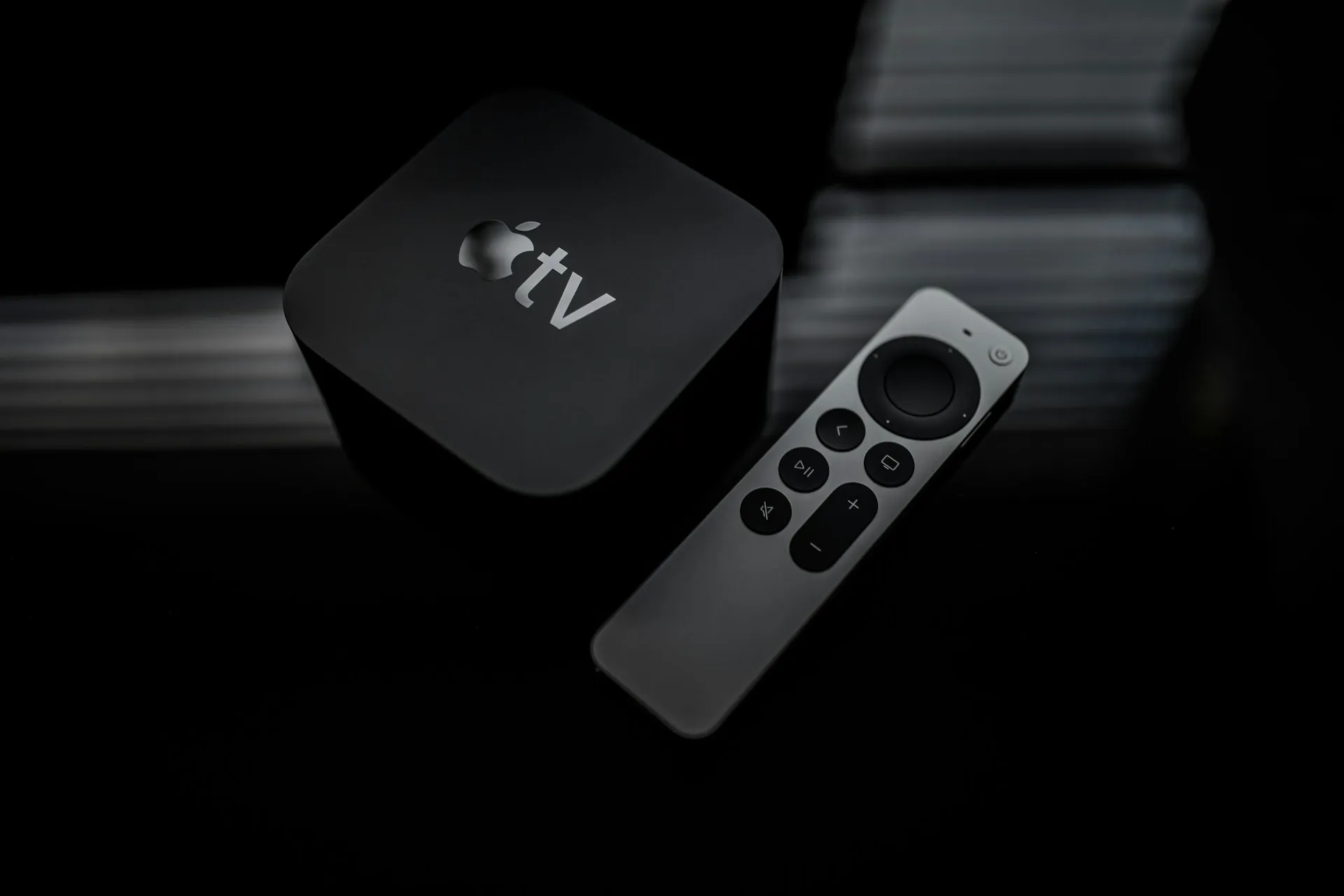
The match streams on Apple TV at 7:30 p.m. PT in more than 100 countries and regions with no blackouts. New subscribers can access it through a one-week free trial, Apple noted.
A staged rollout that started in September 2025
Apple's first use of iPhone in a live sports broadcast came during a "Friday Night Baseball" matchup between the Boston Red Sox and Detroit Tigers in September 2025. The scope was deliberately narrow: select moments and atmospheric stadium footage, not live game coverage. The National Baseball Hall of Fame and Museum later added one of the iPhones used in that broadcast to its permanent collection, Variety reported.
Following what Apple described as a strong fan response, the company expanded iPhone usage across additional broadcasts, including MLS Cup 2025, and folded it into the regular production rotation for both "Friday Night Baseball" and MLS matches throughout the 2026 season, according to Apple and confirmed by Variety. That integration across a full season of routine broadcasts is more credible evidence of a genuine production tool than any single high-profile deployment would be.
MLS Cup 2025, held last December, was the clearest precursor to Saturday. MLS used four iPhone 17 Pros embedded within a production rig of more than 30 cameras, the largest camera package in MLS Cup history, Sports Video Group reported ahead of that match. The four devices covered distinct positions: a wired high-end-zone camera, a pitch-side DJI Ronin gimbal rig, a supporter section camera, and a sideline camera capturing coach reactions. Each iPhone feed was labeled with a "Shot on iPhone" overlay graphic during the broadcast.
MLS EVP of Media Seth Bacon confirmed at the time that the phones fed directly into the production truck without additional processing hardware: "We're not plugging them into some other contraption; the iPhone will be the device actually capturing the action and coming into the truck for our broadcast." He also noted MLS had spent roughly four months testing different rigs, mounting positions, zoom configurations, frame rates, and color profiles before committing to live deployment, per Sports Video Group.
This game is a bigger step than MLS Cup was. Four iPhones as specialty cameras within a 30-plus-camera production is a very different thing from iPhones as the only cameras in the broadcast. The scale changes; so does the exposure if something goes wrong.
"Shot on iPhone" moments have also been part of MLS's "Saturday Showdown" broadcasts since the 2026 season opener in February, per Apple's season-launch announcement. Saturday removes the distinction between a "Shot on iPhone" insert and the broadcast itself. There are no inserts; there is only the iPhone footage.
Why the Apple TV MLS match shot on iPhone 17 Pro is also a hardware showcase
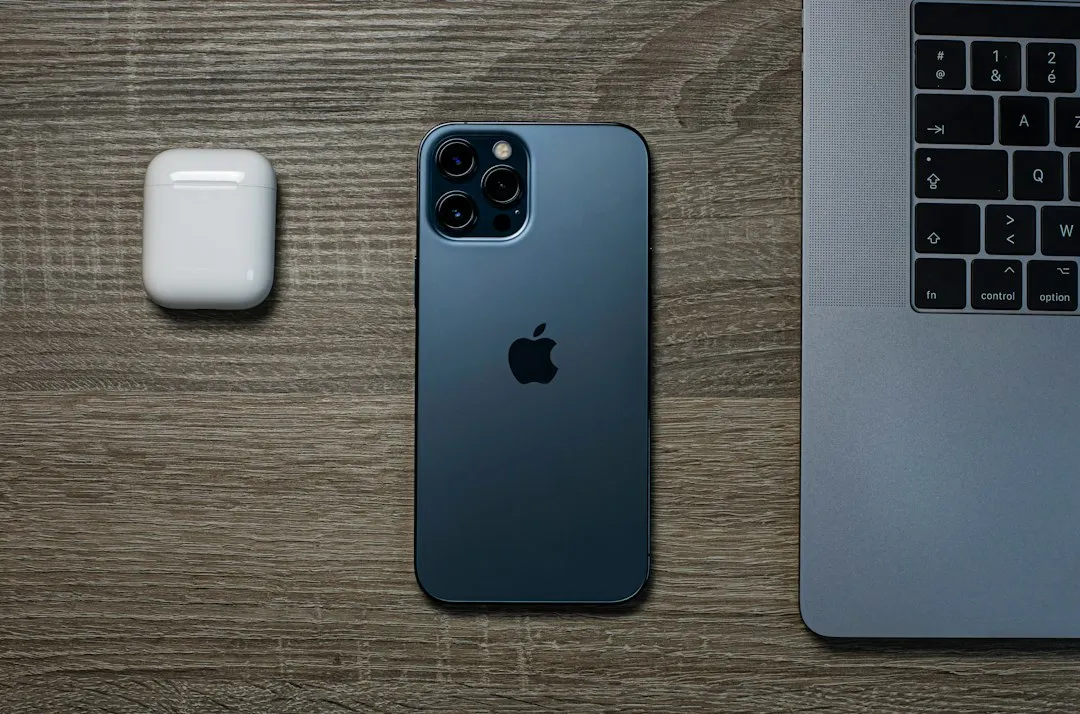
The iPhone 17 Pro carries three 48-megapixel Fusion cameras, which Apple describes as equivalent to eight lenses in a compact body, along with Apple Log 2, a professional color format that captures a wider color gamut in ProRes or HEVC codecs, per Apple and Variety. Apple Log 2 is the format being used. Its inclusion signals that the production is treating the footage as broadcast-grade material rather than supplemental content shot on a consumer device.
That technical context matters, but so does the business context around it. Apple controls the distribution platform, the camera hardware, and the announcement framing for this event. The "first ever" designation comes from the company with the most to gain from that designation. That doesn't make the production less interesting, but it does mean the performance claims should be evaluated against what viewers actually see, not against Apple's own framing.
The specific challenges live soccer creates for any camera system, smartphone or otherwise, are concrete and observable. Fast lateral movement across a full-size pitch is one. Long-distance coverage of play developing on the far side of the field is another. Stadium lighting becomes the primary source once the sun drops, and performance in that environment will be visible in the footage. Color consistency matters too: separate devices need to match closely enough that cuts between feeds don't look jarring. Viewers who pay attention to those four variables will have a reasonably clear read on how the footage holds up against conventional broadcast quality.
What the MLS broadcast can and can't settle
If the footage looks competitive with a standard MLS production, the broadcast industry will take note. Leagues and rights holders that don't have Apple's vertical control over platform and hardware will still be asking whether the result is achievable in other production environments. If specific weaknesses appear, those are equally useful data points for anyone trying to understand where smartphone cameras actually fit in a professional production context.
What Saturday cannot resolve is whether this model is replicable without Apple's particular advantages. The company owns the broadcast platform, the devices, and the narrative. The questions that would answer the broader industry question remain unaddressed: what the feed management architecture looks like at 15 simultaneous streams, what failsafe systems exist, and what the production cost looks like relative to a conventional camera crew and equipment package. None of that is in the public record. The first professional sports event shot on iPhone will tell broadcasters something real. How much it tells depends on which of those operational details Apple chooses to disclose after the match ends.


Comments
Be the first, drop a comment!