





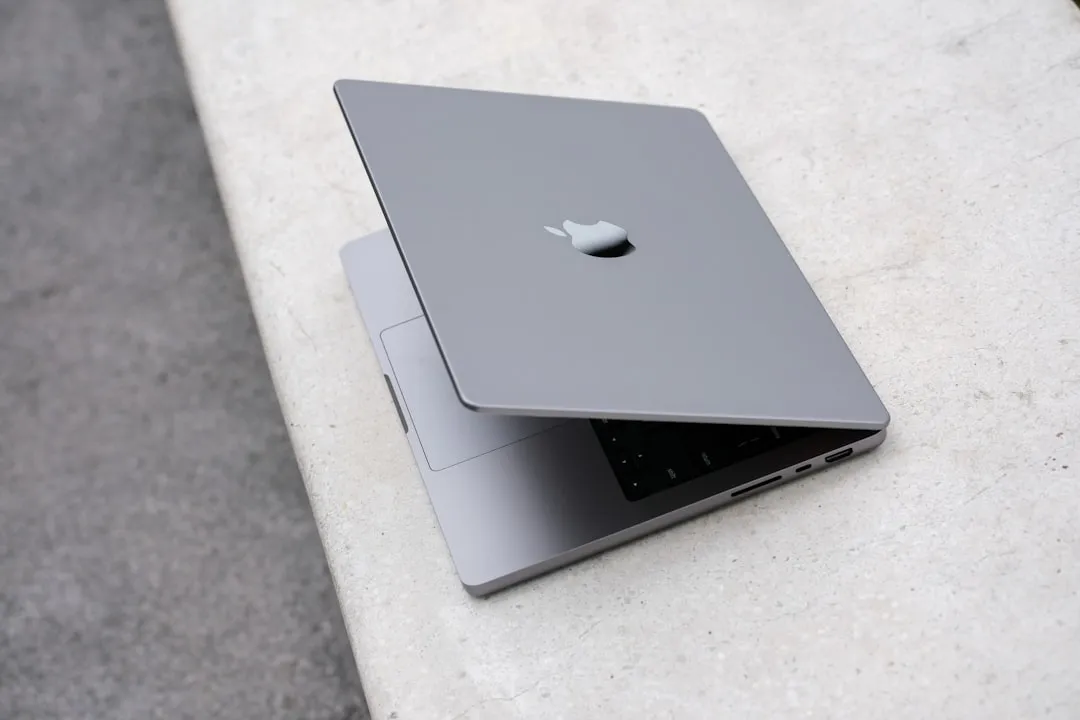
Apple's laptop lineup has always commanded premium prices, but that might be changing in a big way. If the rumors are accurate, we could be looking at the most significant shift in Apple's Mac strategy in years. Multiple industry reports suggest that Apple is developing an entirely new MacBook that will sit below the MacBook Air, reports/rumors suggest a possible starting price around $599 (unconfirmed). That's not a typo – we're talking about a Mac laptop that could cost less than an iPad Pro with a Magic Keyboard.
This represents a fundamental break from Apple's historical approach to pricing. Rather than simply discounting existing hardware, Bloomberg's Mark Gurman indicates this device will launch in the first half of next year, while analyst Ming-Chi Kuo projects production/sales of 5–7 million units in 2026 (Kuo's supply-chain note). If those numbers pan out, this budget-friendly machine could represent at least 20% of Apple's total MacBook sales – a potential game-changer for both Apple and the entire budget laptop market.
What makes this MacBook different from existing models?
Here's where Apple's approach gets really interesting: this isn't going to be a watered-down MacBook Air. The upcoming budget MacBook breaks entirely new ground by being Apple's first laptop to run on smartphone silicon rather than Mac-optimized chips. Reports suggest it will feature the A18 Pro chipset from the iPhone 16 Pro, marking the first time Apple has crossed this particular technological boundary.
Now, you might be wondering about performance implications. Using an iPhone chip in a laptop sounds potentially limiting, but here's the fascinating part: internal testing by Apple has reportedly shown that the iPhone chip can actually outperform the Mac-optimized M1 used in laptops just a few years ago. That M1, remember, was revolutionary when it launched and still handles most everyday tasks beautifully.
Beyond the processor, this represents a completely new design approach rather than simply offering a discounted older machine. The visual design will set it apart from the current lineup with colorful casing options including silver, blue, pink, and yellow – similar to the iMac's approach to making technology more approachable and less intimidating. It's Apple's attempt to signal that computing doesn't always have to look serious and expensive.
Display-wise, we're looking at an LCD panel that's slightly smaller than the current 13.6-inch MacBook Air. While it won't have the premium Liquid Retina display found on higher-end models, it should still deliver the clean, crisp experience Apple is known for. The key difference here is that Apple is prioritizing affordability over cutting-edge display technology – a notable shift in their product philosophy.
How will pricing position it in the market?
The pricing strategy might be the most radical aspect of this entire project. Apple appears committed to aggressive pricing that could seriously disrupt the budget laptop segment. Multiple sources indicate the device will cost "well under $1,000," with some reports suggesting a starting price as low as $599.
To put this in perspective, that's roughly the same price as an entry-level iPad paired with a Magic Keyboard Folio. Educational discounts could potentially drop the price even further, making it competitive with mid-range Chromebooks and Windows laptops. This represents a dramatic philosophical shift for Apple, which has historically avoided the lower-end market in favor of premium positioning.
What makes this timing particularly strategic is the current market disruption. Windows 10 support officially ended in October 2025, potentially creating an opportunity for users seeking alternatives without the complexity or cost of upgrading to Windows 11 or buying premium systems. Apple seems to be positioning this budget MacBook as the perfect solution for people who want to escape the Windows upgrade cycle without breaking the bank.
The price point also makes it competitive in markets where Apple has traditionally struggled. In education, small businesses, and international markets where price sensitivity has historically limited Apple's reach, a $600 MacBook could be transformational. Instead of being forced to choose between Apple's premium experience and affordability, consumers might finally have both options within the same ecosystem.
Who is Apple targeting with this device?
Apple appears to have identified several key demographics that they haven't effectively served at lower price points. Sources indicate it's being developed for students, businesses, and casual users who need basic computing capabilities but don't require the horsepower of a MacBook Pro or even a fully-loaded MacBook Air.
One particularly strategic target group is potential iPad buyers who might prefer a more traditional laptop experience. Think about this scenario: many people buy an iPad with a keyboard case thinking they'll use it for productivity, only to find that iPadOS limitations make certain tasks frustrating. This budget MacBook could capture those users who want the simplicity of an iPad but the full desktop experience of macOS.
The device is also clearly positioned to compete directly with Chromebooks and budget Windows laptops – markets where Apple has had virtually no presence due to pricing. Students, in particular, often get stuck choosing between a cheap, plastic Windows laptop or a Chromebook that can't run professional software. A $600 MacBook with macOS compatibility and Apple build quality could be incredibly appealing to this underserved segment.
The timing creates additional opportunities as well. The market disruption caused by Windows 10's end-of-life creates a natural inflection point. Rather than dealing with Windows 11's system requirements or learning a new interface, users could jump into the Apple ecosystem at a price that doesn't require a major financial commitment. It's Apple's chance to convert users who might never have considered a Mac before.
Where does this fit in Apple's broader ecosystem strategy?
This budget MacBook represents Apple's attempt to expand its ecosystem reach without cannibalizing premium sales. Here's what's particularly clever about the strategy: the device won't replace any existing Mac in Apple's lineup. It will be sold alongside M5 versions of the MacBook Air and MacBook Pro planned for early 2026, creating a proper low-to-high product hierarchy that most other computer manufacturers have had for years.
The business implications extend far beyond just hardware sales. A cheaper Mac entry point is expected to grow the macOS user base and accelerate Mac-optimized software development. This creates what economists call a virtuous cycle: more users in the ecosystem drive more developer interest, which creates better software, which attracts more users, and so on.
From a strategic perspective, this move makes tremendous sense. Market analysis suggests this new model could represent at least 20% of overall MacBook sales, significantly expanding Apple's addressable market. More importantly, it gets people into the Apple ecosystem who might never have considered a Mac before. Once they're using macOS, they're statistically more likely to buy other Apple products, subscribe to Apple services, and become long-term customers.
The competitive implications are equally significant. Apple's positioning puts pressure on rivals like Google and Microsoft in the affordable computing segment. Google has dominated education with Chromebooks partly because of price, while Microsoft has owned the budget Windows laptop space. A competitively-priced Mac with superior build quality could disrupt both of these established market dynamics, forcing competitors to reconsider their own value propositions.
What does this mean for the future of Mac computing?
The budget MacBook signals a potential evolution in both Apple's chip strategy and market positioning that could have far-reaching implications. Using iPhone silicon in a Mac could lead to more varied chip approaches, with different silicon paths optimized for different price points and use cases.
This flexibility opens up exciting possibilities for Apple's future product strategy. Instead of forcing every Mac to use the same basic chip architecture (just with different core counts), Apple could develop specialized processors for specific market segments. Budget users might get iPhone-derived chips optimized for efficiency and cost, while pro users get M-series chips designed for maximum performance. This segmentation could allow Apple to serve more market segments without compromising its premium positioning for high-end products.
The success of this model could reshape industry expectations for what constitutes an entry-level computing experience. If Apple achieves competitive pricing while maintaining the macOS experience and build quality, it could force other manufacturers to reconsider their own budget offerings. Why would someone buy a plastic Windows laptop with questionable long-term support when they could get a well-built Mac for similar money?
The broader market impact could be particularly significant in education and international markets where price sensitivity has historically limited Apple's reach. In many countries, Apple products are considered luxury items primarily due to cost. A $600 MacBook could fundamentally change that perception and potentially accelerate the company's transition from a premium niche player to a more mainstream computing platform.
Bottom line: if Apple pulls this off successfully, we might be looking at the beginning of a new era where premium computing experiences don't require premium prices. That's potentially transformative news for consumers and could shake up the entire laptop industry in ways we haven't seen since the original MacBook Air redefined what a laptop could be.



Comments
Be the first, drop a comment!