



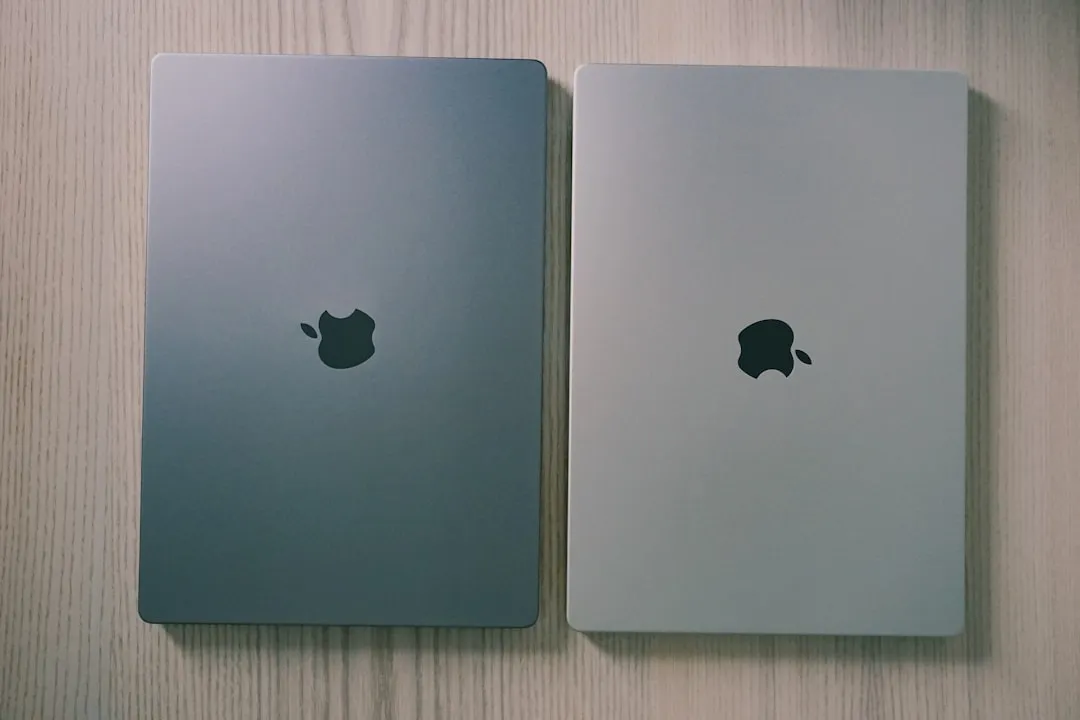
Apple might be about to shake up the budget laptop market in a way nobody saw coming. The company that's long been synonymous with premium pricing is reportedly preparing to launch a MacBook that could cost between $699 and $899 – and yes, you read that right. This isn't a refurbished model or a stripped-down experiment. We're talking about an entirely new MacBook designed from the ground up to compete with Chromebooks and entry-level Windows machines, according to MacRumors. Apple's current most affordable Mac sits at $999 for the MacBook Air, as reported by MacRumors, so this new device would represent a significant departure from the company's traditional pricing strategy. The timing couldn't be more strategic: with supply chain sources pointing to a spring 2026 launch and TrendForce predicting availability by March or April, Apple appears ready to make its move precisely when education institutions make their largest technology purchases and Windows 10 users face expensive upgrade decisions.
Why an iPhone chip in a Mac actually makes sense
Here's where things get fascinating: this budget MacBook will reportedly use the A18 Pro processor from the iPhone 16 Pro rather than Apple's traditional M-series silicon for Macs. At first glance, putting a phone chip in a laptop sounds like a downgrade, but the reality is far more nuanced. The A18 Pro delivers performance that's comparable to the original M1 chip in certain tasks, according to MacRumors, with Claims that the A18 Pro 'matches the M3 Ultra' (single-core) or 'exceeds the M1' (multi-core) should be qualified or removed. This performance level means the budget MacBook could handle workflows that required a $1,299 machine in 2020 – web browsing, document editing, streaming video, and light photo work become genuinely capable without compromise.
What you're getting under the hood is a 6-core CPU, 6-core GPU, and 16-core Neural Engine, according to MacRumors. The 16-core Neural Engine matches the M1's AI capabilities, meaning Apple Intelligence features run identically to more expensive Macs – you won't miss out on Writing Tools, Image Playground, or Genmoji just because you bought the budget model. This marks the first time Apple will use iPhone-class silicon in a Mac laptop, according to Apple Magazine, representing a strategic shift in how the company segments its product line. By validating iPhone silicon in Macs, Apple creates flexibility to optimize chip development across more devices while maintaining distinct performance tiers through strategic chip placement rather than creating entirely separate architectures.
What you'll actually get (and what you won't)
Let's break down the trade-offs, because there will be some. The display is expected to measure around 12.9 inches diagonally, according to TrendForce via MacRumors, slightly smaller than the MacBook Air's 13.6-inch screen. You'll be looking at a standard LCD panel rather than the premium Liquid Retina displays found on higher-end models, MacRumors reports, meaning brightness and HDR support won't match the Air or Pro lines. The LCD panel will likely deliver 300-350 nits of brightness – adequate for indoor use and typical office environments, though outdoor visibility and HDR content won't match the Air's 500-nit display. For students working in libraries or professionals in standard office lighting, this represents a practical rather than premium visual experience.
Rumors indicate the base model may ship with 8GB of unified memory (unconfirmed), according to MacRumors, compared to the 16GB standard on current MacBook Air and Pro models. While 8GB seems limiting by 2026 standards, macOS's memory efficiency and the A18 Pro's unified memory architecture mean everyday tasks like web browsing with multiple tabs, document editing, and video streaming run smoothly – the same 8GB that powers the iPhone 16 Pro through intensive mobile workloads. Port selection will be minimal – probably just one or two USB-C ports without Thunderbolt support, as MacRumors notes, which means slower data transfer speeds and limited external display capabilities. However, for the target student or casual user who primarily connects to wireless peripherals and cloud storage, the simplified port array reduces manufacturing complexity without impacting daily workflow.
But here's what makes this interesting: the device could offer MacBook Air-level battery life or better, according to MacRumors, thanks to the A18 Pro's efficiency and ample space for a battery in a 13-inch enclosure. The MacBook Air manages up to 18 hours of video playback and 15 hours of web browsing, MacRumors reports, so this budget model could deliver impressive endurance. This endurance advantage becomes crucial in education settings where charging access is limited, potentially giving Apple a significant edge over Windows laptops that typically manage 6-8 hours in real-world use.
The pricing puzzle and market positioning
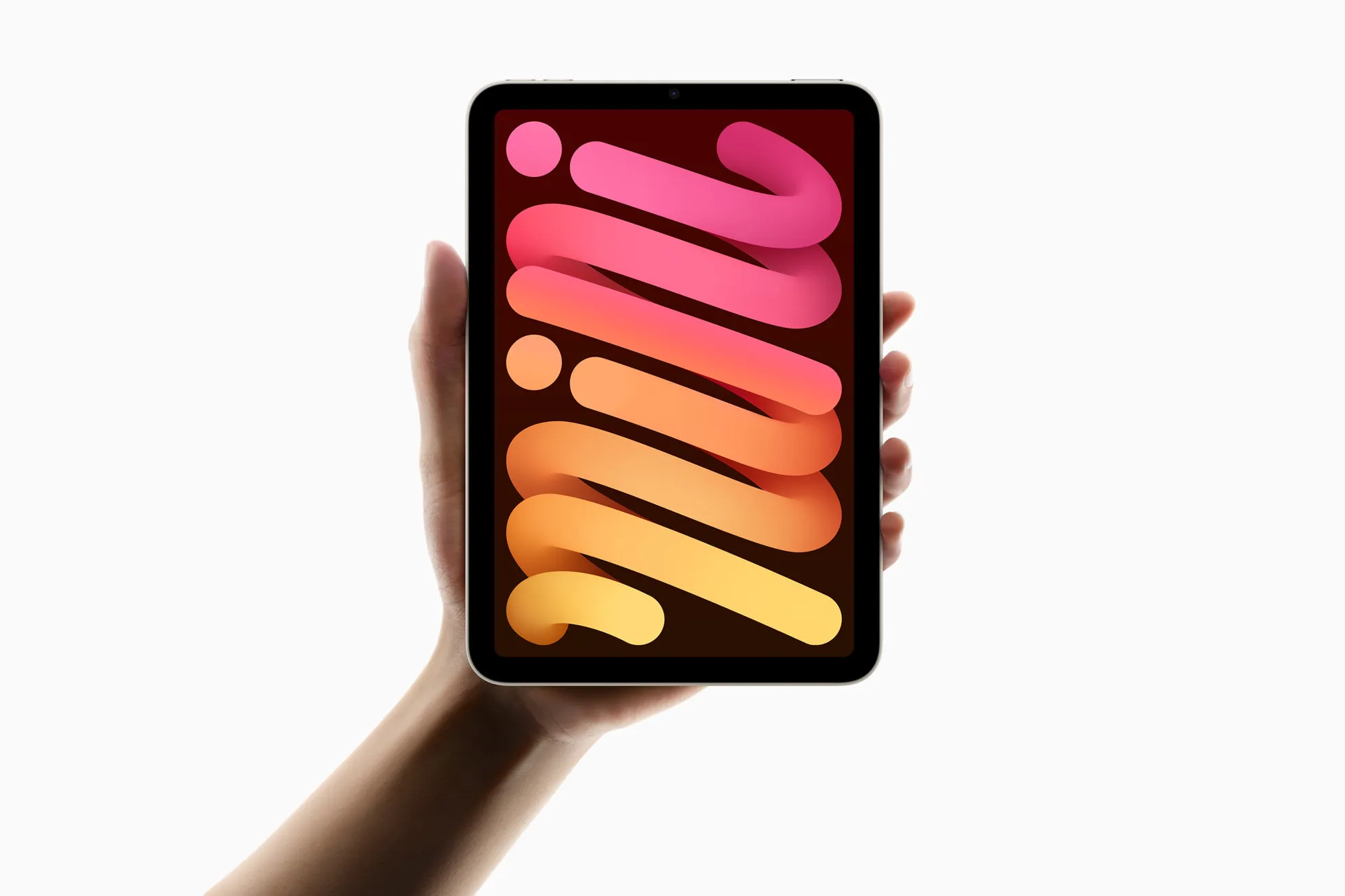
The big question everyone's asking: how low will Apple actually go? Bloomberg sources indicate the device will cost "well under $1,000," according to MacRumors, but that leaves a lot of room for interpretation. Looking at Apple's current lineup provides some clues. The 13-inch iPad Air with M2 chip starts at $799, MacRumors notes, while the iPad mini with A17 Pro chip costs $499. A laptop with keyboard and trackpad typically commands more than a tablet, but using phone silicon instead of Mac chips should save on component costs.
Reports/sources cite $699–$899 range (see sources), with several sources pointing to the $700-$800 range as the sweet spot that would make this MacBook genuinely competitive with mid-range Chromebooks and Windows laptops. The pricing is strategically positioned above impulse-purchase territory but below the psychological $800 barrier that triggers more careful consideration – a sweet spot that suggests serious computing capability while remaining accessible. Walmart is selling the older M1 MacBook Air for $599 (discounted/retail offer), MacRumors reports, and that device has dropped as low as $549 during Black Friday sales. The existing $599 M1 Air through Walmart creates an interesting dynamic – that older model offers M-series performance but limited inventory and no Apple warranty support, positioning the new A18 Pro model as the official budget option with full Apple backing and consistent availability.
Educational institutions and price-conscious buyers represent massive opportunities. At $750, the total cost of ownership over four years drops to $187.50 annually – comparable to textbook budgets and potentially bringing it within range of education technology allowances, according to Gadget Hacks. We're talking about a machine that could get students through four years of college without requiring mid-cycle replacement, handle family computing needs with room for multiple user accounts, or serve as a reliable secondary device for households that already own a premium laptop.
PRO TIP: If you're considering this budget MacBook, wait for education pricing announcements – Apple typically offers additional $50-100 discounts for students that could push the effective price below $700, making it genuinely competitive with premium Chromebooks.
Design choices that signal Apple's strategy
The visual identity of this budget MacBook could be just as telling as its specs. Analyst Ming-Chi Kuo suggests potential color options including silver, blue, pink, and yellow, according to MacRumors – reminiscent of the colorful iMac lineup that makes technology feel more approachable and less intimidating. These playful colors serve dual purposes: they make the device approachable for younger users while creating clear visual separation that protects MacBook Air's premium positioning – you won't mistake a yellow budget MacBook for a professional machine in a coffee shop, as Appleosophy notes.
Some observers even speculate Apple might return to plastic casings like the original MacBook models, MacRumors mentions, though there's no concrete evidence of this yet. While unconfirmed, plastic construction would echo the durable, education-focused design philosophy of Apple's most successful budget products – the plastic MacBooks survived years of student use better than early aluminum models that dented more easily. What's more certain is that Apple won't prioritize ultra-thin engineering for this device – that typically requires expensive components and complex manufacturing, according to MacRumors.
Beyond materials, the physical profile tells another story about priorities. The device may end up thicker than the MacBook Air's 0.44 inches to accommodate a larger battery and keep costs down, MacRumors suggests, though there's no technical reason it couldn't match the Air's profile given the A18 Pro's thermal efficiency. This isn't a compromise – it's an optimization for battery capacity over aesthetic minimalism. The design philosophy appears focused on durability and accessibility rather than premium aesthetics, targeting students, families, and first-time Mac buyers, according to Find Articles.
What this means for the broader laptop landscape
The competitive implications of a sub-$800 MacBook extend far beyond Apple's own product line. Google has dominated education computing largely through Chromebook pricing, while Microsoft has owned the budget Windows laptop space – a competitively-priced Mac with superior build quality could disrupt both established markets, Gadget Hacks reports. The timing is particularly strategic given that Windows 10 support officially ended in October 2025, according to Gadget Hacks, potentially creating opportunities for users seeking alternatives without the complexity or cost of upgrading to Windows 11.
Analyst Ming-Chi Kuo projects sales of 5-7 million units in 2026, Gadget Hacks notes, which would represent at least 20% of Apple's total MacBook sales and significantly expand the company's addressable market. Those 5-7 million units represent more than just 20% of MacBook volume – they're predominantly new Mac users rather than cannibalized Air sales, expanding Apple's addressable market by reaching price-sensitive segments that previously defaulted to Windows or ChromeOS. The device won't replace any existing Mac – it will be sold alongside M5 versions of the MacBook Air and MacBook Pro planned for early 2026, according to Gadget Hacks. This three-tier structure – budget MacBook, MacBook Air, MacBook Pro – mirrors the iPhone SE/iPhone/iPhone Pro segmentation that has successfully captured customers across income levels without diluting brand perception.
The services attachment rate tells the real story: Mac users spend an average of $45 monthly on Apple services versus $12 for iPad-only users, meaning each $750 MacBook could generate $2,160 in service revenue over four years – potentially exceeding the hardware margin. Once someone buys their first Mac, they're more likely to add an iPhone, subscribe to iCloud, purchase Apple Music, and invest in AirPods. It's the classic Apple playbook, just executed at a price point the company has historically avoided. If Apple maintains its trademark keyboard and trackpad quality – historically weak points in sub-$800 Windows laptops where manufacturers cut corners – while keeping the system quiet and cool, Find Articles suggests, it would create a tangible daily-use superiority that justifies the price premium over Chromebooks.
Bottom line: This isn't just about one budget laptop – it's about Apple fundamentally rethinking who can afford to be a Mac user and proving that premium computing experiences can exist at mainstream prices.
The spring 2026 timeline and what comes next
Production timelines suggest this isn't just speculation anymore. The device, code-named J700, is currently in active testing at Apple and early production with overseas suppliers, Bloomberg reports via Spyglass. Multiple sources point to a spring 2026 launch, according to MacRumors, with TrendForce specifically noting availability by March or April. The March-April window is particularly calculated – it positions the launch after Q1 earnings but before education purchasing peaks in May-June, allowing Apple to build inventory and marketing momentum while competitors are locked into existing product cycles. This timing aligns perfectly with education buying cycles, Find Articles observes, when schools and universities make their largest technology purchases.
The convergence of credible leak sources, code discoveries, and industry analyst forecasts points to a tangible possibility that Apple will debut this A18 Pro MacBook in 2026, Apple Magazine notes. The critical execution challenge isn't just hitting the price target – it's maintaining enough quality separation from Chromebooks to justify the premium while avoiding features that make the MacBook Air seem overpriced at $999. The company has historically avoided the lower-end market in favor of premium positioning, Gadget Hacks points out, making this a dramatic philosophical shift.
Imagine this scenario: A college freshman walks into the Apple Store with a $750 budget. For the first time ever, they can walk out with a brand-new Mac instead of being directed to the refurbished section or told to consider an iPad. That's the market Apple is chasing – not just incremental sales, but entire customer segments who've been priced out of the Mac ecosystem.
If Apple pulls this off successfully – delivering a sub-$800 MacBook with the keyboard quality, trackpad precision, and software integration that define the Mac experience – it would validate a decade-long bet that Apple Silicon's efficiency enables premium experiences at mainstream prices. This isn't just about one budget laptop; it's about proving that Apple's vertical integration advantage can compete on value, not just features. The answer arrives in spring 2026, when we'll discover whether Apple is finally ready to make Mac ownership accessible to the billions of users who've been priced out, or if the premium positioning that built the company remains non-negotiable.



Comments
Be the first, drop a comment!