



Formula 1's arrival on Apple represents more than just another streaming transition—it's a complete reimagining of how we'll experience motorsport in America. Starting in 2026, every practice session, qualifying round, Sprint, and Grand Prix will stream on Apple TV for $12.99 monthly with no additional fees, marking Apple's massive investment of approximately $750 million over five years" with "about $700 million over five years (≈$140 million per year) to fundamentally transform the F1 viewing experience.
What makes this particularly compelling is the timing. Apple's broadcast debut coincides with Formula 1's most dramatic regulatory changes in over a decade, as the 2026 season introduces a revolutionary 50-50 split between electric and combustion power, representing nearly a 300% increase in electrical power, along with 100% sustainable fuel and active aerodynamics.
PRO TIP: This isn't just a broadcaster change—it's a complete platform evolution arriving precisely when F1 itself is transforming. The 2026 technical changes demand new explanations and visualizations, making Apple's ecosystem approach perfectly timed for F1's complexity.
Beyond streaming: Your entire Apple ecosystem becomes F1-centric
Here's where this gets really interesting. Apple isn't just taking over F1 broadcasts; they're weaving Formula 1 into the fabric of your daily digital life. F1 content flows seamlessly across Apple News, Apple Maps, Apple Music, and even Apple Fitness+, creating touchpoints that extend far beyond race weekends.
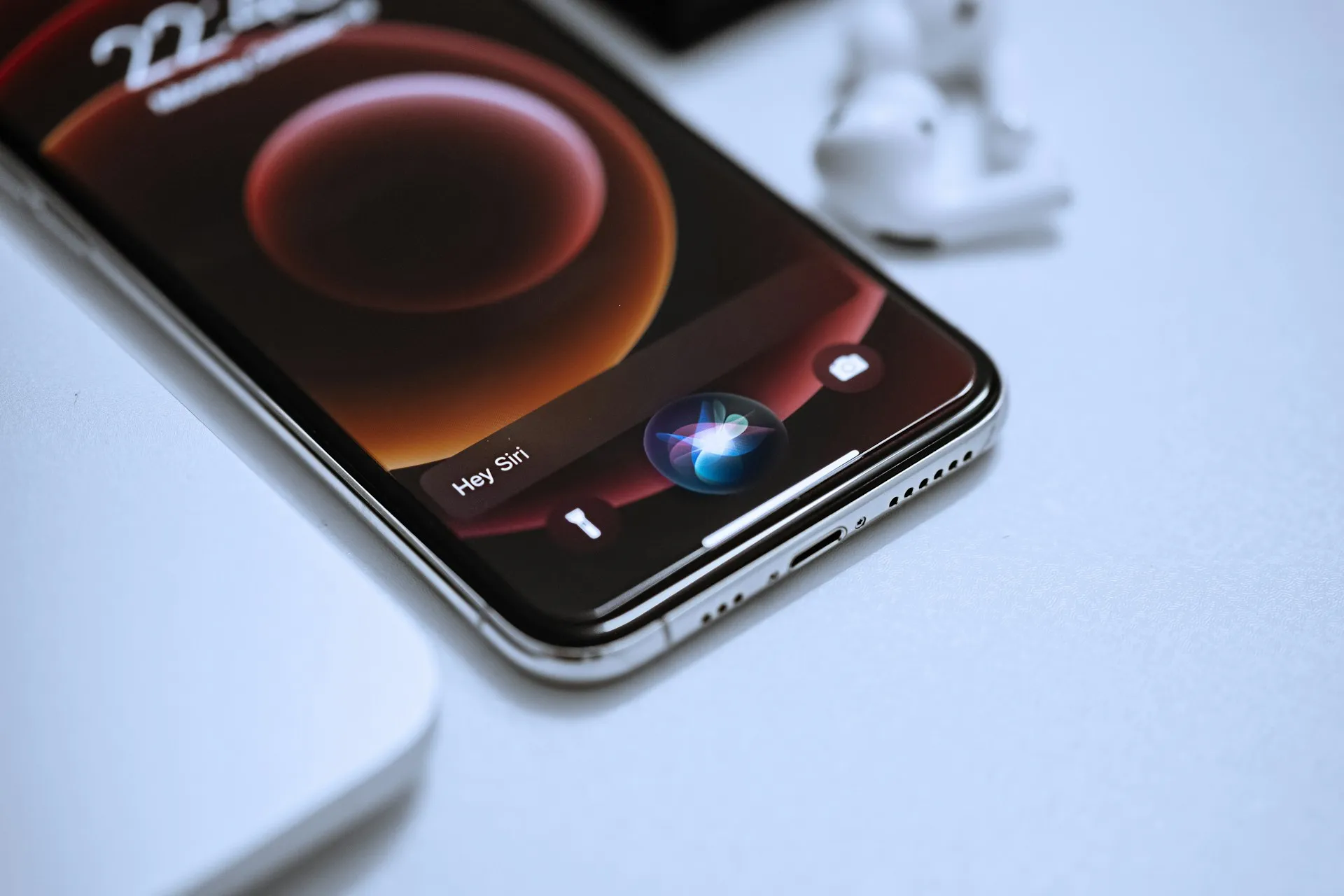
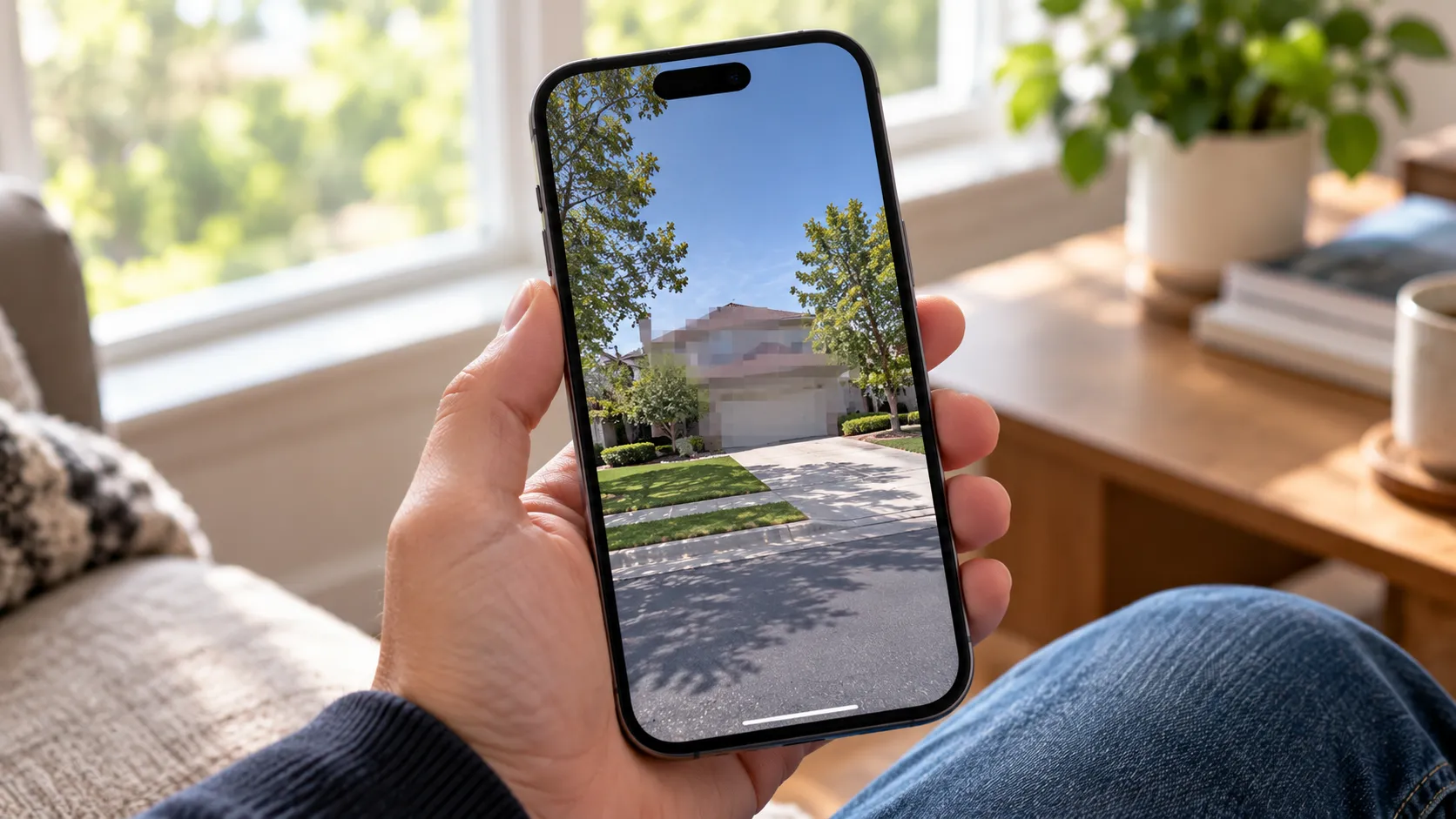
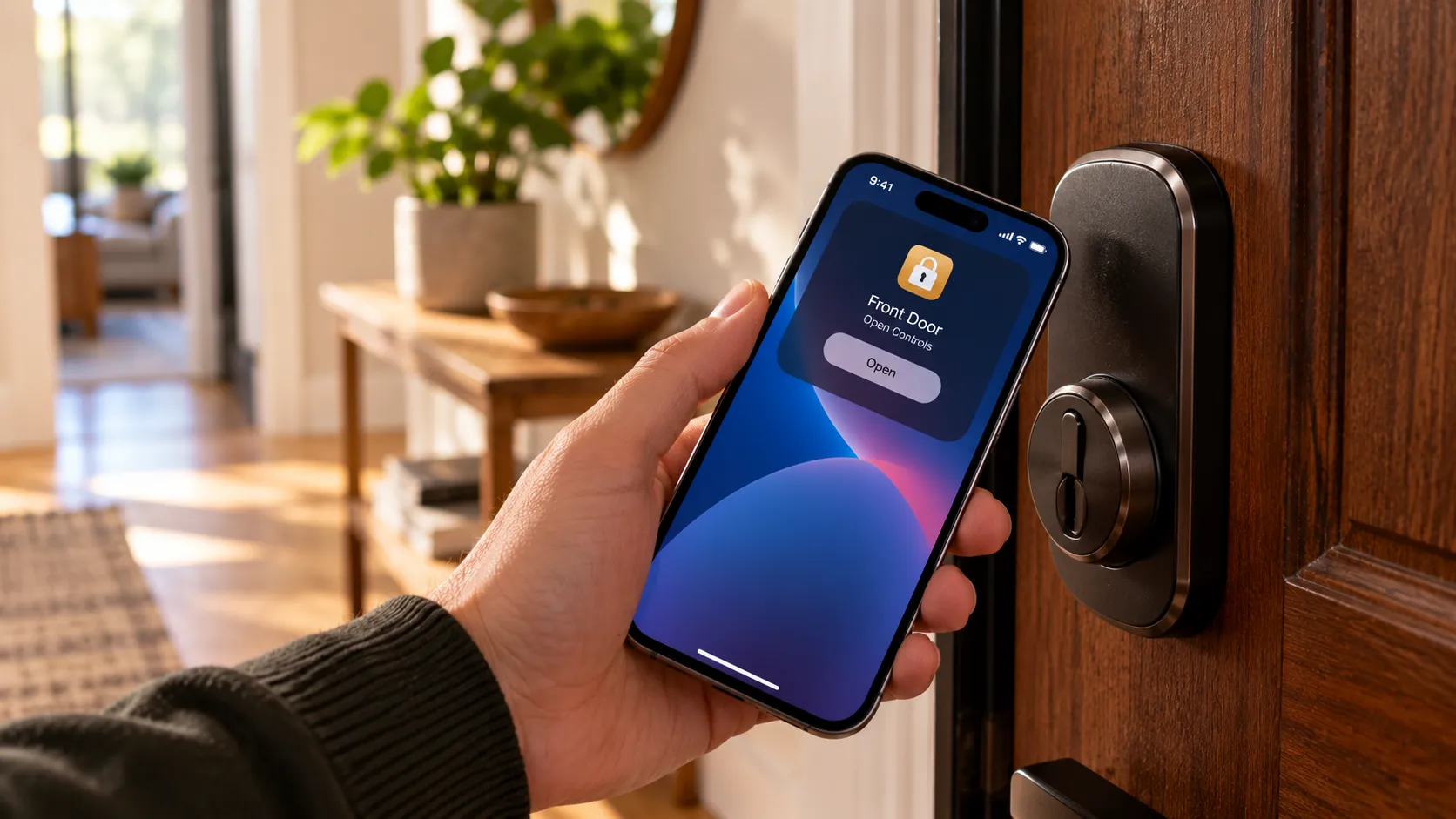
Your iPhone becomes a live F1 command center through several integrated features. The free Apple Sports app will deliver live leaderboards, real-time standings, and dedicated home screen widgets for every race weekend. But here's what's truly revolutionary: your iPhone lock screen becomes a live F1 dashboard, pushing qualifying updates and race alerts without opening any apps.
This level of integration fundamentally changes fan behavior patterns. Instead of F1 being confined to Sunday afternoons, it becomes woven into your everyday interaction with Apple's ecosystem—whether you're checking race schedules in Apple Maps, listening to F1-curated playlists on Apple Music, or getting F1-specific training content through Apple Fitness+ during off-season months. This transforms F1 from event consumption to lifestyle integration.
The accessibility component strengthens this approach significantly. While everything streams on Apple TV for subscribers, Apple will make every practice session and selected races free-to-air, ensuring broader reach even as the sport moves away from traditional linear television. Additionally, F1 TV Premium becomes available exclusively through Apple TV subscriptions at no extra cost, effectively bundling F1's premium service into the standard Apple TV offering—a value proposition that makes the ecosystem integration even more attractive.
The technology revolution behind the cameras
Apple's approach to F1 coverage goes well beyond traditional broadcasting—they're fundamentally reimagining how motorsport is captured and presented. Apple has built custom camera systems—essentially modified iPhone 15 Pro sensors designed to survive 220 mph speeds and 5G cornering forces while shooting ProRes Log footage. This represents Apple's mobile-first broadcast philosophy applied to the most technologically demanding sport on the planet.
The data convergence becomes fascinating when you consider what teams generate during a typical session. teams collect terabytes of telemetry per weekend (commonly ~1–2 TB per car per weekend) and run billions of simulations before races (sources report ~4–6 billion simulations) through networks of real-time sensors, while the team runs nearly four billion Monte Carlo simulations using Oracle Cloud Infrastructure before race weekends.
Here's where it gets particularly exciting for American audiences: Red Bull's partnership with Ford marks the return of the American manufacturer to F1 after a 22-year absence. This means the convergence enables something revolutionary—Red Bull's sophisticated data collection capabilities become the foundation for Apple's broadcast innovations, while showcasing American technology and engineering returning to F1's pinnacle precisely as Apple transforms the viewing experience.
Apple also confirmed that Multiview is coming along for the ride, allowing viewers to watch the main feed, a driver's POV, and data streams all at the same time on your Apple TV 4K, iPad, or Vision Pro. Imagine having live telemetry, multiple camera angles, and race strategy information all synchronized across your devices—it's a completely different way to understand the incredible complexity happening at 220 mph.
Why this deal represents a seismic shift in sports media
The financial implications tell only part of the story, but they're worth understanding. Apple's five-year agreement is reported to be in the region of $140m per year, representing a 65% uplift on the previous ESPN deal, while ESPN currently pays an average of about $85m per season for the rights. But this investment reflects a fundamental shift in how we value sports media reach.
F1's Ian Holmes explained that Apple's deal for Formula 1 rights in the United States will come to redefine how the sports industry thinks of 'reach' when it gets under way next year. Traditional television ratings become less relevant when you consider Apple's ecosystem touchpoints. As Holmes noted, focusing purely on average live ratings is a two-dimensional and linear way of looking at things.
The demographic alignment is particularly strategic for advertisers and sponsors. The 2025 Global F1 Fan Survey found that 47 percent of new US F1 fans are aged 18-24 and more than half are female, perfectly matching Apple's ability to reach a diverse range of consumers across its powerful ecosystem. This demographic represents higher disposable income, tech-forward consumption patterns, and social media amplification potential—exactly what premium brands covet in sports partnerships.
The partnership builds on proven entertainment success. Apple has already demonstrated its approach with F1: The Movie, which grossed $630m at the cinema and is set for release on Apple TV on December 12. The film served as both content and sophisticated marketing pitch, demonstrating Apple's commitment extends well beyond traditional broadcast rights into comprehensive entertainment ecosystems.
What this means for the future of sports entertainment
This partnership signals a fundamental shift in how sports integrate with our daily digital lives. The F1 story should have more opportunities to cut through during the week rather than relying on the limited exposure of a single race broadcast, and this agreement positions F1 to meet those behaviours head on.
What's particularly intriguing for the broader sports industry is how this agreement represents a clear doubling down on the economics of live sport by Apple, while simultaneously showing how sport, entertainment and technology can converge to reimagine how fans are reached and engaged. Other sports properties are undoubtedly studying this model's economics and engagement metrics closely.
The global expansion implications are becoming apparent. In the UK, where the sports rights market is highly competitive, this move by Apple adds another dimension, suggesting potential international expansion as existing broadcast agreements expire worldwide. The partnership extends until 2030 in the US, but Apple's global platform infrastructure makes international expansion a logical evolution.
Here's what you need to know: Starting in March 2026, when the new F1 hub hits Apple TV right before the first race weekend, we'll see whether Apple's ecosystem-integrated approach can truly redefine sports media consumption. With Apple promising that more details on production and 'product enhancements' are coming in the next few months, this represents just the beginning of what could be a much larger transformation in how live sports integrate with our daily digital experiences.
The convergence of Apple's technology ecosystem with Formula 1's data-rich, globally appealing sport creates something unprecedented: a year-round, multi-platform sports experience that flows seamlessly between your TV, phone, watch, and potentially Vision Pro. Whether this model succeeds will depend on execution, but the ambition is clear—Apple isn't just broadcasting F1, they're reimagining what sports entertainment can be when technology, American manufacturing heritage, and motorsport excellence converge in a connected world.




Comments
Be the first, drop a comment!