





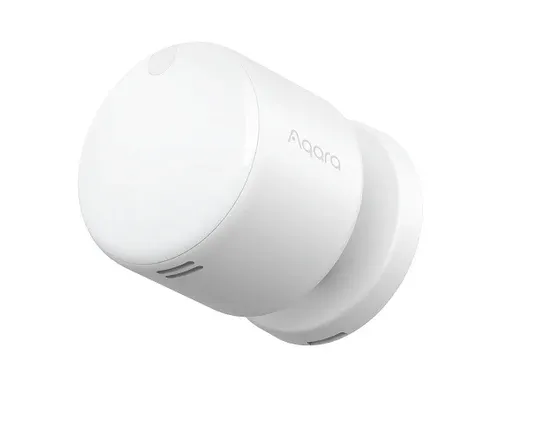
Looking at the Aqara FP300 Presence Multi-Sensor, it's clear this isn't just another motion detector. This little device packs some serious smart home firepower into a wireless package that could finally solve those frustrating automation hiccups we've all experienced. The combination of advanced sensing technology with Thread and Matter support makes this a compelling addition to any HomeKit setup, especially when you consider the broader implications for smart home reliability.
What sets the FP300 apart starts with its dual detection approach. The device merges traditional PIR sensing with millimeter-wave radar technology to detect both movement and stationary presence, according to 9to5Mac. This hybrid approach eliminates the classic smart home frustration where lights turn off while you're reading because traditional PIR sensors can't detect the subtle movements of page turning or breathing—the PIR handles quick wake-ups while mmWave maintains awareness even when someone sits still at a desk or reads quietly. Beyond presence detection, the sensor includes environmental monitoring for light, temperature, and humidity levels, according to BGR, essentially functioning as a room's central intelligence hub.
Why Thread support actually matters for presence sensors
The FP300's Thread connectivity addresses a fundamental challenge with presence detection: speed and reliability. Presence automations need instantaneous response times and rock-solid communication that doesn't depend on Wi-Fi range. Thread delivers low-power, low-latency communication that keeps automations running smoothly.
The sensor's Matter support works hand-in-hand with Thread connectivity, meaning it appears in the Home app like any native HomeKit accessory without requiring additional bridges or hubs. This direct integration eliminates potential points of failure that can plague smart home setups. Real-world testing shows the device maintains response times under 500 milliseconds, according to Bozy, which translates to lights that turn on the moment you enter a room rather than after an awkward pause—a threshold that sits well below human perception limits for seamless automation experiences.
What makes this sensor different from basic motion detectors
Traditional PIR sensors excel at detecting movement but fail when motion stops, even if someone remains present. The FP300's mmWave technology solves this fundamental limitation by detecting micro-movements and breathing patterns that indicate continued occupancy, as explained by Spice Home Tech. The sensor covers a 120-degree field of view with detection reaching up to 6 meters, according to BGR, providing comprehensive room coverage from a single installation point.
While mmWave solves the stationary detection problem, the environmental sensors add contextual intelligence that makes automations smarter rather than just more responsive. Temperature and humidity data enable climate control automations, while ambient light measurements allow for intelligent lighting adjustments based on natural light conditions.
More importantly, these readings can enhance presence detection accuracy—temperature changes can indicate recent occupancy even when presence isn't detected, while humidity spikes from showers can extend absence delays to account for steam-related interference. Testing shows these environmental readings remain consistent and accurate compared to dedicated sensors.
Battery life and installation flexibility
One of the FP300's standout features is its completely wireless design powered by two CR2450 coin cell batteries. The two-year Thread battery life becomes even more impressive when you consider that Thread's mesh networking means the sensor can maintain reliable communication even when positioned for optimal detection rather than Wi-Fi coverage, according to HomeKit News. In Zigbee mode, battery life extends to three years. This extended operation eliminates the need for frequent battery changes that plague many wireless sensors.
Installation options include adhesive mounting, magnetic attachment, or traditional screw mounting. The magnetic stand design makes wall or metal surface installation particularly straightforward. This flexibility means you can position the sensor optimally for room coverage without being constrained by power outlet locations—a game-changer for spaces like hallways, closets, or guest rooms where power access is limited.
Getting started: setup and optimization tips
The FP300 ships with Thread firmware by default, making initial setup as simple as scanning the Matter QR code with the Home app or any compatible controller. The device appears instantly with occupancy, temperature, humidity, and light sensors ready for automation use, as noted by Bozy.
Pro tip: Position the sensor at shoulder height, facing the main room entrance, to maximize radar coverage and minimize furniture-related blind spots. This specific height optimizes the mmWave radar's ability to detect breathing patterns while ensuring PIR sensors catch movement at natural walking heights, creating overlapping coverage zones that eliminate detection gaps. Advanced users can switch to Zigbee mode for additional configuration options through the Aqara Home app, including adjustable sensitivity settings, detection range customization, and sensor reporting intervals.
Where smart home automation heads from here
The FP300 represents a significant step forward in making smart home presence detection both reliable and accessible. Its combination of advanced sensing technology, wireless convenience, and broad platform compatibility addresses many pain points that have limited automation adoption. More importantly, battery-powered Thread sensors like the FP300 enable new deployment patterns previously impossible with wired sensors—temporary installations for seasonal spaces, rental-friendly setups that don't require permanent mounting, or quick relocations as living patterns change.
The environmental sensors create opportunities for sophisticated room-based automations that respond to actual conditions rather than simple schedules. Imagine automations that adjust not just based on presence, but also humidity levels that indicate recent showers, temperature fluctuations that suggest open windows, or ambient light changes that reveal time-of-day preferences. This contextual awareness moves smart homes beyond basic on-off switches toward truly intelligent environments.
For HomeKit users looking to upgrade their automation game, the FP300 offers a compelling package that delivers professional-grade presence detection without the complexity or installation challenges of wired alternatives. At around $50, it provides excellent value for a sensor that could transform how your smart home responds to daily life—and with Thread's future-proof foundation, it's ready for whatever smart home innovations come next.











Comments
Be the first, drop a comment!