




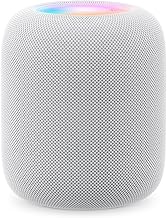
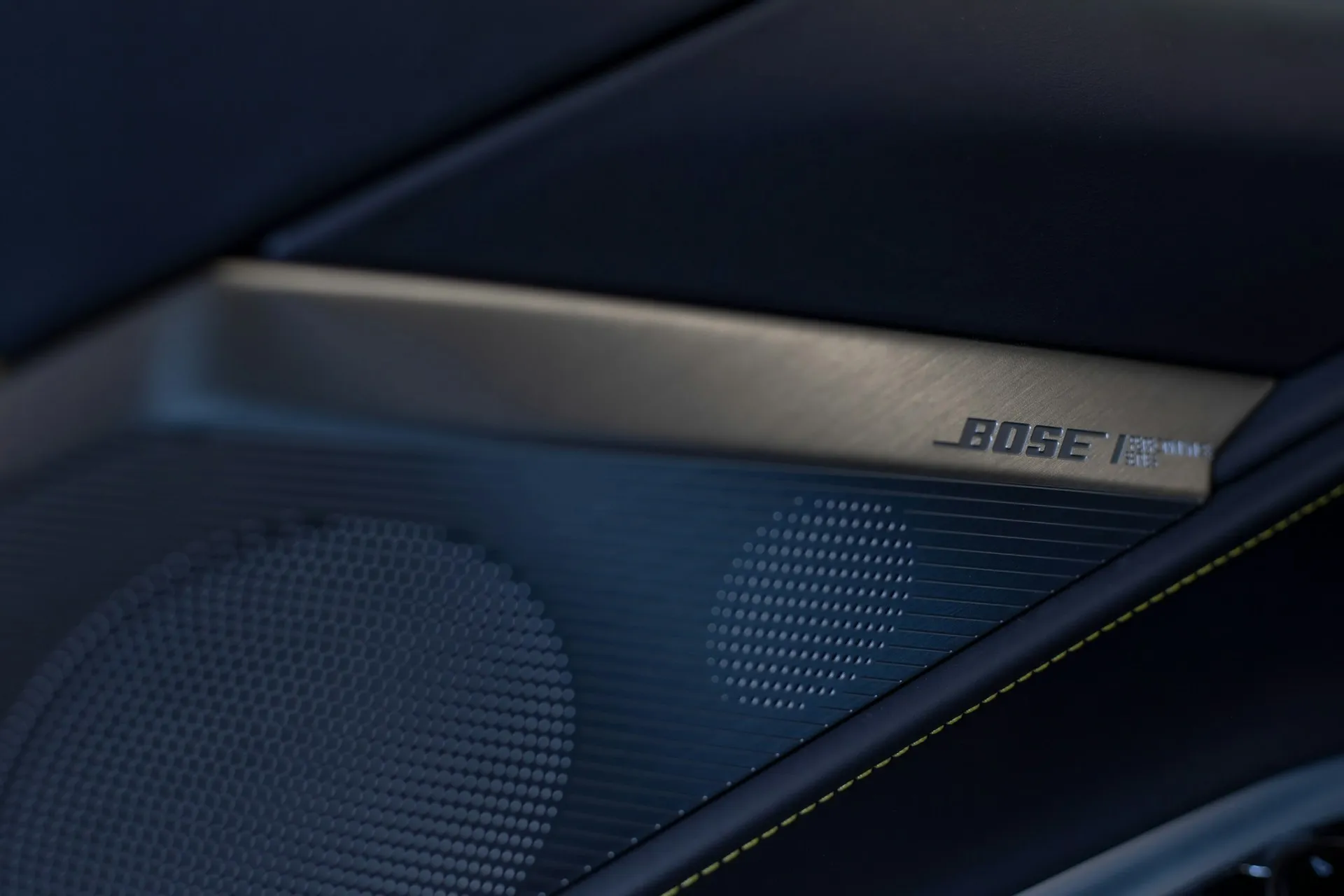
Bose is reportedly developing a new line of AirPlay-enabled speakers under a revived Lifestyle brand targeting buyers who want premium home audio with iPhone compatibility but without a full smart-home commitment. No official announcement, product page, or spec sheet has been released. If the reports prove accurate, the move would put Bose in direct competition with Apple's $299 HomePod, in the same segment Apple recommitted to in early 2023 after a two-year absence from the full-size market.
Apple discontinued the original full-size HomePod in March 2021 and spent nearly two years selling only the $99 HomePod mini before returning with a second-generation model. That relaunch confirmed there's a durable market for premium home speakers. Bose, if the reports hold, is betting it can carve out a share of it.
What's confirmed, what isn't, and why Bose AirPlay speakers would matter
The core problem with evaluating the reported Lifestyle lineup is that the most consequential details remain unknown.
Pricing is the obvious one. The HomePod's $299 entry point sets the market reference; where Bose lands relative to that number will determine whether an audio-first pitch reads as a real alternative or an expensive non-starter.
The specifics of AirPlay implementation haven't been detailed publicly. AirPlay 2 supports multi-room grouping, stereo pairing, lossless audio handling, and Home app integration, but not every device that carries the protocol implements the full feature set. Whether the reported Lifestyle speakers would support all of those capabilities hasn't been addressed in available materials.
There's no indication yet of whether Bose is pursuing Matter or Thread integration. That choice carries real consequences for how the product would compare to HomePod, which supports Matter and Thread and can act as a home hub. Opting out entirely would sharpen an audio-only positioning; partial integration would make the comparison considerably messier.
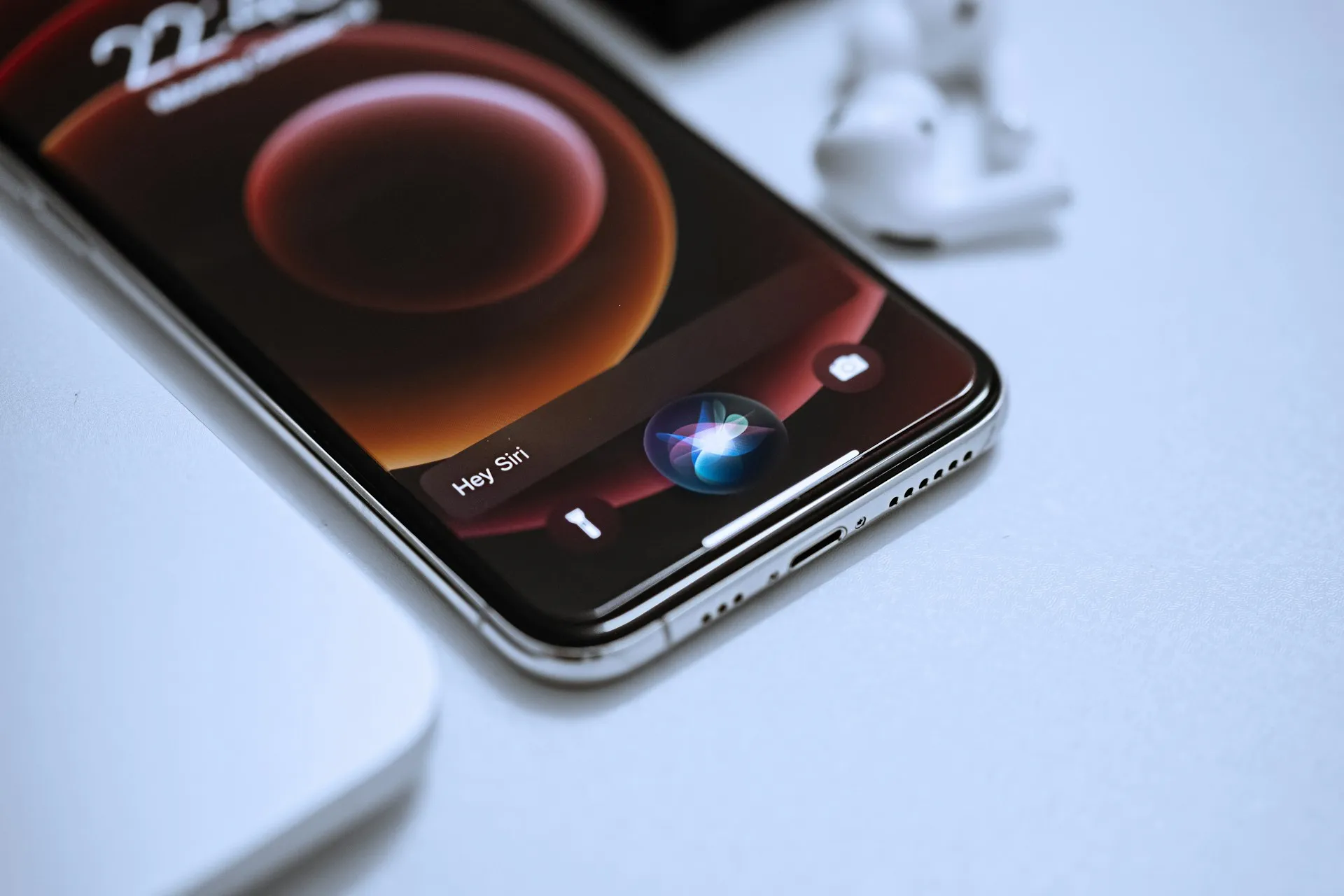
Voice assistant support is similarly unconfirmed. Bose has not publicly indicated whether any voice assistant would be included, and what gets announced there matters for how well these speakers would actually function within an Apple-centric home. A speaker that works with AirPlay but requires a phone to change the volume is a different product from one with capable hands-free control.
These aren't secondary details. They're the variables that would separate a genuine HomePod alternative from a well-branded speaker with an AirPlay badge.
What Apple is actually selling with the HomePod
Understanding the reported Bose pitch requires understanding Apple's. The HomePod's strongest selling points aren't purely acoustic.
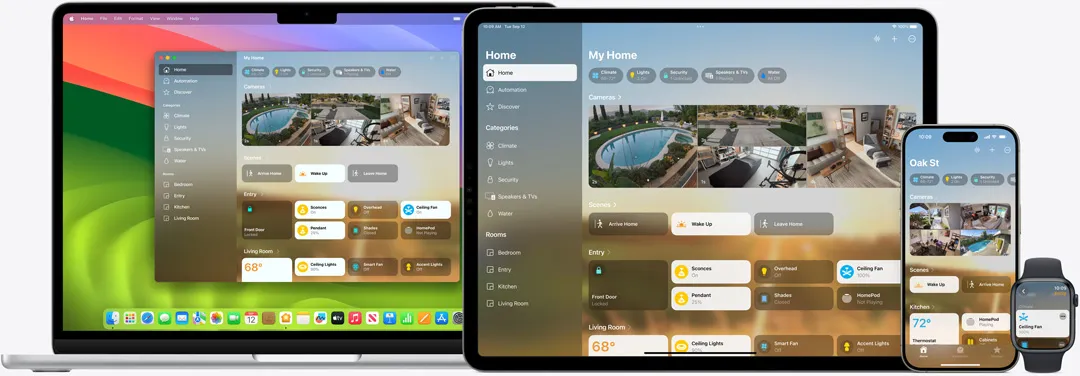
The second-gen model functions as both a Matter controller and a Thread border router, giving it a practical role as home-network infrastructure beyond music playback. The $299 version and the $99 HomePod mini now share the same smart-home capabilities. A buyer choosing HomePod gets a speaker and a network node.
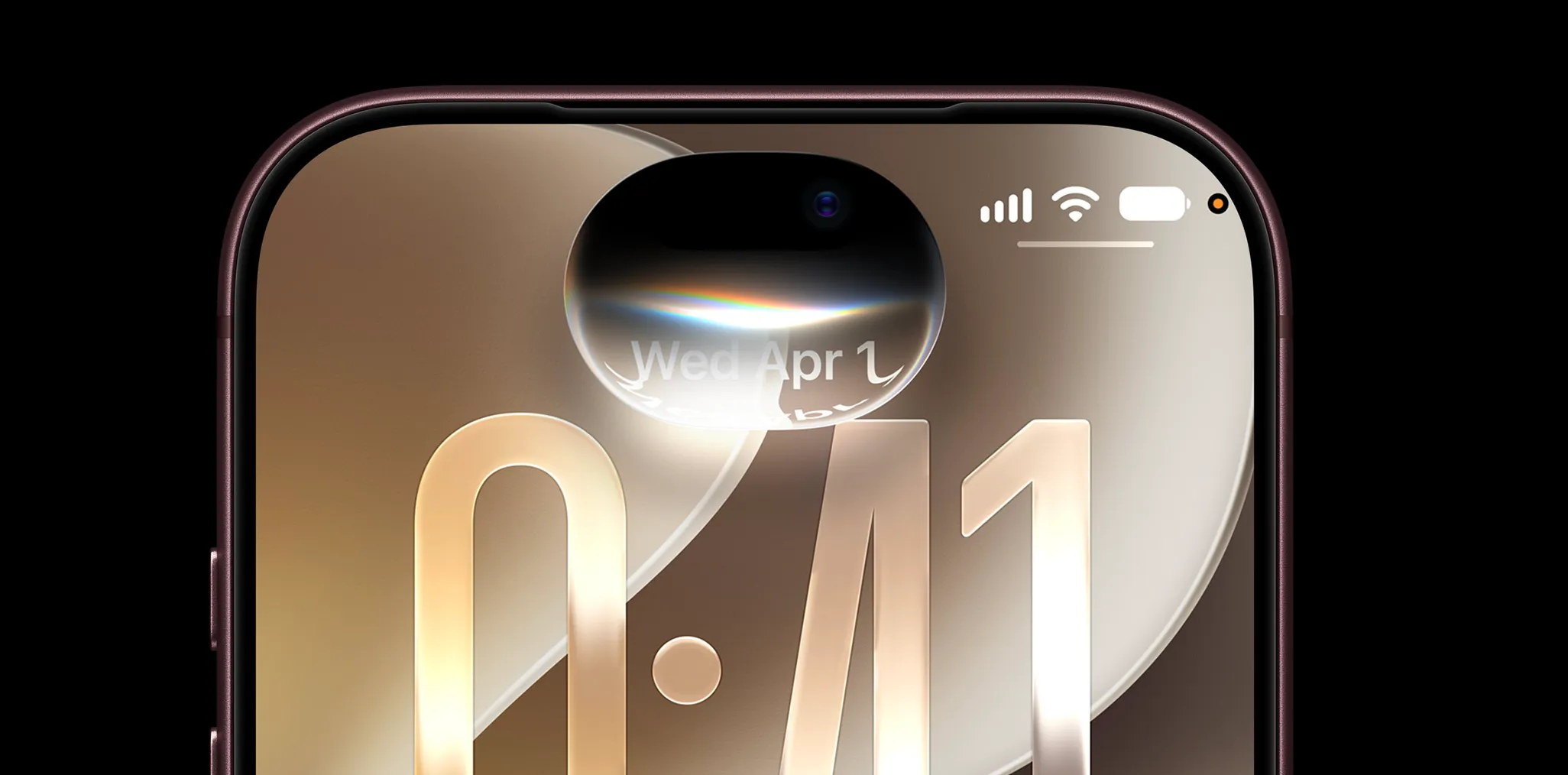
Apple layered in further ecosystem depth with a U1 Ultra Wideband chip, Dynamic Island handoff support for iPhone 14 Pro models, and built-in temperature and humidity sensors, per the same review. Those features matter most if you're already running Apple's home stack. For anyone who isn't, they're nice-to-haves at best.
The second-gen model did arrive with some quiet hardware tradeoffs relative to its predecessor: five beamforming tweeters instead of seven, four microphones instead of six, and apparently a downgrade from Wi-Fi 5 to Wi-Fi 4 tied to the switch to Apple's S7 chip. Those concessions don't undermine the HomePod. The acoustic performance held up, but they do leave room for a competitor whose primary argument is sound quality. Apple optimized for ecosystem fit; Bose, if the reports are right, is optimizing for the listening experience itself.
Apple's proposition is vertical integration. The HomePod earns its price most fully when surrounded by other Apple hardware and managed through HomeKit. A Bose AirPlay speaker positioned as audio-first, without requiring buyers to commit to that stack, would be arguing from a fundamentally different starting point.
What Bose's engineering base suggests about the reported positioning
Bose holds 3,484 live patent assets spanning loudspeaker hardware, digital signal processing, spatial audio, and wireless connectivity, per an analysis by IP research firm IIPRD published last month. The technical foundation behind the Lifestyle name is substantially deeper than when the brand last appeared.
Through the 1990s and early 2000s, Bose averaged 30 to 60 priority patent filings per year, consistent with protecting core acoustic hardware, according to IIPRD. Then came a significant shift: between 2013 and 2019, annual filings regularly exceeded 300 to 500, driven by digital audio processing, wireless Bluetooth, smart speaker systems, and AI-assisted sound profiling. That's a company that spent the better part of a decade building exactly the capabilities a premium AirPlay speaker would need to compete on sound.
The distribution of that portfolio is telling. The largest cluster, more than 2,791 patents in loudspeakers, microphones, and transducers, sits alongside 359 in stereophonic and spatial audio systems and 208 in speech and audio signal processing, per the same IIPRD report. The 529 patents protected across 21 or more jurisdictions globally represent what IIPRD identifies as Bose's most strategically critical inventions, foundational acoustic engineering, and platform-level wireless audio protocols deemed significant enough to warrant maximum international coverage.
None of that guarantees a strong product. Engineering depth and product execution are different things, and Bose has had mixed results translating R&D investment into smart speaker success in the past. But the concern with a revived Lifestyle line isn't whether Bose knows how to build speakers. It's whether they can price them competitively and ship them.
The comparison that will sharpen when details arrive
If the reported speakers arrive near the HomePod's $299, the buyer's choice comes into focus quickly. HomePod buyers at that price get Apple's full smart-home stack: Thread routing, Matter control, Siri, tight iPhone handoff, and audio quality. For buyers who want their speaker to double as home infrastructure, the investment makes sense inside an Apple home.
The reported Bose positioning targets a different kind of buyer: someone who carries an iPhone and streams through Apple Music but hasn't built their living room around HomeKit. That buyer doesn't need Thread routing. They need a speaker that sounds better than what they have, connects to AirPlay without friction, and doesn't ask them to reorganize their home network around it. AirPlay compatibility without ecosystem dependency is a coherent argument, particularly for Apple-adjacent users who want the protocol's convenience without the platform commitment.
What remains unknown is whether Bose can make that argument land at a price that doesn't instantly lose the comparison. Full AirPlay feature support, voice assistant strategy, and actual acoustic performance are all still unconfirmed. When pricing and specs surface, the Lifestyle revival will either look like a well-timed move into an underserved niche or a premium product with nowhere obvious to sit in the market. Until then, those questions stay open.


Comments
Be the first, drop a comment!