





Google has closed one of the more frustrating gaps in its video platform. iPhone and iPad users without the Meet or Gmail app installed can now join Google Meet calls directly through Safari, with no download required and no Google account needed. If you've ever tried to join Google Meet on iPhone without the app and hit a dead end, that block is now gone.
The before-and-after is stark. Until this update, iOS users without Meet or Gmail installed had no path to a call on mobile at all. Tap a link, enter your name, and request access. That's the entire flow now.
Meet has positioned itself as a web-first service, but it has required a native app for iPhone users all along. Today's update brings the product into alignment with that claim, at least for guests and anyone who keeps their iPhone clear of Google apps.
What the change actually does on Safari for iPhone
The mechanics matter here because this is not a blanket switch to browser-based calls for everyone. It's a targeted fallback.
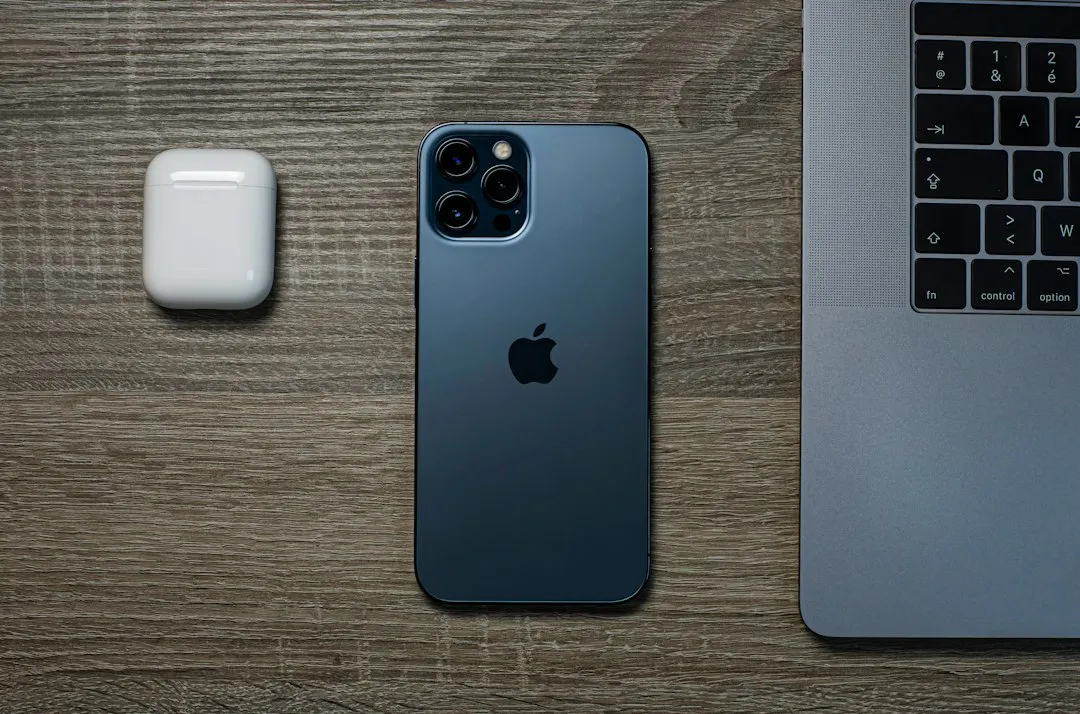
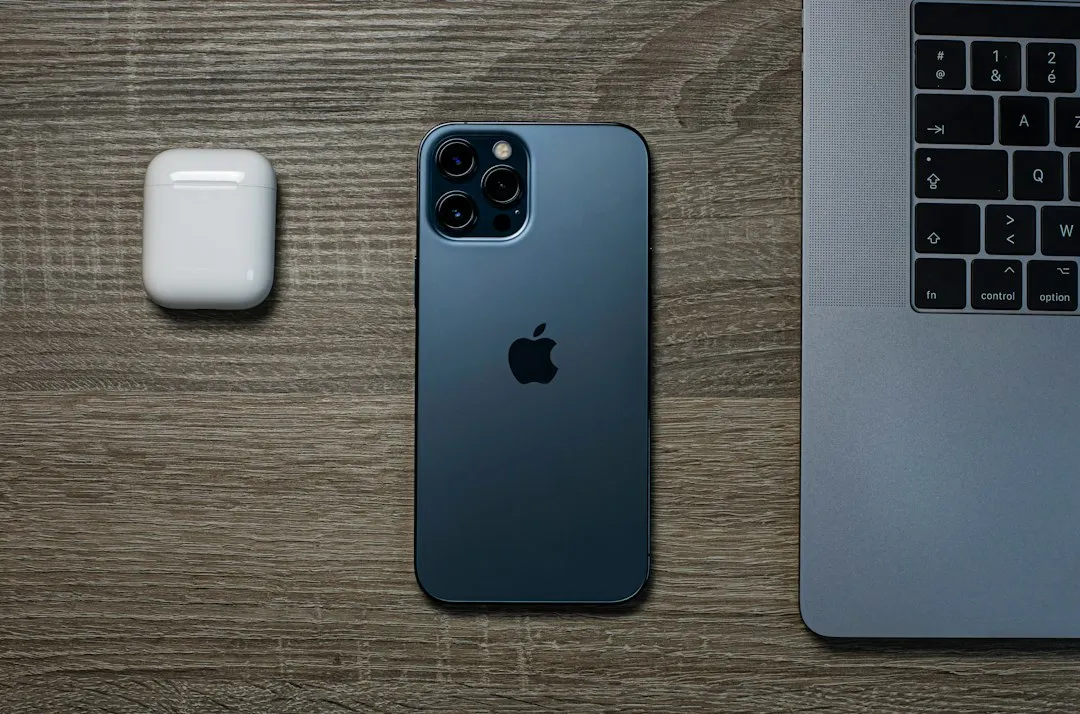
If a Meet link is tapped on an iPhone or iPad where neither Meet nor Gmail is installed, the call opens in Safari automatically. Users who already have either app installed are routed through those apps as before. Nothing changes for them.
For everyone else, the entry flow is minimal. Enter a name, request to be admitted, and join. No Google account required. Google describes the process as seamless, though the announcement does not specify which in-call features are available through the browser. Whether capabilities like background blur or noise cancellation carry over from the app is unconfirmed. Access is confirmed; feature parity with the app is not.
Because most iOS browsers still use WebKit, the engine that powers Safari, support likely extends to other iOS browsers as well. That's their read of the technical architecture, not a claim Google has made directly. Google's own announcement focuses specifically on Safari.
Who this actually fixes things for
The most straightforward case is the one-off guest. A job candidate, external contractor, or client receives a Meet invite. They're on an iPhone with no Google apps installed. Before today, that was a dead end: the call required an app that wasn't there, and there was no browser fallback. Now they tap the link, type a name, and join. No account sign-in, no detour through the App Store.
The iPad case is worth flagging separately. The fix applies to iPad as well. iPad users without either app installed faced the same lockout, and the same Safari path now applies. That's not a minor footnote given how many people use an iPad as a dedicated video call device without loading it up with every app on their phone.
The broader group this reaches is anyone sitting at the edges of Meet's user base: guests, occasional participants, people who received a link without any prior context that they'd need an app to use it. Google's own support documentation, last updated in early 2023, described Meet as "your one app for video calling and meetings across all devices," language that assumed installation as a baseline. The Safari fallback shifts that posture, even if only at the guest and no-account-user level for now.
That shift has practical implications for how organizations use Meet. When a company sends a Meet link to an external participant, it has historically been sending them an implicit instruction: install this app first. That friction falls on the recipient, not the sender. Browser support removes that implicit requirement, which matters most in contexts where participants are unlikely to have set up Google apps in advance, such as recruiting calls, one-time client meetings, or external collaborations with people outside Google's ecosystem.
How to join Google Meet on iPhone without the app: rollout status
The rollout has started, but may not reach all users simultaneously. The change is server-side and requires nothing from users on their end. Nothing to install, enable, or configure.
What to expect depending on your situation:
No Meet or Gmail installed: Tapping a Meet link should route you to Safari automatically. Enter your name and request access. No configuration needed on your end.
Meet or Gmail installed: Nothing changes. You'll continue to be routed through the app as before.
Still seeing an app prompt with neither app installed: The rollout is staggered. If the Safari option hasn't appeared yet, waiting a day and retrying is the practical step. The web option should surface once the update reaches your account.
What Google still hasn't said
Two open questions are worth tracking. The first is feature parity. Google hasn't specified which in-call tools are available through the browser session on iPhone. Background effects, noise cancellation, and advanced layout controls are standard in the native app. Whether any of those work in Safari is currently unknown. Google's announcement describes the experience as seamless but stops well short of a feature-by-feature comparison.
The second is whether the behavior differs across account types or Workspace tiers. It's reasonable to ask whether a guest joining from a personal Gmail invite gets the same experience as someone joining an enterprise Workspace call, but Google hasn't addressed that distinction in today's announcement.
Those gaps matter for anyone planning to make browser-based calling a regular part of their workflow. For a guest joining a single call on short notice, they're unlikely to matter at all. The problem that needed solving was access, and that's what today's update delivers.
The larger arc here is worth noting. Tools like Google Docs, Drive, and Sheets have worked on iOS through a browser for years, without requiring their respective apps as a precondition for use. Meet is now moving in the same direction, at least for the use case where it was most visibly behind: the new or occasional user who just needs to show up to the call.



Comments
Be the first, drop a comment!