



Apple's recent iOS 26 adoption numbers tell a fascinating story about how users respond to major operating system updates—and how quickly narratives can shift when the data gets messy. The company has confirmed that iOS 26 now sits at roughly 50% adoption among compatible devices, marking a notable milestone just months after launch. But here's where it gets interesting: that figure initially appeared far lower in third-party analytics, sparking a wave of speculation about whether users were actively avoiding the update. The reality turned out to be more nuanced, involving everything from browser fingerprinting protections to Apple's own careful rollout strategy.
The adoption rate itself lands somewhere between impressive and concerning, depending on which lens you use. Data from multiple sources now converges around that 50% mark—StatCounter reports 52.6% after correcting their methodology, while TelemetryDeck places it at 54.8%. For context, iOS 18 reached approximately 63% adoption at the same point in its lifecycle, and iOS 16 hit 62% during a comparable window. So while iOS 26 isn't exactly lagging catastrophically, it's definitely trailing the pace set by recent predecessors—about 13 percentage points behind iOS 18 and 12 points behind iOS 16.
This isn't the disaster some early reports suggested, but the gap is meaningful. It suggests Apple is deliberately pacing this rollout differently than previous years, likely because iOS 26 represents something more than just another incremental update. The controlled adoption curve we're seeing reflects careful management of a major visual overhaul, not user rejection of the platform itself.
Why the numbers were wrong (and what that reveals about iOS 26)
The initial reports claiming iOS 26 adoption hovered around 15% weren't just slightly off—they were fundamentally broken, and the reason why matters. StatCounter's analytics were misidentifying iOS 26 devices because of Apple's anti-fingerprinting measures in Safari. Specifically, iOS 26.2 was being reported as iOS 18.7, and iOS 26.1 as iOS 18.6. This wasn't a bug—it was a feature.
PRO TIP: Fingerprinting is a sneaky advertising-tracking technique that identifies a device by quietly collecting a combination of technical signals—screen size, fonts, operating system version, IP address patterns, and other configuration details—rather than relying on traditional identifiers like cookies that users can actually block. If an advertising company can fingerprint devices, they can track users and serve targeted ads, completely defeating the purpose of Apple's App Tracking Transparency. And here's the kicker: users can't opt out of fingerprinting.
Apple deliberately obscures operating system version information to make device fingerprinting harder, protecting users from being tracked across the web without their consent. The unintended consequence? Analytics services that rely on browser user agent strings were counting the vast majority of iOS 26 traffic as iOS 18. StatCounter applied a patch on January 19 to correct their tracking methodology, and the reported adoption rate immediately jumped from that implausibly low 15% figure to over 50%.
But here's what makes this especially problematic: their historical data remains incorrect, meaning all those months of supposedly sluggish adoption were never real. The only devices being accurately counted before the fix were those using non-Safari browsers like Chrome—roughly 15% of the total. This whole episode underscores how privacy protections can create unexpected challenges for measuring platform adoption while also highlighting the increasing sophistication of Apple's anti-tracking measures. As Apple continues strengthening fingerprinting protections, analytics firms will need to develop new methodologies that respect privacy while providing accurate platform insights—a challenge that affects everyone from developers planning feature rollouts to security researchers tracking vulnerability exposure across the installed base.
What users actually think about updating to iOS 26
Even with the corrected adoption figures, user sentiment reveals significant hesitation around iOS 26. A SellCell survey of 2,000 U.S. iPhone users found that while 78% reported updating to iOS 26, 72% expressed at least one concern or hesitation about the update. That's a striking disconnect—most people updated, but most people also had reservations. The survey data paints a picture of cautious adoption rather than enthusiastic embrace.
The specific concerns break down in revealing ways:
- Battery life topped the list at 24.2%, followed closely by performance worries at 23.8%
- 17.5% of users dislike the Liquid Glass translucent interface or find it affects readability
- 8.6% are frustrated they can't fully disable it
- 15.0% worry about the difficulty of reverting once iOS 26 is installed
- 11.4% cite reports of bugs or features breaking
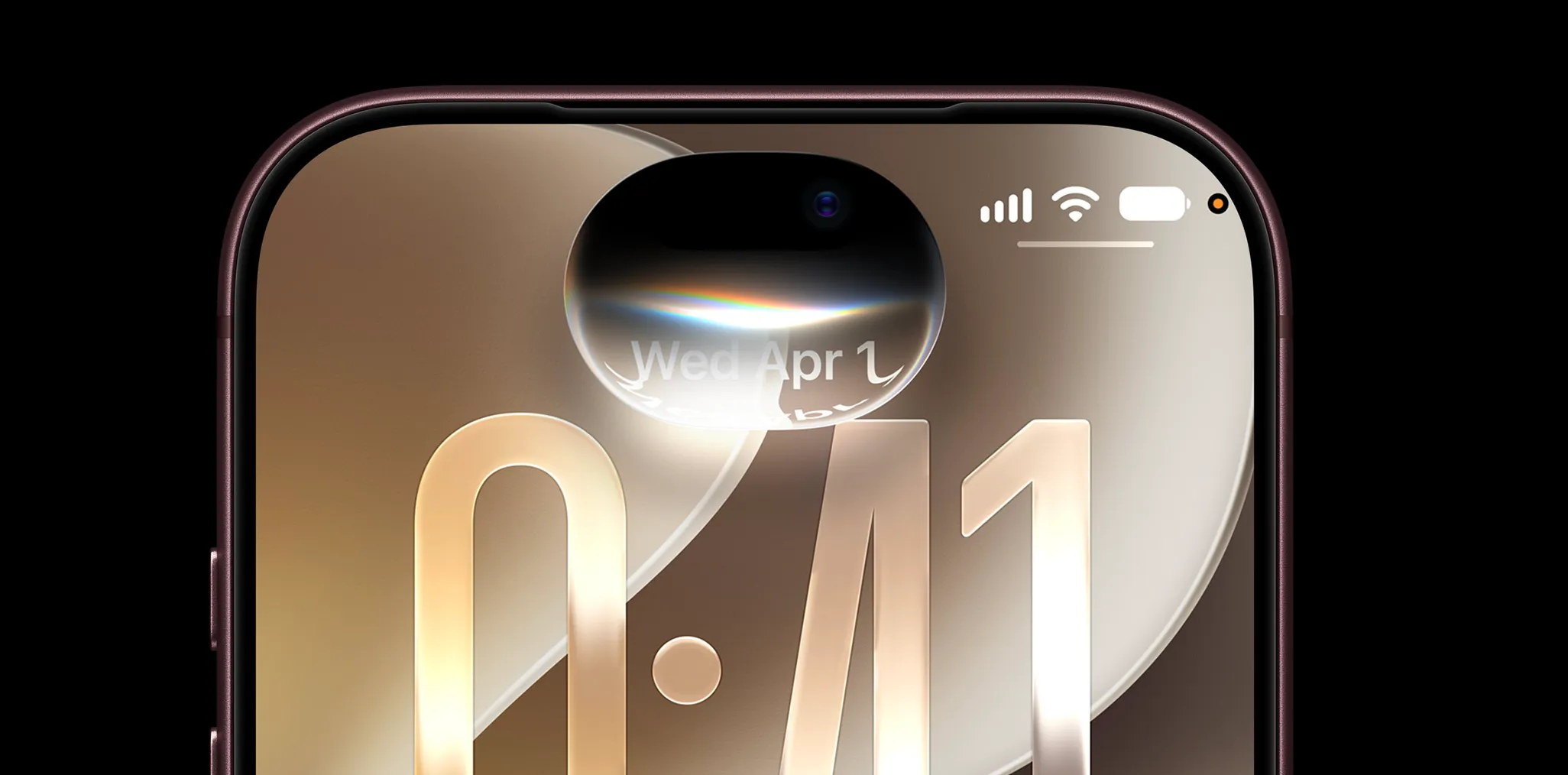
These perennial iOS update fears about battery life and performance persist despite Apple's generally solid track record on optimization. The persistence of these concerns suggests Apple's optimization messaging hasn't reached users effectively, or that past experiences with buggy .0 releases have created lasting caution that even iOS 26's relatively stable launch hasn't overcome. But iOS 26 introduces something new to worry about: the Liquid Glass redesign. The Liquid Glass interface replaces large portions of the traditional opaque interface with translucent layers, blurred backgrounds, and dynamic depth effects across system elements—a fundamental visual overhaul, not just a tweak here and there. More than a quarter of users expressing design-related concerns represents an unusual level of aesthetic pushback for an iOS update.
Perhaps most telling: only 38.8% of users update immediately when prompted. So why the hesitation? The remaining 61.2% employ various delay tactics—27.2% wait to see if others report problems, demonstrating how social proof dynamics shape tech adoption behavior. This "wait and see" approach reveals that more than a quarter of iPhone users treat early adopters as unwitting beta testers, monitoring tech forums and social media for warning signs before committing to the update themselves. Meanwhile, 13.4% assume updates happen automatically, 9.5% actively dismiss update reminders, and smaller shares wait months or only update when an app stops working.
Among the 22% who haven't upgraded at all, the reasons are surprisingly mundane: 28% were unaware iOS 26 was available, 23.7% assumed automatic updates would handle it, and 23.3% simply hadn't gotten around to it. These aren't people actively resisting iOS 26—they're simply operating in a passive relationship with updates where iOS versions are something that happens to their device rather than a choice they consciously make, highlighting how automatic updates have fundamentally shifted user engagement with platform evolution from active decision-making to passive acceptance.
How iOS 26 adoption compares across the ecosystem
The adoption velocity becomes clearer when you zoom out to the full picture. TelemetryDeck data shows iOS 26 jumped from under 5% to over 29% in the three weeks following launch, then climbed more gradually to around 40.5% by the end of November. A December push brought it to approximately 55% by year-end, and it reached 66.53% by the end of January. That trajectory shows steady growth, but the pace differs from previous years in multiple distinct ways: the initial surge was smaller, the mid-cycle plateau lasted longer, and the year-end acceleration required more deliberate pushing than previous releases.
Wikipedia's usage statistics—which represent a genuinely broad web audience spanning casual users, students, and researchers rather than the tech-enthusiast demographics that skew other analytics—confirm iOS 26 sits at 50% in January 2026. This validation across different audience segments suggests the slower adoption is systemic rather than concentrated in any particular user group, affecting everyone from early adopters to mainstream users. Meanwhile, iOS 18 still accounts for 28.37% of devices as of late January, showing that a substantial user base remains comfortable on the previous version.
The pattern suggests Apple is deliberately slow-rolling automatic updates to iOS 26, spreading them across multiple waves rather than pushing them all at once. For years now, Apple has steered users during device setup to adopt settings that allow OS updates to happen automatically, including updates to major new versions. This means Apple fundamentally controls the adoption rate through how aggressively they push automatic updates. The second wave was delayed by about two weeks compared to previous years, and a third wave started midway through January—a staggered approach that gives Apple more granular control over rollout stability than the broader waves used for iOS 18.
This controlled approach makes sense given iOS 26's significant visual overhaul—Apple likely wants to ensure stability and gather feedback before pushing the update to users who might not actively choose to install it. The result is a different adoption curve than we've seen before, but one that Apple clearly controls through its automatic update timing. A large majority of users of all Apple devices get major OS updates when, and only when, their devices automatically update.
What this means for developers, security, and the platform's future
The iOS 26 adoption story carries implications that extend well beyond raw percentages. For developers, the 50% adoption rate creates a complex calculus around when to require iOS 26 as a minimum version. Historically, maintaining backward compatibility across multiple OS versions was considered essential, where developers typically supported platforms released three to four years prior. Supporting legacy platforms imposes real costs—increased development complexity, testing overhead, and security vulnerability exposure—that must be weighed against reaching users who resist updating.
But that calculus is shifting. Major app publishers have begun announcing plans to require iOS 26 for new features, some as early as Q2, betting that Apple's controlled rollout will push adoption high enough by then to justify abandoning iOS 18 support. This aggressive timeline would have been unthinkable just a few years ago, but it reflects growing confidence in Apple's ability to drive adoption even when the current pace trails previous years. iOS 26 introduces new frameworks and APIs that enable capabilities previously impossible or impractical on older platforms, including advanced machine learning features, enhanced privacy controls, and improved integration with Apple's expanding ecosystem. Developers who commit to iOS 26 as a baseline can leverage these capabilities without the compromises required to maintain backward compatibility.
This creates an interesting dynamic where developers requiring iOS 26 in Q2—when adoption might only be around 60-70%—will be leaving roughly a third of their potential users behind, a calculation that previously would have been considered commercially unviable but now represents an acceptable trade-off for access to modern platform capabilities.
From a security perspective, the bifurcated situation is more concerning. Apple now continues to support older operating systems with security updates, which removes immediate pressure to upgrade but also means nearly half of all iPhone users aren't benefiting from iOS 26's enhanced security features. The operating system introduces advanced threat detection mechanisms, refined data loss prevention tools, and more granular administrative controls—capabilities that organizations in regulated industries find particularly attractive. These improvements have proven especially valuable to healthcare providers, financial institutions, and government contractors where mobile security compliance requirements continue to intensify.
Corporate IT departments have emerged as unexpected accelerators of iOS 26 adoption, with many organizations fast-tracking deployment schedules specifically for these security improvements. Research indicates organizations running current operating systems experience 40% fewer security incidents, making the case for rapid updates increasingly compelling in enterprise contexts. This creates an interesting dynamic where enterprise users may be on iOS 26 faster than consumers, inverting the traditional pattern where businesses lag consumer adoption due to testing and deployment cycles. High-profile security breaches and sophisticated phishing campaigns targeting mobile users have elevated awareness of digital security risks among both consumers and enterprise decision-makers, making security features a more powerful adoption driver than in previous years.
The broader platform evolution question centers on whether Apple will continue pushing major visual overhauls like Liquid Glass, or whether user resistance will prompt a more conservative approach. The redesign received mixed reviews at WWDC, and user hesitation around the translucent interface is measurable in the survey data. Apple's controlled rollout strategy suggests the company is being more careful than usual, possibly learning from the feedback. The fact that you can turn Liquid Glass off provides an escape hatch for resistant users, but it also signals that Apple recognizes not everyone wants the new aesthetic. Whether iOS 26's deliberate pacing becomes the new template for managing major visual overhauls in future releases remains an open question with significant implications for how Apple balances innovation against user comfort.
Where iOS 26 adoption goes from here
Bottom line: iOS 26 adoption is neither the disaster early reports suggested nor the runaway success of previous iOS versions. At roughly 50% penetration several months post-launch, it's tracking below iOS 18 and iOS 16 but well above the absurd 15% figure that dominated headlines before analytics firms fixed their methodology. The real story isn't about users rejecting iOS 26—it's about Apple managing a more gradual rollout for an update that fundamentally changes how iOS looks and feels.
Apple's demonstrated ability to drive adoption remains a formidable competitive advantage, even when the pace slows slightly. The contrast with Android's fragmented update ecosystem has never been more pronounced, where the latest operating system versions typically struggle to reach even 20% market penetration within six months. For iOS 26 specifically, this divergence means developers can confidently target new frameworks knowing they'll reach a majority of active users within months, while Android developers must maintain compatibility with OS versions spanning five years or more. Device manufacturers, wireless carriers, and application developers all face additional complexity and cost when supporting the Android platform's heterogeneous mix of operating system versions, hardware configurations, and customization layers. These structural disadvantages compound over time, potentially influencing not just developer platform prioritization but enterprise procurement decisions as security-conscious organizations increasingly view rapid, uniform updates as a fundamental platform requirement rather than a nice-to-have feature.
The controlled rollout approach, combined with continued security updates for iOS 18, represents Apple threading a needle between aggressive platform evolution and user comfort. For most users, the question isn't whether to update to iOS 26, but when. The majority of updates happen automatically, meaning adoption will continue climbing as Apple pushes subsequent waves. As developers increasingly target iOS 26's new capabilities through Q2 and beyond, the practical pressure to update will grow organically, making the question less about whether users will adopt iOS 26 and more about whether Apple's deliberate pacing becomes the new template for managing major visual overhauls in future releases.
The adoption curve may be flatter than previous years, but the destination—near-universal adoption among active devices—remains the same. Apple's vertical integration strategy, controlling both hardware and software development, enables a level of optimization and compatibility testing that remains unmatched in the broader mobile industry. The company's track record suggests it will continue pushing the boundaries of what's possible when hardware, software, and services evolution can be tightly coordinated across a user base that rapidly adopts new platform capabilities—even if "rapidly" now means a few extra weeks of careful, controlled deployment for updates that fundamentally reimagine the user experience.


Comments
Be the first, drop a comment!