



Apple seeded the first iOS 26.5 developer beta on March 30, a week after shipping iOS 26.4, and the tight turnaround tells you something: this is a maintenance cycle, not a marquee release. But iOS 26.5 beta 1 has more going on than the cadence suggests.
Encrypted RCS messaging between iPhones and Android devices is back after being cut from iOS 26.4's final build, code buried in the beta reveals Apple is laying groundwork for Maps advertising, and EU regulatory compliance work continues in the background. The absence matters too: Siri's long-promised intelligence upgrade isn't here, and the evidence is mounting that it won't be until September.
Registered developers can access the iOS 26.5 developer beta now through Settings > General > Software Update.
Three tiers organize what this build actually tells you: what's confirmed and live in beta 1 today, what the code signals is coming but hasn't launched yet, and what's clearly been pushed beyond this release cycle entirely. Each tier has real implications for users.
What's new in iOS 26.5 beta 1 right now
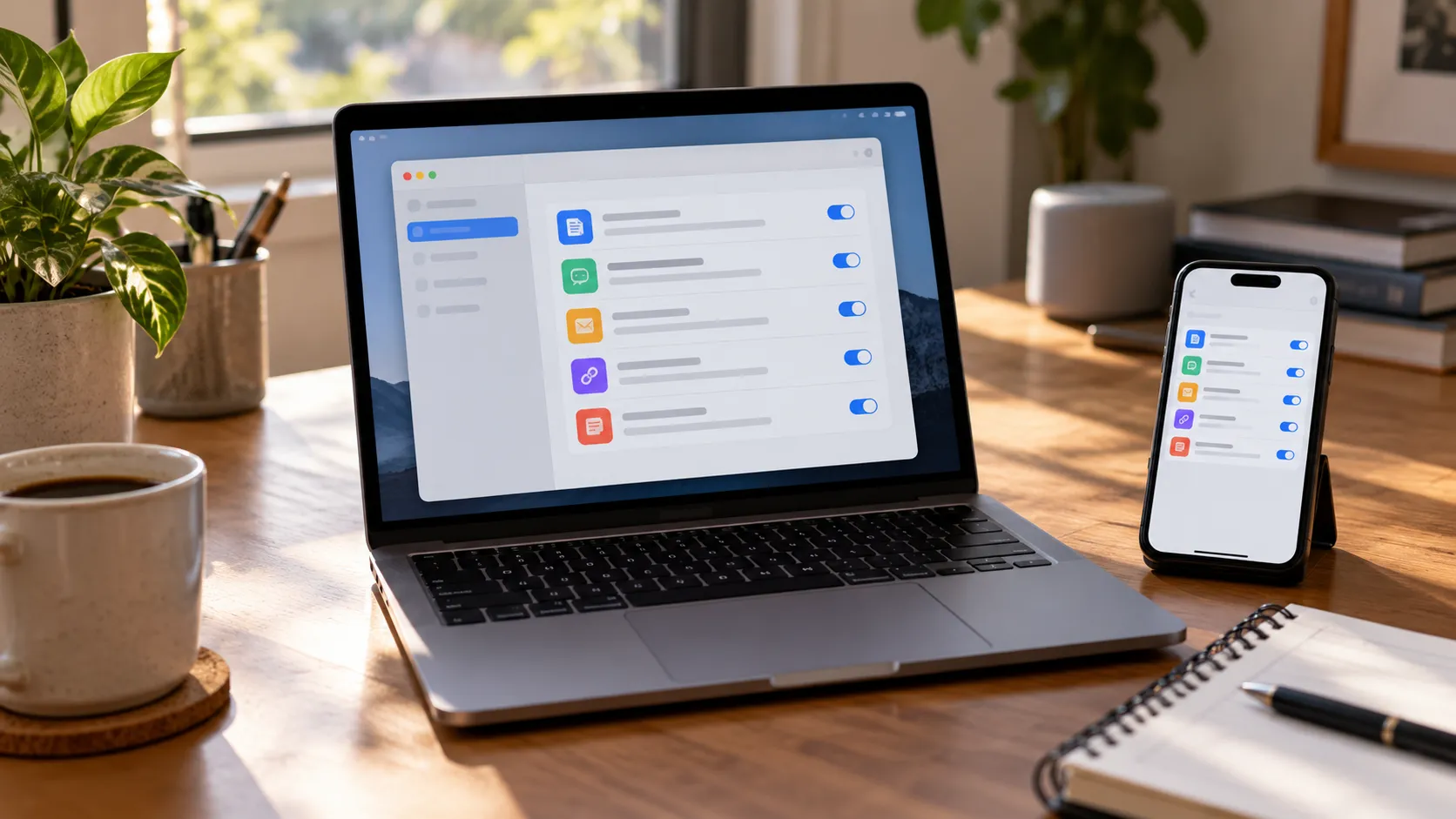
The headline addition is end-to-end encryption for RCS, the messaging standard that handles texts between iPhones and Android devices. Apple tested the feature during the iOS 26.4 beta cycle and then pulled it from the final release, according to MacRumors. It's back in this build, enabled by default in beta, though availability may vary by device or carrier, with a dedicated toggle sitting in Settings > Messages.
With encryption on, cross-platform RCS conversations are protected from third-party interception. That's a real security improvement for the substantial portion of iPhone users who text Android contacts regularly. The fact that Apple has now returned to it a second time, enabled by default rather than buried, suggests it may ship in a final release, though Apple hasn't confirmed this.
One caveat the reporting doesn't resolve: whether encryption coverage depends on carrier support, specific Google Messages versions, or GSMA profile compliance isn't yet clear. The feature works in the beta, but the conditions for it to work across the full range of Android devices and carriers remain undocumented publicly.
The build includes three smaller confirmed changes that round out the picture. Connect a USB-C accessory like a Magic Keyboard to an iPhone, and iOS 26.5 now automatically transitions to Bluetooth after a wired connection rather than requiring a separate setup step. Users switching from iPhone to Android gain a new setting for controlling how far back message attachments transfer: all history, the last year, or just the past 30 days. And the beta adds an Inuktitut keyboard layout, a localization addition that signals Apple is shipping the usual assortment of under-the-radar regional work alongside the higher-profile items.
None of these is transformative on its own. But the USB-C Bluetooth pairing fix is the kind of friction reduction that makes a real difference for anyone who regularly moves between accessories, and the Android transfer setting reflects a more granular approach to platform switching that Apple has been building out over recent releases.
The build contains the plumbing for Maps ads, but not the product itself
Code strings discovered in the iOS 26.5 beta 1 build reveal that Apple Maps may gain advertising capability. The placeholder text reads: "Maps may show local ads based on your approximate location, current search terms, or view of the map while you search." Ads will carry a visible label identifying them as paid placements. The infrastructure is in the build; the ads themselves are not yet running.
Apple is reportedly targeting a summer 2026 launch for the Maps ad product, as per reports. What's not known: whether the rollout will be global or market-specific at launch, whether users will have any opt-out mechanism, and how location-based ad targeting will interact with Apple's existing privacy controls and data practices. None of these questions has been addressed publicly.
That last point is the one worth sitting with. Apple has spent years positioning Maps as the privacy-conscious alternative to Google Maps, a product that doesn't build a profile of where you go. Serving ads keyed to your location and active search terms could create tension with that positioning, depending on implementation.
Whether Apple can resolve that tension through transparent labeling and meaningful user controls, or whether this marks a quieter shift in how the company thinks about Maps as a platform, is a question this beta raises without answering. Users who've made Maps part of their workflow specifically because of its privacy posture should treat this as the most consequential signal in the build.
The EU interoperability work in this beta operates on a different logic. iOS 26.5 beta 1 continues development of features required under the EU's Digital Markets Act, including notification forwarding and proximity pairing support for third-party wearables in European markets. No launch date has been set, and specifics around which manufacturers benefit and whether the features will be EU-only at rollout remain unconfirmed. This is compliance engineering, not a product initiative Apple chose to pursue. The beta reflects that reality: the work is present, it's progressing, and it's not finished.
The absence matters as much as the additions: Siri's promised upgrade still isn't here
iOS 26.5 beta 1 contains no new Apple Intelligence Siri functionality. None of the upgraded, context-aware capabilities Apple has previewed publicly appear in the build, MacRumors reported. Technically, a later beta in the iOS 26.5 cycle could introduce them. But with WWDC arriving in June and iOS 27 set to debut there, the window is narrow. As MacRumors put it, that possibility is "looking less and less likely."
The reporting that makes this read coherent comes from Bloomberg's Mark Gurman. Gurman reported the week before beta 1 dropped that iOS 27 will include a standalone Siri chatbot app alongside the delayed Apple Intelligence features, with September 2026 as the earliest date any of this reaches the public. That aligns with what beta 1 shows, or rather, doesn't show.
Apple hasn't explained the delay publicly. The September timeline is assembled from the absence of features in the current build and third-party reporting, not anything the company has said officially. That distinction matters. But for users who've been waiting on a meaningfully smarter Siri since Apple first previewed these capabilities, the practical answer is the same regardless of Apple's silence: this appears likely to be an iOS 27 story based on current reporting.
What to watch as betas continue
The encrypted RCS feature is the clearest near-term story. It survived one removal and has come back in a more prominent position. If it holds through additional betas, iOS 26.5 will represent a genuine security improvement for cross-platform messaging at a scale that affects a large share of iPhone users.
Two threads deserve attention in subsequent betas. First, whether Maps ads move from infrastructure to live product, and whether Apple accompanies that launch with any explanation of how ad targeting interacts with its privacy commitments. Second, whether EU wearable interoperability gets a confirmed launch date, which would clarify how quickly Apple intends to fulfill its Digital Markets Act obligations versus how long it can stretch the compliance timeline.
The Siri situation, for its part, is settled enough that it doesn't need more betas to clarify. The Apple Intelligence upgrade is a September story. iOS 26.5 beta 1 made that clearer than any official statement has.





Comments
Be the first, drop a comment!