



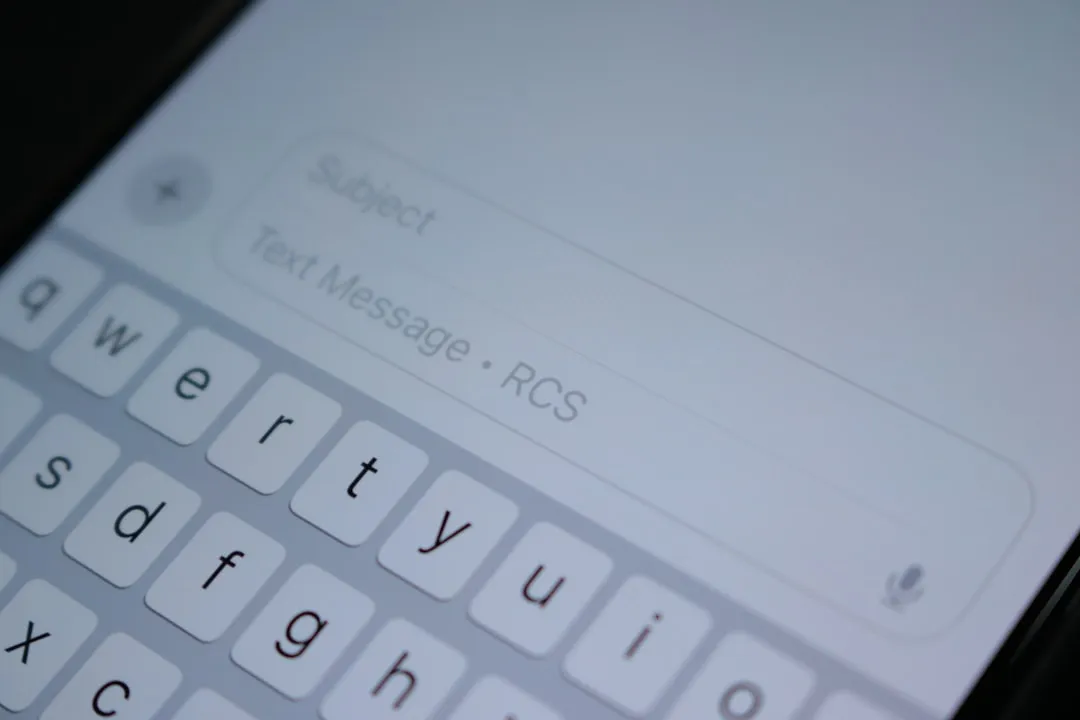
iOS 26.5 RCS Encryption Arrives, but Carriers Must Support It
iOS 26.5 RCS encryption is now confirmed in Apple's release notes, bringing end-to-end encrypted messaging to iPhone-Android RCS conversations for the first time. The feature is on by default in the release candidate that began rolling out this week. The catch, spelled out in those same release notes: both users' carriers need to support RCS Universal Profile 3.0 before any given conversation gets the protection.
That carrier requirement is the central fact of this update. Apple has shipped its side. Whether a specific conversation is actually encrypted depends on network infrastructure that Apple neither controls nor has published a list of supported carriers for.
What changed with iOS 26.5
RCS arrived on iPhone with iOS 18 but shipped without encryption, leaving cross-platform chats more exposed than iMessage. Google had added its own proprietary E2EE on top of RCS back in 2020, per 9to5Google, but that protection didn't extend across platforms. A shared open standard was required, and aligning GSMA, Apple, and Google on one took years.
The result is Messaging Layer Security, or MLS, built into GSMA's RCS Universal Profile 3.0. Apple co-developed the standard and formally committed to it in March 2025, according to gagadget. Working with the GSM Association rather than building a proprietary system was a deliberate choice; it's what makes the encryption interoperable with Android at all, MacRumors noted. Apple Senior Engineering Manager Emad Omara confirmed on X this week that interoperable E2EE RCS is rolling out with this update, Android Authority reported.
The update covers the full Apple platform stack. When the stable release ships, expected within days of the release candidate, E2EE for RCS will be available on iPhone, iPad, Mac, and Apple Watch simultaneously, according to MacRumors.
What this means for an average iPhone user today
For most iPhone users with Android contacts, today's situation is: the software protection exists, but you can't assume it's active. After updating to iOS 26.5, you'll have the toggle and the infrastructure. Whether it kicks in on any given conversation is still a carrier question.
The practical change is real but uneven. If both you and your Android contact are on carriers that have deployed UP 3.0, your RCS messages will be encrypted by default with no setup required. Neither Apple, your carrier, nor anyone in between can read them, gagadget confirmed. That's a genuine improvement over what existed before this week. But plenty of conversations will look identical to before, because carrier support isn't uniform.
UP 3.0 also bundles several other cross-platform improvements beyond encryption: editing and deleting messages, cross-platform Tapback support, and inline replies during cross-platform conversations, MacRumors reported. Those features matter for usability, but the encryption is the headline.
How to tell if iOS 26.5 end-to-end encryption for RCS is active
The toggle lives at Settings > Messages > RCS Messaging, enabled by default after updating, gagadget confirmed. Users can verify its status or turn it off there.
The only reliable in-conversation signal is a small lock icon in the Messages thread. When it appears, encryption is active. Both iPhone and Android users see the same lock, matching the indicator Google Messages already shows on the Android side; both sides now show the same visual signal for the first time, gagadget noted. No lock means the conversation is routing without encryption, because one or both carriers haven't deployed the relevant version of RCS.
Apple labels the feature beta even in this stable release and notes it will roll out over time on supported networks, MacRumors reported. Apple has not published a list of which carriers currently support UP 3.0.
To check: update to iOS 26.5, confirm the toggle is on in Settings > Messages, then open a thread with an Android contact. The lock icon is the only confirmation that the protection is working.
Why the carrier layer is the bottleneck
Because MLS encryption is standards-based rather than proprietary, the entire chain has to support the same specification before any conversation gets encrypted. Apple can ship its software; Google can ship its software. But encryption only activates when the carriers on both ends have also deployed UP 3.0 on their networks, according to Apple's release notes as reported by MacRumors. The bottleneck is carrier adoption, not software updates.
Apple labeling the feature beta in a stable release reflects that directly. The protocol is in place. The toggle is on. What's uneven is the network infrastructure underneath, and no future iOS update alone will fix that.
Carriers like Verizon, AT&T, T-Mobile in the US, and EE and Vodafone in the UK are the networks that need to have implemented UP 3.0 on their end, gagadget noted. Which of them have done so at launch remains an open question.
What this update doesn't change
The update closes one of the most significant privacy gaps in mainstream cross-platform messaging, but it doesn't make RCS the same as iMessage. Apple has explicitly stated that RCS messages will not inherit iMessage's encryption model, and cross-platform RCS still depends on carrier and third-party infrastructure in ways that iMessage, which runs entirely on Apple's servers, does not, The Privacy Report noted about four months ago.
That architectural difference matters in practice. iMessage encryption is consistent because it never touches telecom infrastructure. Encrypted RCS is consistent only when every carrier in a conversation has done its part. For most casual conversations, that's a minor caveat. For sensitive ones, it's the reason apps like Signal exist: they don't depend on carrier participation at all.
How Apple got here
Testing started in iOS 26.4 beta, but that initial version restricted E2EE to iPhone-to-iPhone conversations, with Apple noting the feature was "not yet testable" with other platforms, 9to5Google reported about three months ago. A later 26.4 beta expanded testing to Android. Apple then pulled the feature before the final iOS 26.4 release. It returned in the iOS 26.5 developer beta and held through to this release candidate, Android Authority reported this week.
That testing path reflects what interoperable encryption actually requires. Apple's code, Google's code, the GSMA standard, and carrier networks all had to reach readiness together. The multi-stop rollout wasn't indecision; it was the minimum viable coordination for a cross-platform open standard.
Where things stand
The software is ready on Apple's end. As more networks deploy UP 3.0, more conversations will gain the lock icon automatically, with no further action required from users, MacRumors noted. Apple's decision to build on an open standard rather than a proprietary system suggests that coverage should expand over time as carrier adoption catches up.
For now, the lock icon is the clearest answer available. If it appears, the conversation is encrypted. If it doesn't, carrier support hasn't caught up yet.


Comments
Be the first, drop a comment!